






How To Choose A Clinic For Hair Transplant
Choose a clinic by verifying the surgeon’s credentials, reviewing real before-and-after cases, and confirming who performs each step of the procedure. Compare techniques (FUE, DHI, FUT) based on your hair type and goals, not trends. Prioritize sterile facilities, transparent pricing, and a clear aftercare plan with follow-up support.
Table of Contents
Why Choosing The Right Hair Transplant Clinic Matters
A hair transplant is a medical procedure, not a cosmetic “quick fix.” The clinic you choose affects your safety, your healing process, and how natural your result looks over time.
A reputable clinic reduces avoidable risks (like infection and poor graft survival) and is more likely to plan your transplant around long-term hair loss progression. Candidate selection and realistic expectations are a major part of success.
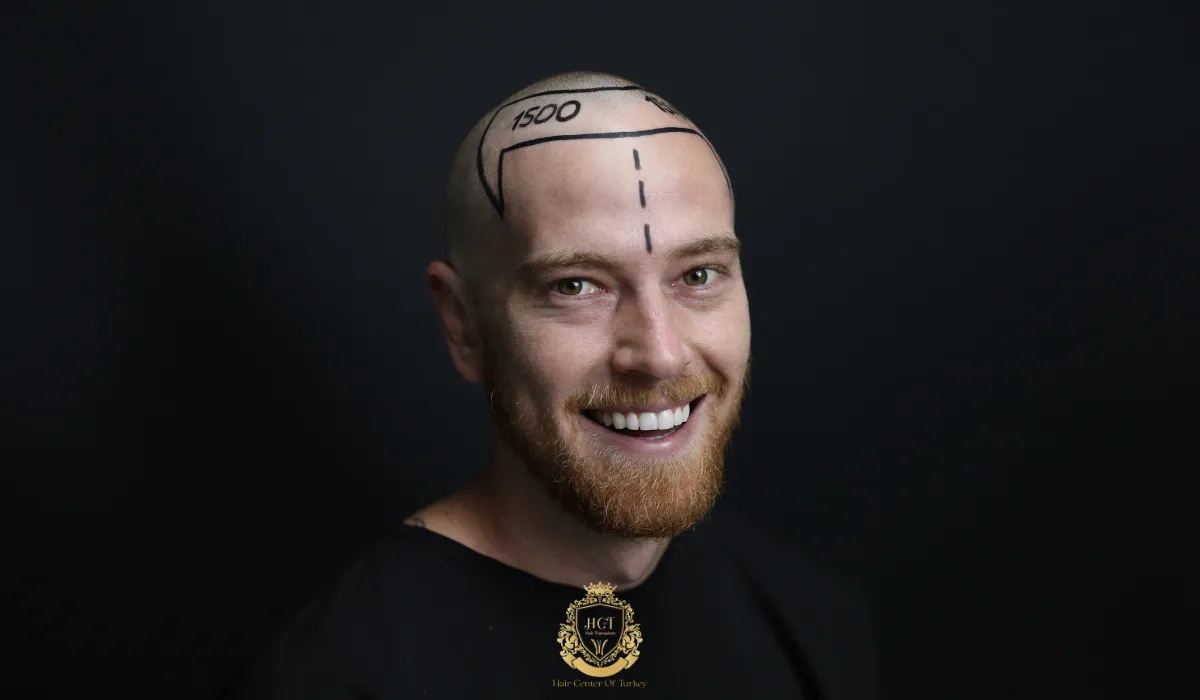
Start With Research That Goes Beyond Ads
Begin with a shortlist of clinics, then validate what they claim.
Read Patient Reviews With A Critical Eye
Look for detailed reviews that mention the consultation, the day of surgery, and aftercare. Balanced reviews (pros and cons) tend to be more reliable than one-line praise.
Check whether the clinic responds professionally to complaints. A calm, solution-focused response usually signals accountability.
Verify Medical Credentials And Roles
Confirm the surgeon’s qualifications and specific hair transplant training. Ask who will do each step: donor extraction, incision/channel opening, and implantation.
If the clinic won’t clearly explain roles, treat that as a red flag.
Check Licenses, Accreditation, And Hygiene Standards
A trustworthy clinic should be comfortable discussing sterilization, single-use materials, and infection control routines. You can also ask how they handle medical complications and what emergency protocols are in place.
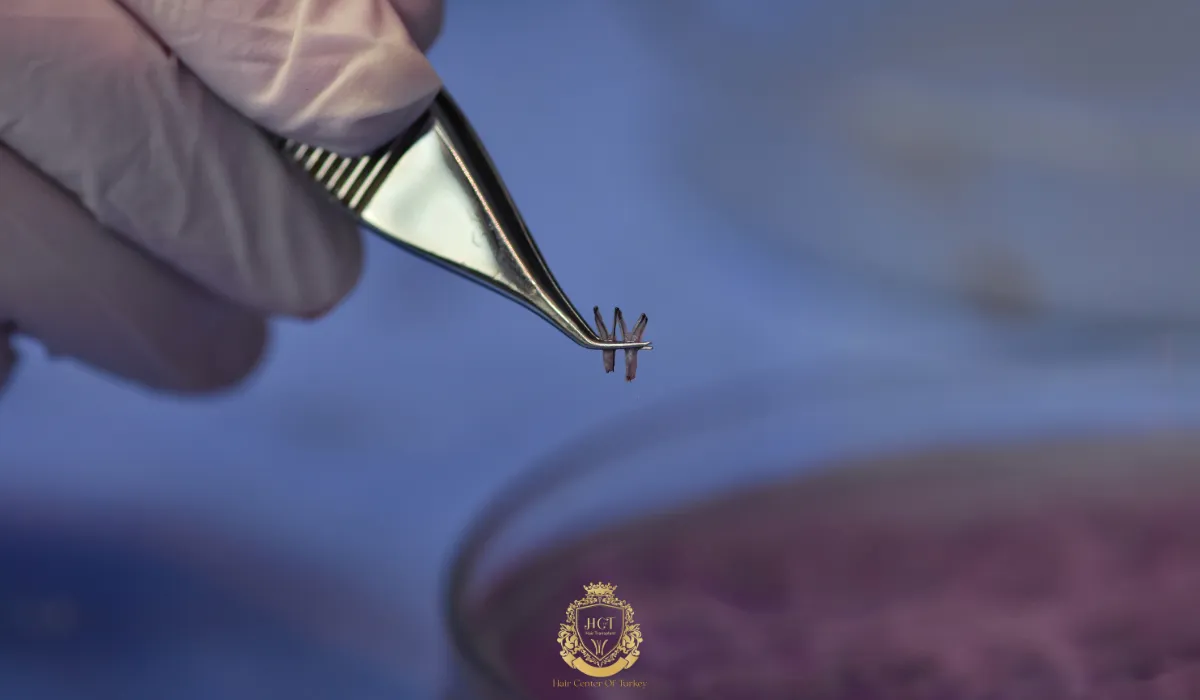
Understand The Techniques The Clinic Offers
Clinics may offer different approaches, and the “right” method depends on your hair type, donor capacity, scalp condition, and styling goals.
FUE (Follicular Unit Extraction)
FUE extracts follicles individually from the donor area and implants them into thinning areas. It’s widely used and often chosen for minimal linear scarring.
DHI (Direct Hair Implantation)
DHI places grafts using an implanter pen, which can help with control over angle and direction in some cases. It may take longer and can be priced differently depending on the clinic.
FUT (Strip Method)
FUT removes a thin strip from the donor area and then separates grafts under a microscope. Some clinics still use it, typically when donor management is a priority and a linear scar is acceptable.
A good clinic explains why they recommend a method for you, not why one method is “better for everyone.”

How To Choose The Right Hair Transplant Surgeon
Your surgeon’s planning skill matters as much as the technique.
What To Look For
Credentials and training: Board certification and relevant surgical background.
Experience with cases like yours: Hairline design, diffuse thinning, advanced hair loss, or specific hair characteristics.
Natural-looking results: Look closely at hairline irregularity, density distribution, and direction.
Use Before-And-After Photos The Right Way
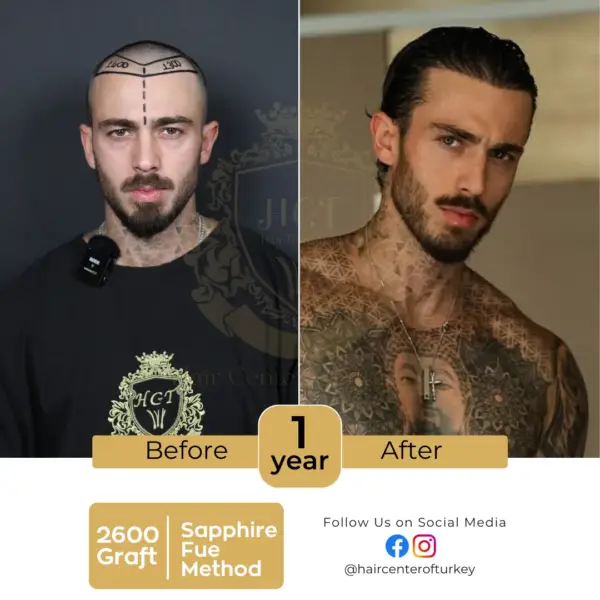
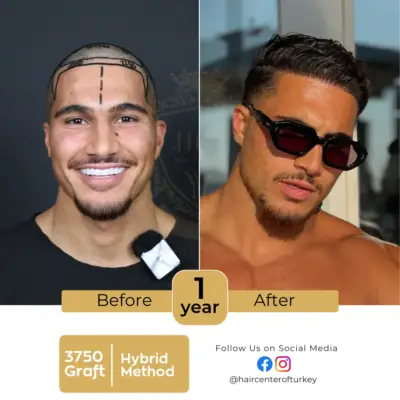
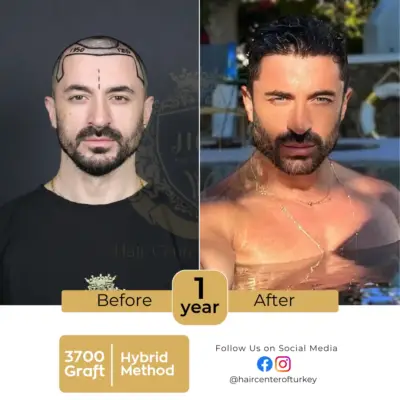
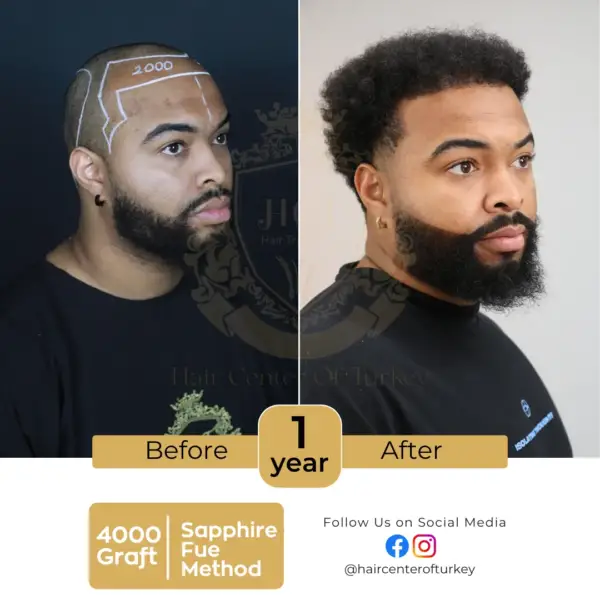
Ask for photos under consistent lighting and angles. Better yet, request examples of results at different timelines (6 months, 12 months, and beyond).
Be cautious if every image looks heavily filtered or shot from far away.
Judge The Consultation, Not The Sales Pitch
A strong consultation includes scalp assessment, donor evaluation, and a discussion about long-term loss. Progressive hair loss often requires planning beyond a single session.

Key Questions To Ask Any Clinic
Use these to compare clinics fairly:
- Who performs extraction and implantation (doctor vs. team members), and how many patients are treated per day?
- Which technique fits my hair loss pattern and donor area, and why?
- What graft range do you recommend, and what does “graft count” include?
- What is included in the price (medication, PRP if offered, aftercare kit, follow-ups)?
- What does the aftercare schedule look like, and how do you support patients who travel?
Clear answers and transparent scope are signs of a clinic that takes patient care seriously.
Who May Not Be A Good Candidate
Not everyone benefits from a hair transplant, especially if the cause of hair loss isn’t stable.
Temporary shedding (such as telogen effluvium) often improves once triggers are addressed, so surgery may not be appropriate during an active shedding phase.
Autoimmune and inflammatory scalp conditions can also affect candidacy, particularly if the disease is active. A proper medical evaluation is essential before planning surgery.

How To Choose A Hair Transplant Clinic In Turkey
Turkey is a popular option for hair restoration because many clinics combine experienced teams with medical-travel infrastructure. The key is to apply the same medical standards you would use at home: surgeon involvement, hygiene, documented results, and structured aftercare.
What Hair Transplants Commonly Cost In Turkey
Pricing varies based on graft number, technique, and what’s included in the package. Recent clinic pricing guides commonly cite typical ranges around $1,500–$4,500 for standard packages, with higher costs for premium techniques or extensive cases.
Instead of chasing the lowest quote, compare what the clinic includes, who performs the procedure, and what follow-up care looks like.
FAQ
How do I choose a good hair transplant clinic?
Choose a clinic with board-certified surgeon, verifiable results, sterile facility, and proper aftercare.
How to choose a hair transplant clinic?
Choose by verifying surgeon credentials, asking who performs grafts, and reviewing consistent before-after photos.
How to choose the best hair transplant clinic?
Choose the best by prioritizing surgeon skill, transparent outcomes, ethical planning, and long-term follow-up.
Where is the best place to go for hair transplant?
Best place is an accredited medical center with an experienced hair-restoration surgeon.
Where is the safest place to get a hair transplant?
Safest place is an accredited surgical facility with qualified staff, monitoring, and strict sterility.