





Hair Transplant With Sedation
Hair transplant with sedation is designed to reduce anxiety and discomfort, especially during the numbing injections. A clinician provides light sedation while local anesthesia numbs the scalp, so you stay relaxed and comfortable throughout key steps. Eligibility depends on your medical history, and the approach should always include proper monitoring and aftercare.
Hair loss can affect confidence and self-image for both men and women. Many people delay treatment because they worry about pain, needles, or feeling anxious during the procedure. Modern hair transplant techniques are far more comfortable than most patients expect.
For people with higher anxiety or needle sensitivity, sedation can make the experience easier. A hair transplant with sedation combines local anesthesia (to numb the scalp) with light, medically supervised sedation (to help you feel calm). This approach aims to support comfort without changing the core transplant technique.
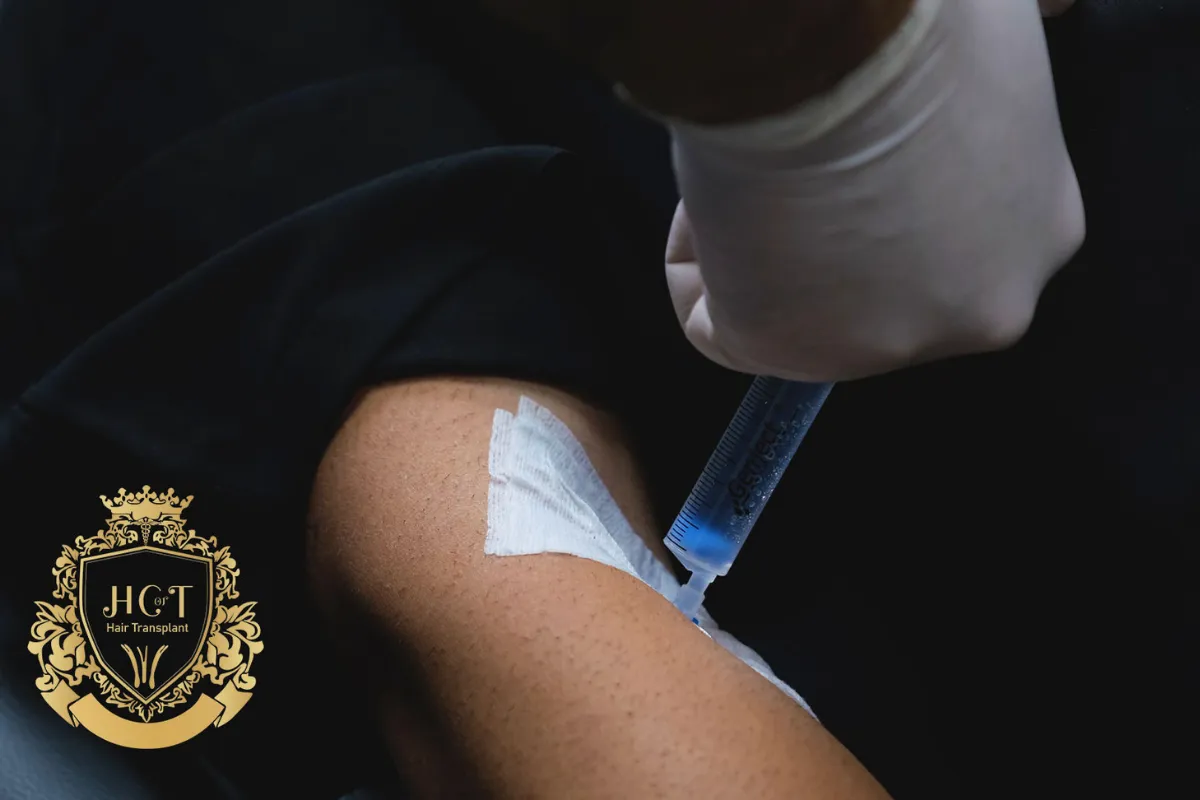
Table of Contents
What Is A Hair Transplant With Sedation?
Hair transplant with sedation (sometimes described as “sedated hair transplant”) refers to using mild sedative medication alongside local anesthesia. The goal is to help you feel relaxed, less aware of stressful moments, and more comfortable during the procedure.
Sedation does not replace local anesthesia. Local anesthetic is still used to numb the donor and recipient areas, because the scalp has many nerve endings. Sedation mainly helps with anxiety and with tolerating the local anesthetic injections.
The level and duration of sedation can vary depending on your health profile and the clinic’s protocol. In most cases, it is light sedation with continuous monitoring by a qualified medical team.
Who May Benefit From Sedation?
Sedation can be helpful if you:
- Feel significant anxiety about medical procedures
- Have a strong fear of needles or injections
- Struggle to stay comfortable for long sessions
- Had a difficult experience with local anesthesia in the past
Sedation is not suitable for everyone. Your eligibility depends on your medical history, current medications, and any allergy or anesthesia-related risks.
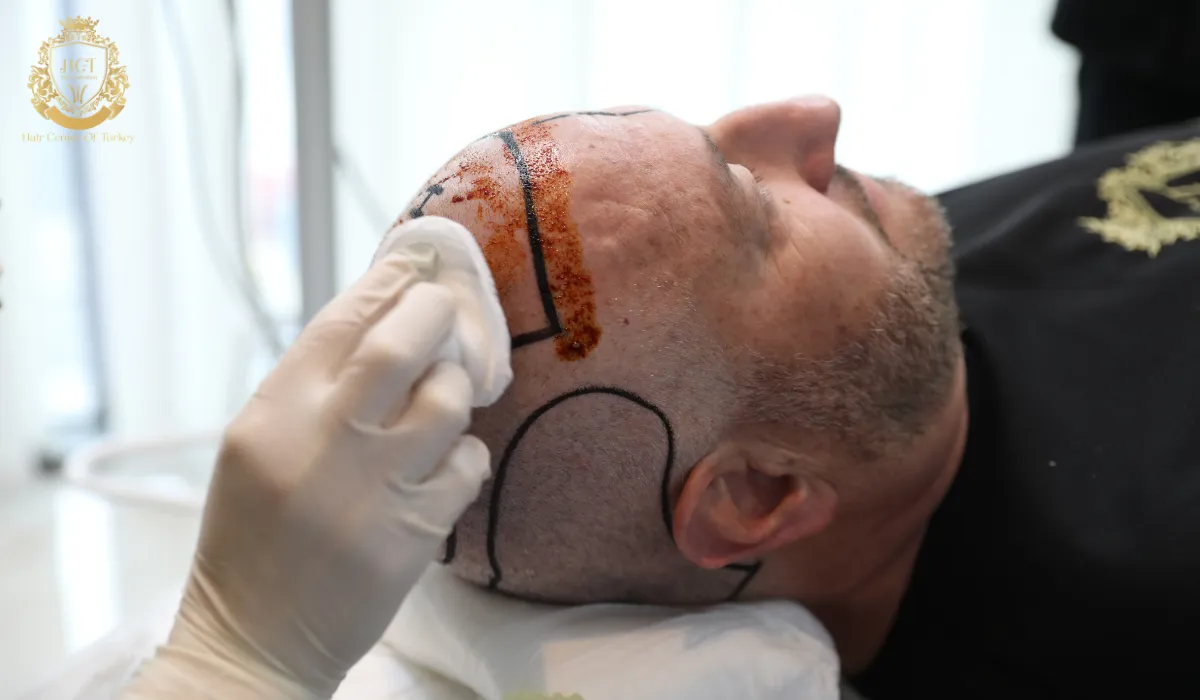
How Hair Transplant With Sedation Is Performed
1) Pre-Procedure Medical Assessment
Before planning sedation, the physician reviews your medical history and any medications you use. The team also asks about previous anesthesia experiences and known allergies. This step helps reduce risks and ensures the plan fits your needs.
2) Sedation And Monitoring
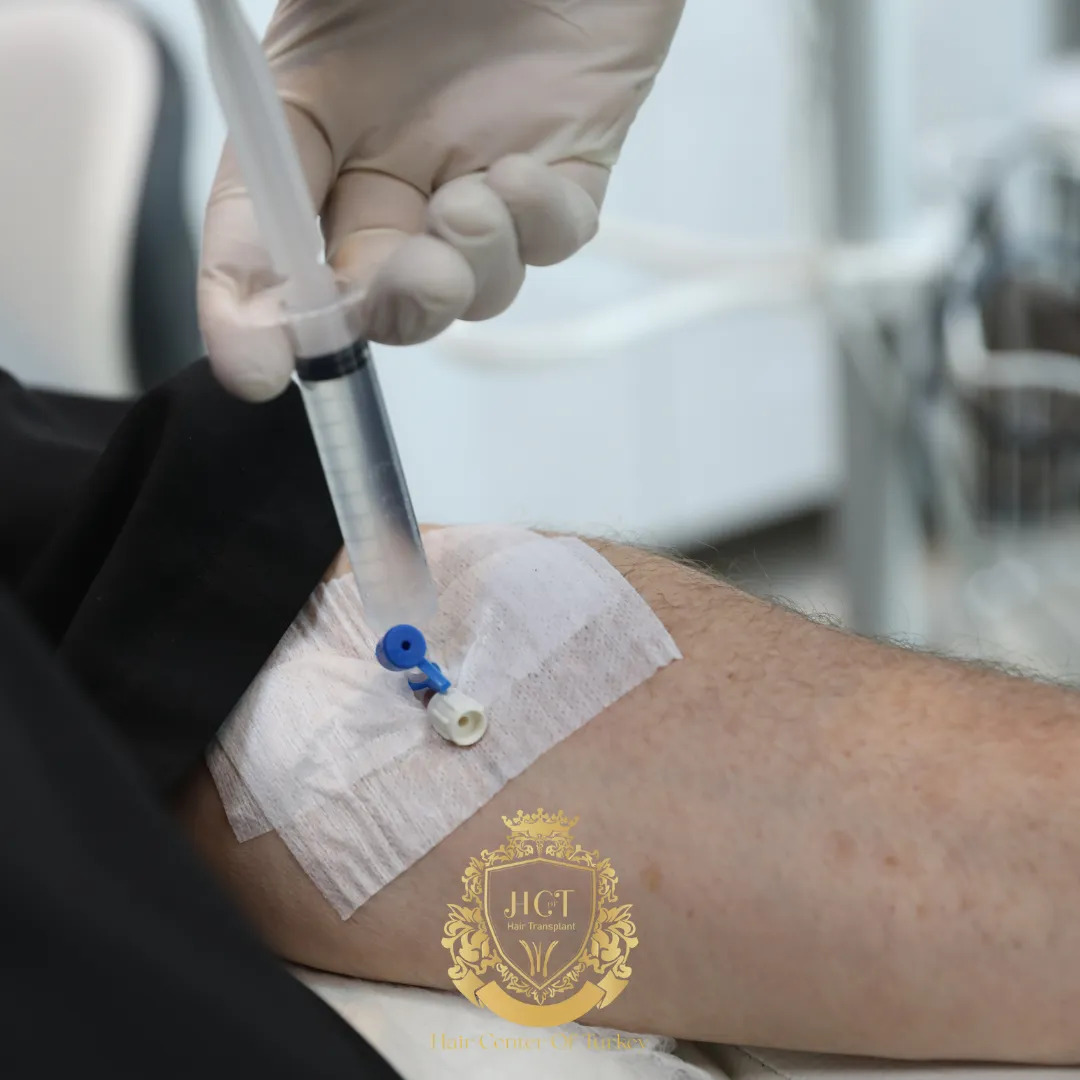
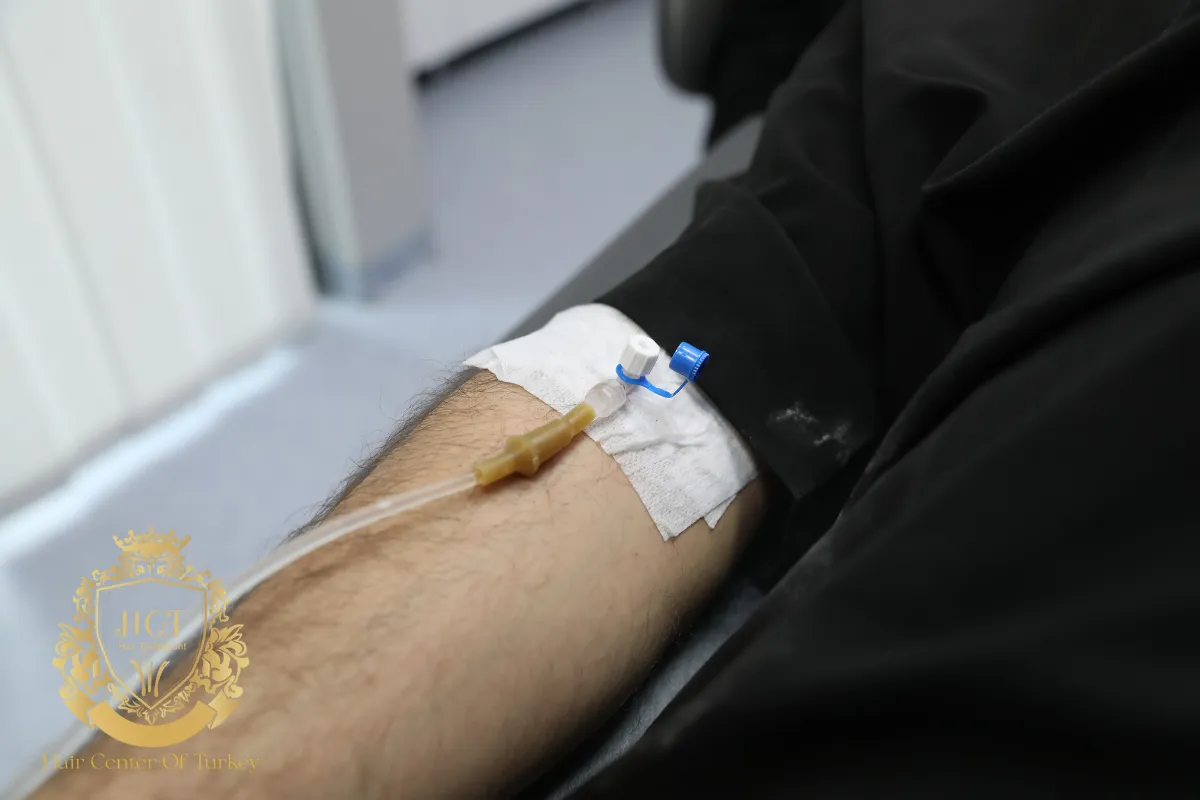
Sedative medication is typically given through an IV line. You remain relaxed and drowsy, while your vital signs are monitored throughout. The medical team adjusts care based on your comfort and safety.
3) Local Anesthesia
Once you’re calm and settled, local anesthesia is applied to the donor area and recipient area. This is the key step that prevents pain during extraction and implantation. Sedation can make this part feel far less stressful for anxious patients.
4) Graft Extraction
Hair follicles are usually collected from the back of the scalp (donor area). A micro-motor and punch tips may be used depending on technique and clinic preference. The goal is to harvest grafts carefully while protecting the donor area.
5) Recipient Site Creation And Implantation
The surgeon creates recipient sites (channels) or uses an implanter pen technique, depending on the plan. Grafts are placed one by one to match natural angles and direction. A well-designed hairline and proper density planning are essential for a natural result.
6) Recovery And Aftercare
After the procedure, you rest while the team monitors you briefly. You receive aftercare instructions covering washing, sleeping position, activity limits, and follow-up. Good aftercare helps protect grafts during the early healing phase.
Advantages Of Hair Transplant With Sedation
More Comfortable Experience
Sedation can reduce stress and discomfort, especially during numbing injections. Many patients describe the session as calmer and easier to get through.
Better Tolerance For Long Sessions
Hair transplant procedures can take several hours. Staying relaxed makes it easier to remain still, which supports smoother work for the clinical team.
Reduced Anxiety Without Full General Anesthesia
For suitable patients, light sedation can provide comfort without the deeper risks and recovery demands linked to full general anesthesia.
Safety And Considerations
Sedation is a medical intervention and should be treated seriously. A reputable clinic will assess your suitability, explain the sedation plan clearly, and monitor you throughout the procedure.
No sedation method is “side-effect-free.” Possible effects can include grogginess, nausea, dizziness, or rare reactions depending on the medications used. Your team should explain risks in a patient-specific way and provide guidance for the day of treatment.
Sedated Hair Transplant Cost
The cost of a hair transplant with sedation varies by several factors. These often include the technique used, number of grafts, the clinical team’s experience, technology, and what is included in the package.
Because treatment plans are individualized, the most accurate way to understand pricing is a direct consultation. A clinic should explain what the fee covers, how sedation is provided, and what safety monitoring is included.

FAQ
Can you be sedated for a hair transplant?
Yes, clinics may offer oral or IV sedation alongside local anesthesia.
Can they put you to sleep during a hair transplant?
General anesthesia is uncommon; most use local anesthesia with optional sedation.
How painful is anesthesia for a hair transplant?
Injection stings briefly; pain usually decreases once the area is numb.
How bad is the pain after a hair transplant?
Postoperative pain is usually mild to moderate for 1–3 days
Can I do a hair transplant without anesthesia?
No, you need local anesthesia to allow graft placement and comfort.
Do you need bed rest after a hair transplant?
No, rest the first day; avoid heavy exercise for about a week.
What is pain free anesthesia for hair transplant?
Buffered lidocaine, topical numbing, vibration, cooling, and slow injections can reduce pain.