Most hair transplant side effects are temporary and mild, such as swelling, redness, scabbing, itching, and short-term shedding (“shock loss”). Symptoms usually ease within days to a couple of weeks, while visible regrowth takes months. Risks drop sharply when the procedure is done in a sterile setting and you follow aftercare instructions closely.
Table of Contents
What are the side effects of a hair transplant?
Hair transplantation is a minor surgical procedure, so some downtime is normal. The most common side effects are redness, swelling, tightness, tenderness, scabbing, and itching in the donor and recipient areas. Many people also notice temporary shedding in the first weeks after surgery.
Side effects vary by technique, scalp sensitivity, and aftercare habits. A reputable clinic will give you clear written instructions and explain what is expected for your specific case.
Common short-term side effects
Redness and swelling
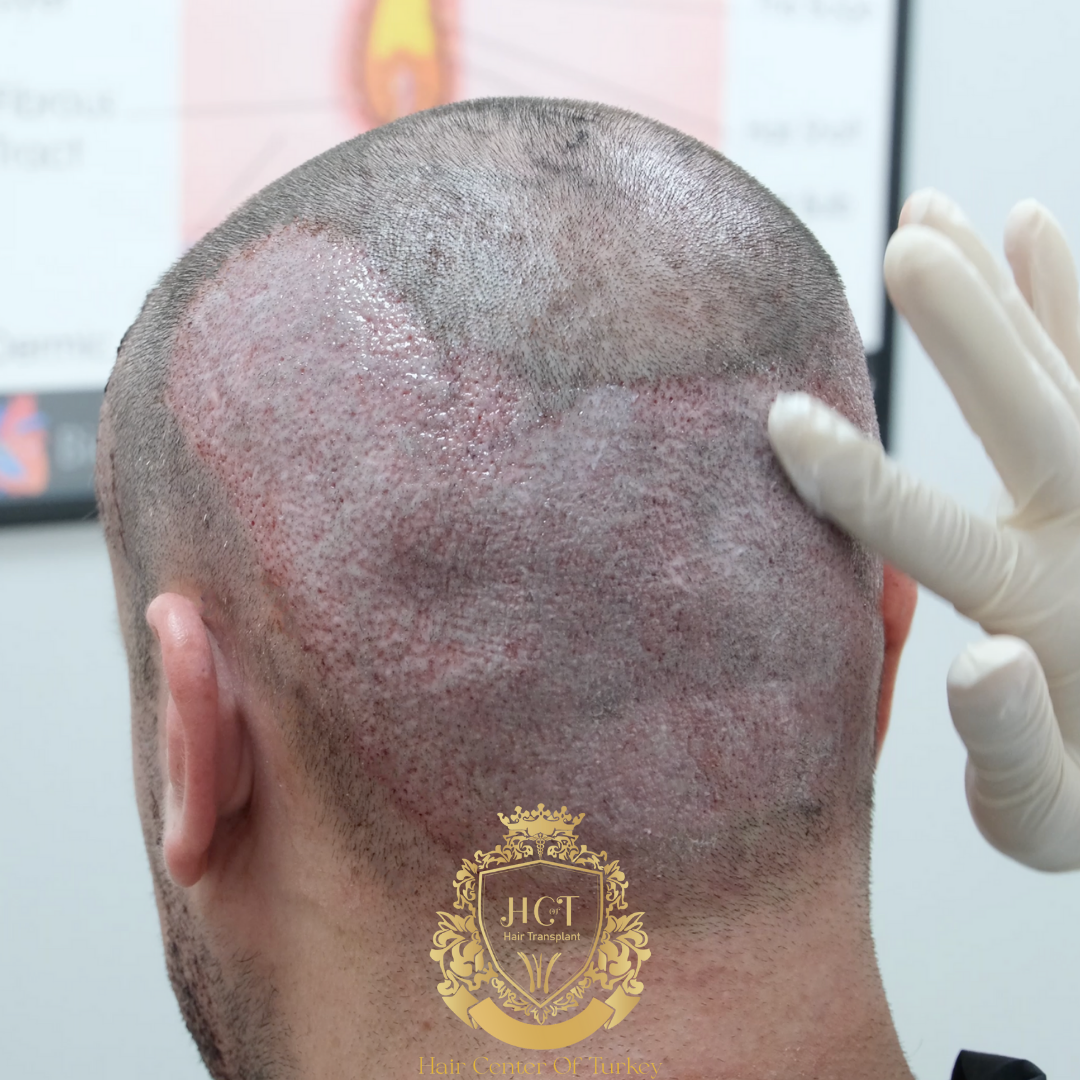
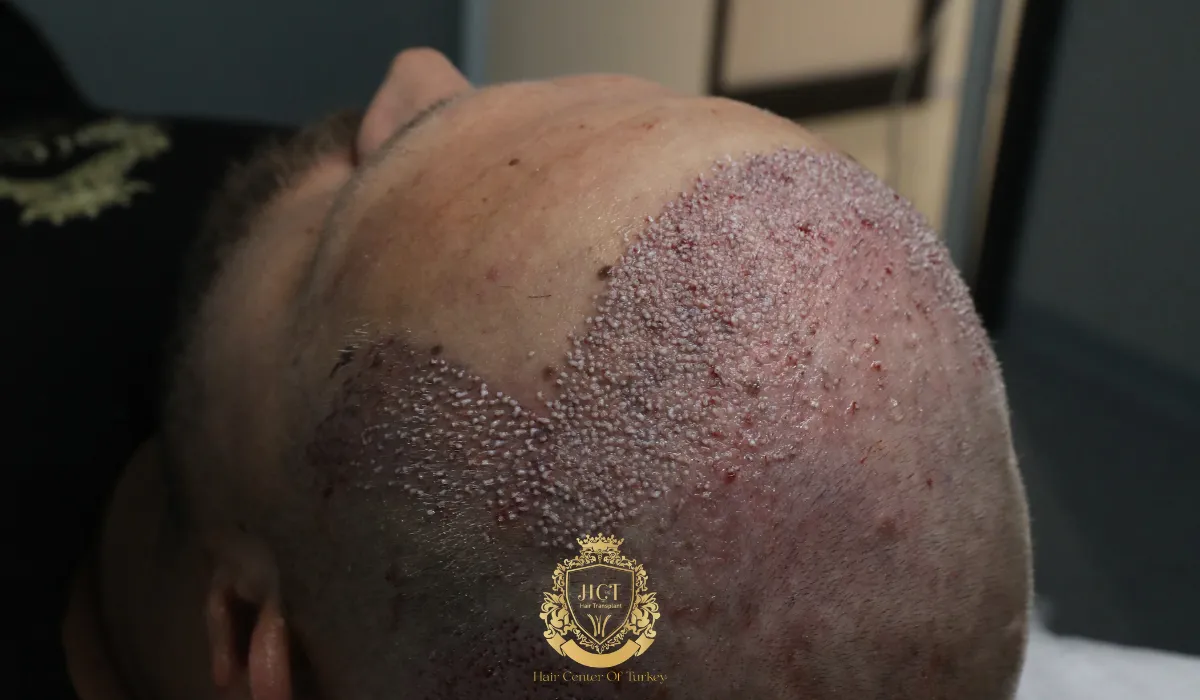
Redness around the grafts and mild swelling on the forehead or scalp can show up in the first 24–72 hours. Sleeping with your head elevated and using cold compresses on the forehead (not on the grafts) often helps.
If swelling becomes severe, spreads, or is paired with fever, contact your clinic.
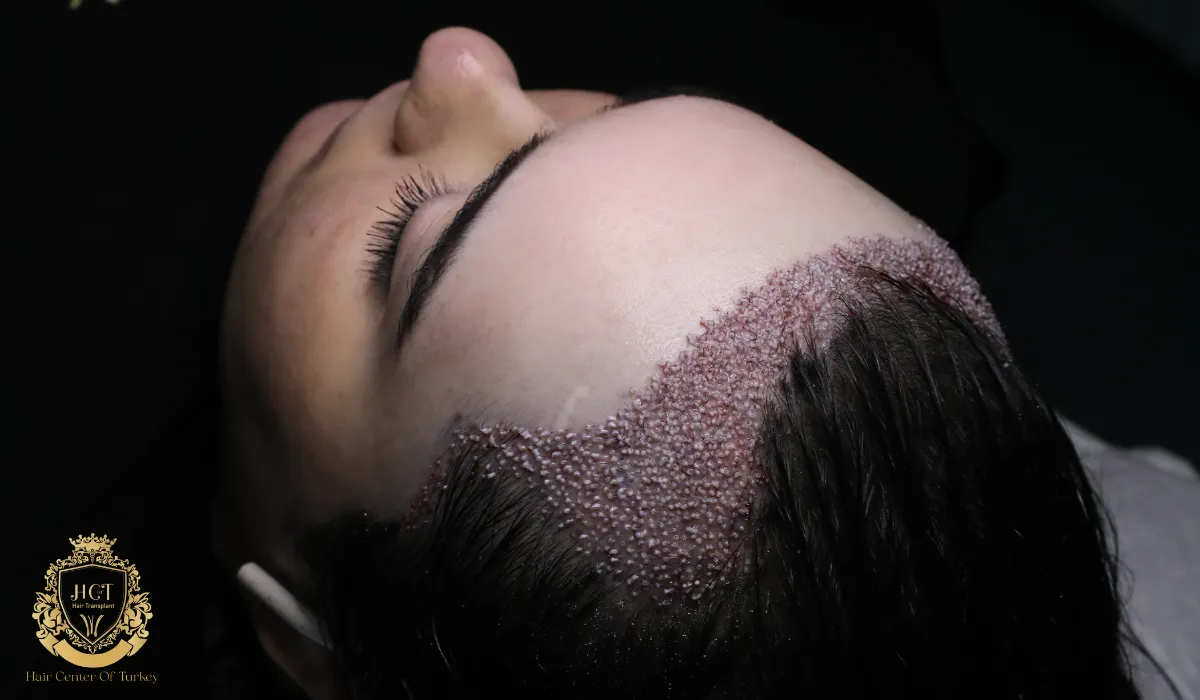
Scabbing and crusting
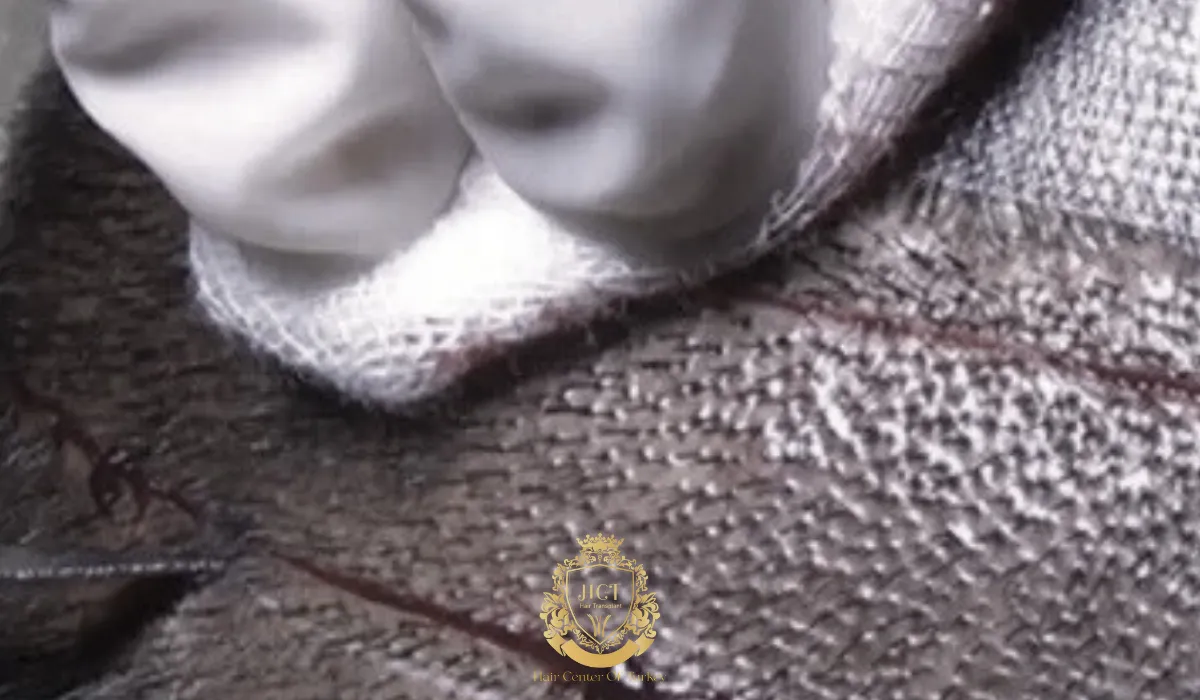
Small scabs form as the grafts heal. This is expected and usually settles within 7–10 days. Avoid picking at scabs, since pulling them can damage grafts.
Your clinic may recommend gentle washing and a moisturizing spray to soften crusts safely.
Itching and tightness
Itching is common as the skin heals. Use only products approved by your medical team and avoid scratching the recipient area.
A feeling of tightness or mild numbness can also occur, especially in the donor area. Sensation typically improves gradually.
Shock loss (temporary shedding)
Some transplanted hairs—and sometimes nearby native hairs—can shed a few weeks after surgery. This is called shock loss and is usually temporary.
New growth commonly starts a few months later, with results continuing to improve over time.
FUE hair transplant side effects
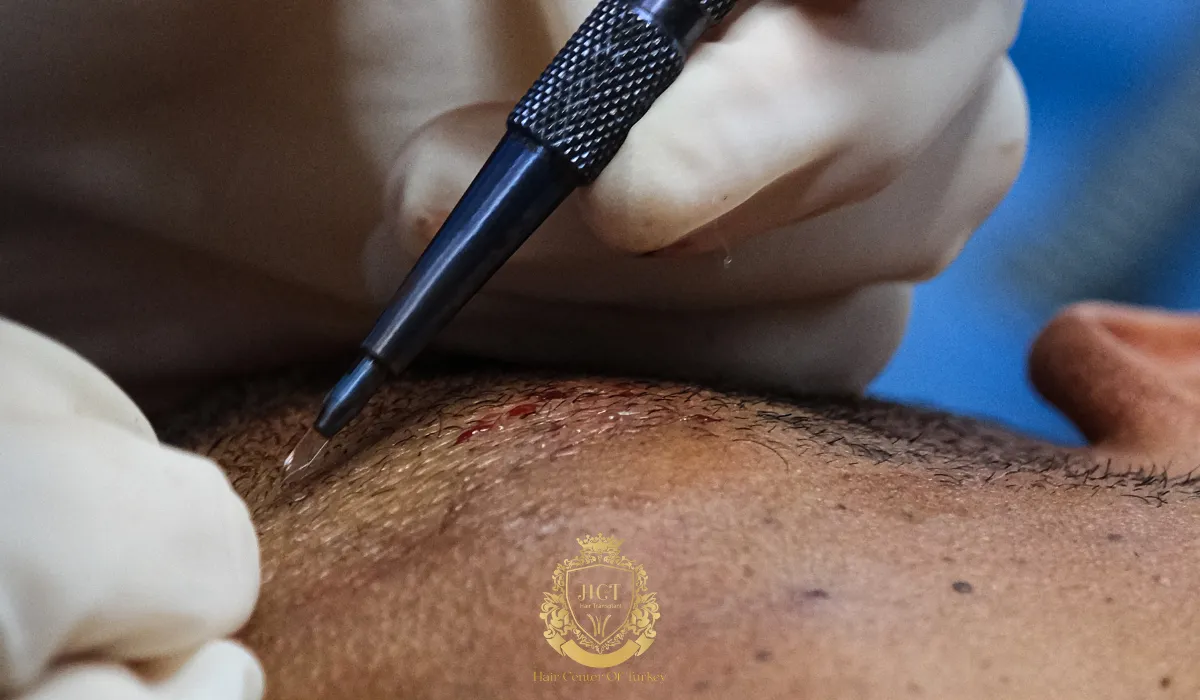
With FUE (Follicular Unit Extraction), most side effects are mild and short-lived: pinpoint scabbing in the donor area, redness, swelling, and itching. Because there is no strip incision, scarring is usually minimal and recovery can feel quicker for many patients.
Follow washing instructions carefully and avoid strenuous activity during the early healing phase to protect grafts.
DHI hair transplant side effects
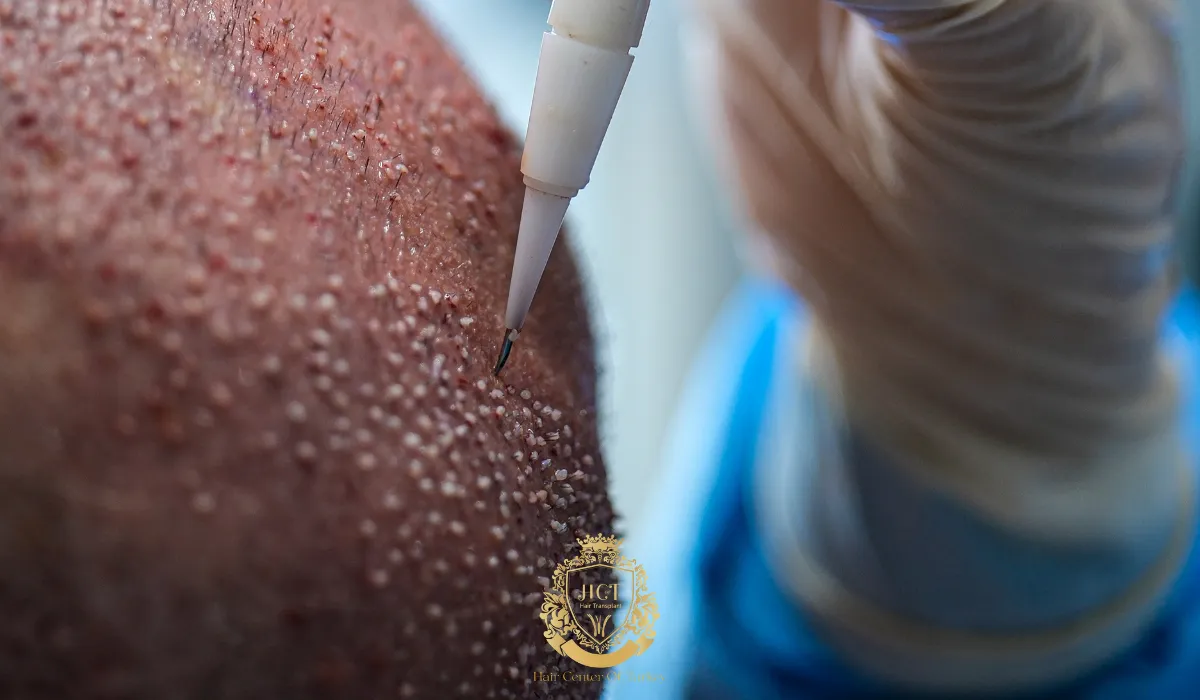
DHI (Direct Hair Implantation) uses an implanter pen to place grafts, which can reduce handling of follicles. Typical side effects are similar to other methods—redness, swelling, scabbing, and itching—plus occasional temporary shedding.
Recovery still depends on your scalp and aftercare, so don’t assume symptoms will be “zero” even with precise techniques.
FUT hair transplant side effects
FUT (Follicular Unit Transplantation) involves removing a thin strip of scalp from the donor area, so side effects can include a linear scar, more donor-area tightness, and a longer healing period for the incision.
Some people experience temporary numbness or sensitivity near the donor scar. Your surgeon can explain whether FUT fits your hairstyle preferences and scarring tolerance.
Anesthesia side effects during hair transplant
Hair transplants are typically performed under local anesthesia, sometimes paired with light sedation. Short-term effects can include dizziness, nausea, or grogginess, especially if sedation is used.
Tell your clinic about any allergies, heart conditions, or past reactions to anesthetics. Arrange a ride home if you receive sedation.
Medication side effects after a hair transplant
Clinics often prescribe antibiotics, pain relief, and sometimes anti-inflammatory medication. Mild stomach upset, drowsiness, or skin sensitivity can occur depending on the drug.
Take medications exactly as directed and avoid mixing them with alcohol. If you develop a rash, breathing difficulty, or severe stomach pain, seek medical help promptly.
Infection risk and warning signs
Infection after a hair transplant is uncommon when hygiene and aftercare are followed, but it can happen. Watch for worsening redness, warmth, increasing pain, pus-like discharge, or fever.
Early treatment matters. Contact your clinic the same day if you notice signs of infection or if symptoms worsen instead of improving.
PRP hair treatment side effects
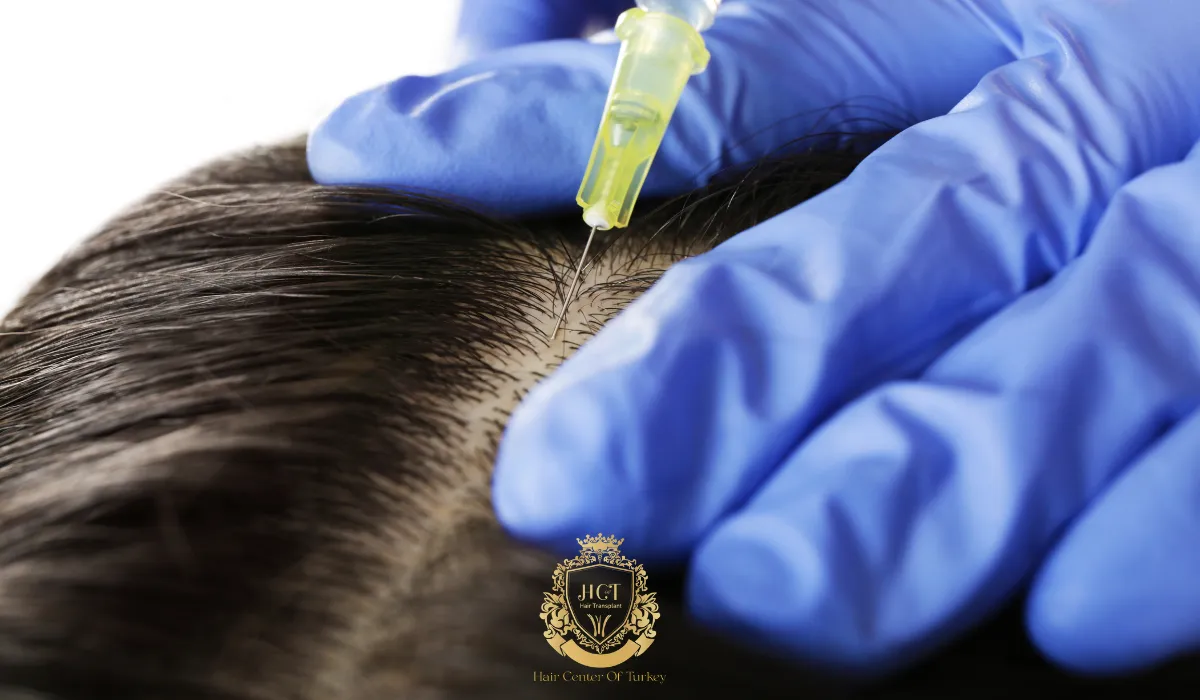
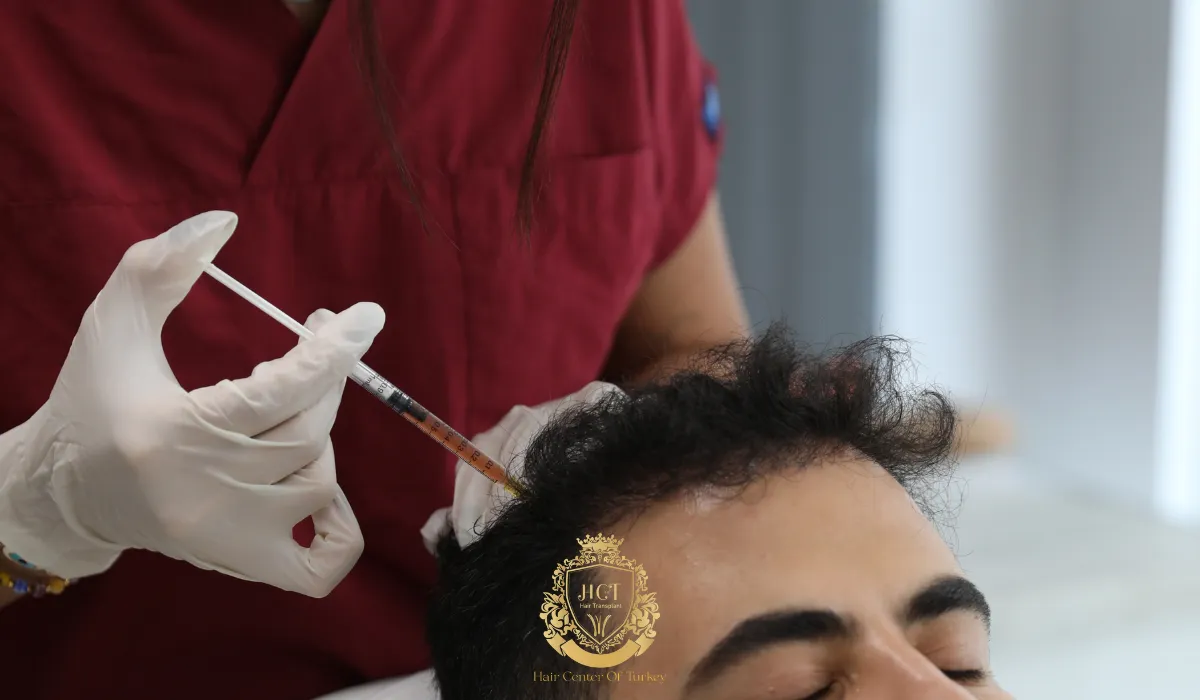
PRP (platelet-rich plasma) injections are sometimes used to support recovery and hair growth. Side effects are usually mild and may include tenderness, redness, swelling, or bruising at injection sites.
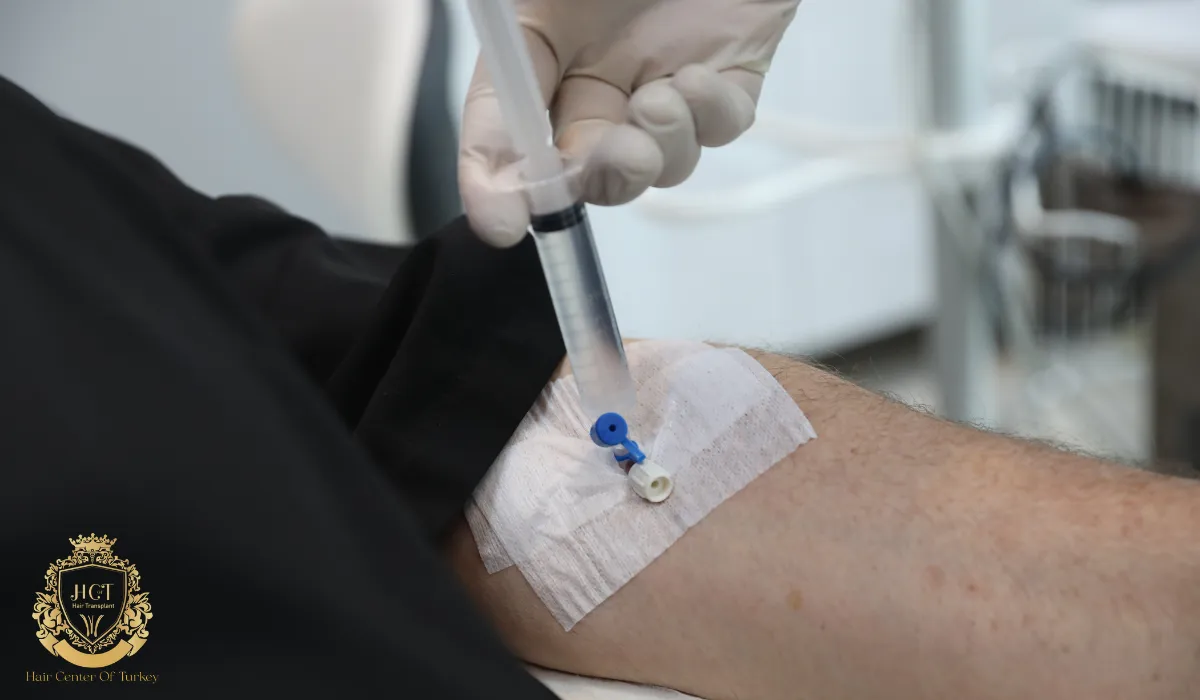
Lightheadedness can occur because blood is drawn before the injection. Eat beforehand, stay hydrated, and let your provider know if you feel unwell during the session.
Long-term or rare side effects
Long-term side effects are uncommon, but can include noticeable scarring, prolonged numbness, or texture changes in the scalp. Rarely, poor growth can occur if grafts are damaged, if aftercare is not followed, or if underlying hair loss progresses.
If you’re considering newer approaches marketed as “stem cell” hair restoration, ask for clear information about the technique, regulation status, and the clinician’s credentials, since protocols vary widely.
Hair transplant side effects in women and men
Side effects are broadly similar for women and men: swelling, redness, itching, and temporary shedding. The bigger differences are often the underlying cause of hair loss and the long-term plan for medical management.
Women may have diffuse thinning or conditions such as traction alopecia, so a careful diagnosis matters. Men may need ongoing medical therapy to protect native hair outside the transplanted area.
Hair transplant side effects in Turkey
The side effects of a hair transplant in Turkey are not inherently different from those in any other country. What changes outcomes is the clinic’s hygiene standards, the surgeon’s experience, graft handling, and aftercare support.
Choose a clinic that is transparent about who performs each step, uses sterile protocols, and provides clear follow-up once you return home.
When to contact your clinic
Call your clinic right away if you have severe or worsening pain, fever, spreading redness, foul-smelling discharge, sudden swelling around the eyes, or persistent bleeding that doesn’t respond to the recommended dressing.
If you’re unsure whether a symptom is normal, send photos to your medical team. Early guidance can prevent small issues from turning into bigger setbacks.