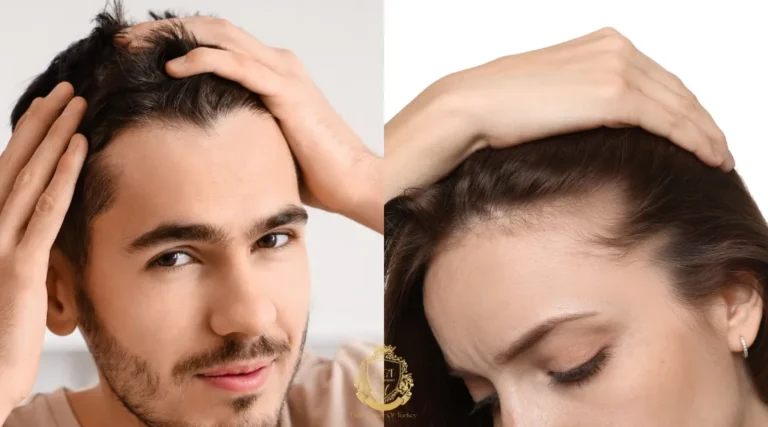


Hair Transplant Clinics In Rome: Best Surgeons, Costs & Procedures Explained
Hair transplants in Rome are typically performed using FUE or DHI under local anesthesia, with results developing gradually over 6–12 months. Total pricing depends mainly on graft count, technique, and who performs each step of the procedure. Choosing a doctor-led clinic with clear aftercare and transparent planning is the safest route.

Table of Contents
Why Rome Is A Popular Choice For Hair Transplant Surgery
Rome combines access to modern private healthcare with the convenience of staying in Italy for consultations, follow-ups, and aftercare.
Many clinics focus on natural hairline design and conservative donor management, which is key for long-term results.
If you’re traveling in, Rome also offers easy flight connections and a wide range of accommodation options.
Hair Transplant Techniques Offered In Rome
FUE Hair Transplant In Rome
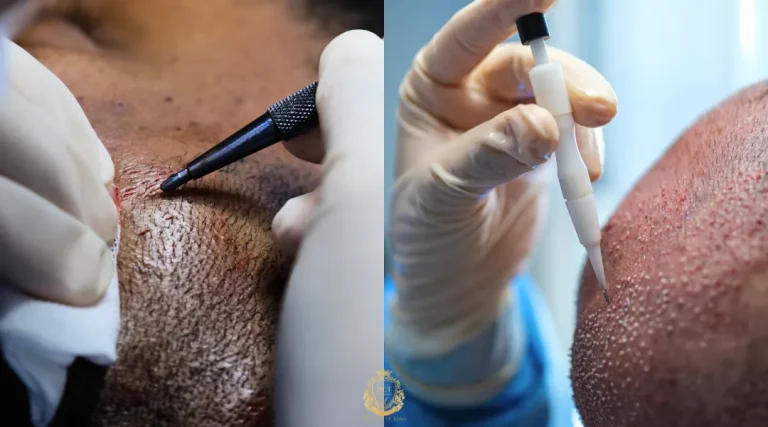
FUE (Follicular Unit Extraction) involves harvesting individual follicular units from the donor area and placing them into thinning areas.
It’s popular because it avoids a linear scar and usually supports a faster return to daily routines.
Final density depends on donor quality, graft survival, and realistic planning.
DHI Hair Transplant In Rome
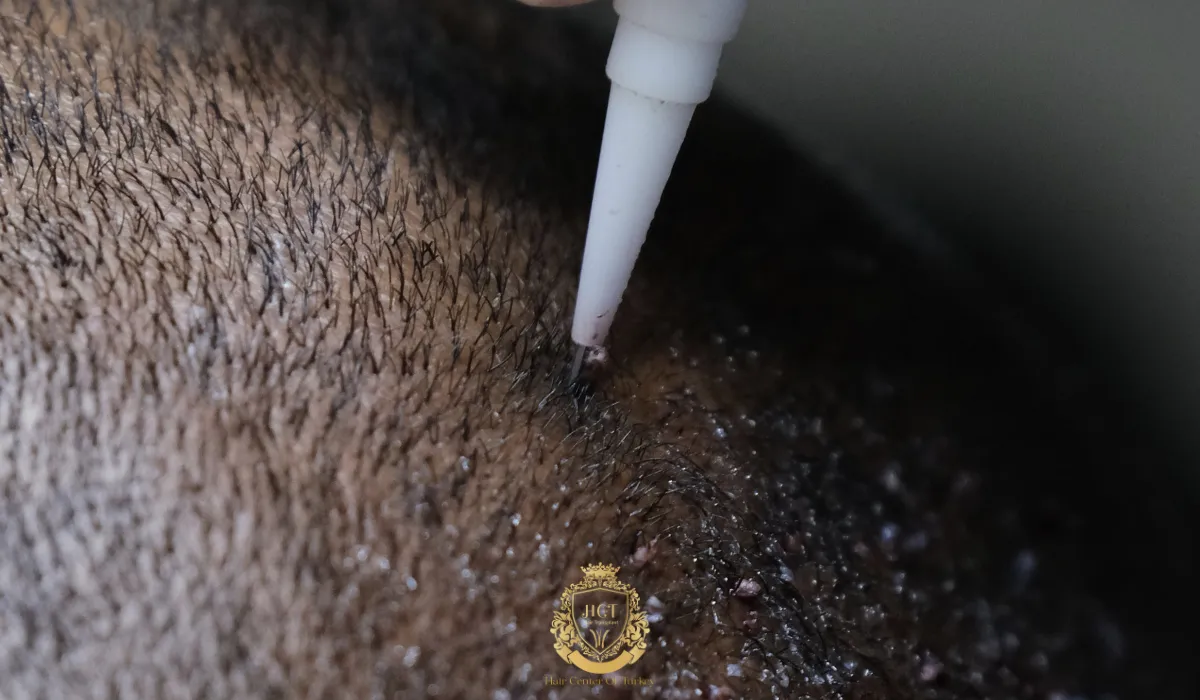
DHI is a direct implantation approach that uses an implanter pen for placement.
The extraction method is similar to FUE, but implantation can offer more control over angle and direction in targeted zones.
It can be a good fit for hairline refinement and smaller-to-medium areas when executed by an experienced team.
FUT Hair Transplant In Rome
FUT (strip surgery) removes a small strip from the donor area and dissects it into grafts.
It can be useful when maximizing graft numbers is a priority, but it typically leaves a linear scar.
Whether it’s appropriate depends on hairstyle preferences, donor characteristics, and surgeon experience.
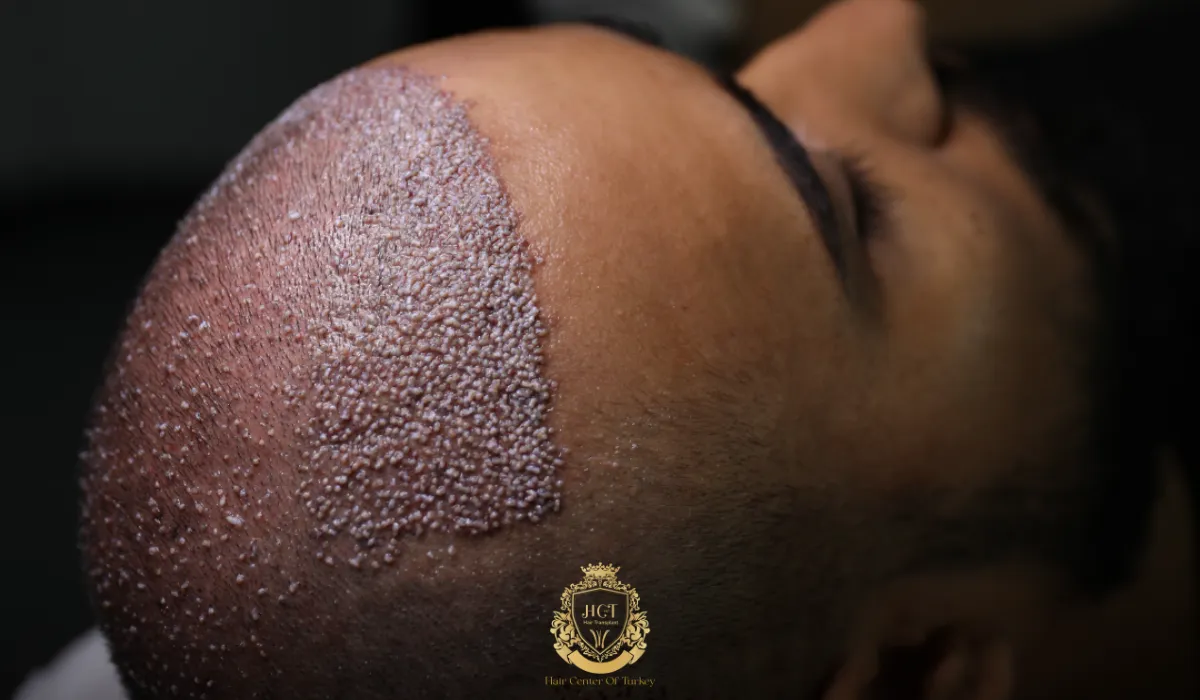
What To Expect During Hair Transplant Surgery In Rome
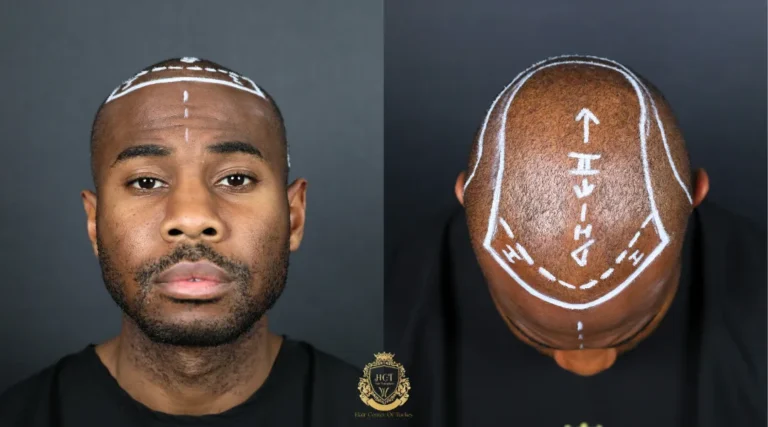
Most clinics start with a detailed consultation, scalp evaluation, and hairline planning.
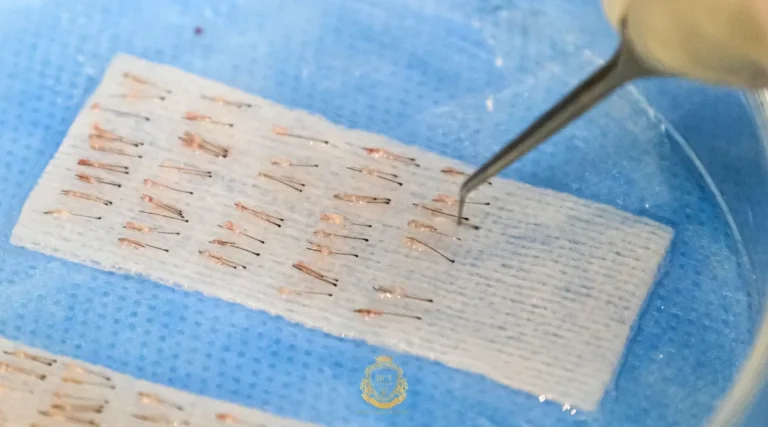
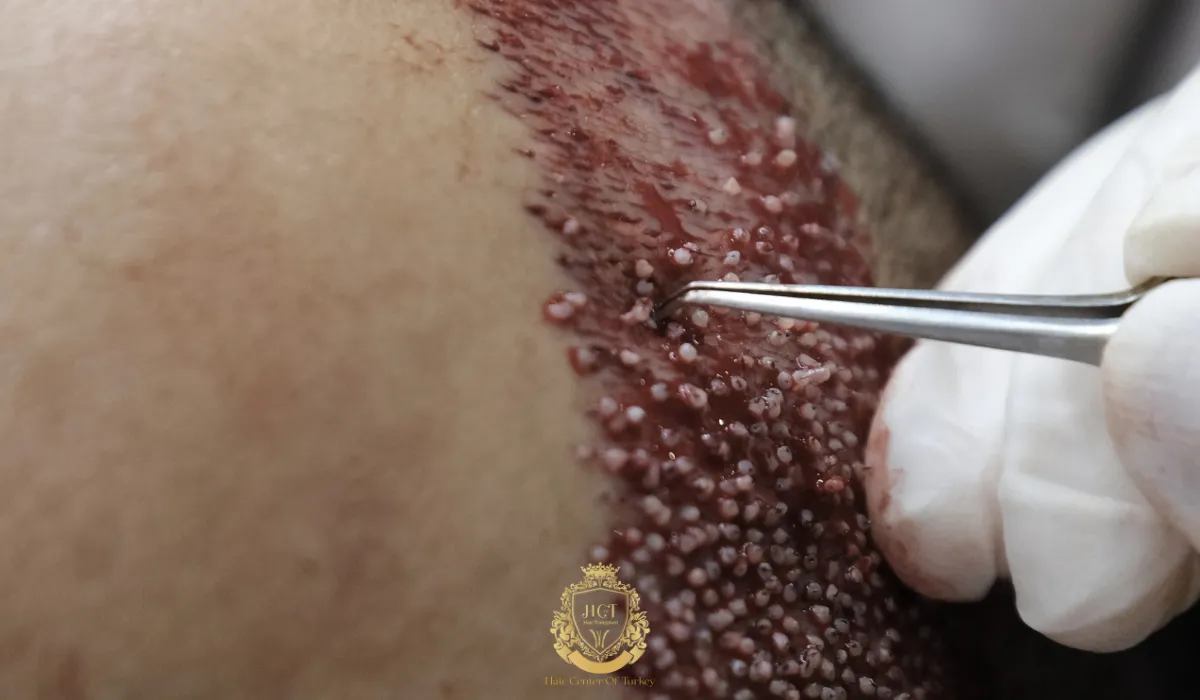
On procedure day, local anesthesia is used, then the team performs extraction, graft preparation, and implantation.
After surgery, you’ll receive washing instructions, swelling guidance, and a follow-up plan for the first 10–14 days.
Hair Transplant Cost In Rome
Pricing varies widely based on graft count, technique, and the clinical model (doctor-led vs technician-heavy).
Europe-wide cost comparisons often place Italy in the mid-to-high range, with commonly cited figures around $5,500–$12,900 for FUE and $6,000–$11,000 for DHI depending on case complexity.
What Changes The Final Price Most
- Number of grafts needed (small hairline touch-up vs full top coverage)
- Technique (FUE vs DHI vs FUT)
- Who performs each step (ask whether the physician extracts and implants)
- Aftercare and follow-ups (included vs charged separately)
How To Choose A Reputable Hair Transplant Clinic In Rome
Look past marketing claims and focus on clinical details.
Ask who will do the extraction and implantation, and request real before/after cases with similar hair type, hair loss pattern, and lighting consistency.
A trustworthy clinic explains expected density, the donor-area limits, and what a “second session” might look like years later.
Clinics With A Rome Presence (Examples, Not A Ranking)
The safest approach is to shortlist clinics that clearly state where they operate and what services they provide in Rome.
A few examples of providers that publicly list Rome services or consultations include:
- Hasci Italia (Rome)
- Advanced FUE Clinic (Italy/Rome)
- Insalaco Clinic (consultation pathway mentioning Rome)
Always confirm the treating doctor, facility location, and the exact team present on your surgery day.
Considering Turkey From Rome: A Common Alternative
Some patients compare Rome with Istanbul because Turkey is known for package-style medical tourism pricing.
As a reference point, some Istanbul clinics advertise all-inclusive packages starting around €2,500–€5,500, often bundling hotel and transfers.
If you explore this route, verify the clinic’s physical address, who performs the procedure, and the medical setting.
Travel And Recovery Tips For Patients Visiting Rome
Plan to stay long enough for the first wash instructions and an early check-in, usually within the first few days.
Keep your schedule light for the first 48 hours, since swelling and tightness are common.
If you want to sightsee, choose calm activities and avoid strong sun exposure, heavy sweating, and anything that risks bumping the grafts.
FAQs On Hair Transplants In Rome
How much does hair transplant surgery cost in Italy?
Typical Italian pricing is about €4,000–€12,000 depending on grafts and technique.
What is the safest country to get a hair transplant?
No single country is safest; choose JCI-accredited clinics with board-certified hair-restoration surgeons.
Which surgeon is best for hair transplant?
No surgeon is universally best; pick an ISHRS-member, board-certified specialist with verifiable results.
What country has the best hair transplant doctors?
No country has the ‘best’ doctors; prioritize regulation, accreditation, and surgeon credentials over location.
Where is the cheapest place to get a hair transplant in the world?
Turkey is often the cheapest major destination, with packages commonly around €1,100–€4,500.
Explore the complete guide: International Hair Transplant Locations