

Causes Of Baldness In Men And Women
Baldness (alopecia) happens for many reasons, but the most common is genetic pattern hair loss (androgenetic alopecia). Hormone shifts, thyroid disease, autoimmune conditions like alopecia areata, stress-related shedding, nutritional gaps, and traction from tight hairstyles can also lead to thinning. The right treatment depends on the cause, so diagnosis matters.
Table of Contents
Why Baldness Happens
Hair is constantly cycling through growth, transition, and shedding phases. When follicles shrink, the growth phase shortens, or shedding increases, hair density drops over time. Some causes are gradual and predictable, while others are sudden and patchy—and those differences help guide the next step.
Genetic Pattern Hair Loss
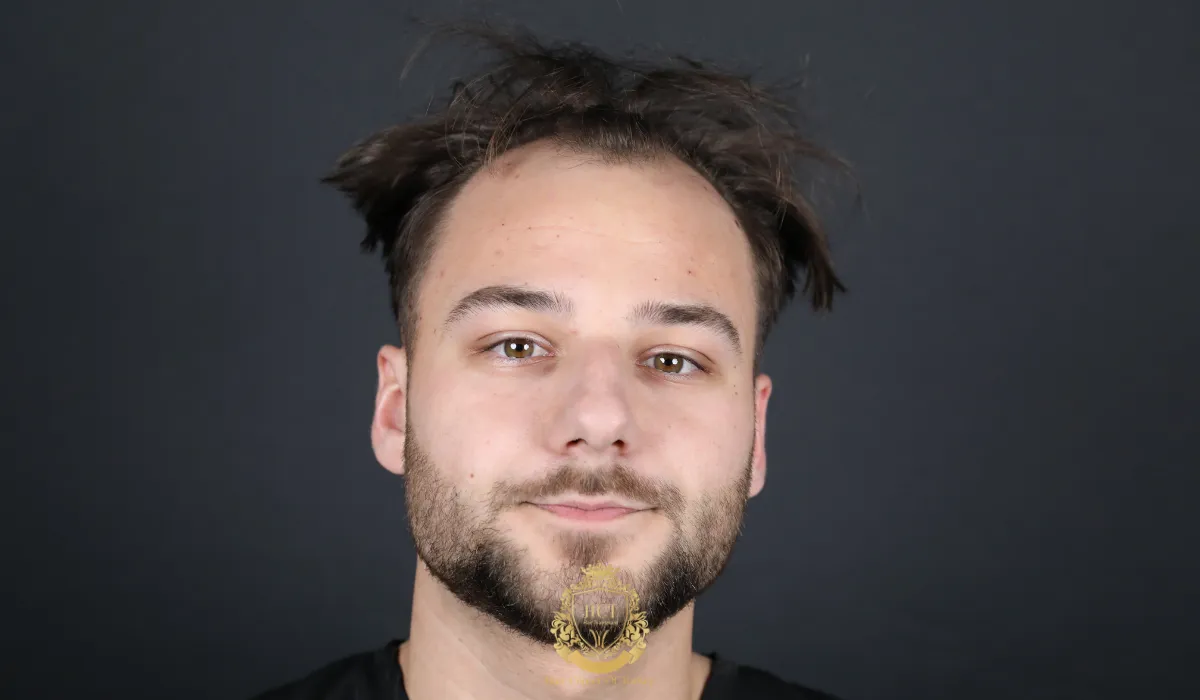
Androgenetic alopecia is the most common cause of long-term thinning in both sexes. It is influenced by genetics and hormone sensitivity, especially to dihydrotestosterone (DHT). Over time, susceptible follicles miniaturize, producing finer hairs until they may stop producing visible hair.
How It Looks In Men
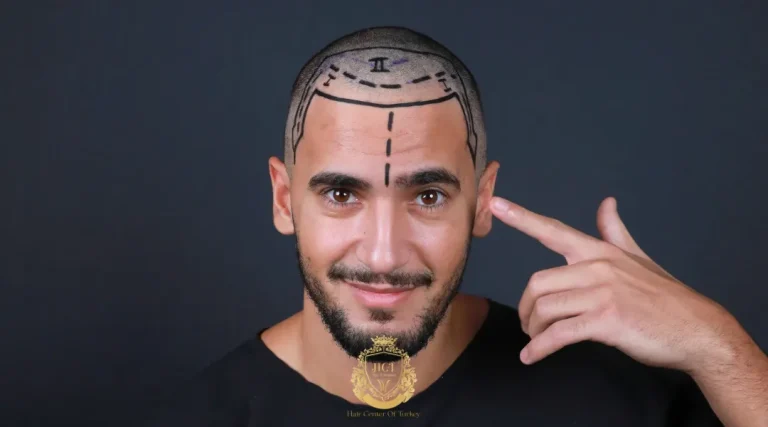
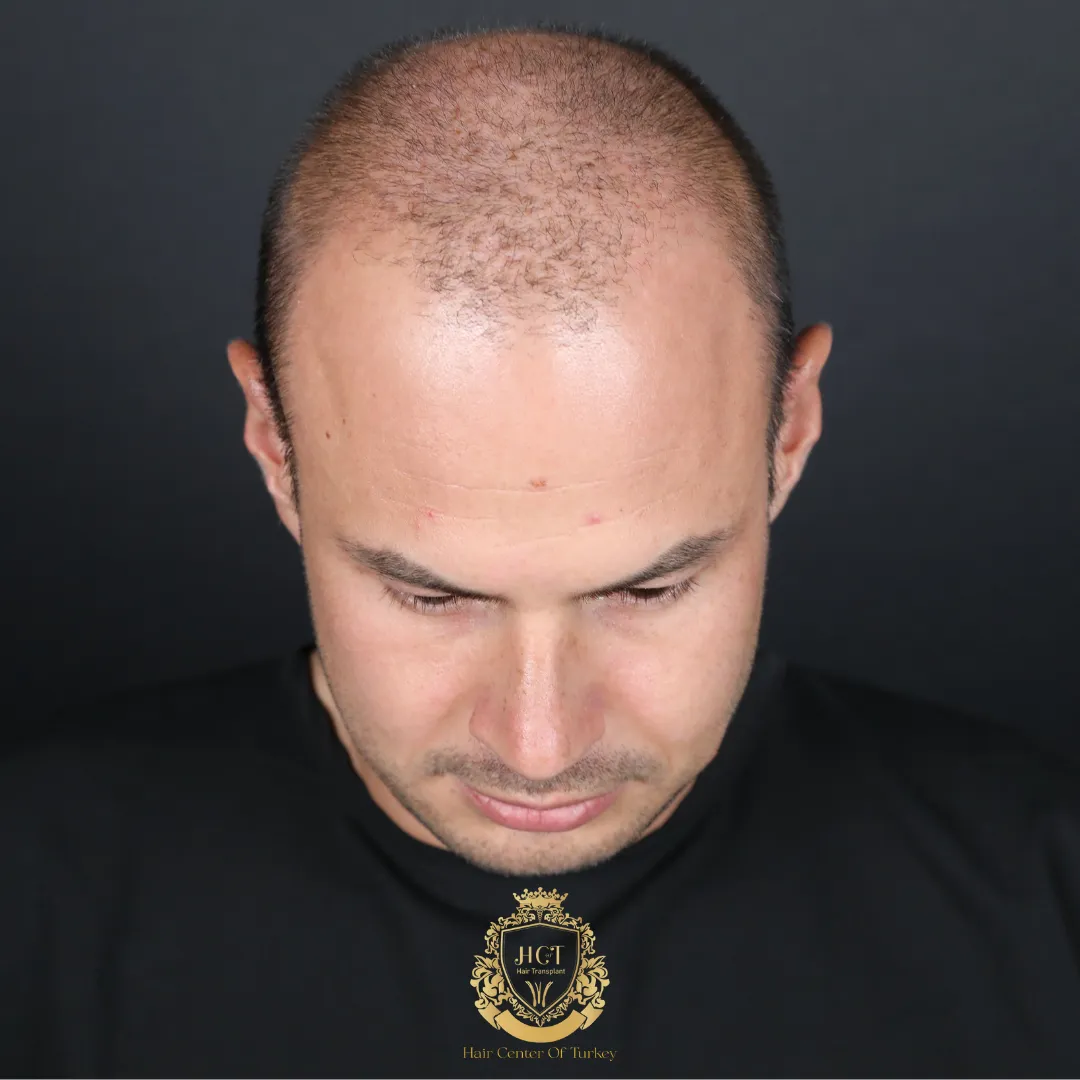
Male pattern hair loss often starts with recession at the temples and thinning at the crown. The pattern typically progresses slowly over years. Early treatment can help slow miniaturization and protect existing hair.
How It Looks In Women
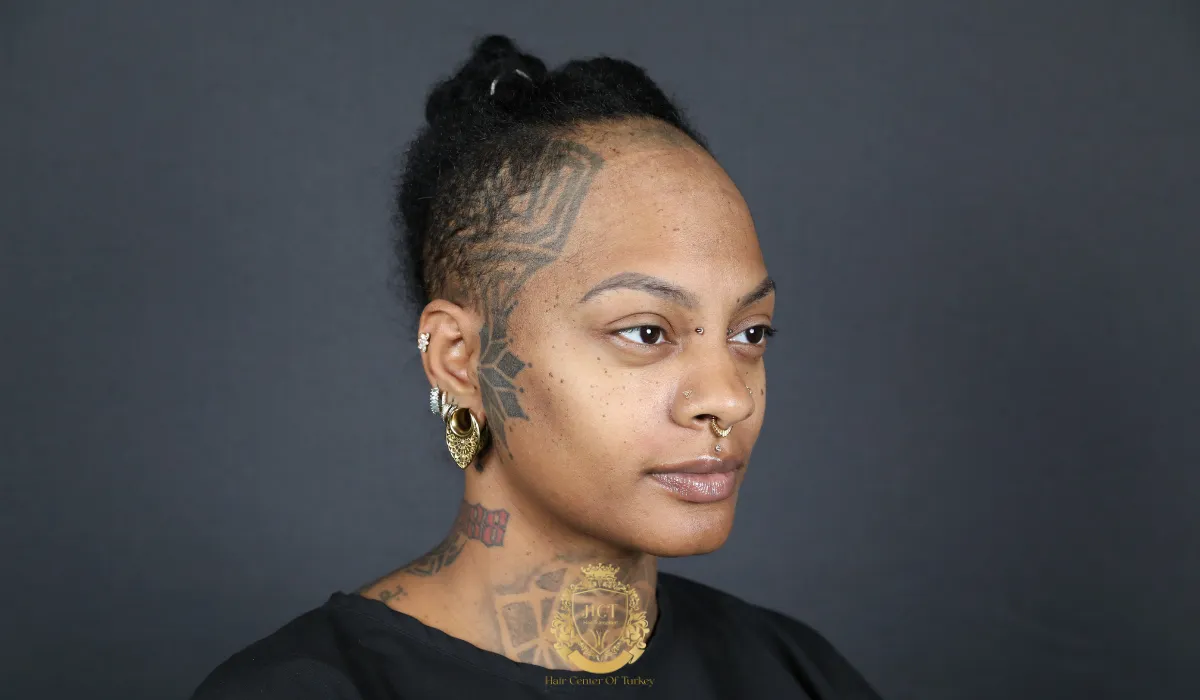
Female pattern hair loss is more often a diffuse reduction in density over the top and part line, rather than a receding hairline. Complete baldness is uncommon, but the cosmetic impact can still be significant. Many women notice it around hormonal transitions, though it can start earlier.
Hormonal And Medical Causes
Not all thinning is genetic. Hormone changes and medical conditions can shift follicles into a shedding phase or alter the quality of the hair shaft. Treating the underlying issue often improves shedding, even if it does not fully reverse long-standing miniaturization.
DHT Sensitivity
DHT is a byproduct of testosterone that can bind to receptors in susceptible follicles and contribute to progressive thinning. This is why treatments that reduce DHT or block its effect are commonly discussed for androgenetic alopecia. A clinician can help decide what is appropriate based on sex, age, and health history.
Menopause And Postpartum Changes
Estrogen and progesterone help support the hair growth cycle. After menopause, or after pregnancy when hormone levels shift, some people notice increased shedding or overall thinning. If the shedding is sudden or heavy, it is worth ruling out iron deficiency and thyroid issues, since these can overlap.
Thyroid Disorders
Both hypothyroidism and hyperthyroidism can cause diffuse shedding and changes in hair texture. If hair loss comes with fatigue, weight changes, heat/cold intolerance, or changes in heart rate, thyroid testing may be part of a sensible work-up. Hair often improves once thyroid levels are controlled, though it can take months.
Autoimmune Hair Loss
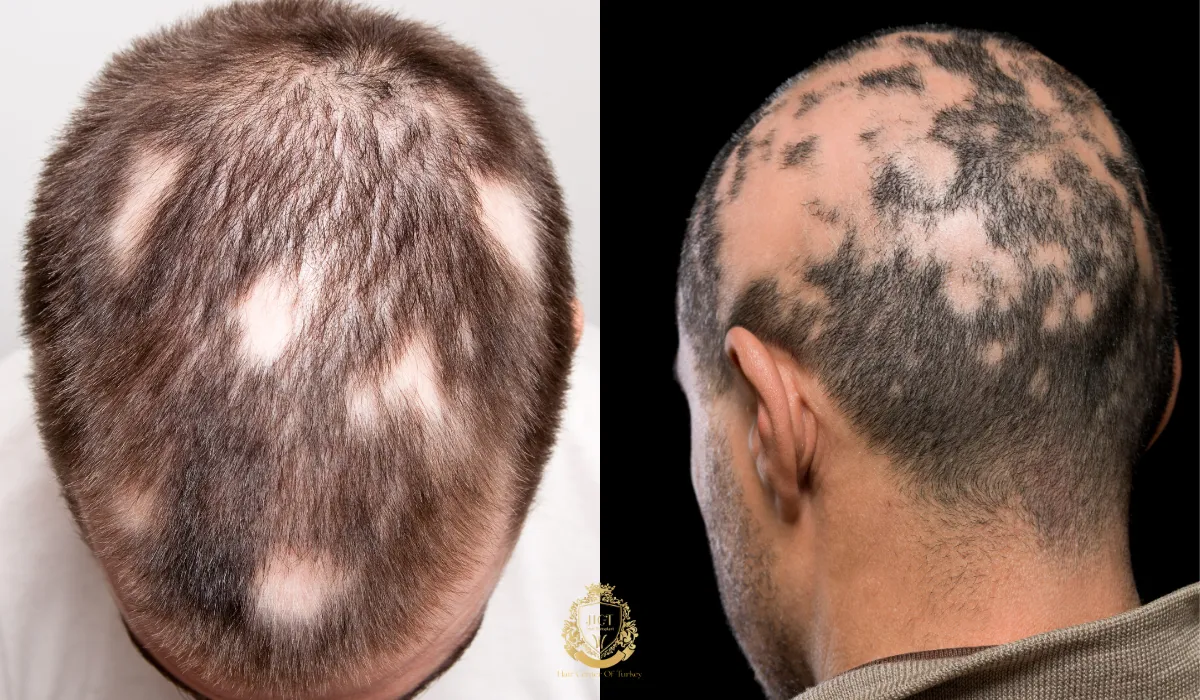
Alopecia areata can cause sudden, round or oval patches of hair loss and may affect the scalp, beard, or eyebrows. The scalp usually looks smooth, though itching or tingling can occur. Because autoimmune hair loss has different treatments than pattern thinning, diagnosis by a dermatologist is important.
External And Lifestyle Factors
Daily habits do not usually create genetic baldness, but they can worsen shedding, trigger inflammation, or cause breakage that makes hair look thinner. These factors are especially relevant when hair loss starts suddenly or is paired with scalp symptoms like itch, scale, or tenderness.
Stress-Related Shedding (Telogen Effluvium)
Major stressors—illness, surgery, rapid weight loss, or intense emotional stress—can push more follicles into the shedding phase. Shedding often begins 2–3 months after the trigger and can last several months. The good news is that it is usually reversible once the trigger resolves and the body stabilizes.
Nutritional Deficiencies
Low iron, low vitamin D, inadequate protein intake, and other deficiencies can contribute to shedding and brittle hair. Supplements help most when they correct a real deficiency, not when taken “just in case.” If your diet has been restricted or you have heavy menstrual bleeding, lab testing may be appropriate.
Traction And Chemical Damage
Tight hairstyles such as braids, ponytails, extensions, and constant tension can lead to traction alopecia, especially along the hairline. Heat styling and harsh chemical processing can also damage the hair shaft, causing breakage that mimics thinning. Changing styling habits early can prevent permanent loss in tension-prone areas.
Scalp Conditions And Inflammation
Dandruff (seborrheic dermatitis), psoriasis, contact dermatitis, and fungal infections can cause itch, scaling, and shedding. When the scalp is inflamed, hairs may shed more easily and regrowth can be slower. Persistent itch, pain, oozing, or patchy loss should be assessed rather than treated only with cosmetic products.
How To Figure Out The Cause
Start by noticing the pattern: gradual thinning over years points toward genetic causes, while sudden diffuse shedding may suggest telogen effluvium, illness, or deficiency. Patchy loss, scalp scaling, or eyebrow/beard involvement can suggest autoimmune or inflammatory causes. A dermatologist may use a scalp exam, dermoscopy, pull test, and targeted blood tests when indicated.
Treatment And Prevention Options
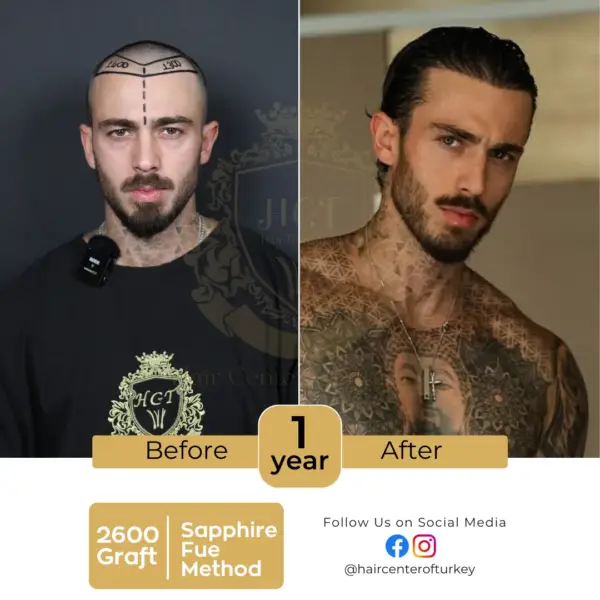
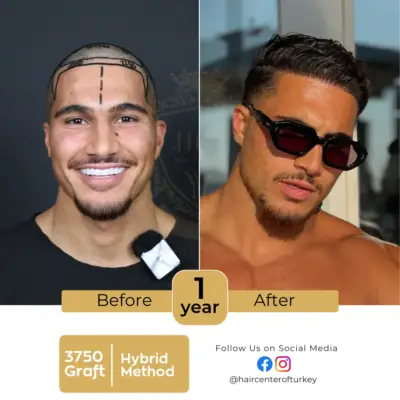
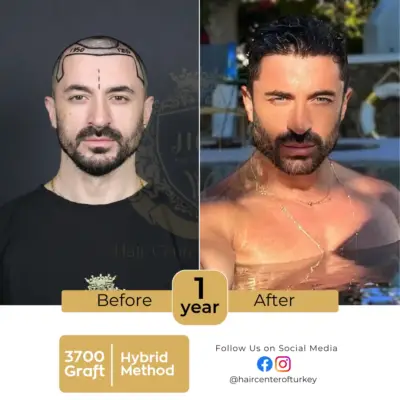
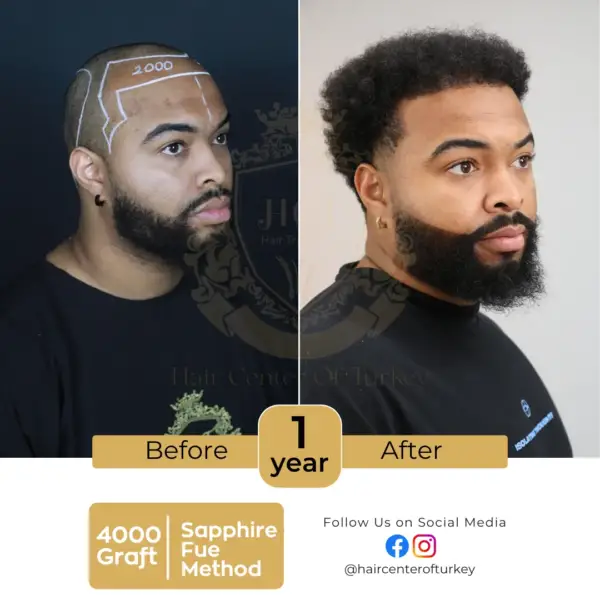
Treatment depends on the diagnosis. For genetic pattern loss, topical minoxidil and prescription options may help slow progression and improve density. For inflammatory scalp conditions, medicated shampoos or anti-inflammatory treatments can reduce shedding triggers. Hair transplant surgery is an option for selected patients with stable donor supply and realistic expectations.
When To Seek Medical Advice
Get professional input if hair loss is sudden, patchy, or paired with scalp pain, thick scaling, pus, fever, or rapid worsening. It is also worth booking an evaluation if shedding persists beyond a few months, if you are losing eyebrow/beard hair, or if you have symptoms that suggest thyroid disease or anemia. Early diagnosis usually makes treatment simpler.
FAQs
What is the most common cause of hair loss in men and women?
Androgenetic alopecia is the most common cause in both men and women.
What causes male baldness in females?
Female pattern hair loss is usually androgen-related genetics, sometimes worsened by hormonal disorders.
Why do females start to go bald?
Genetics plus aging and hormonal shifts (postpartum, menopause) commonly trigger female pattern thinning.
Why does baldness not occur in females?
It does occur; estrogen and pattern differences make complete baldness less common.
Which organ is linked to hair loss?
Thyroid gland dysfunction is commonly linked to diffuse hair shedding.
What is the Big 3 for hair loss?
Finasteride, minoxidil, and ketoconazole shampoo are the common “Big 3”.
Explore the complete guide: Hair Loss Types and Causes