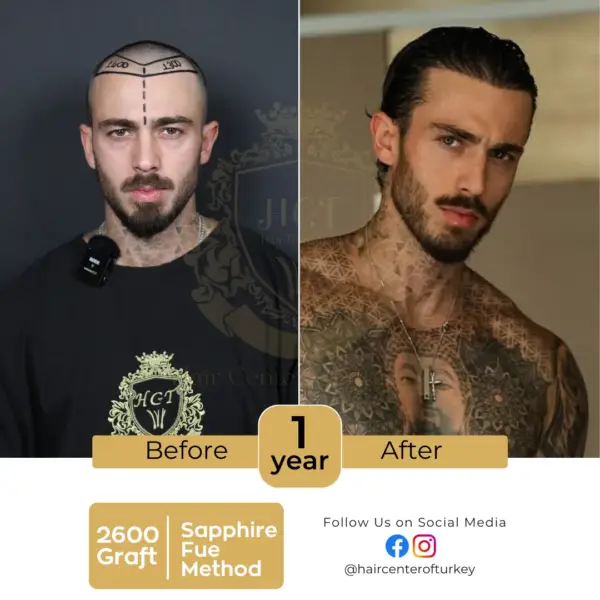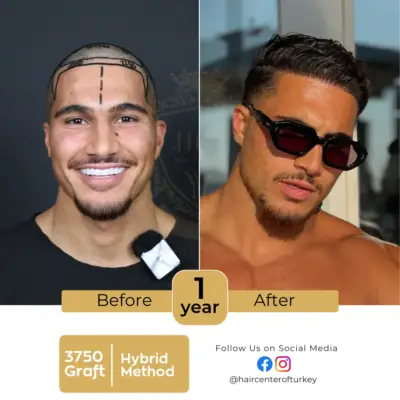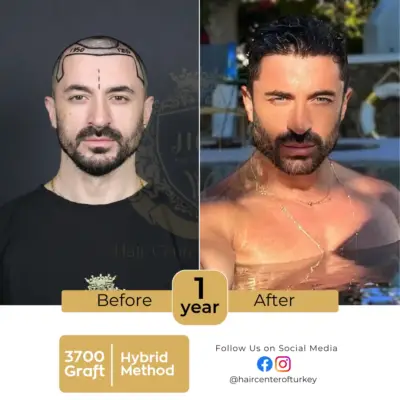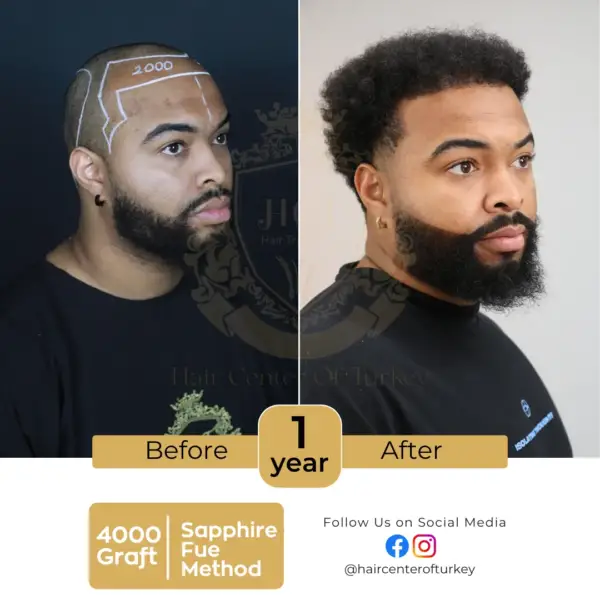






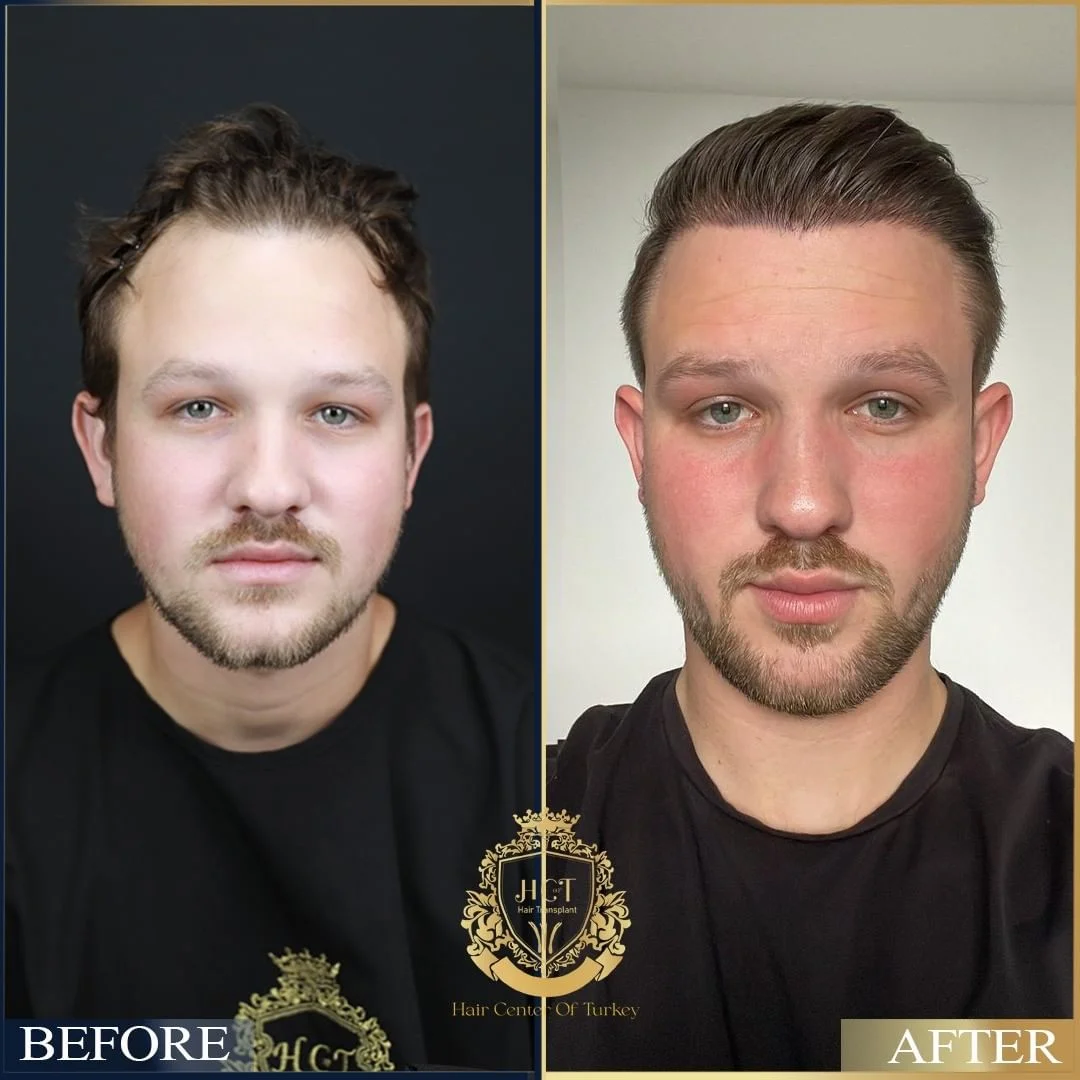
Can Diabetic Patients Get Hair Transplants?
Yes—many people with diabetes can have a hair transplant when their blood sugar is well controlled and their doctor clears them for a minor surgical procedure. The main concerns are slower wound healing and a higher infection risk if glucose is poorly managed. A pre-op evaluation and careful aftercare make outcomes more predictable.
Table of Contents
Understanding Diabetes And Surgical Healing
Diabetes affects how your body uses glucose and can influence circulation, inflammation, and the immune response. When blood sugar runs high for long periods, small blood vessels and nerves may be damaged, which can slow healing. This is why clinics take extra precautions with diabetic patients, even for minimally invasive procedures like FUE hair transplantation.
Can People With Diabetes Get A Hair Transplant?
Diabetes is not an automatic reason to rule out hair transplantation. Many patients with stable blood sugar levels and no advanced complications heal well and achieve strong graft survival. The goal is to reduce avoidable risks by planning the procedure around your overall health and day-to-day glucose control.
What Doctors Check Before Approving A Hair Transplant
Expect a medical history review that covers medications, recent glucose readings, and diabetes-related complications. Clinics commonly ask for recent lab results such as HbA1c and may request clearance from your endocrinologist or primary care doctor. Your surgeon will also evaluate scalp health, donor hair quality, and whether you are likely to heal normally after small incisions.
Key checks often include:
- Recent HbA1c and a review of typical home glucose readings
- Blood pressure and cardiovascular risk assessment when relevant
- Medication plan for the procedure day (insulin/oral meds, meals, hydration)
- Any history of slow healing, infections, or diabetic foot/skin ulcers
- Scalp examination for dermatitis, folliculitis, or other active skin issues
Type 1 Vs Type 2 Diabetes: Does It Matter?
Both type 1 and type 2 diabetes can be compatible with hair transplantation when managed well. Type 1 patients often need more careful day-of-procedure planning because insulin dosing must match fasting and stress responses. Type 2 patients may need medication adjustments and a review of cardiovascular risk factors, especially when diabetes has been present for many years.
How To Prepare For A Hair Transplant If You Have Diabetes
Share a complete medication list, including insulin, oral diabetes medications, and supplements. Follow your clinician’s instructions about fasting, medication timing, and meal planning for the day of the procedure. If you smoke, stopping before and after surgery can meaningfully improve blood flow and healing.
Aftercare And Healing Tips For Diabetic Patients
Follow the washing, sleeping, and activity instructions exactly, because small disruptions can trigger irritation and prolong healing. Keep glucose in your usual target range, since unstable readings can increase inflammation and slow recovery. Contact your clinic promptly if you notice increasing redness, swelling, warmth, discharge, fever, or unusual pain.
When A Hair Transplant May Need To Be Delayed
A clinic may recommend postponing if diabetes is poorly controlled, if you have frequent hypoglycemia, or if there are signs of active infection. Advanced complications—such as severe peripheral vascular disease, kidney disease, or uncontrolled blood pressure—may also change the risk profile. In these cases, improving medical stability first usually leads to a safer procedure and better cosmetic results.
Choosing A Clinic And Setting Expectations
Look for a clinic that performs a structured medical screening and is comfortable coordinating with your doctor. Ask who will monitor vital signs, how sterility is handled, and what the plan is if your glucose runs high or low during the visit. If you are considering a procedure in Turkey, Hair Center of Turkey highlights medical oversight and follow-up care as part of its patient pathway.
Frequently Asked Questions
Can a diabetic patient go for a hair transplant?
Yes, if diabetes is well controlled and your surgeon clears you medically.
Can diabetes affect hair loss?
Yes, diabetes can worsen shedding via poor circulation, inflammation, and hormonal/autoimmune issues.
What disqualifies you from a hair transplant?
Uncontrolled diabetes, active scalp disease, bleeding disorders, and insufficient donor hair can disqualify.
Is Rogaine safe for diabetics?
Usually yes; topical Rogaine has no diabetes-specific contraindication, but consult your clinician.
What transplant do diabetics get?
Diabetics typically get standard FUE or FUT once glucose is controlled and cleared.
Can metformin cause hair thinning?
Metformin rarely causes thinning directly; long-term use may trigger B12 deficiency-related shedding.