

Differences Between Permanent and Temporary Hair Dye
Permanent hair dye changes color from inside the hair shaft and is made to last until your hair grows out. Temporary hair dye sits on the surface and rinses away in a few washes. The right choice depends on your goal—gray coverage and long wear vs. low-commitment experimenting and minimal processing.
What Permanent And Temporary Hair Dye Means
Permanent Hair Dye
Permanent dye uses an oxidative process to deposit color inside the hair shaft. It can darken hair, cover grays well, and—depending on the formula—may also lighten natural pigment. Because it alters the inner structure, new growth at the roots will still appear over time.
Temporary Hair Dye
Temporary dye coats the outside of the hair with color pigments. It’s designed for short-term changes, quick touch-ups, or event looks, and it usually fades with shampooing. Since it doesn’t significantly change the inside of the hair, results can be subtler on darker hair.
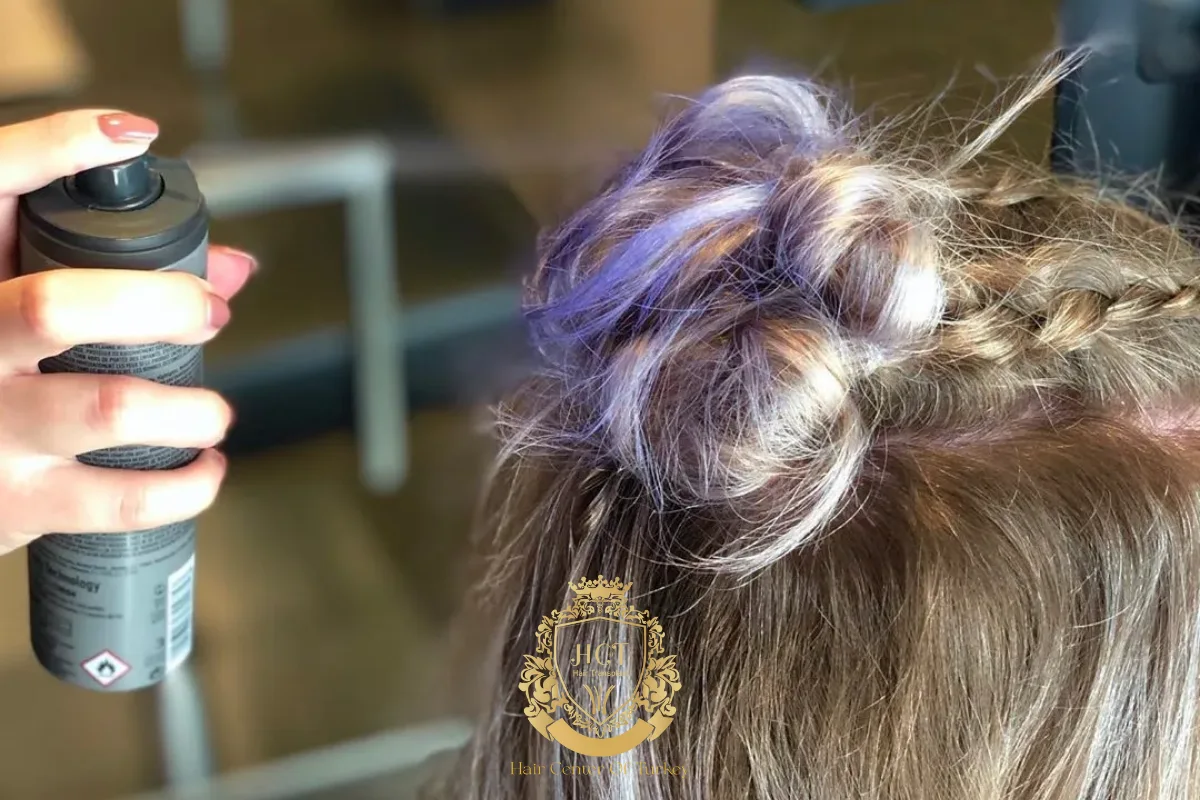
Table of Contents
Key Differences Between Permanent And Temporary Hair Dye
Longevity
Permanent dye typically lasts until it grows out, with noticeable root regrowth in a few weeks. Temporary dye generally fades within 1–8 washes, depending on the product type, hair porosity, and your wash routine.
How The Color Works
Permanent dye opens the cuticle and forms larger color molecules inside the hair. Temporary dye mainly stains or coats the cuticle layer, so the pigment releases more easily during washing.
Ingredients And Processing
Many permanent dyes rely on developer (hydrogen peroxide) and alkalizing agents to drive the color reaction, which is why they’re more “processing” than temporary options. Temporary dyes often skip developer and focus on direct pigments, though the exact formula varies by brand.
Coverage And Shade Control
Permanent dye is the go-to for full gray coverage and bigger shade shifts. Temporary dye works well for tone changes, fashion colors on pre-lightened hair, or adding a hint of color without long-term commitment.
Maintenance
With permanent dye, maintenance usually means root touch-ups and color-safe care to keep the shade looking fresh. With temporary dye, maintenance is mostly about how often you wash—less washing and cooler water usually means slower fading.
Which Type Fits Your Hair Type
Hair condition matters as much as your desired color. Use these as general guidelines, then adjust based on your hair’s porosity, previous color, and scalp sensitivity.
Dry Or Damaged Hair
Temporary dyes are often the gentler starting point because they don’t require as much processing. If you need permanent color, consider spacing out color sessions and prioritizing repair and moisture between appointments.
Healthy, Strong Hair
Permanent dye tends to perform more predictably on resilient hair, especially if you want long wear. Temporary dye still works, but it may wash out faster if the cuticle is very smooth and low-porosity.
Fine Hair
Temporary dye can reduce the risk of feeling rough or brittle after coloring. If you choose permanent dye, a professional application and a protective routine can make a noticeable difference.
Gray Hair
Permanent dye generally covers gray strands more reliably. Temporary dyes may blend grays slightly, but they usually won’t deliver uniform coverage.
How Each Type Can Affect Hair Health
Any hair color change can alter how your hair feels, especially if you bleach or repeatedly recolor. The difference is the level of processing.
Permanent dye can leave hair feeling drier or less elastic, particularly if you lighten, overlap color, or already have porous ends. Conditioning treatments, gentle cleansing, and heat protection help keep hair smoother.
Temporary dye usually causes less structural stress because it sits on the surface. Still, some temporary products can be drying if they contain alcohol or heavy fragrance, so ingredient lists and patch testing matter.
How To Apply Permanent Hair Dye
At-home kits can work for small shade changes, but big corrections and lightening are safer with a professional colorist.
Quick Steps
Do a patch test and strand test as directed on the box.
Protect your hairline with a barrier cream and wear gloves.
Apply evenly, starting where you need the most coverage (often the roots or grays).
Rinse thoroughly, then condition well and avoid harsh shampoo for the first 24–48 hours.
How To Apply Temporary Hair Dye
Temporary dye is usually faster and easier to control, especially for a one-day look.
Quick Steps
Start with clean, dry hair unless the product instructions say otherwise.
Apply the product (spray, foam, rinse, shampoo, chalk) in thin layers for even coverage.
Let it dry fully before touching clothing or pillowcases.
Wash out gradually over the next few shampoos.
Tips To Make Color Last Longer And Look Better
Use sulfate-free or color-safe shampoo when possible and wash less often.
Rinse with cooler water and limit hot tools; heat can speed up fading.
Deep-condition regularly, especially after permanent color.
Protect hair from sun and chlorine, which can shift tones and dull shine.
FAQs
Is temporary hair dye better than permanent?
Temporary dye is better for low-commitment, lower-damage color changes.
How long does temporary permanent hair dye last?
It typically lasts 4–6 weeks, fading over 20–30 shampoos.
What are the disadvantages of permanent hair dye?
Permanent dye can cause dryness, breakage, scalp irritation, allergies, and frequent root touch-ups.
What is the healthiest way to dye your hair?
Choose ammonia-free, fragrance-free dye, patch-test, and condition; consider highlights or pure henna.
How damaging is temporary hair dye?
Temporary dye is minimally damaging, mainly causing dryness from alcohol or detergents.
Will my hair go back to normal after temporary dye?
Yes, hair returns to normal as dye washes out, unless pre-bleached.
Explore the complete guide: Hair Styling and Color