

What Are The Natural Remedies To Reduce Hair Loss?
Natural remedies can help reduce hair loss when shedding is triggered by stress, poor nutrition, or scalp irritation. Focus on protein and key nutrients, gentle scalp care, and simple habits that reduce breakage. Essential oils and herbal treatments may support comfort for some people, but persistent thinning needs a proper diagnosis and targeted treatment.
Table of Contents
Why Hair Loss Happens In The First Place
Hair loss is rarely caused by one factor. Genetics, hormonal shifts, nutrient deficiencies, stress, illness, and scalp inflammation can all affect the hair growth cycle.
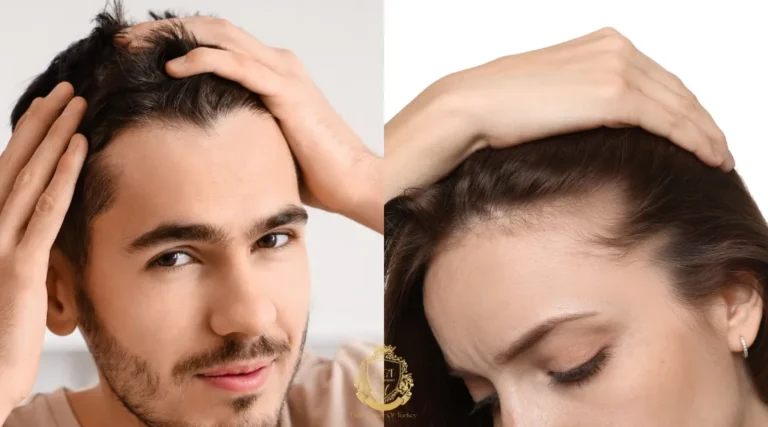
A bit of daily shedding is normal, but ongoing heavy shedding, widening of the part, or patchy loss can signal a deeper issue. The most helpful “natural” plan starts with understanding what is driving the change.
What Natural Remedies Can And Can’t Do
Natural options are best at supporting scalp comfort and reducing breakage. They can also help when shedding is linked to temporary triggers such as stress, dieting, or irritation.
They are less reliable for hereditary-patterned hair loss, where follicles gradually miniaturize over time. If thinning is progressing, pairing supportive care with medical evaluation usually gives better results than relying on home remedies alone.
Diet Changes That Support Healthier Hair
A nutrient-rich diet supports the follicles and the hair shaft. Prioritize protein at most meals because hair is primarily made of keratin.
Iron, zinc, vitamin D, and vitamin B12 are common nutrients linked to shedding when levels are low. It’s safer to test first and supplement only when a deficiency is confirmed, rather than stacking “hair gummies.”
Omega-3 fats from foods such as fatty fish, walnuts, and flaxseed can support scalp comfort for some people. Hydration also matters, especially in hot weather or when you exercise frequently.
Scalp Care Habits That Reduce Shedding And Breakage
Keep The Scalp Clean And Calm
Cleanse often enough to prevent heavy oil, sweat, and product buildup. A comfortable scalp is easier to manage and less likely to itch or inflame.
If you have persistent flakes, redness, or burning, treat the scalp condition first. Dandruff, dermatitis, and folliculitis can worsen shedding and make styling uncomfortable.
Be Gentle With Styling
Tight hairstyles, frequent heat styling, and harsh chemical treatments weaken the hair shaft and increase breakage. Choose looser styles, reduce heat, and avoid aggressive brushing.
Detangle with a wide-tooth comb, starting at the ends and moving upward. If hair is fragile, comb through conditioner on wash days rather than brushing dry knots.
Essential Oils For Hair Loss: How To Use Them Safely
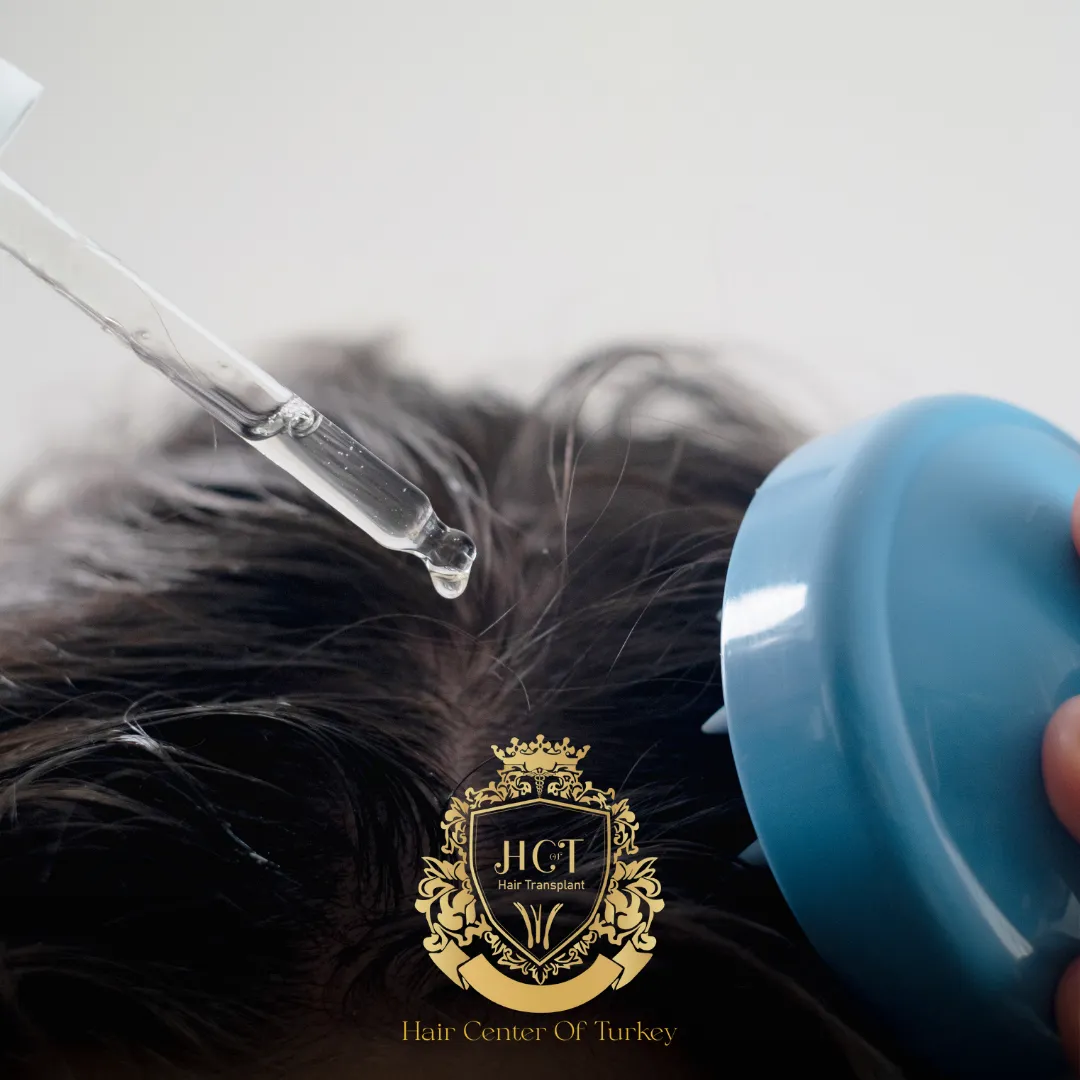
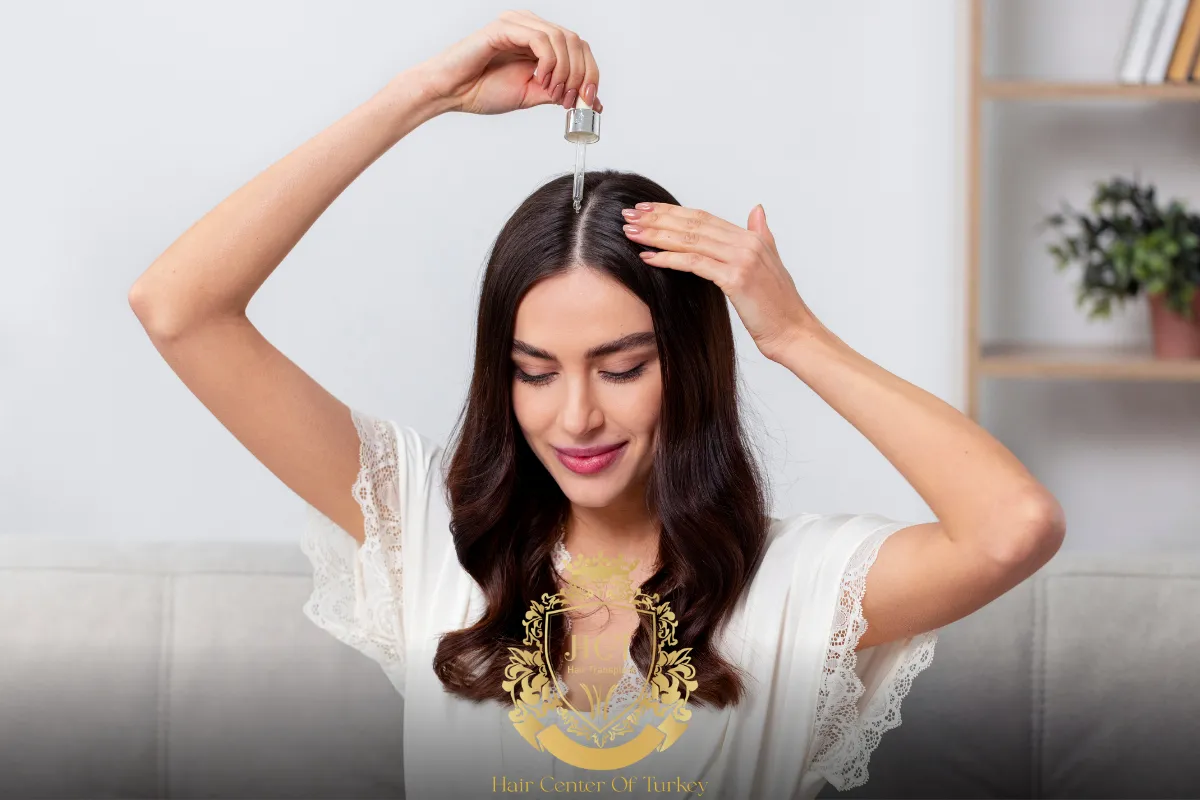
Some people use rosemary, peppermint, or lavender oil for scalp comfort and a feeling of improved circulation. Results vary, and these oils are not a stand-alone treatment for genetic thinning.
Always dilute essential oils in a carrier oil such as jojoba, argan, or coconut oil. Patch-test first, avoid contact with eyes, and stop if you develop burning or a rash.
If you’ve had a hair transplant or you have an irritated scalp, avoid essential oils until your clinician confirms it is safe to apply topicals.
Herbal And Natural Topicals People Commonly Try
Aloe Vera
Aloe vera can soothe a dry or irritated scalp for some people. Use a small amount, leave it on briefly, and rinse well to avoid buildup.
Green Tea Rinse
Green tea contains antioxidants and can be used as a gentle rinse. Brew, cool fully, apply after shampooing, and rinse again if your scalp feels sticky.
Ginseng And Botanical Extracts
Ginseng and other botanical ingredients are often included in scalp serums. They may improve scalp feel, but they should be viewed as supportive care rather than a guaranteed regrowth solution.
Daily Habits That Naturally Support Hair Growth
Stress management can make a real difference when shedding follows a stressful period. High stress can trigger telogen effluvium, a temporary shift where more hairs enter the shedding phase.
Aim for consistent sleep, regular movement, and a routine you can maintain. Avoid rapid weight-loss plans, since sudden calorie restriction is a common trigger for increased shedding.
How Long Do Natural Remedies Take To Work?
Hair changes move slowly because of the growth cycle. If a remedy is helping by reducing irritation or breakage, you may notice better texture and less snapping within a few weeks.
Shedding patterns often take 8–12 weeks to improve, and density changes can take 3–6 months. If there is no progress over time, reassessment is worth it.
When To See A Professional
Get evaluated if hair loss is patchy, painful, sudden, or paired with scalp redness and thick scaling. It’s also worth checking if shedding lasts longer than 8–12 weeks or if you notice widening of the part or crown thinning.
A clinician can rule out iron deficiency, thyroid issues, hormonal shifts, scalp inflammation, and hereditary-patterned hair loss. A clear diagnosis helps you choose the right treatment and avoids unnecessary supplements.
FAQ
What is the best natural remedy for hair loss?
No single proven remedy; adequate protein/iron and gentle care may reduce shedding.
How do I stop losing my hair naturally?
Address triggers: treat dandruff, manage stress, avoid tight styles, ensure iron/protein intake.
What vitamin am I lacking if my hair is falling out?
Vitamin D deficiency is common; also check iron, B12, zinc, and thyroid.
What are the big 3 to prevent hair loss?
Finasteride, topical minoxidil, and ketoconazole shampoo are the common “Big 3” regimen.
Can I regrow my lost hair naturally?
Sometimes; telogen shedding can recover, but pattern baldness rarely regrows without medications.
Explore the complete guide: Hair Loss Treatments