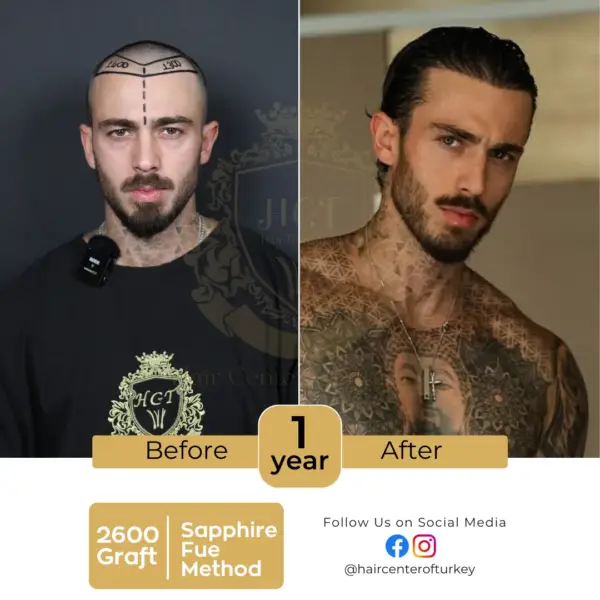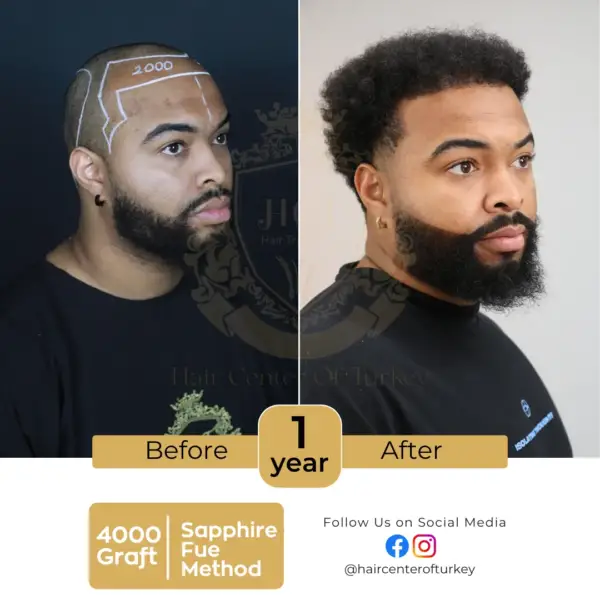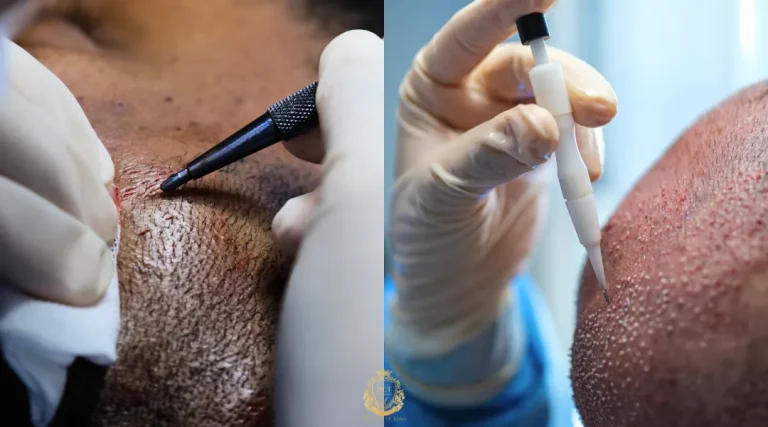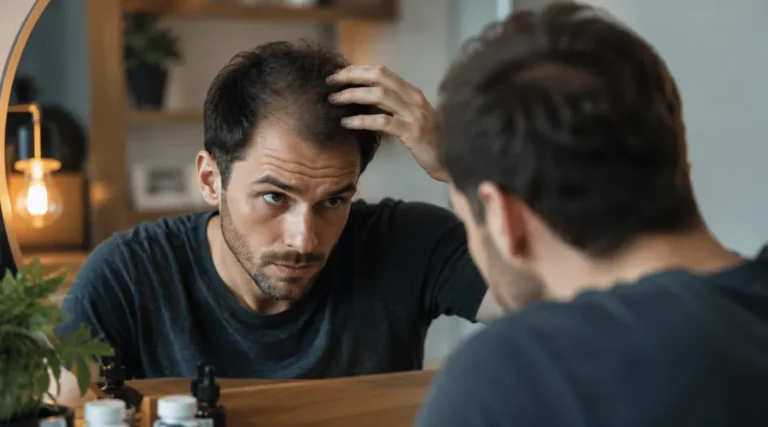


Hair Center of Turkey has focused on hair restoration since 2014, with a team of three doctors who together perform more than 3,000 procedures a year. That experience shapes how we read pubic hair loss: we work to pin down the exact cause — hormonal, dermatological, nutritional, or autoimmune — before suggesting any treatment, since each one calls for a different response.
Table of Contents
Quick Answer
- Main causes: Aging, hormonal changes, skin conditions like eczema or psoriasis, infections including STIs, autoimmune diseases such as alopecia areata, chronic stress, nutrient deficiencies, and medication side effects.
- Warning signs: Sudden or patchy loss, especially with itching, sores, pain, or a change in skin color, points to an underlying problem rather than normal thinning.
- Diagnosis: A physical exam and medical history, sometimes backed by blood tests, a skin swab, or a small biopsy.
- Treatment: Treat the root cause first — hormone therapy, topical creams, antimicrobials, or lifestyle changes. Hair restoration is considered only in resistant cases.
- Expert help: At Hair Center of Turkey, doctors assess pubic hair loss as part of a full medical evaluation rather than in isolation.
What Causes Pubic Hair Loss?
Pubic hair loss is often linked to aging and hormone changes, but it can also follow irritation from hair removal, skin conditions like eczema or psoriasis, infections, stress, nutrient deficiencies, medications, or autoimmune diseases such as alopecia areata. If hair loss is sudden, patchy, painful, or comes with sores or itching, a clinician can help identify the cause and treatment.
Understanding Pubic Hair Loss
Some people notice gradual thinning over years, while others experience sudden shedding or patchy loss. The pattern, timing, and any skin changes around the follicles usually offer clues. Because several conditions can look similar, identifying the trigger is the first step toward the right solution.
Common Causes Of Pubic Hair Loss
Aging And Natural Hormone Changes
Hair density can decrease across the body over time, including the pubic area. This is commonly related to lower levels of sex hormones and slower follicle cycling. Gradual, even thinning without redness or pain often fits this pattern.
Hormonal Imbalances
Hormones influence hair growth, thickness, and the length of the growth phase. Shifts or imbalances may cause noticeable thinning, especially when they happen quickly.
- Menopause or perimenopause (often linked to lower estrogen levels)
- Thyroid disorders (overactive or underactive thyroid)
- Polycystic ovary syndrome (PCOS)
- Postpartum hormone changes
Skin Conditions And Ongoing Irritation
Inflammation of the skin around follicles can weaken hairs and increase shedding. Scratching can worsen the cycle and lead to breakage or secondary infection.
- Eczema or contact dermatitis (often triggered by fragranced products, tight clothing, or pads)
- Psoriasis
- Folliculitis (inflamed hair follicles)
Autoimmune And Other Medical Conditions
Some medical conditions affect follicle function or blood flow, which may show up as thinning or patchy loss.
- Alopecia areata (an autoimmune condition that can affect any hair-bearing area)
- Diabetes and circulation-related issues
- Nutrient malabsorption conditions that contribute to deficiencies
Infections, Including Sexually Transmitted Infections
Infections can inflame the skin and damage follicles, leading to shedding. Treatment depends on the specific cause, so proper diagnosis matters.
- Fungal infections (such as tinea/ringworm)
- Bacterial infections
- Certain STIs can be associated with hair loss, especially when symptoms are systemic
Stress, Rapid Weight Changes, And Poor Nutrition
Major stress, illness, surgery, or rapid weight loss can push more follicles into a resting phase, leading to shedding weeks later. Diet also matters because follicles rely on a steady supply of nutrients.
- High stress or a traumatic event (telogen effluvium)
- Low iron, zinc, or vitamin D
- Very low-calorie diets or restrictive eating patterns
Medications And Medical Treatments
Some drugs and treatments can trigger shedding as a side effect. If timing lines up with a new prescription, do not stop medication on your own—ask your clinician about alternatives.
- Chemotherapy and certain cancer treatments
- Some antidepressants
- Hormonal therapies or changes in contraception
Hair Removal, Friction, And Mechanical Damage
Frequent shaving, waxing, or aggressive exfoliation can irritate the skin and inflame follicles. Tight clothing and repetitive friction may also contribute. If irritation is chronic, follicles can struggle to produce strong hair.
Symptoms That Matter
Pubic hair loss is not always a stand-alone issue. These signs can point to an underlying condition that needs treatment:
- Itching, burning, or persistent redness
- Painful bumps, pus, or crusting around follicles
- Scaly patches, thickened skin, or bleeding with scratching
- Patchy bald spots or sudden, rapid shedding
- Sores, blisters, or unusual discharge
How Pubic Hair Loss Is Diagnosed
A clinician may ask about your timeline, hair removal habits, stressors, medications, and recent illness. A skin exam can reveal inflammation, infection, or scarring. Depending on the findings, they may recommend blood tests to check thyroid function and nutrient levels, or take a small skin sample for confirmation in complex cases.

Solutions And Treatment Options
Treat The Root Cause
The most effective approach depends on what is driving the hair loss.
- For infections: targeted antifungal or antibacterial treatment
- For dermatitis or eczema: removing triggers and using appropriate topical therapy
- For hormone-related shedding: medical evaluation and treatment options tailored to your situation
- For autoimmune causes: a dermatologist can discuss evidence-based therapies

Support Healthy Regrowth
Once the cause is addressed, regrowth may take time because follicles cycle slowly. Gentle care helps protect the area while it recovers.
- Use mild, fragrance-free cleansers and avoid harsh scrubs
- Pause waxing and reduce close shaving if irritation is present
- Choose breathable underwear and avoid tight clothing during flare-ups
- Prioritize protein intake and correct proven deficiencies under medical guidance
When Hair May Not Fully Return
If there is scarring, repeated deep infection, or long-term inflammatory disease, follicles can be permanently damaged. Early assessment helps reduce that risk.

When To Seek Medical Advice
Arrange medical evaluation if pubic hair loss is sudden, patchy, or worsening, or if you notice skin changes. Seek urgent care if you have severe pain, spreading redness, fever, or rapidly enlarging sores.
Is Pubic Hair Loss Normal With Age?
Some thinning of pubic hair is a normal part of getting older. Hormone levels drop after menopause in women and decline gradually with age in men, which can leave pubic hair sparser and finer. Sudden or patchy loss, though, is not a normal age change and should be checked by a doctor.
Can Stress Cause Pubic Hair Loss?
Yes. Intense or prolonged stress can push more hairs than usual into the shedding phase — a condition called telogen effluvium. It usually shows up on the scalp first, but it can reach pubic and other body hair too. The shedding is normally temporary and reverses once the stress eases.
When Is Pubic Hair Loss a Sign of an STI?
Pubic hair loss tied to an STI usually comes with other signs: itching, sores, a rash, or visible parasites such as pubic lice. Lice and certain infections can make hair fall out around the affected skin. If hair loss appears alongside any of these symptoms, get tested by a doctor rather than waiting it out.
Medical Disclaimer
This page is for general information only and isn’t a substitute for an in-person exam or personalized medical advice. If your pubic hair loss comes on suddenly, looks patchy, or is painful — or if it doesn’t improve — see a qualified doctor or reach out to Hair Center of Turkey for an evaluation.
Frequently Asked Questions
Is it normal for your pubic hair to fall out?
Mild pubic hair shedding is normal; sudden or patchy loss warrants medical evaluation.
Why have I lost most of my pubic hair?
Common causes include shaving/waxing damage, hormonal changes, thyroid disease, alopecia areata, and stress.
What are the first signs of ophiasis alopecia?
Band-like hair loss along the occipital and temporal scalp edges is the first sign.
What does STD hair loss look like?
Syphilis can cause non-scarring “moth-eaten” patchy scalp hair loss, sometimes diffuse thinning.
Which organ is linked to hair loss?
The thyroid gland is most strongly linked, because thyroid disorders commonly trigger diffuse shedding.
Can Hair Center of Turkey help with pubic hair loss?
Yes. The doctors at Hair Center of Turkey assess pubic hair loss as part of a full medical evaluation — checking hormone levels, skin condition, and medical history before recommending treatment. Because the cause differs from person to person, they focus on finding what is actually driving the loss rather than treating the symptom on its own.
How is the cause of pubic hair loss diagnosed?
A doctor begins with a physical exam and a detailed medical history, then orders targeted tests when needed — blood work for hormone or nutrient problems, a skin swab for infection, or a small biopsy for scarring conditions. At Hair Center of Turkey this assessment is handled by the medical team, so treatment is matched to the real cause instead of guesswork.
Explore the complete guide: Hair Loss Types and Causes