

Does DHT-Blocking Shampoo Work? What the Evidence Really Says
DHT-blocking shampoos can help reduce scalp inflammation and improve the feel and appearance of thinning hair, but they usually can’t block enough DHT to stop androgenetic alopecia on their own. They work best as a supportive step paired with proven treatments like minoxidil, and under medical guidance when hair loss is progressing.
Understanding DHT And Pattern Hair Loss
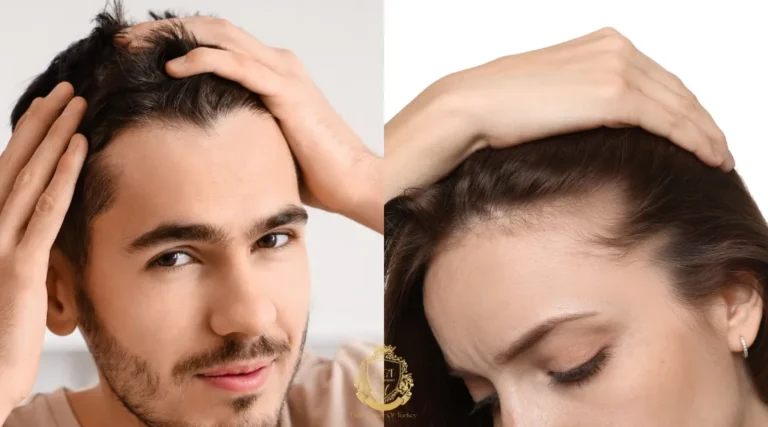
Dihydrotestosterone (DHT) is a hormone your body makes from testosterone. In people who are genetically sensitive, DHT can shrink susceptible scalp follicles over time, leading to thinner, shorter hairs and a widening part or receding hairline.
This process is called androgenetic alopecia (male- or female-pattern hair loss). Because DHT is only one part of the picture—along with inflammation, scalp conditions, and the hair-growth cycle—treatment often needs more than one approach.
How “DHT-Blocking” Shampoos Are Supposed To Work
Most DHT-blocking shampoos aim to do two things: keep the scalp healthy and reduce local factors that can worsen shedding. A rinse-off product has limited contact time, so any “DHT blocking” effect is usually modest.
Formulas generally fall into these categories:
- Scalp-health actives: Ingredients like ketoconazole are used for dandruff or seborrheic dermatitis and may also help some people with pattern hair loss by calming inflammation.
- Botanical extracts: Saw palmetto, pumpkin seed, nettle, and similar extracts are marketed as 5‑alpha reductase inhibitors, but shampoo-level evidence is mixed.
- Cosmetic support: Caffeine, niacinamide, peptides, and thickening polymers can improve hair fiber diameter or reduce breakage, making hair look fuller even if follicles don’t change.
Do DHT-Blocking Shampoos Actually Work?
They can help, but expectations matter. For many people, these shampoos improve scalp comfort, reduce flaking and itch, and make hair look denser. That’s a win, especially if inflammation or dandruff is part of the problem.
What they typically do not do is replace medical therapy for androgenetic alopecia. Because shampoo is rinsed off, it’s unlikely to deliver a strong enough anti-androgen effect to fully stop follicle miniaturization in moderate to advanced cases.
Ingredients With The Best Real-World Signal
If you’re choosing a shampoo for thinning hair, focus on ingredients with plausible mechanisms and some clinical support:
- Ketoconazole (1–2%): Helpful for dandruff/seborrheic dermatitis and may support hair density as an adjunct in pattern hair loss. It’s most relevant if you have flaking, redness, or itch.
- Caffeine: Has clinical and cosmetic data suggesting it can support hair and may reduce shedding for some users, though results vary by product and routine.
- Saw palmetto (Serenoa repens): Oral and leave-on topical forms have more research than shampoos. In a rinse-off format, benefits are possible but usually subtle.
Who Is Most Likely To Benefit
A DHT-blocking shampoo is most useful when hair loss is early, mild, or accompanied by scalp inflammation. It can also be a sensible add-on if you’re already using evidence-based treatments and want a scalp-friendly routine.
If you’ve had obvious thinning for years, a shiny scalp in certain areas, or steadily worsening recession, a shampoo alone is rarely enough. That’s when a dermatologist-led plan tends to be more effective.
How To Use It For The Best Chance Of Results
- Use it consistently for at least 8–12 weeks before judging results.
- Massage into the scalp and leave it on for 2–3 minutes if the instructions allow.
- Avoid harsh over-washing if your scalp gets dry; balance with a gentle non-medicated shampoo as needed.
- If you use minoxidil, apply it to a completely dry scalp after washing.
Stop and switch products if you develop burning, scaling, or persistent irritation. Scalp inflammation can worsen shedding, so comfort matters.
Are There Better-Proven Options Than Shampoo?
For androgenetic alopecia, the best-studied medicines are topical minoxidil and oral finasteride (for many men). These target the hair cycle and DHT more directly than a rinse-off shampoo.
There are also other dermatologist-guided options—such as low-level laser devices, oral minoxidil in selected patients, or anti-androgens for some women—depending on your history and risk profile.
When A Hair Transplant Makes More Sense
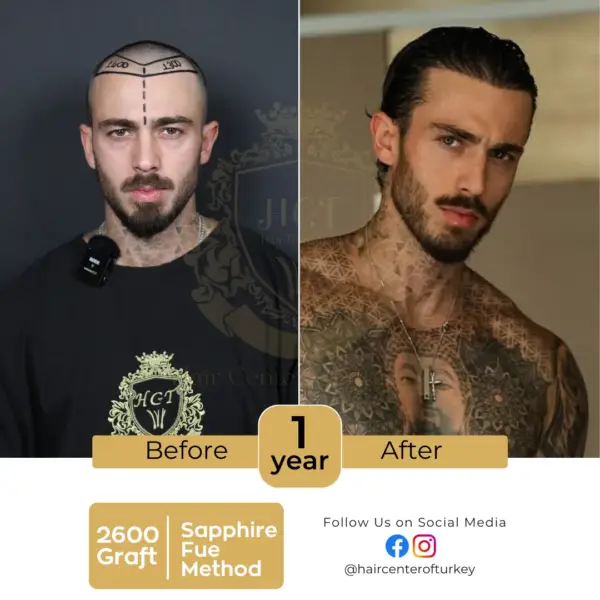
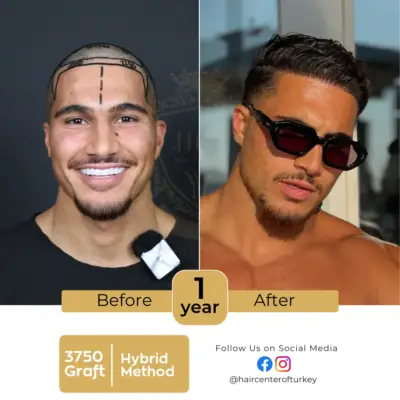
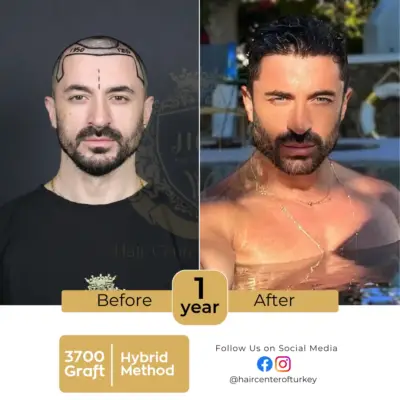
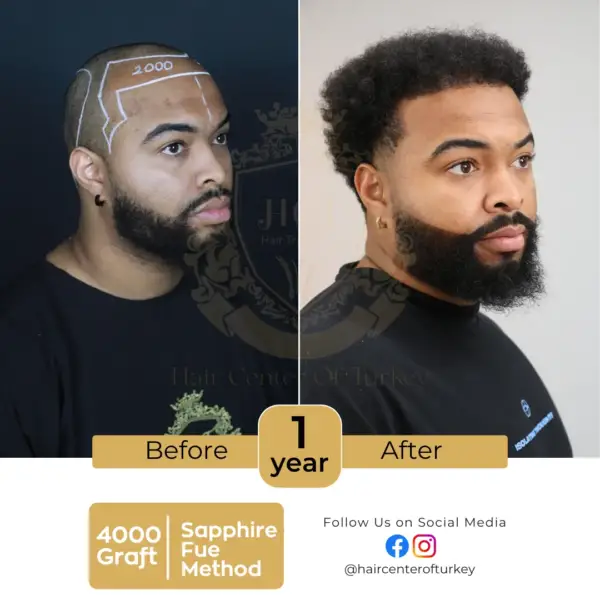
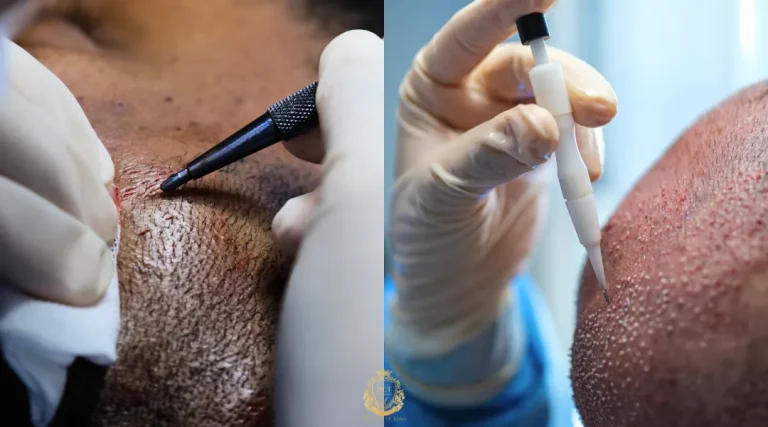
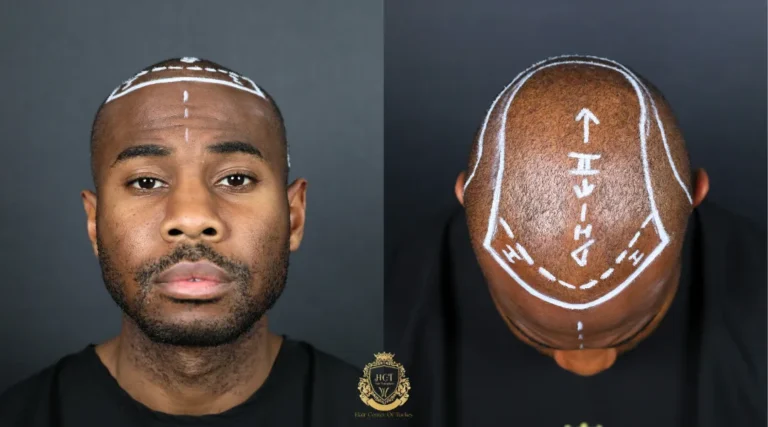
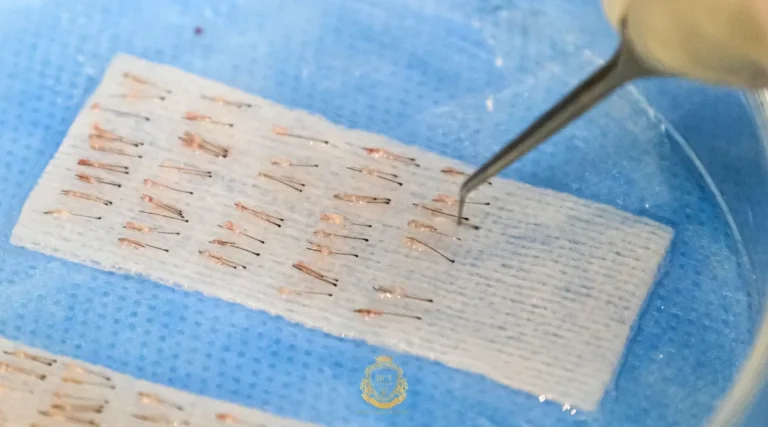
A transplant becomes a stronger option when follicles are no longer producing meaningful hair in specific areas. Surgery can restore density by relocating healthy follicles from a donor area to thinning or bald regions.
Even then, ongoing medical management often matters, because a transplant doesn’t stop future loss in non-transplanted hair. A consultation can help determine whether you’re a candidate and what maintenance plan fits your goals.
FAQ
Can a DHT-blocking shampoo regrow hair?
It may reduce shedding and improve the look of thinning hair, especially if scalp inflammation is involved. True regrowth from a shampoo alone is usually limited, particularly in advanced pattern hair loss.
How often should I use a DHT-blocking shampoo?
Follow the label. Many people do well with 3–5 washes per week, then adjust based on oiliness, dryness, and scalp sensitivity.
Are there side effects?
Possible side effects include dryness, irritation, or allergic reactions to fragrance or botanicals. Medicated formulas can also be drying, so rotate with a gentle shampoo if needed.
Can women use DHT-blocking shampoo?
Yes, but women with pattern thinning should still get a diagnosis to rule out iron deficiency, thyroid issues, or other causes. Treatment plans can differ by sex and life stage.
Explore the complete guide: Hair Loss Treatments