

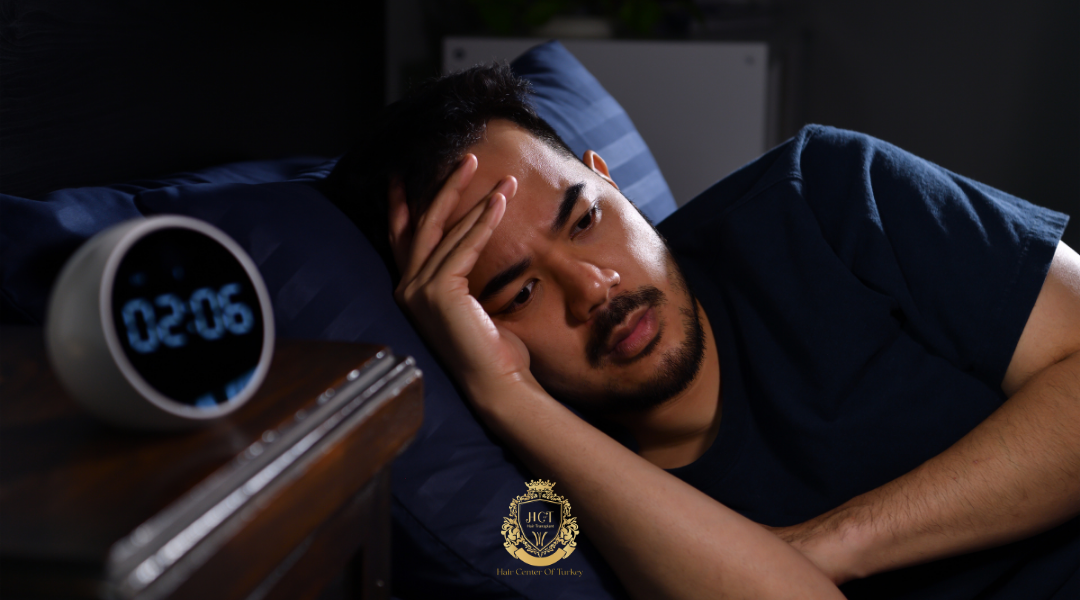
Does lack of sleep trigger hair loss? Yes, it can. It raises cortisol, disrupts cellular repair, and shifts follicles into a shedding phase known as telogen effluvium.
The connection between sleep and overall health is well-established, but its specific impact on hair often goes overlooked. While many associate hair loss with genetics or aging, lifestyle factors like sleep play a crucial role in maintaining a healthy hair growth cycle. Many people ask does lack of sleep trigger hair loss, and the answer goes deeper than most expect. Understanding how insufficient rest directly influences the biological mechanisms responsible for hair production is the first step toward addressing and preventing this type of hair thinning. This guide examines the science behind sleep-related hair loss, its symptoms, and effective strategies for restoration.
Table of Contents
Does Lack of Sleep Trigger Hair Loss? The Scientific Link Between Sleep and Hair Growth
The relationship between sleep and hair health is rooted in the body’s hormonal and regenerative processes. Hair follicles cycle through three main phases: anagen (growth), catagen (transition), and telogen (resting/shedding). Quality sleep is essential for regulating the hormones that govern this cycle, ensuring follicles remain in the anagen phase for an appropriate duration. To understand how does lack of sleep trigger hair loss, it helps to examine what happens to these hormones during rest.
During deep sleep, the body ramps up the production of Human Growth Hormone (HGH) and melatonin. HGH is vital for cell reproduction, including the cells in hair follicles responsible for generating new hair. Melatonin, often known as the sleep hormone, has also been shown to have antioxidant properties that protect follicles from oxidative stress and may promote the anagen phase. A consistent lack of sleep curtails the release of these essential hormones, weakening the follicles’ ability to produce strong, healthy hair. This is precisely why does lack of sleep trigger hair loss at a hormonal level.
Conversely, sleep deprivation elevates the production of cortisol, the body’s primary stress hormone. Persistently high cortisol levels can prematurely shift a significant number of hair follicles from the anagen phase directly into the telogen phase. This disruption shortens the growth period and leads to a noticeable increase in hair shedding a few months later. This condition, known as telogen effluvium, is one of the most common forms of hair loss directly linked to physiological stress, including that caused by poor sleep. It represents a direct biological pathway through which does lack of sleep trigger hair loss in otherwise healthy individuals.
How Stress From Sleep Deprivation Affects Your Hair

Does lack of sleep trigger hair loss through the body’s stress response? The answer is yes. When you don’t get enough sleep, your body perceives it as a constant, low-level stressor. This triggers the adrenal glands to release more cortisol. While cortisol is necessary for functions like regulating metabolism and reducing inflammation, chronically elevated levels create a hostile environment for hair growth.
The primary way this stress manifests is through telogen effluvium. In a healthy hair cycle, approximately 85-90% of hairs are in the anagen (growth) phase, while only 10-15% are in the telogen (resting) phase. High cortisol levels can cause up to 30% or more of anagen hairs to prematurely enter the telogen phase. Since the telogen phase lasts for about three months before the hair is shed, individuals often notice significant hair loss several months after a period of intense stress or chronic sleep deprivation began. This delayed timeline is a key reason does lack of sleep trigger hair loss is sometimes difficult to connect to its root cause.
This type of hair loss is typically diffuse, meaning it occurs all over the scalp rather than in distinct patches. The shedding can feel alarming, with individuals finding more hair on their pillow, in the shower drain, or on their hairbrush. While telogen effluvium is usually temporary and reversible once the underlying stressor—in this case, lack of sleep—is resolved, those who continue to wonder does lack of sleep trigger hair loss chronically should know that persistent sleep issues can lead to a long-term version of the condition, resulting in prolonged thinning.
Identifying Sleep-Related Hair Loss: Signs and Symptoms
Distinguishing hair loss caused by sleep deprivation from other types, such as genetic pattern baldness, can be challenging. However, there are several key indicators that point toward sleep as a primary contributing factor. The most prominent sign is the nature of the hair loss itself. Unlike androgenetic alopecia, which typically presents as a receding hairline or thinning at the crown, sleep-related hair loss is almost always diffuse. Recognizing these distinctions helps clarify whether does lack of sleep trigger hair loss in any given individual.
You may notice a general reduction in hair volume and density across the entire scalp. This thinning becomes more apparent when parting the hair or styling it. The onset is also a critical clue. The hair shedding usually begins two to four months after a period of poor sleep becomes chronic. Reflecting on your sleep patterns during that timeframe can help establish whether does lack of sleep trigger hair loss in your specific case.
Here are common symptoms associated with hair loss triggered by a lack of sleep:
Increased Daily Shedding: Finding significantly more than the average 50-100 hairs per day on your brush, clothes, or in the shower.
Noticeable Thinning: A visible reduction in ponytail thickness or seeing more of your scalp under bright light.
Lack of Scalp Inflammation: The scalp typically appears healthy, without the redness, itching, or scaling associated with fungal infections or some autoimmune conditions.
Co-Occurring Symptoms: The hair loss is often accompanied by other signs of sleep deprivation, such as daytime fatigue, irritability, difficulty concentrating, and a weakened immune system.
Strategies to Improve Sleep and Promote Hair Health
Addressing sleep-related hair loss begins with treating the root cause: improving sleep quality and duration. When does lack of sleep trigger hair loss, restoring a healthy sleep cycle allows the body to rebalance its hormones, reduce cortisol levels, and support the natural hair growth process. Implementing consistent sleep hygiene practices is the most effective way to achieve this.
First, establishing a regular sleep-wake schedule is fundamental. Going to bed and waking up at the same time every day, even on weekends, helps regulate your body’s internal clock, or circadian rhythm. This consistency makes it easier to fall asleep and wake up naturally. The ideal sleep duration for most adults is between 7 and 9 hours per night. Falling below this range consistently is precisely when does lack of sleep trigger hair loss becomes a real possibility.
Creating a restful environment is another critical component. Your bedroom should be dark, quiet, and cool. Consider using blackout curtains, earplugs, or a white noise machine to minimize disruptions. It is also important to limit exposure to blue light from screens—like phones, tablets, and computers—for at least an hour before bedtime, as this light can suppress melatonin production and interfere with sleep onset. Since does lack of sleep trigger hair loss in part through melatonin disruption, protecting melatonin production is a meaningful step. Developing a relaxing pre-sleep routine, such as reading a book, taking a warm bath, or practicing meditation, can signal to your body that it’s time to wind down.
When to Seek Professional Help for Hair Loss

While improving sleep hygiene can resolve telogen effluvium for many, some individuals may find their hair loss persists or is more severe than expected. If you have confirmed that does lack of sleep trigger hair loss is contributing to your thinning but have already made significant lifestyle changes and excessive shedding continues after three to six months, it may be time to consult with a specialist. Persistent hair loss can sometimes indicate an underlying issue that coexists with sleep deprivation, such as a nutritional deficiency, a thyroid disorder, or genetic pattern baldness.
A professional consultation is the best way to get an accurate diagnosis. For those asking does lack of sleep trigger hair loss or whether another condition is involved, our specialists at Hair Center of Turkey begin with a thorough review of your medical history and a scalp examination using advanced diagnostic tools. Blood tests may also be recommended to rule out other underlying causes. This thorough approach ensures that we identify all contributing factors to your hair loss.
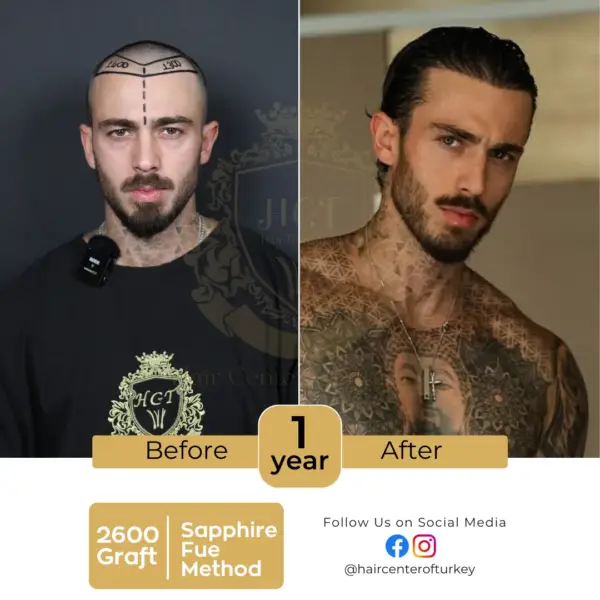
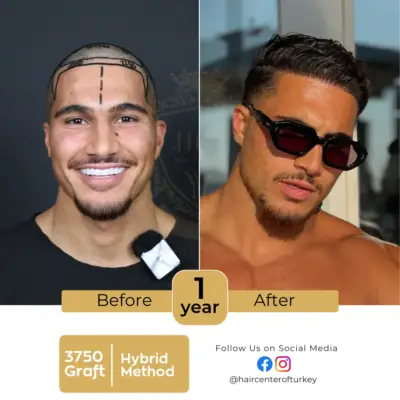
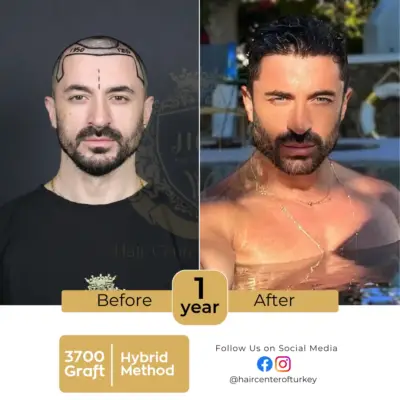
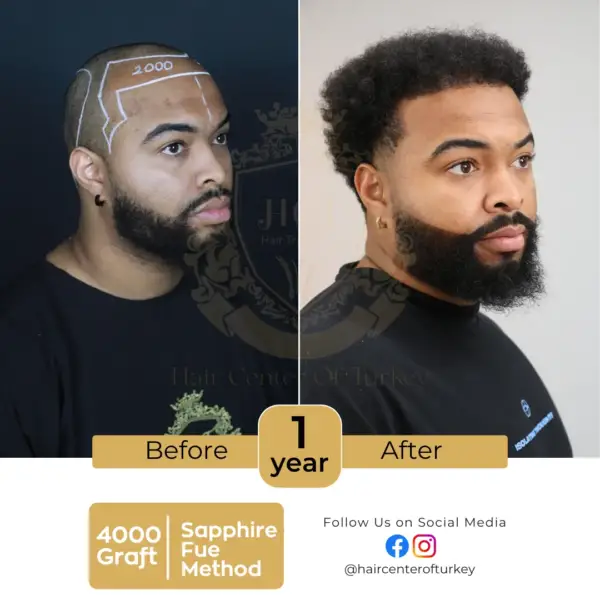
Based on the diagnosis, a personalized treatment plan can be developed. For cases where thinning has become significant, or for individuals looking to restore density more quickly, professional treatments can offer effective solutions. Therapies like Platelet-Rich Plasma (PRP) can help stimulate dormant hair follicles and promote new growth. For more advanced cases of hair loss, procedures such as FUE or DHI hair transplants performed at Hair Center of Turkey provide permanent, natural-looking results. Whether does lack of sleep trigger hair loss alone or alongside other factors, seeking expert guidance ensures you are on the most effective path to restoring your hair’s health and density.
Frequently Asked Questions
How much sleep is needed to prevent hair loss?
For most adults, aiming for 7 to 9 hours of quality, uninterrupted sleep per night is recommended. Does lack of sleep trigger hair loss when this threshold isnu consistently met? Yes—falling short of this range disrupts hormonal balance and cellular repair, both of which are essential for maintaining a healthy hair growth cycle and preventing sleep-related shedding.
Is hair loss from a lack of sleep permanent?
No, hair loss caused by a lack of sleep, typically telogen effluvium, is almost always temporary. For those worried that does lack of sleep trigger hair loss permanently, rest assured that once you restore a healthy sleep schedule and manage your stress levels, the excessive shedding should stop within a few months, and the hair will gradually return to its normal thickness as new strands grow.
How long does it take for hair to grow back after improving sleep?
After addressing whether does lack of sleep trigger hair loss was the primary cause and consistently improving your sleep habits, you can expect the excessive shedding to decrease within 3 to 6 months. New hair growth will follow, but since hair grows about half an inch per month, it may take a year or more to see a significant recovery in overall volume and density.
Can one bad night of sleep cause hair loss?
A single night of poor sleep will not cause hair loss. Does lack of sleep trigger hair loss only when it becomes a chronic pattern—several weeks or months of consistently insufficient rest. It is the cumulative effect of this physiological stress that disrupts the hair growth cycle, not an isolated incident.
Explore the complete guide: Hair Loss Types and Causes