





Androgenetic Alopecia (Male Pattern Hair Loss)
Androgenetic alopecia is the most common cause of long-term hair loss in men and a frequent cause of thinning in women.
It is a genetically driven condition influenced by hormones, leading to gradual follicle miniaturization and progressive hair thinning over time.,
Table of Contents
What Is Androgenetic Alopecia?
Androgenetic alopecia is a hereditary form of hair loss that affects approximately 80–90% of men to varying degrees and a significant proportion of women later in life.
The condition develops due to a genetic sensitivity of hair follicles to androgens, particularly dihydrotestosterone (DHT). Over time, affected follicles produce thinner, shorter hairs until growth eventually stops.
Androgenetic Alopecia In Men
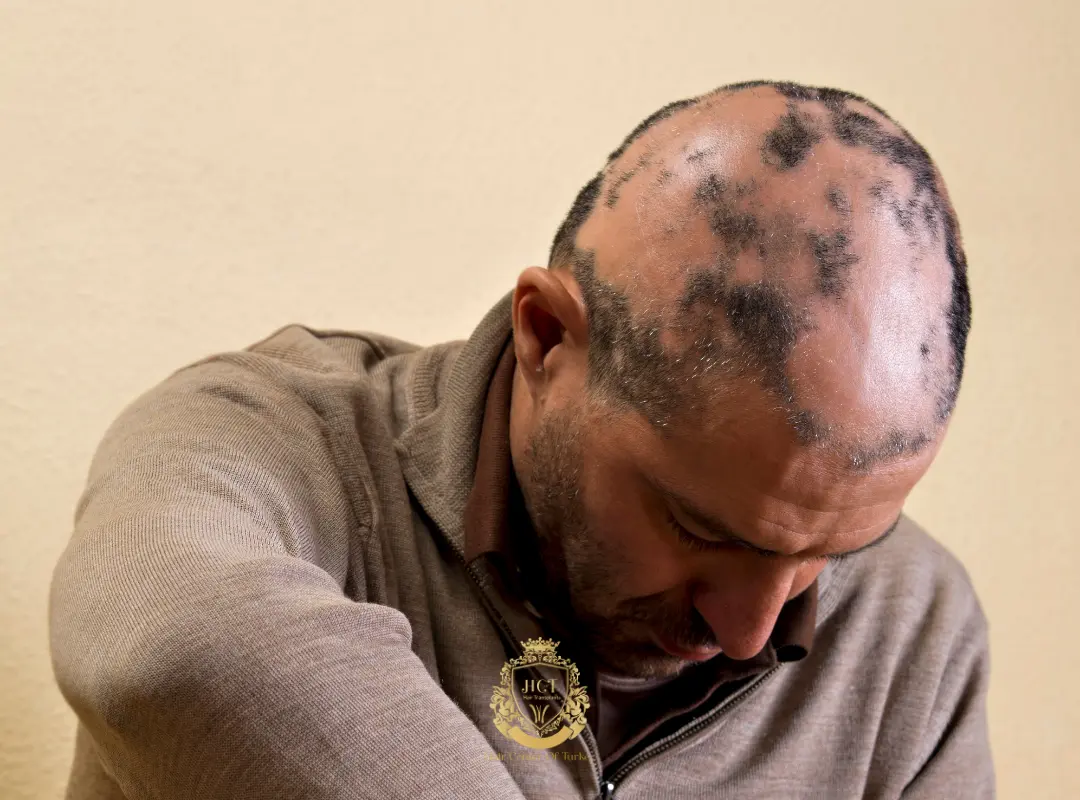
Male pattern hair loss usually begins between the late teens and early forties, though onset varies widely.
Common Patterns In Men
Hair loss typically follows a recognizable pattern:
Recession at the temples
Thinning at the crown (vertex)
Gradual merging of frontal and crown thinning
Progression is slow and may occur in cycles, with periods of increased shedding followed by relative stability.
Causes Of Androgenetic Alopecia In Men
The primary factors include:
Genetic predisposition
Sensitivity of hair follicles to DHT
Age-related changes in hair growth cycles
DHT shortens the anagen (growth) phase of hair follicles. With each cycle, new hairs grow thinner and weaker until follicle activity ceases.
Symptoms In Men
Androgenetic alopecia does not cause sudden or patchy shedding. Instead, signs develop gradually:
Receding frontal hairline
Increased scalp visibility at the crown
Overall reduction in hair density
Complete baldness may occur over many years, depending on individual genetic factors.
Androgenetic Alopecia In Women
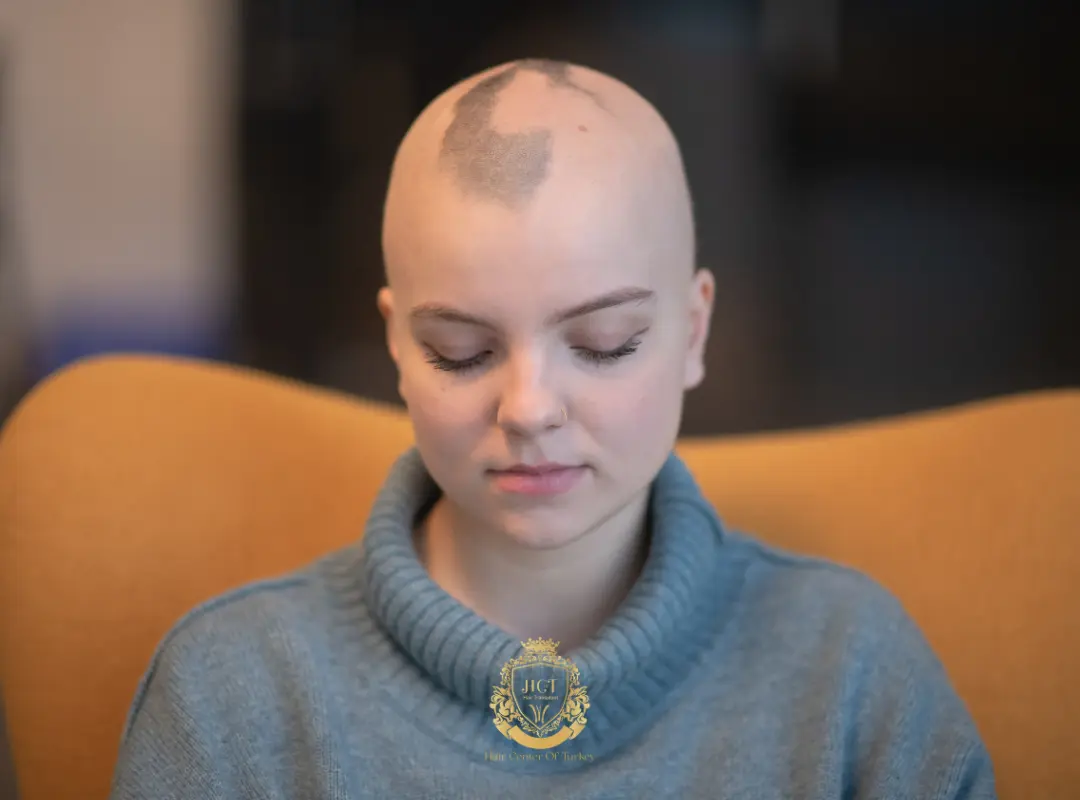
Although more commonly associated with men, androgenetic alopecia also affects women. It is often referred to as female pattern hair loss.
How It Appears In Women
In women, hair loss usually presents as:
Diffuse thinning on the crown
Widening of the central part
Preservation of the frontal hairline
Complete baldness is extremely rare in women.
Causes Of Androgenetic Alopecia In Women
Female pattern hair loss is influenced by:
Genetic predisposition
Age-related hormonal changes
Increased follicle sensitivity to normal androgen levels
Unlike men, women often do not have elevated androgen levels. Instead, follicles react more strongly to normal hormonal activity.
Symptoms In Women
Hair thinning progresses slowly and evenly. Individual strands become finer, leading to reduced volume rather than obvious bald areas.
The condition often becomes more noticeable after menopause but may begin earlier in genetically predisposed individuals.
Treatment Approaches For Androgenetic Alopecia
Treatment focuses on slowing progression and preserving existing hair. Regrowth of lost follicles is limited without surgical intervention.
Non-Surgical Options
Medical and supportive treatments may help maintain current hair density:
Topical or oral medications prescribed by specialists
Platelet-rich plasma (PRP) therapy
Scalp-focused treatments aimed at follicle support
These methods do not permanently restore lost hair but may delay further thinning.
Surgical Treatment
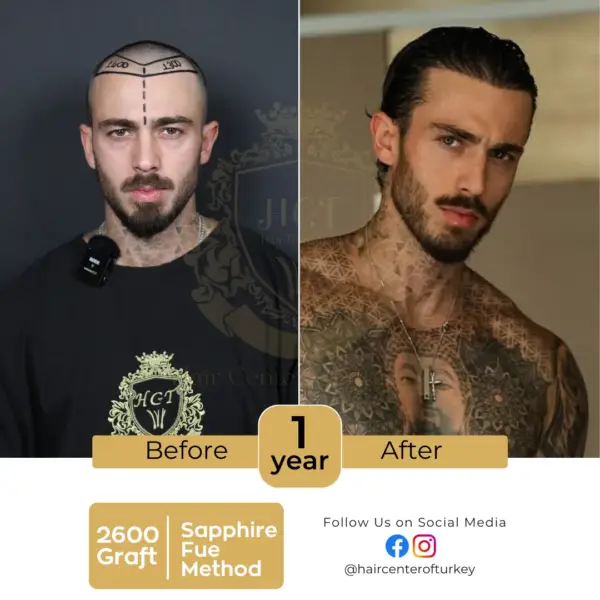
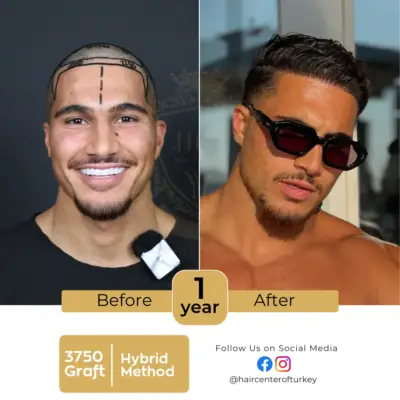
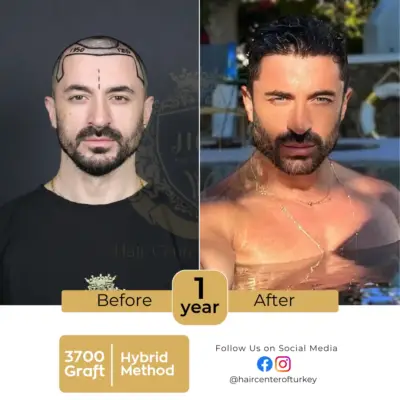
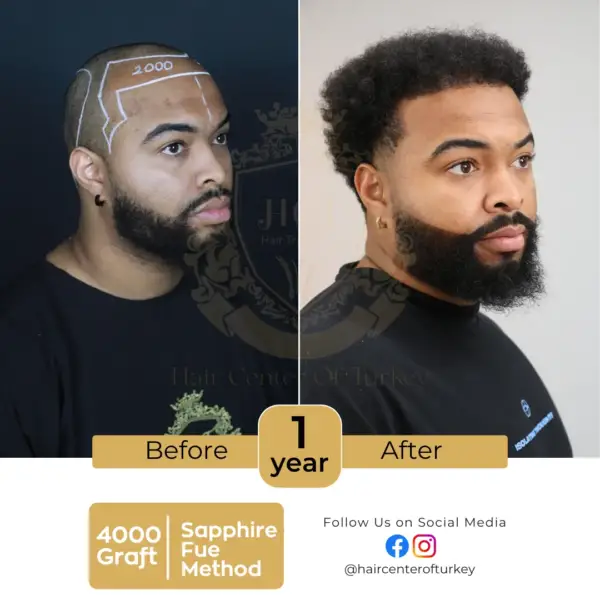
Hair transplantation is currently the only method capable of restoring hair to areas where follicles are no longer active.
Modern techniques involve transferring healthy follicles from donor areas to thinning or bald regions. Suitability depends on age, health status, and donor hair quality.
Long-Term Outlook
Androgenetic alopecia is a progressive condition. Early diagnosis allows for better preservation of existing hair and more treatment options.
Management strategies should be individualized and guided by qualified medical professionals.
Frequently Asked Questions
How to stop androgenetic alopecia?
Use finasteride and minoxidil early; consider ketoconazole shampoo and hair transplant.
What is Stage 4 male pattern baldness?
Stage IV is deeper temples plus crown thinning, with a hair bridge remaining.
What triggers androgenic alopecia?
Genetic sensitivity to DHT in follicles triggers progressive miniaturization and thinning.
Can male androgenetic alopecia be reversed?
Partial regrowth is possible with finasteride/minoxidil; full reversal is uncommon.
At what age does AGA start?
AGA often starts in the late teens or twenties, sometimes later.
Will I go completely bald with androgenetic alopecia?
No, many men don’t go completely bald, especially with early treatment.
At what age do most men go fully bald?
Most men never go fully bald; complete baldness is less common.