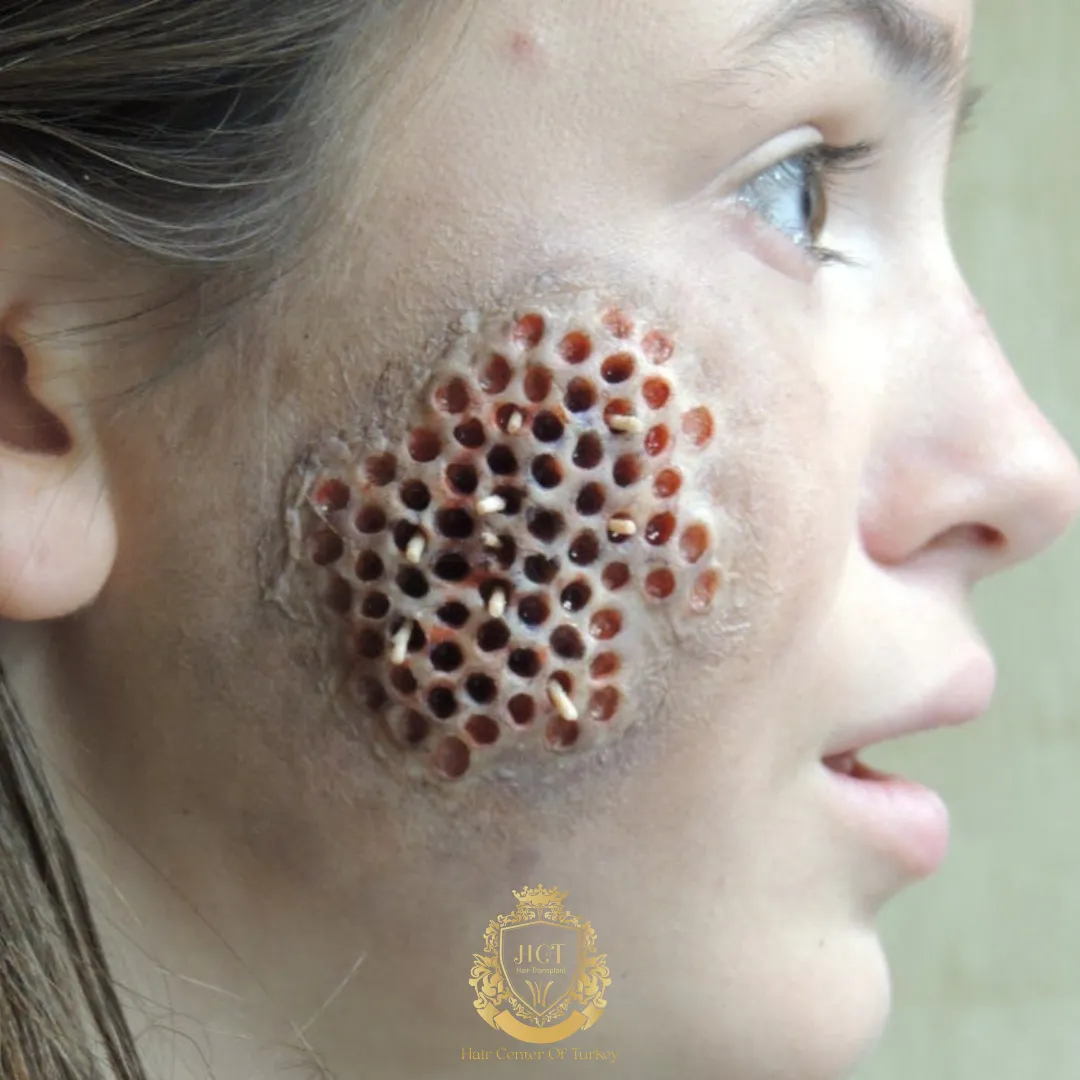
Hair Transplant Trypophobia
Hair transplant trypophobia is discomfort, disgust, or anxiety triggered by the small, clustered incision pattern created during a transplant—especially in the first days of healing. The reaction is usually temporary and manageable with preparation, gentle aftercare, and the right technique. If symptoms feel overwhelming, a mental health professional can help.
Understanding Trypophobia
Trypophobia describes an intense aversion to clusters of small holes, bumps, or repeating patterns. People often report disgust, skin-crawling sensations, or anxiety when they see images such as honeycombs, lotus seed pods, or tightly packed bubbles.
Trypophobia is not formally listed as a standalone diagnosis in major psychiatric manuals, yet the symptoms can still be real and distressing. When the reaction is severe and persistent, clinicians may approach it like a specific phobia or an anxiety-related trigger.
Why A Hair Transplant Can Trigger Trypophobia
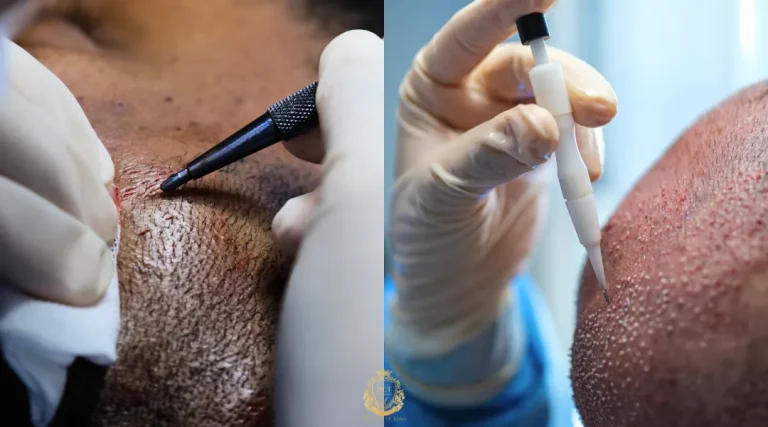
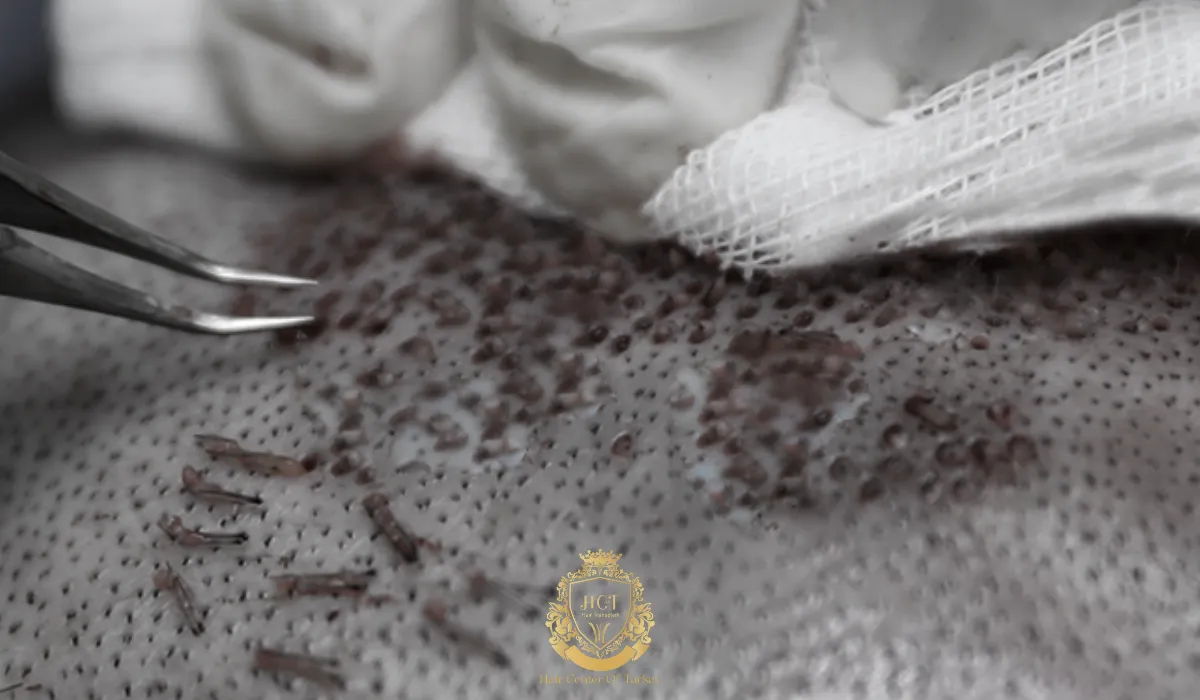
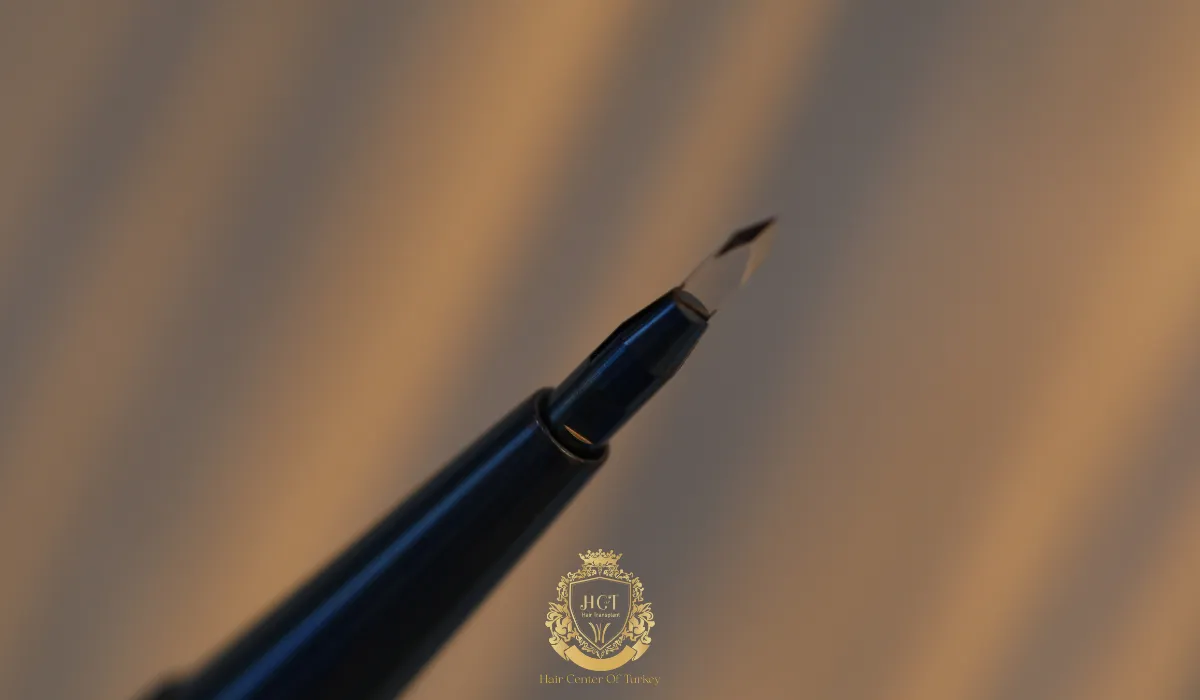
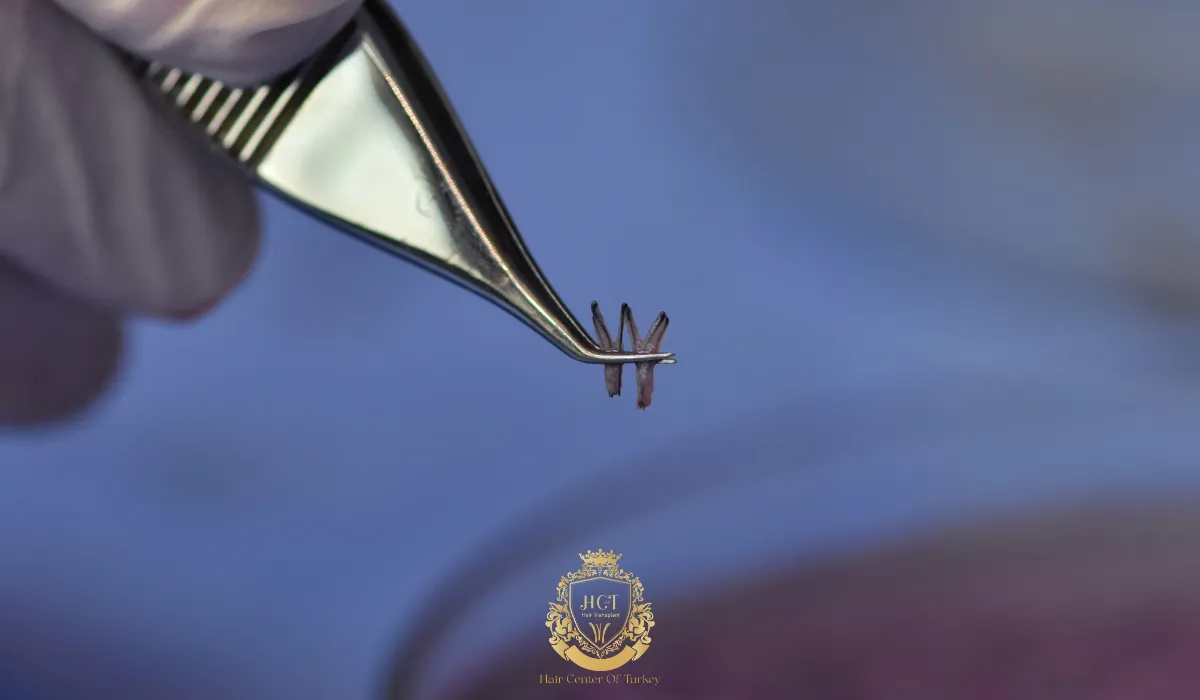
Hair transplantation requires the surgeon to create many tiny openings in the scalp. For someone sensitive to clustered patterns, those dots can be visually triggering—especially when you imagine the procedure in advance or see the scalp up close afterward.
The Pattern Of Tiny Incisions
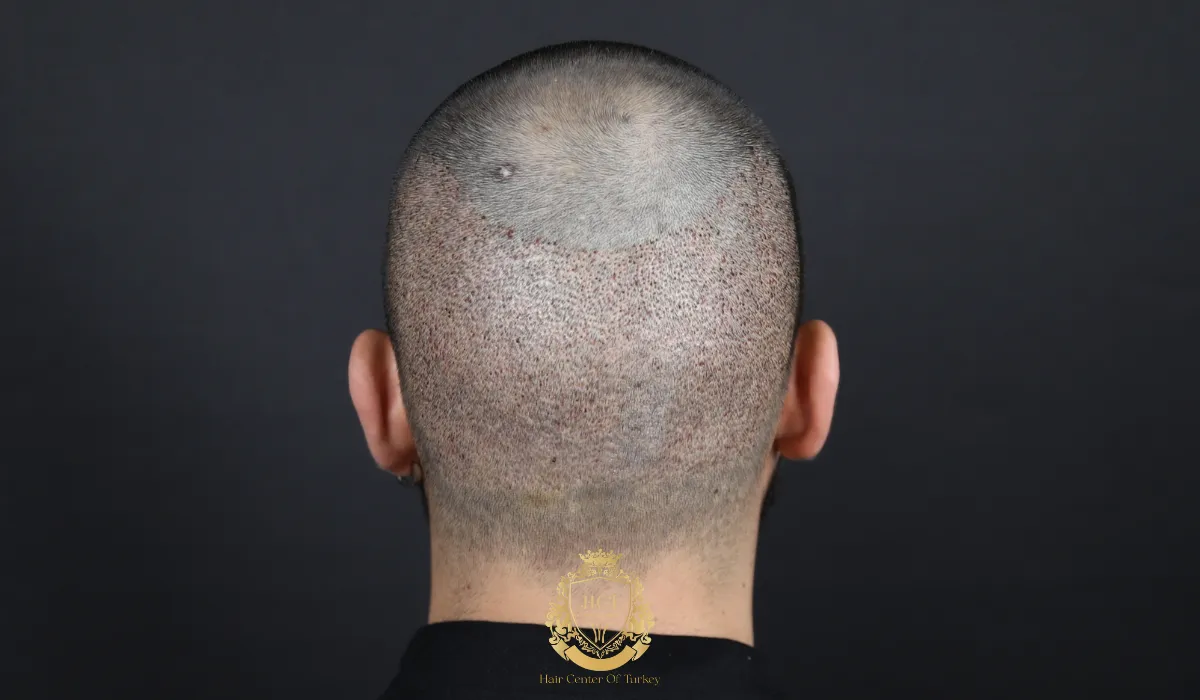
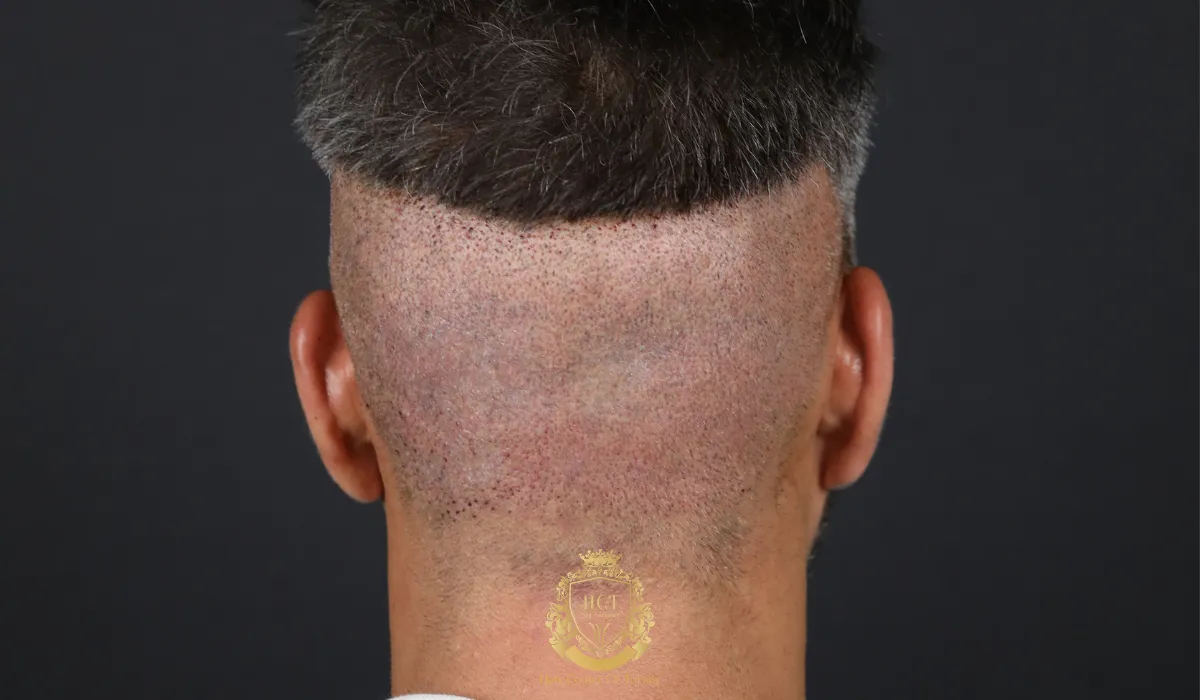
Both the donor area (where follicles are taken from) and the recipient area (where grafts are placed) can show a dotted pattern during early healing. The dots are usually most noticeable under bright bathroom lighting or when hair is trimmed very short.
Which Technique Is More Likely To Trigger It?
Follicular Unit Extraction (FUE) tends to be the biggest trigger because it leaves many small, circular extraction sites across the donor area. Follicular Unit Transplantation (FUT) removes a narrow strip of scalp, which typically heals as a linear scar, though the recipient area still has tiny openings.
If trypophobia is a concern, your surgeon can explain what each method looks like during the first days, how quickly it settles, and whether your hair length can help camouflage the healing stage.
What “Hair Transplant Holes” Look Like During Healing
Right after surgery, the scalp can appear dotted with pinpoint openings, redness, and small scabs where grafts were placed. This is a normal part of healing, not a sign that something went wrong.
Scabs commonly become more noticeable over the first few days, then lift and wash away gradually with proper aftercare. Many patients see most scabbing resolve within about 7–14 days, though timelines vary based on technique, skin type, and aftercare.
Does Trypophobia Affect The Decision To Get A Hair Transplant?
It can. Some people avoid the procedure because they fear the appearance of the scalp during the first week, not the surgery itself.
The good news is that you can plan around the trigger. With realistic expectations, a supportive clinic, and a calm aftercare routine, many people with trypophobia complete treatment comfortably.
Practical Ways To Manage Hair Transplant Trypophobia
Start with controlled exposure to real recovery photos. Ask the clinic for day-by-day images (not just final results) and look at them briefly, then increase viewing time only if you feel steady.
Build an aftercare routine that reduces visual triggers. Use softer lighting, avoid magnifying mirrors, and keep your first washes slow and structured. If looking closely is difficult, ask a trusted person to help you with washing for the first few days.
Use simple anxiety tools when your body reacts. Slow nasal breathing, grounding (naming five things you can see), and short guided relaxations can lower the intensity of the response.
Talk to a professional if the reaction is strong. Cognitive Behavioral Therapy (CBT) and exposure-based approaches are widely used for phobias and pattern-based triggers. Support is especially useful if trypophobia affects daily life or stops you from receiving medical care you want.
How To Use Before-And-After Photos Without Triggering Anxiety
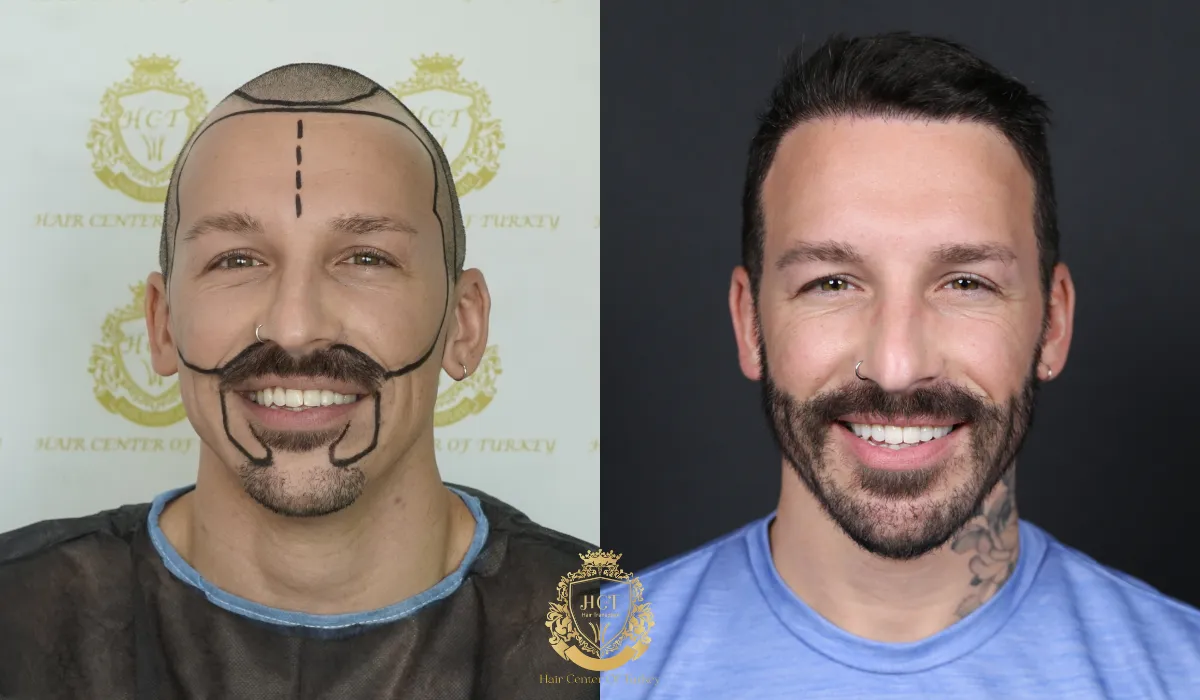
Before-and-after galleries can help, but they often skip the most visually challenging part: the first 10 days. Ask for a realistic timeline that includes immediate post-op, day 3–4 scabbing, and day 10–14 healing.
View images on a smaller screen first, keep the brightness low, and stop before you feel overwhelmed. The goal is familiarity, not forcing yourself through distress.
FAQ
What are common trypophobia symptoms?
People can experience different reactions. Common symptoms include:
- Intense disgust or fear
- Nausea or stomach discomfort
- Sweating
- Chills or goosebumps
- Fast heartbeat or rapid breathing
- Trembling
- Dry mouth or a feeling of choking
Can trypophobia be prevented?
You can’t always prevent the reaction, but you can reduce triggers. Preparation, gradual exposure to recovery visuals, and a calming aftercare plan often make the first week much easier.
When should I seek help?
If trypophobia interferes with your daily life, sleep, work, or medical decisions, speak with a mental health professional. Therapy can help you reduce the intensity of the reaction and regain a sense of control.
Are the “holes” permanent after a hair transplant?
No. The dotted appearance is part of early healing. With proper aftercare, scabbing typically clears within about 7–14 days, and the scalp settles as redness fades. Your surgeon can tell you what to expect for your skin type and technique.
Explore the complete guide: Medical Safety and Eligibility