

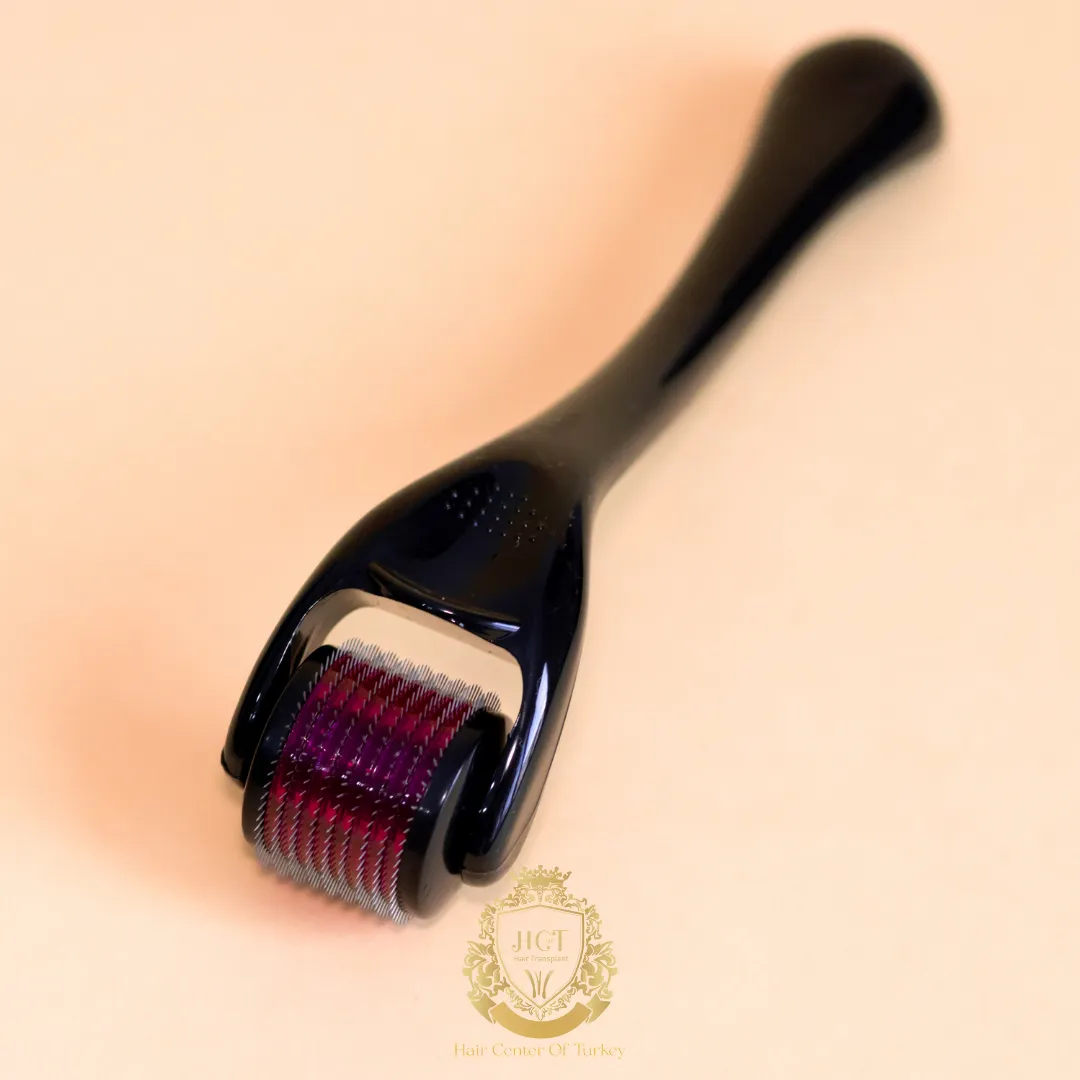
Derma Roller For Hair Loss
Hair Center of Turkey has a team of three specialist doctors who have been serving more than 3,000 international patients annually in the fields of hair transplantation, hair health, and hair restoration since 2014. Based on our clinical experience, derma roller (scalp microneedling) treatments can promote hair growth and enhance the absorption of topical treatments, particularly in suitable candidates with androgenetic alopecia. Microneedling triggers natural healing mechanisms by creating controlled microchannels in the scalp. Results typically appear gradually, and most users begin to notice the first changes within 8–12 weeks. The correct needle length, sterilization, and application technique are crucial for safe and effective results.
Table of Contents
What A Derma Roller Is
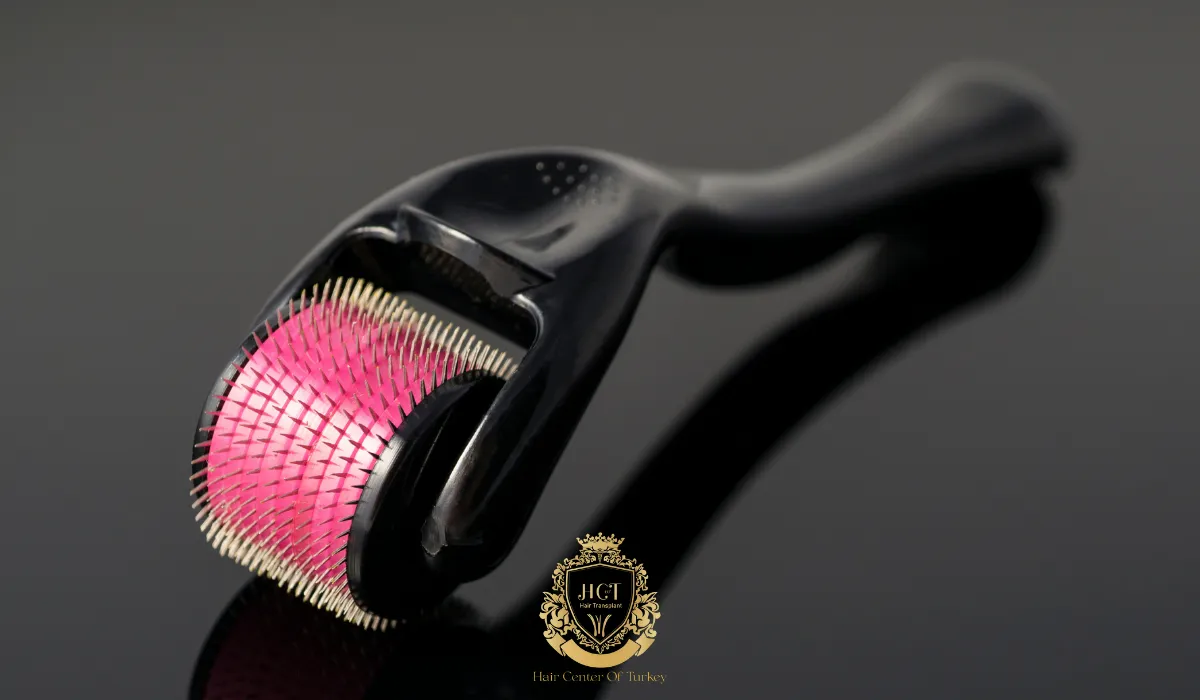
A derma roller is a handheld device with a rotating drum covered in very small needles.
When rolled over the scalp, the needles create controlled, superficial micro‑injuries. This technique is also called microneedling.
In a clinic, microneedling is performed with medical devices and strict hygiene. At home, the same principles apply, but the margin for error is smaller.
How Scalp Microneedling Works
Microneedling creates micro‑channels in the outer skin layers. Your body responds with a short, local healing process.
That response can increase growth factors and improve scalp circulation in the treated area. It also can help topical treatments spread more evenly and penetrate better.
For hair loss, microneedling is most often discussed alongside topical minoxidil and other evidence‑based regimens.
Does A Derma Roller Help With Hair Loss?
Evidence is strongest for androgenetic alopecia (pattern hair loss). A well‑known randomized study found microneedling combined with topical minoxidil outperformed minoxidil alone over 12 weeks.
More recent systematic reviews of randomized trials also report better hair count outcomes when microneedling is added to minoxidil, although protocols vary and results are not guaranteed.
Microneedling is less studied for other causes of shedding (for example, telogen effluvium). If your hair loss is sudden, patchy, or accompanied by scalp pain or scaling, it’s better to get a diagnosis first.
Best Candidates
Adults with early to moderate pattern hair loss who are already using, or willing to use, proven treatments (such as topical minoxidil).
People with a healthy scalp—no active infection, open wounds, or significant inflammation.
Anyone who can commit to consistent, gentle sessions and proper disinfection.
Needle Size And Frequency
For at‑home scalp use, many people choose shorter needles (often around 0.5 mm). Longer needles can increase the risk of bleeding, irritation, and infection when used without medical supervision.
Frequency depends on needle length and your scalp’s tolerance. A conservative approach is once weekly or less, especially when starting.
If you’re using minoxidil, follow product directions and consider spacing application to reduce stinging and irritation on treatment days.
How To Use A Derma Roller On The Scalp
- Start with clean hair and scalp. Do not use styling products before rolling.
- Disinfect the device according to the manufacturer’s instructions. Never share a roller.
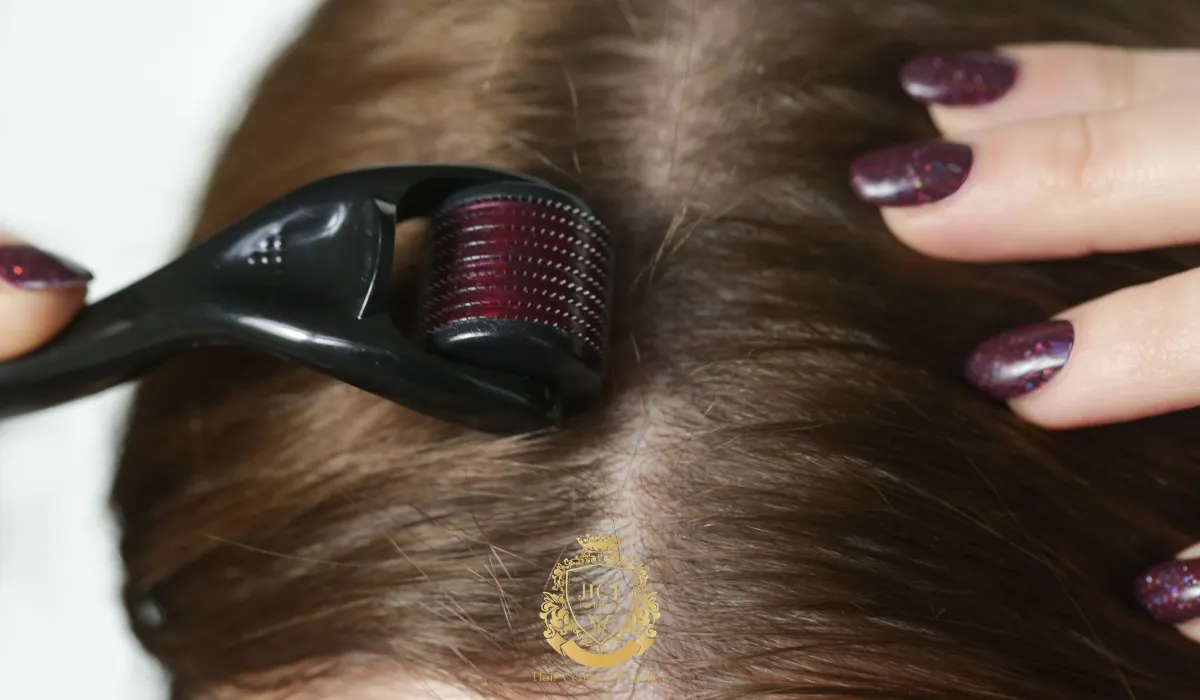
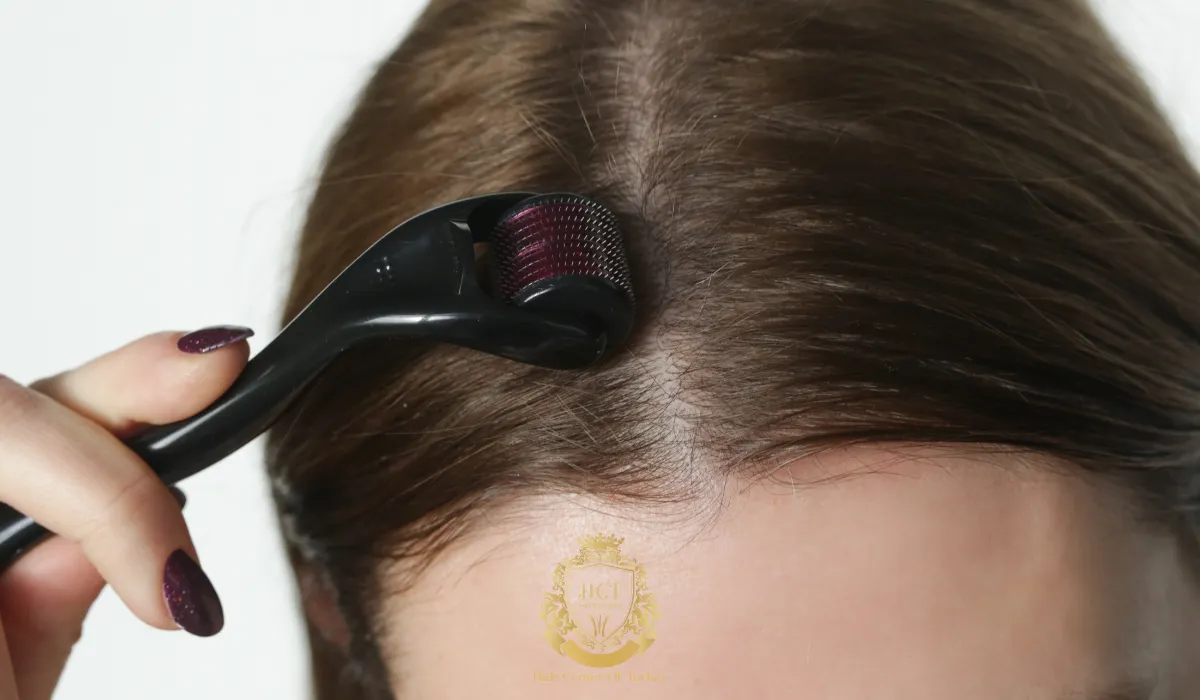
- Part the hair to expose the thinning area. Roll with light pressure in straight lines (vertical, horizontal, and diagonal).
- Limit passes per area. You want mild redness, not bleeding.
- Finish by cleaning the roller again and storing it in its case.
Aftercare Tips
Avoid harsh hair products, heavy sweating, swimming pools, and direct sun exposure for at least 24 hours after a session.
Expect mild tenderness or tightness for 1–2 days. If you develop increasing pain, pus, or warmth, stop and seek medical advice.
Replace the roller when needles feel dull or bent. Dull needles can tear skin instead of creating clean micro‑channels.
Who Should Avoid Scalp Microneedling
People with active scalp infections, open wounds, severe dandruff with inflammation, eczema/psoriasis flares, or active acne on the area.
Anyone with a history of keloid or hypertrophic scarring, bleeding disorders, or those taking anticoagulants, unless cleared by a clinician.
Those undergoing chemotherapy/radiotherapy, or with immunosuppression, should avoid at‑home microneedling.
Possible Side Effects
Temporary redness, sensitivity, swelling, and pinpoint bleeding (if pressure is too strong).
Folliculitis or infection can occur if the roller or scalp is not properly cleaned.
Overuse can irritate the scalp and may worsen shedding short‑term. A gentle routine is safer than aggressive rolling.
Frequently Asked Questions
Do Derma rollers work for hair loss?
Yes, scalp microneedling can improve androgenetic hair loss, especially with minoxidil.
What size derma roller is best for hair loss?
0.5 mm for home use; 1.0–1.5 mm is typically clinician-performed.
Is 0.25 or 0.5 derma roller better for hair growth?
0.5 mm is better for stimulation; 0.25 mm mainly boosts topical absorption.
How many times should I derma roll for hair loss?
Once weekly for 0.5 mm is common; longer needles need less frequent sessions.
What are the risks of derma rolling for hair?
Risks include infection, irritation, bleeding, folliculitis, scarring, and worsening inflammatory scalp conditions.
Should I derma roll on wet or dry hair?
Use on a clean, dry scalp; wet hair increases snagging and uneven penetration.
Explore the complete guide: Hair Loss Treatments