

Post-Hair Transplant Hair Care: Critical Steps For Successful Results
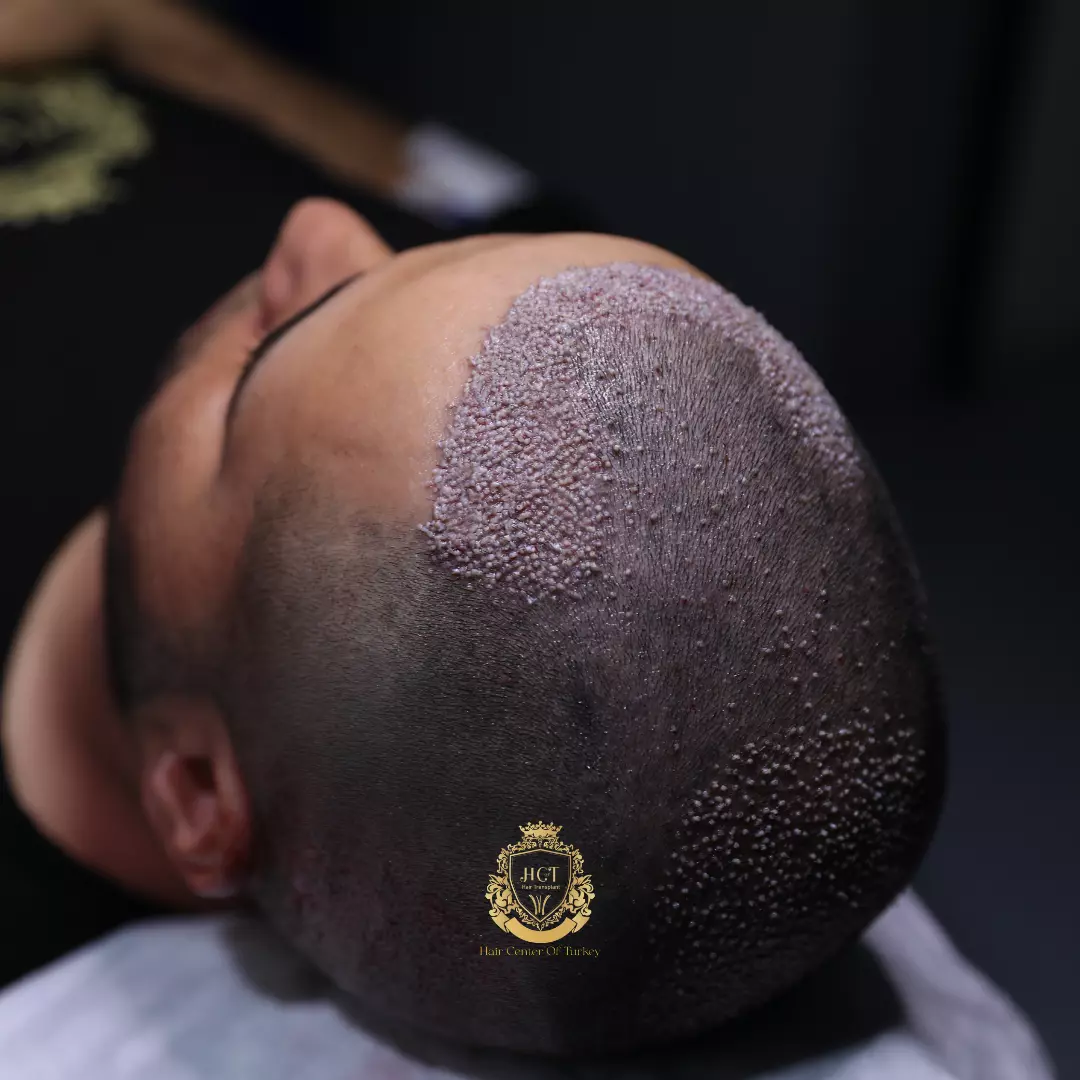
The first 10–14 days after a hair transplant are about protecting fragile grafts. Keep the scalp clean, avoid sweating and friction, sleep with your head elevated, and stay out of direct sun. Use only clinic-approved products, don’t pick scabs, and contact your team fast if you notice spreading redness, pus, or fever.

The First 48 Hours: Protecting New Grafts
Right after the procedure, the grafts are not firmly anchored. Treat your scalp like a healing wound: no rubbing, scratching, or pressure. If your clinic provided a saline spray, use it exactly as instructed to prevent dryness and reduce crusting.
Swelling can happen around the forehead and eyes in the first few days. Sleeping slightly upright and staying well hydrated often helps. If your clinic prescribed medication for swelling or discomfort, follow their plan rather than self-medicating.

Washing Your Hair: When And How To Start
Most clinics allow the first wash within the first few days, but protocols vary. Start only when your surgeon or aftercare team says it’s time. The goal is to soften crusts and cleanse the area without disturbing grafts.
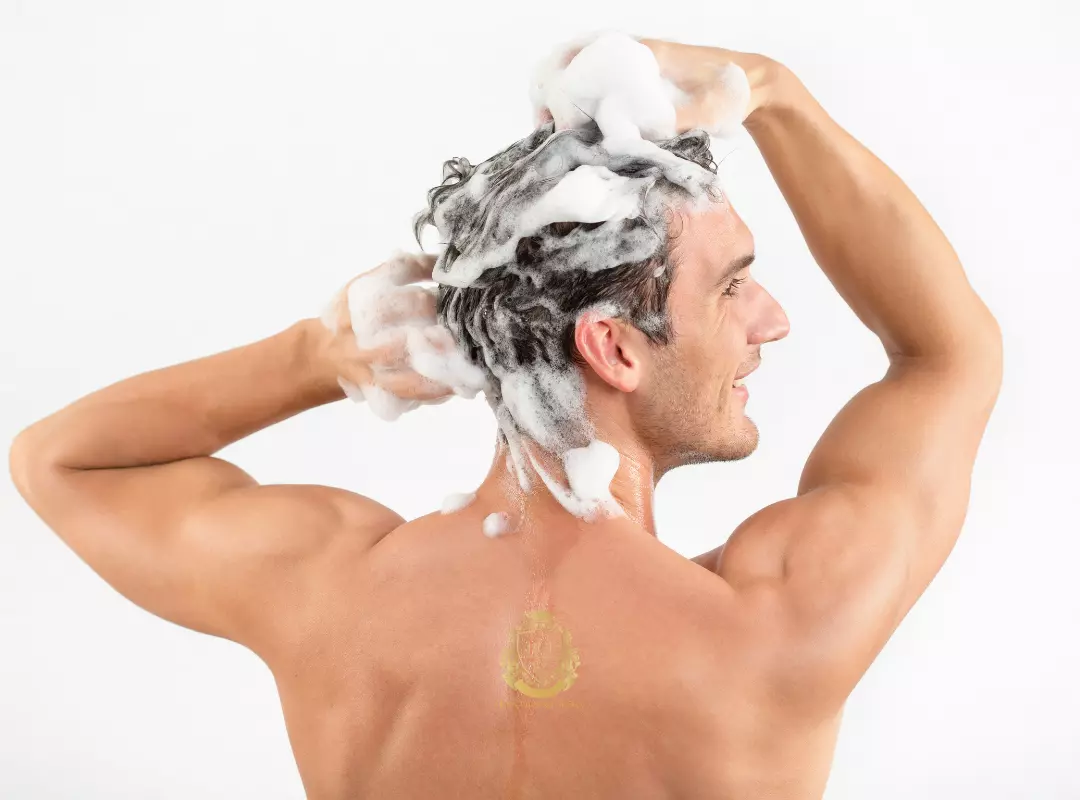
Use lukewarm water and a gentle, clinic-approved shampoo or foam. Pour water carefully over the scalp instead of letting high pressure hit the recipient area. Pat dry with a clean, soft towel—no rubbing—and avoid hair dryers unless your team specifically allows a cool setting at a safe distance.
Effects Of Sweating: What To Consider After Hair Transplantation
Sweating raises heat and moisture on the scalp, which can irritate healing skin and make crusts softer and easier to dislodge. In the early phase, that matters because friction plus moisture can pull at grafts. For the first 7–10 days (or the window your clinic gives you), aim to stay cool and avoid situations that trigger heavy sweating.
If you do sweat, don’t panic. Let the sweat dry naturally or gently blot around the area with clean gauze. Wash only if your aftercare instructions say it’s safe to do so, and avoid scrubbing even if the scalp feels itchy.

Exercise And Physical Activities: How To Behave During Recovery
Recovery is smoother when you keep your heart rate and blood pressure stable in the beginning. Most patients are asked to avoid workouts, heavy lifting, and contact sports for at least 10–14 days. High-intensity exercise can increase swelling, bleeding risk, and accidental trauma to the grafts.
After your clinic clears you, return gradually. Start with light walking, then progress to moderate activity, and only later add weight training or high-impact sports. If you notice throbbing, increased redness, or fresh bleeding, stop and check in with your clinic.

Sweating And Hair Care Products: Which Products Should You Use?
Product choice matters more than people expect. In the early weeks, avoid anything that can sting, clog, or inflame the scalp—strong fragrances, high-alcohol styling products, oils, dry shampoo, and harsh anti-dandruff formulas are common culprits. Stick to the shampoo, lotion, or foam recommended by your clinic.
If your scalp feels tight or flaky, ask your team before adding moisturizers or serums. “Natural” doesn’t always mean gentle, and essential oils can irritate healing skin. Once the recipient area is fully healed, you can usually reintroduce normal products one by one.
Infection Risk And The Role Of Sunlight: Details To Be Mindful Of
Sun exposure
Freshly transplanted skin can darken or become inflamed under UV light. For the first few weeks, avoid direct sun on the recipient area. When you go outside, choose shade and use a loose, clinic-approved hat if they allow it.
Avoid sunscreen on the recipient area until your clinic confirms the skin barrier has healed. Early sunscreen use can irritate or trap bacteria. When you are cleared to use it, pick a gentle, fragrance-free formula.
Reducing infection risk
Infection after hair transplant is uncommon, but it can happen—especially if the scalp is touched often. Wash hands before any aftercare step, use clean pillowcases, and keep hats and helmets off until permitted. Don’t pick scabs; they protect healing skin and usually fall off naturally after about 7–14 days.
Call your clinic quickly if you notice spreading redness, increasing pain, warmth, pus-like discharge, a bad smell, or fever. Those signs deserve medical guidance, not guesswork.
Sleeping After A Hair Transplant: Preventing Friction And Swelling
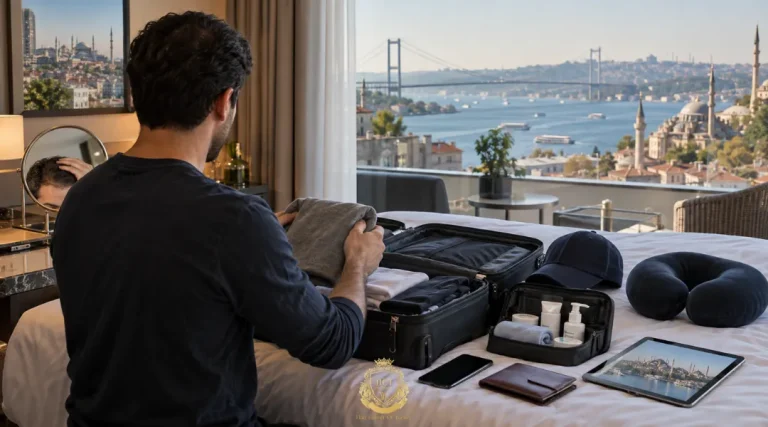
Sleeping position is a small detail that makes a big difference. For the first several nights, sleep on your back with your head slightly elevated to reduce swelling and avoid rubbing the grafts. A travel pillow can help keep your head centered.
If you’re a side sleeper, try building support with pillows so you don’t roll onto the recipient area. Protect your bedding too—light oozing can occur early on, so a clean towel over the pillowcase is often useful.
What To Expect: Shedding, Itching, And The Growth Timeline
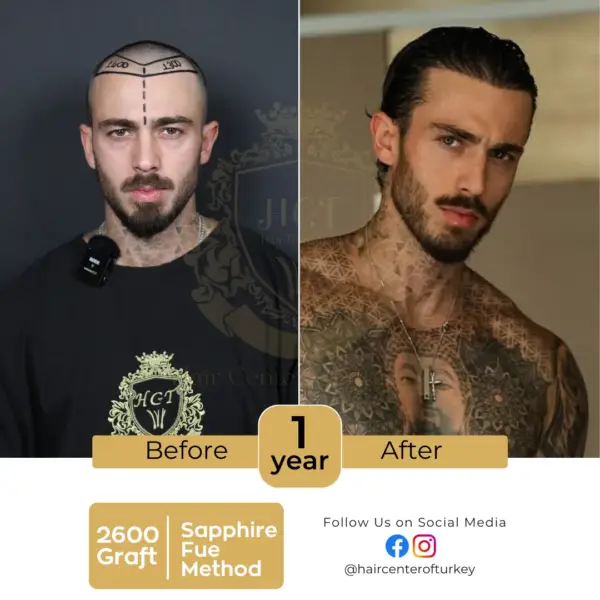
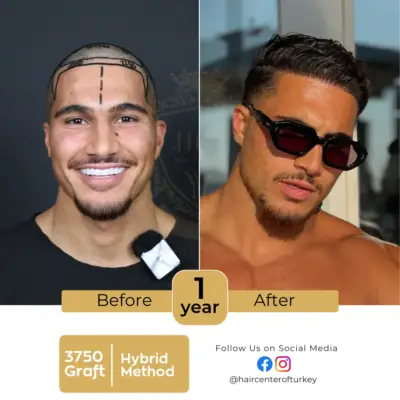
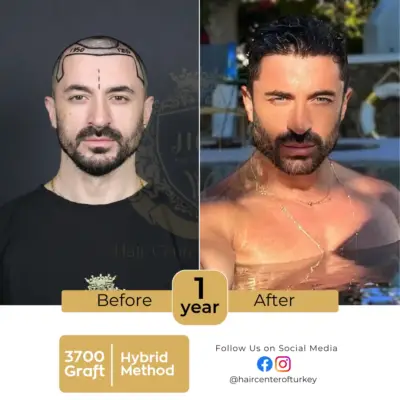
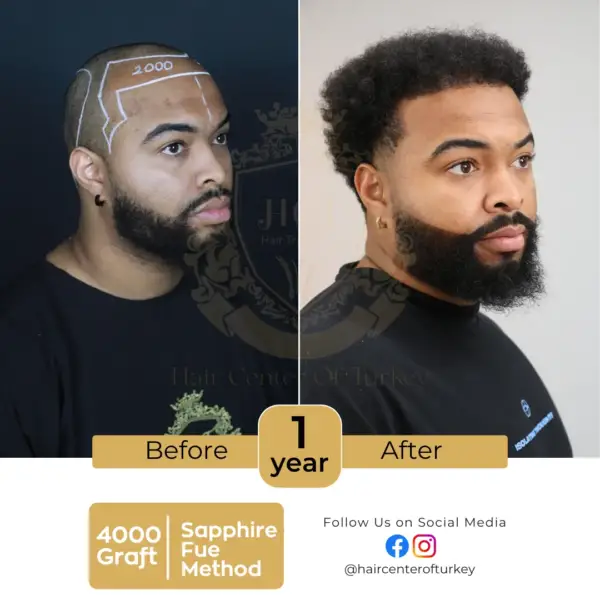
Some shedding of transplanted hairs in the first weeks is common and does not mean the grafts failed. The follicles typically enter a resting phase before new growth begins. Many people see noticeable growth starting around 3–4 months, with fuller changes developing over 6–12 months, depending on the individual and the technique used.
Itching is also common as the scalp heals. Resist scratching; instead, follow your clinic’s guidance on saline spray, gentle washing, or approved soothing products. If itching becomes intense or is paired with rash-like bumps, ask your team to check for irritation or folliculitis.
Lifestyle Factors That Can Help Results
Healing is affected by everyday habits. Prioritize sleep, drink enough water, and choose protein-rich meals with fruits and vegetables to support tissue repair. If you smoke or vape, stopping around the procedure and during recovery can improve circulation and healing.
Alcohol can increase swelling and dehydration, so many clinics recommend avoiding it for the first week or longer. If you’re unsure, follow the exact timeline your clinic gives you.
When To Contact Your Clinic
Reach out to your clinic if you experience any of the following:
- persistent bleeding that doesn’t stop with gentle pressure,
- severe swelling around the eyes that worsens after day three,
- increasing redness, warmth, or pus-like discharge,
- a fever, chills, or feeling unwell,
- sudden pain that feels different from normal healing.
A quick check-in can prevent small problems from becoming bigger setbacks.
Key Takeaways
Protect grafts from friction, sweat, and sun in the first two weeks. Wash gently using only clinic-approved products. Return to exercise slowly and avoid anything that risks bumps or pressure on the scalp. When in doubt, your surgeon’s aftercare instructions take priority over general advice.
Frequently Asked Questions
When can I wash my hair after a hair transplant?
Most clinics allow a gentle first wash within the first few days, but timing depends on your technique and surgeon’s protocol. Start only when your clinic says it’s safe. Early washing is about softening crusts and keeping the area clean without rubbing or using water pressure directly on grafts.
Can I touch or scratch my scalp if it itches?
Try not to. Scratching can dislodge grafts in the early phase and can irritate healing skin. Use the clinic-approved spray or foam, and ask your team about safe ways to relieve itching if it becomes distracting.
Is sweating bad after a hair transplant?
Heavy sweating can soften scabs and increase friction, which may put grafts at risk in the first 7–10 days. It can also irritate the scalp. Keep cool, avoid saunas and intense workouts, and follow your clinic’s guidance on when it’s safe to return to exercise.
When can I go back to the gym?
Many patients are advised to avoid workouts, heavy lifting, and contact sports for 10–14 days. After you’re cleared, return gradually rather than jumping into high intensity. If you notice throbbing, bleeding, or worsening redness, pause and contact your clinic.
Explore the complete guide: Recovery Process After Hair Transplant