

Hair Loss During Pregnancy
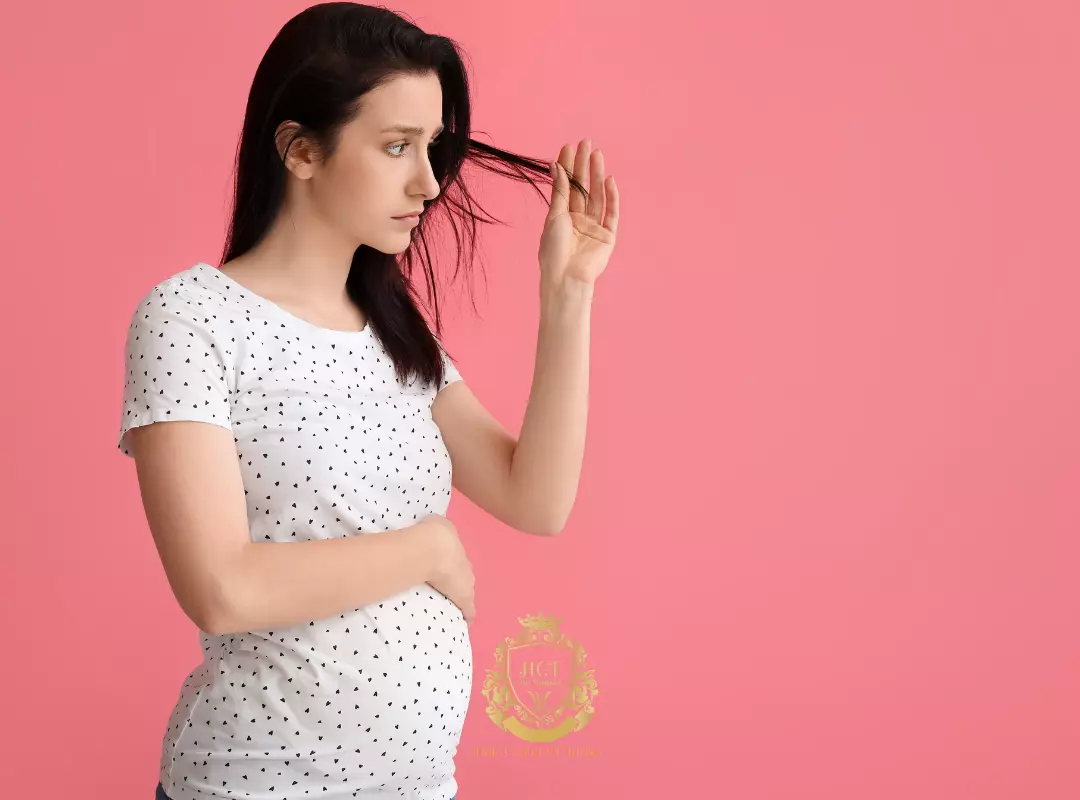
Hair loss can happen during pregnancy or, more commonly, 2–4 months after delivery when hormone levels shift and hair follicles return to their usual growth cycle. In most cases, the shedding is temporary and settles within 6–12 months postpartum. If you notice patchy bald spots, scalp symptoms, or ongoing shedding, get checked.
Table of Contents
Is hair loss during pregnancy normal?
Pregnancy changes the balance of hormones—especially estrogen—which can affect the hair growth cycle. Many people notice thicker hair during pregnancy because fewer hairs enter the shedding phase. After birth, hormone levels fall and a larger number of hairs may shed at once, which can feel dramatic but is usually normal.
Some people also notice increased shedding during pregnancy. When it happens, it’s often related to factors such as nutrition, thyroid function, scalp conditions, stress, or genetics rather than pregnancy hormones alone.
Typical timeline
Hair changes vary, but many people follow a predictable pattern:
- During pregnancy: hair may feel fuller, or shedding may stay the same.
- 2–4 months postpartum: shedding often increases and may peak around month 4.
- 6–12 months postpartum: growth typically returns to its usual pattern as the cycle stabilizes.
Common causes of hair loss during pregnancy
Hormone shifts and the hair growth cycle
Hormonal fluctuations can shift more hairs into the resting (telogen) phase, leading to increased shedding. This type of diffuse shedding is often called telogen effluvium and is usually temporary.
Stopping hormonal birth control
If you stopped the pill or another hormonal method shortly before conception, the change can trigger shedding—especially in people with a genetic tendency toward hair thinning.
Nutrition issues and iron deficiency
Nausea, vomiting, or limited intake can make it harder to meet protein, iron, and other nutrient needs. Iron deficiency (with or without anemia) is a common contributor to shedding and should be assessed by a clinician before supplementing above prenatal levels.
Thyroid problems
Pregnancy can unmask thyroid disorders or change thyroid hormone requirements. Underactive or overactive thyroid function may contribute to hair loss alongside symptoms such as fatigue, palpitations, sleep changes, or temperature sensitivity.
Scalp conditions
Dandruff, eczema, psoriasis, and fungal infections can cause scalp irritation and shedding. If you have itching, redness, scaling, or pain, it’s worth getting the scalp checked.
Pregnancy-related conditions and medicines
Conditions such as gestational diabetes, high blood pressure disorders, and infections may indirectly affect hair through stress on the body or, in some cases, medication side effects. Never stop a prescribed medicine without medical advice.
PCOS and other hormonal disorders
Polycystic ovary syndrome (PCOS) and other hormone-related conditions can contribute to hair thinning, acne, and increased body hair. Pregnancy may change symptoms, but underlying hormonal sensitivity can still affect hair.
Genetic predisposition
If close relatives experienced pregnancy-related shedding or have a history of androgenetic (pattern) hair loss, you may be more likely to notice thinning.
When to see a doctor
Seek medical advice sooner rather than later if you notice any of the following:
- Patchy hair loss, sudden bald spots, or hair breaking off in clumps
- Significant scalp itching, burning, redness, pus, or heavy scaling
- Symptoms of anemia (unusual fatigue, dizziness, shortness of breath)
- Signs of thyroid imbalance (rapid weight change, palpitations, heat/cold intolerance)
- Shedding that continues beyond 12 months after delivery or keeps getting worse
Pregnancy-safe ways to support hair and scalp health
Eat a balanced, pregnancy-safe diet
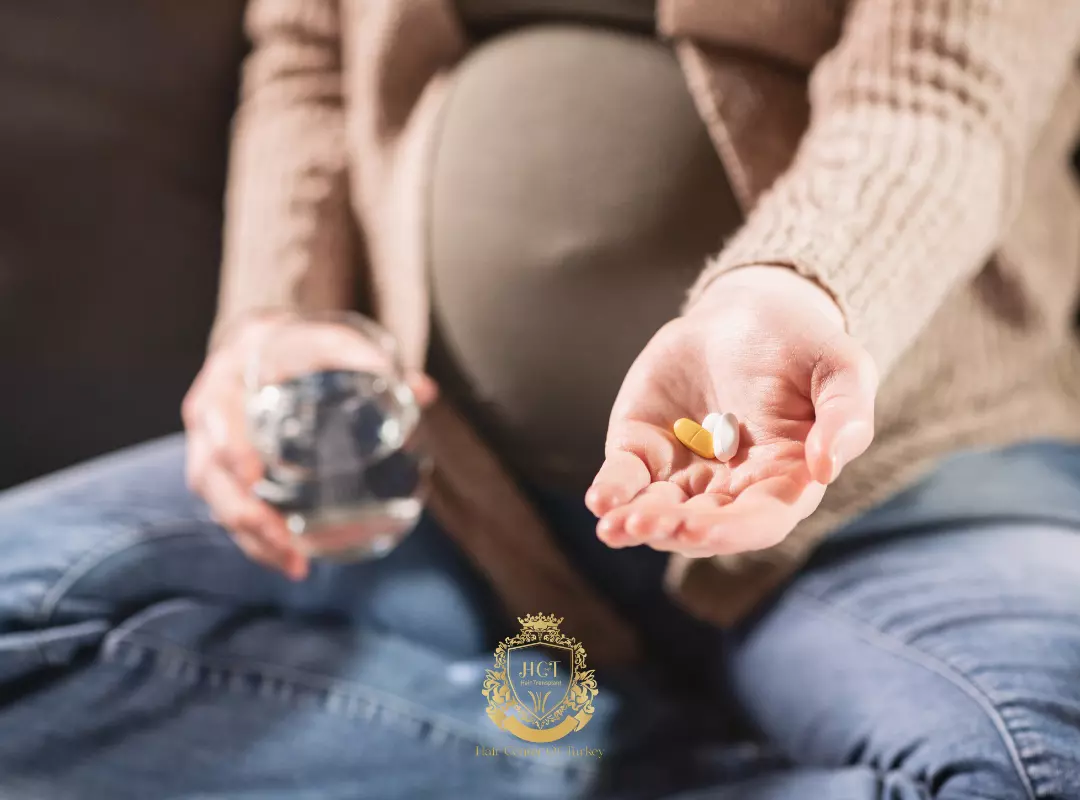
Aim for consistent protein intake and include iron-rich foods (such as lean meats, legumes, and leafy greens), plus zinc- and vitamin C–rich foods. Use prenatal vitamins as recommended by your clinician, and only take extra supplements if your healthcare team advises it.
Be gentle with styling
Avoid tight braids, ponytails, and extensions that pull on the roots. Limit high-heat tools and choose low-tension styles that don’t strain the hairline.
Choose mild hair products
Stick with gentle shampoos and conditioners and avoid harsh treatments if your scalp feels sensitive. Some people look for products containing ingredients like biotin or silica, but results vary and strong evidence is limited—gentle handling tends to matter more.
Scalp care and oils
Light scalp massage can feel soothing and may help with product distribution. If you use oils, choose simple carrier oils (such as coconut or olive oil) and patch test first. Essential oils can be irritating and some are not recommended in pregnancy, so check with your clinician before using them.
Manage stress and recovery
Stress, sleep disruption, and rapid weight changes can worsen shedding. Gentle movement, relaxation techniques, and asking for support with rest and nutrition can make a meaningful difference.
FAQs
Is it normal to lose hair during pregnancy?
Mild shedding can occur, but heavy loss in pregnancy isn’t typical; get checked.
What trimester does hair loss peak in pregnancy?
Hair shedding usually peaks postpartum, about three to four months after delivery.
How to keep pregnancy hair?
Keep pregnancy hair with prenatal vitamins, protein, gentle styling, and treating iron/thyroid problems.
What are the signs of an unhealthy pregnancy?
Seek urgent care for bleeding, severe pain, fever, vision changes, swelling, reduced fetal movement.
What does stress hair loss look like?
Stress hair loss causes diffuse thinning and increased shedding about three months after stress.
What vitamins help with pregnancy hair loss?
Use prenatal vitamins; iron and vitamin D help only if tests show deficiency.
How to stop losing hair while pregnant?
See your obstetrician; correct iron/thyroid issues, eat protein, and avoid unapproved treatments.