

Foods That Are Good For Hair
Nutrition plays a key role in maintaining healthy hair growth and reducing nutrition-related hair shedding.
While diet cannot reverse genetic or age-related hair loss, consuming the right nutrients helps support the scalp, strengthen hair shafts, and maintain normal hair growth cycles.
Table of Contents
How Nutrition Affects Hair Health
The scalp contains between 100,000 and 350,000 hairs, and losing 50–100 hairs per day is considered normal. When hair loss exceeds this range for a prolonged period, nutritional deficiencies may be one of the contributing factors.
Hair follicles are metabolically active and depend on adequate intake of protein, vitamins, and minerals. Restrictive or low-protein diets, rapid weight loss, and micronutrient deficiencies can disrupt the hair cycle and trigger shedding.
Key Nutrients That Support Hair
Foods that support hair health provide one or more of the following nutrients:
Vitamin C
Vitamin D
Vitamin A (in balanced amounts)
B-complex vitamins, including biotin
Iron
Zinc
Folic acid
Selenium
Protein
Omega-3 and omega-6 fatty acids
Balanced intake is essential. Excess supplementation, particularly vitamin A, may worsen hair loss.
Foods That Support Hair Health
Eggs
Eggs are an excellent source of high-quality protein and biotin, both essential for keratin production.
They also contain zinc and selenium, which support follicle function. Including eggs regularly, such as at breakfast, can help meet daily protein needs.
Spinach
Spinach provides iron, folate, and vitamins A and C, which support oxygen delivery to hair follicles.
Adequate iron intake helps maintain normal hair growth, especially in individuals prone to iron deficiency.
Sweet Potatoes
Sweet potatoes are rich in beta-carotene, which the body converts into vitamin A.
Vitamin A supports sebum production, helping maintain scalp moisture. Intake should remain balanced, as excessive vitamin A may contribute to shedding.
Nuts
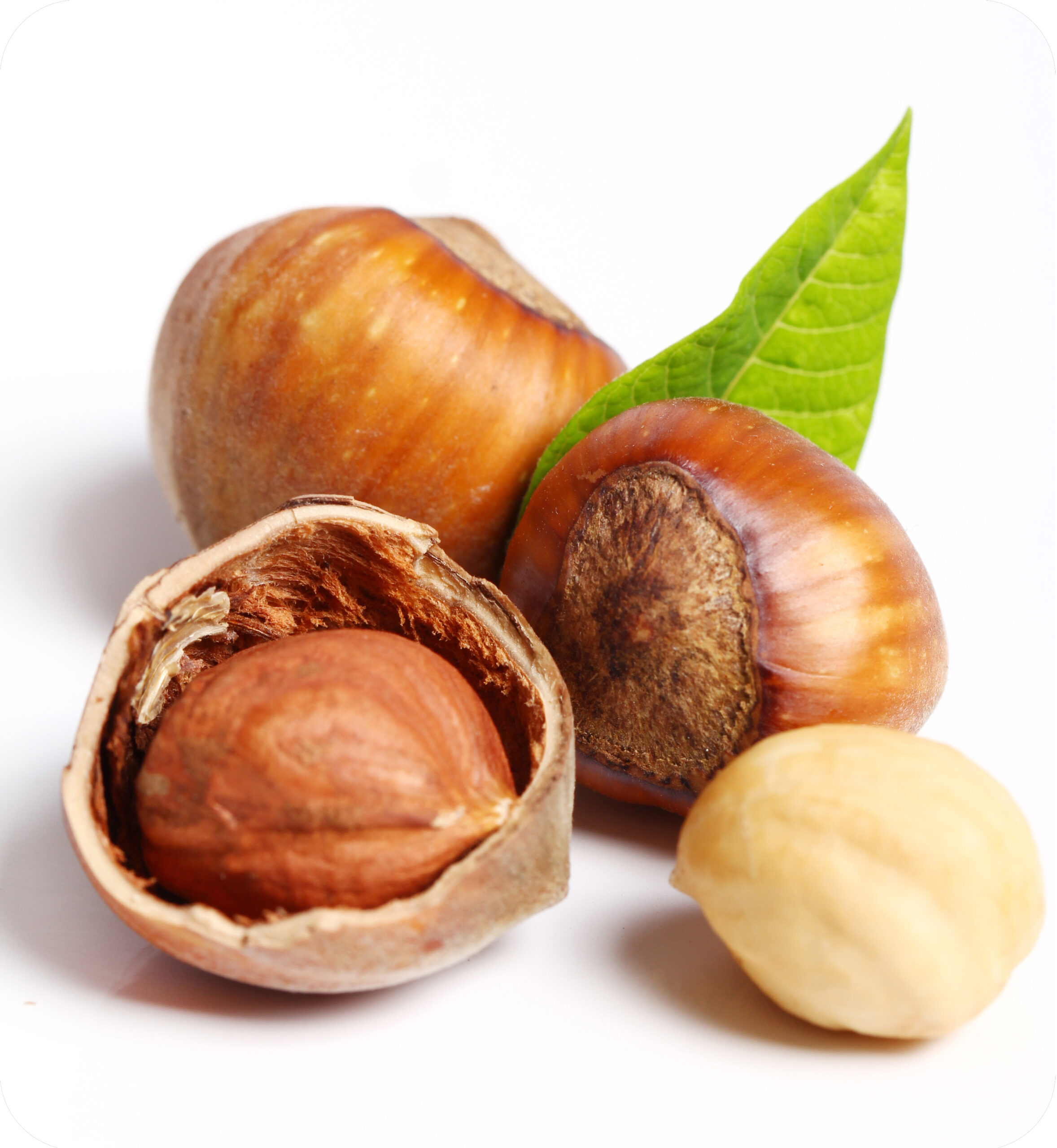
Nuts such as almonds, walnuts, and hazelnuts provide vitamin E, zinc, healthy fats, and antioxidants.
These nutrients help protect follicles from oxidative stress and support scalp circulation. A small daily portion is sufficient.
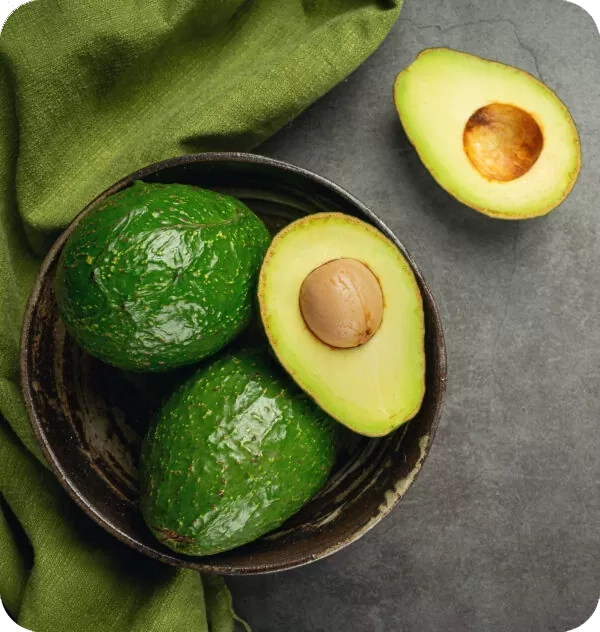
Avocados
Avocados are a strong source of vitamin E and healthy fats.
Vitamin E helps protect the scalp from oxidative damage and supports hair quality. Avocados also contribute to overall skin and scalp health.
Salmon
Salmon is rich in omega-3 fatty acids, vitamin D, selenium, and B vitamins.
Omega-3 fatty acids help maintain scalp health and may support hair density. Consuming fatty fish once or twice per week is beneficial.
Buckwheat And Whole Grains
Whole grains provide B vitamins, iron, and silica, which support hair structure and strength.
Including whole grains at breakfast or meals helps support both hair health and overall metabolic balance.
Citrus Fruits (Mandarin, Orange)
Citrus fruits are high in vitamin C, which aids iron absorption and supports collagen production.
Vitamin C contributes to hair strength, shine, and scalp health.
Cinnamon
Cinnamon may support circulation due to its bioactive compounds.
While it does not directly regrow hair, moderate dietary use may support scalp blood flow as part of a balanced diet.
Water
Adequate hydration is essential for hair and scalp health.
Water supports nutrient delivery, scalp moisture balance, and overall cellular function. Insufficient hydration may worsen dryness and fragility.
What Nutrition Can And Cannot Do
Nutrition can:
Support healthy hair growth
Reduce shedding caused by deficiencies
Improve hair texture and strength
Nutrition cannot:
Reverse genetic hair loss
Reactivate inactive hair follicles
Replace medical treatment when disease is present
Frequently Asked Questions
What to eat to reduce hair fall and increase hair growth?
Eat protein, iron-rich foods, omega-3s, and vitamin D sources to support growth.
What to eat for not losing hair?
Eat enough protein and calories; deficiencies commonly worsen shedding.
What foods boost hair growth?
Foods with protein, iron, zinc, biotin, and omega-3s best support hair growth.
What can I drink to regrow hair?
No drink reliably regrows hair; drink water and meet protein needs.
Which fruit stops hair fall?
No fruit stops hair fall; vitamin C fruits help iron absorption.
Are there foods to avoid for hair fall?
Avoid crash diets and excess alcohol; limit ultra-processed, high-sugar foods.
What vitamins prevent hair loss?
Prevent loss by correcting deficits in iron, vitamin D, B12, and zinc.
Explore the complete guide: Hair Care and Products