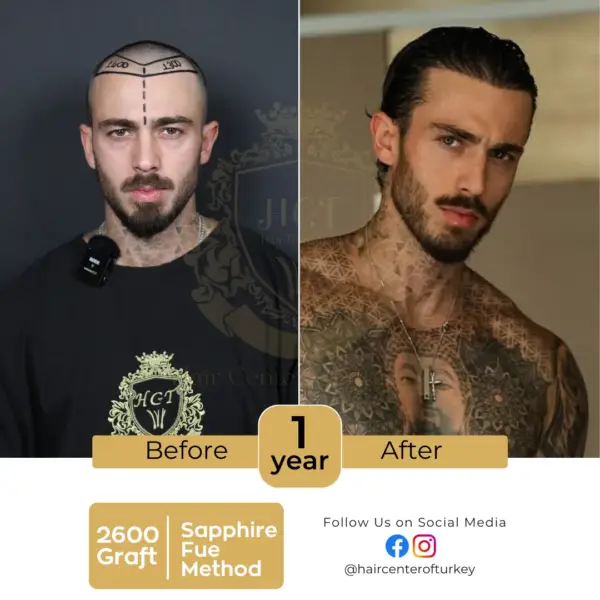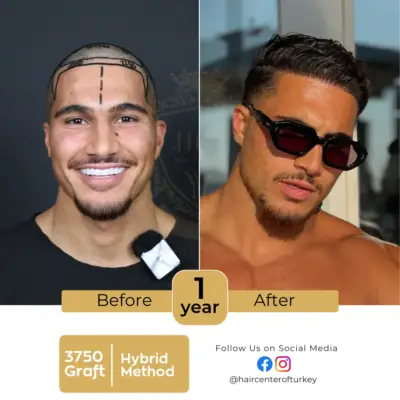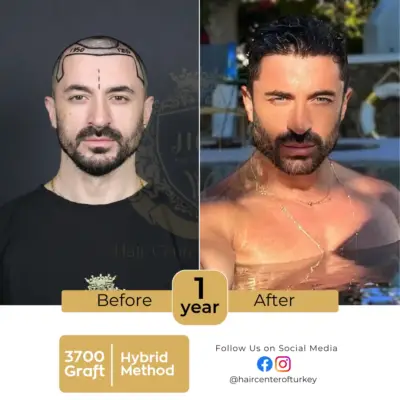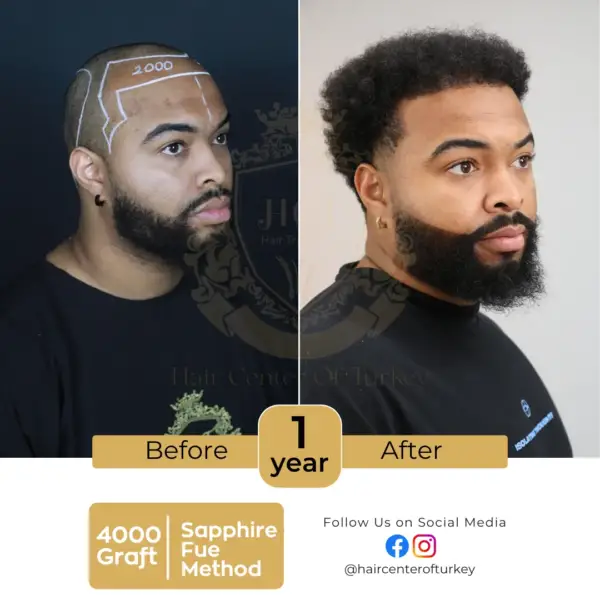


At Hair Center of Turkey, one of the most common questions our patients ask is whether you can get a hair transplant from another person. In nearly all cases, the answer is no: your immune system rejects follicles taken from someone else, so modern techniques like FUE and DHI must use your own donor hair. The only real exception is an identical twin, whose genetically identical tissue isn’t rejected by the body.
In nearly all cases, no. Hair follicles from another person are treated as “foreign” tissue, so the immune system can attack them and the grafts fail. Successful person-to-person hair transfer is rare and typically limited to very specific scenarios, such as identical twins or special medical circumstances.
Hair transplant methods can deliver natural-looking improvement when you have a usable donor area. But if hair loss is advanced or the donor zone is weak, it’s normal to wonder whether hair can be “borrowed” from someone else.
Below is the medically grounded answer, plus realistic options if your donor supply is limited.
Table of Contents
Can You Have A Hair Transplant Using Hair From Someone Else?

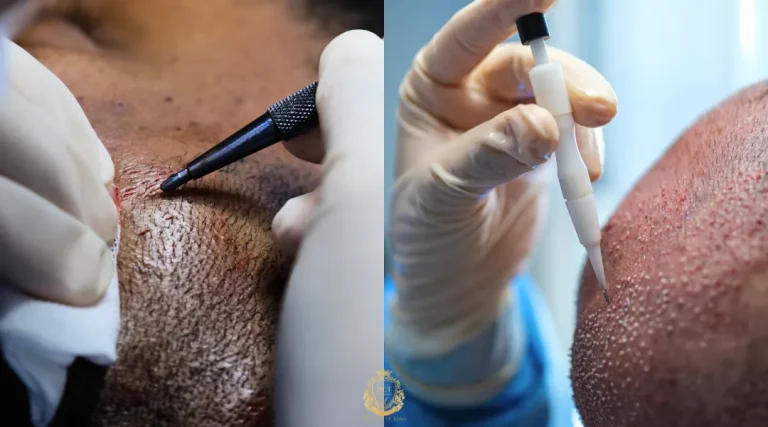
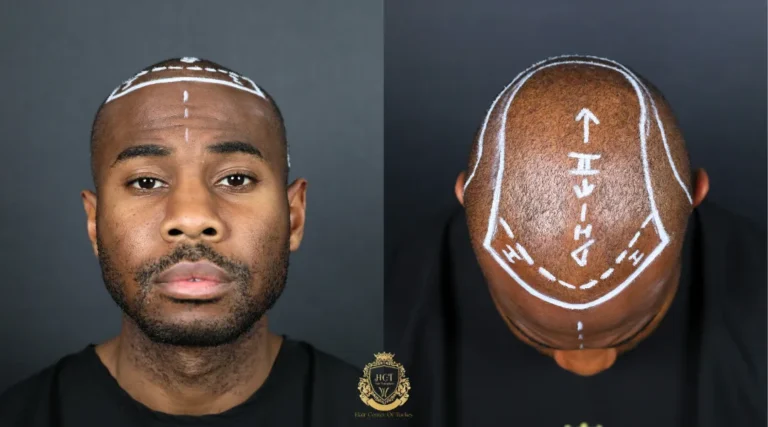
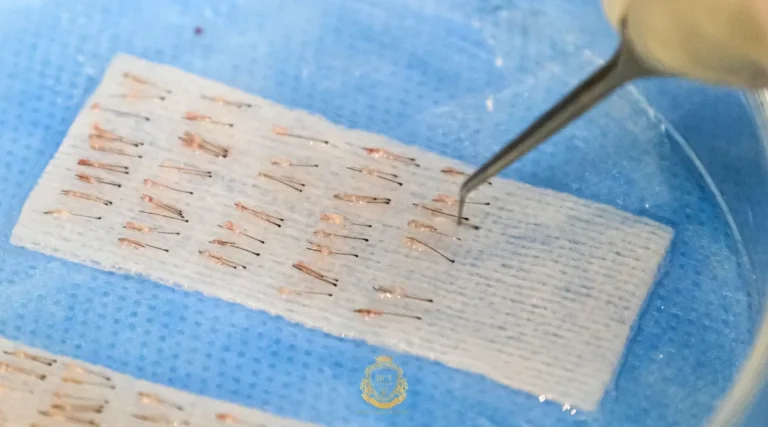
Hair transplantation works by moving your own hair follicles (usually from the back and sides of the scalp) to thinning or bald areas. Each follicle contains living cells and carries biological markers that your immune system can recognize.
When follicles come from another person, the body may identify them as non-self tissue and trigger an immune response. Without aggressive immune-suppressing drugs, the chance of long-term survival is very low.
Why Organ Transplants Can Work But Hair Transplants Usually Don’t
With vital organ transplants, doctors use immunosuppressive medication to reduce rejection risk. That trade-off is considered acceptable because the organ is life-saving.
Hair restoration is elective. Long-term immune suppression carries serious risks, so it’s not considered a reasonable approach for cosmetic hair growth in routine practice.
What If The Donor Is A Family Member?
Even if hair color, thickness, and curl pattern look similar, genetic similarity doesn’t guarantee immune compatibility. In most cases, follicles from a parent, child, or sibling can still be recognized as foreign and rejected.
So, a transplant from a relative is not viewed as a reliable or standard solution.
What About Identical Twins?

Identical twins share the same DNA, which can reduce the risk of immune rejection. There are published reports of hair transplantation between monozygotic (identical) twins, including medical case literature.
Even so, twin-to-twin cases are uncommon and still need careful medical evaluation. This is not part of everyday clinical hair restoration.
What Does Research Say About Hair Transfer Between Unrelated People?
A widely reported set of experiments from 1999 involved Dr. Colin Jahoda and Dr. Amanda Reynolds, where tissue associated with hair follicles was transplanted and produced hair growth on the forearm in the short term. Media coverage at the time described the work as involving dermal sheath–related cells and early observations of growth.
This research is often discussed as “promising,” but it did not turn person-to-person hair transplantation into a routine, proven option for scalp restoration. Today, mainstream practice still relies on using the patient’s own donor follicles.
If Your Donor Area Is Weak, What Are The Real Alternatives?
If scalp donor density is limited, these options are commonly considered during a consultation:
Body Hair Transplant (BHT)
In selected patients, grafts can be harvested from the beard or body. Texture, growth cycle, and yield can differ from scalp hair, so planning matters.
Combining Medical Therapy With Surgery
Some patients stabilize ongoing loss with clinician-guided treatment (for example, prescription or topical options), then use surgery to rebuild key zones.
Scalp Micropigmentation (SMP)
SMP can reduce scalp contrast and create the look of density, either alone or alongside a transplant.
Lower-Hairline Expectations And Strategic Design
A conservative, age-appropriate hairline and targeted density in high-impact areas can improve the overall look without overusing grafts.
FAQ
Can hair be cloned for transplant?
No; hair-follicle cloning for transplantation is experimental and not clinically available.
Can I get my hair donated from another person?
No; person-to-person hair donation isn’t offered routinely because it requires immunosuppression.
Would my body reject hair transplanted from someone else?
Yes; without immunosuppression, your immune system would reject allogeneic hair follicles.
Are there medical risks in receiving hair from another donor?
Yes; risks include infection, scarring, immune rejection, disease transmission, and immunosuppression side effects.
What are the future alternatives to traditional hair transplants?
Future alternatives include autologous stem-cell–derived follicles, follicle banking, and regenerative cell therapies.
Explore the complete guide: Hair Transplant Planning and Candidacy