




Why Do Hair Roots Hurt? Causes Of Scalp Pain And How To Relieve It
Hair “root pain” is usually scalp tenderness caused by tension, irritation, or inflammation around hair follicles. Common triggers include tight hairstyles, product buildup, dandruff or dermatitis, and sunburn. Relief often starts with loosening your style, gentle cleansing, and moisturizing the scalp. See a clinician if pain is severe, persistent, or comes with rash, swelling, fever, or hair loss.
Common Reasons Your Hair Roots Hurt
Tight Hairstyles And Traction
If your hair is pulled back tightly (ponytails, braids, buns, extensions), the constant tension can make the scalp feel bruised or sore. Pain often peaks right after you take the style down because the follicles and scalp nerves have been under strain. If you regularly feel soreness at the hairline, it’s a sign to reduce tension before breakage or thinning starts.
Scalp Inflammation And Skin Conditions
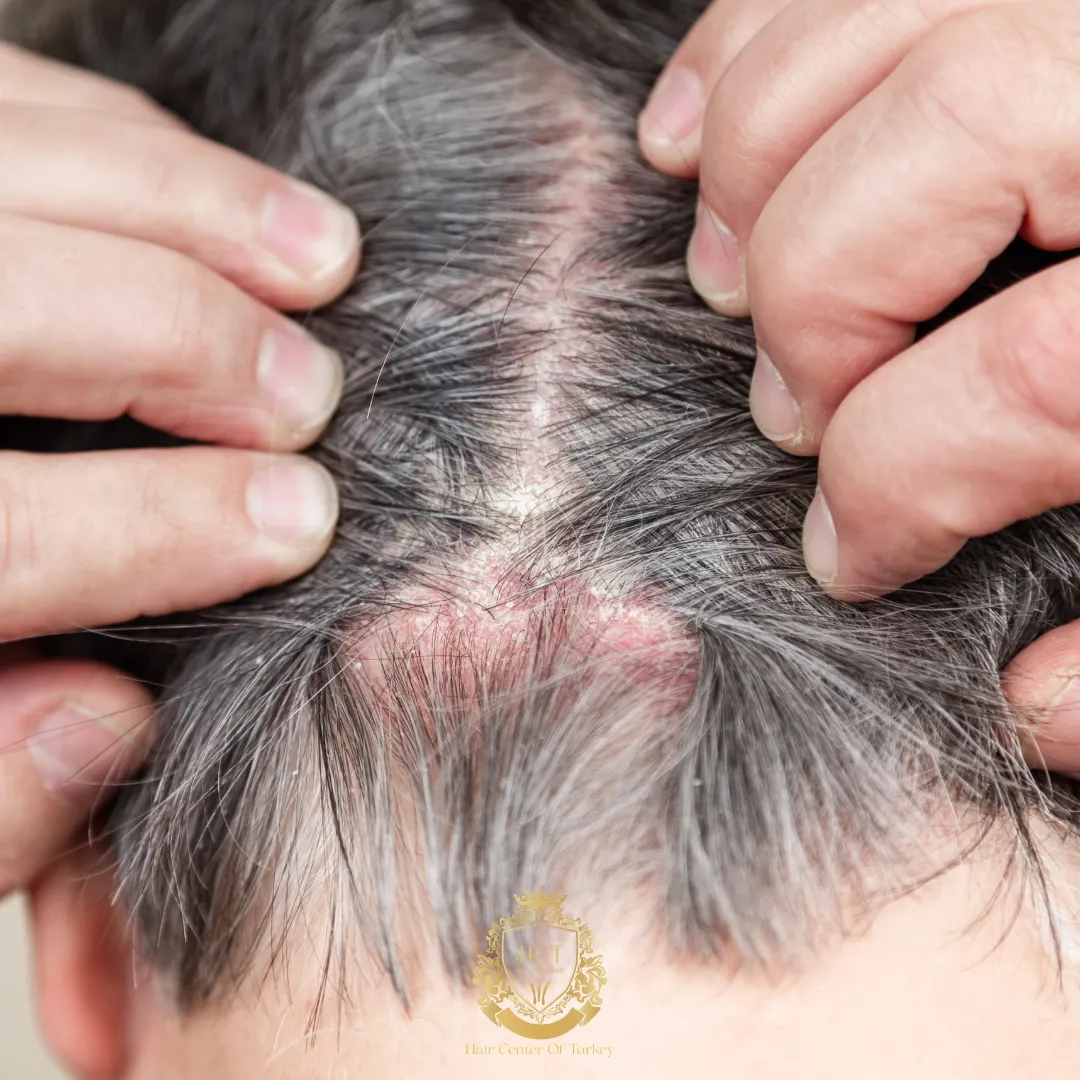
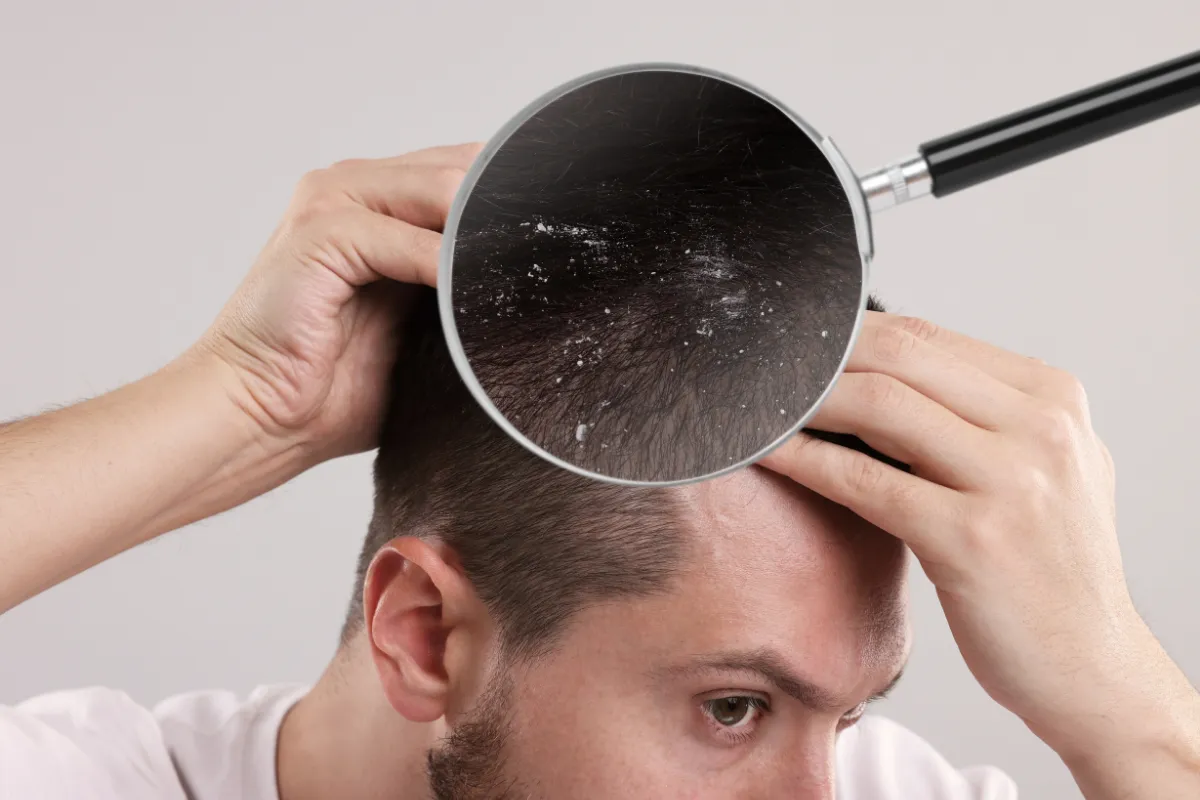
Inflammation on the scalp can make even light touch feel painful. Dandruff (seborrheic dermatitis), psoriasis, and folliculitis can cause tenderness along with flaking, redness, bumps, or itching. If you notice sores, pustules, or spreading redness, don’t try to “scrub it off” at home—get it checked.
Product Buildup, Oil, And Sensitive Follicles
Heavy styling products, dry shampoo, and infrequent washing can leave buildup that irritates the scalp and clogs follicles. An overly oily scalp can also feel tender because sebum and sweat change the scalp environment and may worsen dandruff-prone skin. A consistent wash routine and a thorough rinse usually make a noticeable difference within a week or two.
Dry Scalp, Irritation, And Sunburn
A dry, dehydrated scalp can sting, especially when you move your hair. Hot tools, harsh shampoos, or cold weather can strip the scalp barrier and leave it reactive. Sunburn on the part line is another classic cause of “root pain,” and it can linger for days.
Headaches, Neck Tension, And Nerve-Related Pain
Sometimes the scalp hurts because the pain is coming from elsewhere. Tension headaches, migraines, or neck muscle tightness can make the scalp feel tender to combing or brushing. Occipital nerve irritation can also cause sharp or burning pain that radiates from the base of the skull toward the scalp.
Trichodynia (Scalp Pain Without Clear Skin Changes)
Some people experience aching, burning, or “crawling” sensations on the scalp even when the skin looks normal. This is often described as trichodynia and may be linked to stress, heightened nerve sensitivity, or periods of increased shedding. Because it can overlap with other conditions, persistent symptoms deserve a medical review.
Can Hair Washing Habits Make Scalp Pain Worse?
Yes. Overwashing, very hot water, and strong shampoos can dry out the scalp and increase sensitivity. On the other hand, washing too rarely can lead to oil and product buildup that irritates follicles. Aim for gentle cleansing, lukewarm water, and a shampoo that suits your scalp type (oily, dry, or dandruff-prone).
How Stress Can Trigger Hair Root Pain
Stress can tighten the muscles around the scalp and neck and make the nervous system more reactive to touch. It can also worsen inflammatory scalp conditions and sometimes coincides with increased shedding. If soreness flares during high-stress weeks, improving sleep, hydration, and relaxation habits can help reduce sensitivity.
Best Ways To Relieve Hair Root Pain
Try these practical steps to calm the scalp and reduce tenderness:
- Loosen tight hairstyles and avoid styles that pull at the hairline.
- Wash with a mild, sulfate-free shampoo and rinse thoroughly to remove buildup.
- Use a lightweight, fragrance-free scalp moisturizer if dryness is a problem.
- Apply a cool compress for 5–10 minutes if the scalp feels hot or inflamed.
- Massage gently with fingertips (no scratching) to improve comfort and circulation.
- Limit heat styling for a few days and protect your part line with SPF or a hat outdoors.
If dandruff, itching, or redness is part of the picture, an anti-dandruff shampoo may be needed. Follow the label directions and give it a few weeks to work, unless irritation shows up sooner.
When To See A Doctor
Get medical advice if scalp pain lasts longer than two weeks, keeps coming back, or is severe enough to disrupt sleep. Seek urgent care if you have fever, spreading redness, pus-filled bumps, sudden patchy hair loss, or intense pain at the back of the head with scalp sensitivity. A clinician can rule out infection, inflammatory skin disease, or nerve-related causes and recommend targeted treatment.
This information is general and isn’t a substitute for diagnosis or treatment from a licensed healthcare professional.
FAQs About Hair Root And Scalp Pain
Is it normal for my scalp to hurt when I move my hair?
Mild tenderness can happen after a tight hairstyle, sun exposure, or a flare of dandruff or irritation. If it’s new, worsening, or persistent, treat it as a symptom worth investigating.
Can shampoo cause hair root pain?
Yes. Harsh formulas, heavy fragrance, or frequent washing can dry and irritate the scalp. Switching to a gentle shampoo and avoiding very hot water often helps.
How do I know if scalp pain is serious?
Pain that is severe, lasts more than two weeks, or comes with redness, bumps, drainage, or hair loss should be assessed by a healthcare professional.
Can changing hairstyles help?
Often, yes. Low-tension styles, alternating part lines, and avoiding constant pulling at the hairline can reduce tenderness and lower the risk of traction-related problems.
Can diet affect scalp discomfort?
Indirectly. A balanced diet supports overall skin and hair health, and dehydration can worsen dryness and sensitivity. If shedding or scalp issues persist, a clinician can check for deficiencies or underlying conditions.