






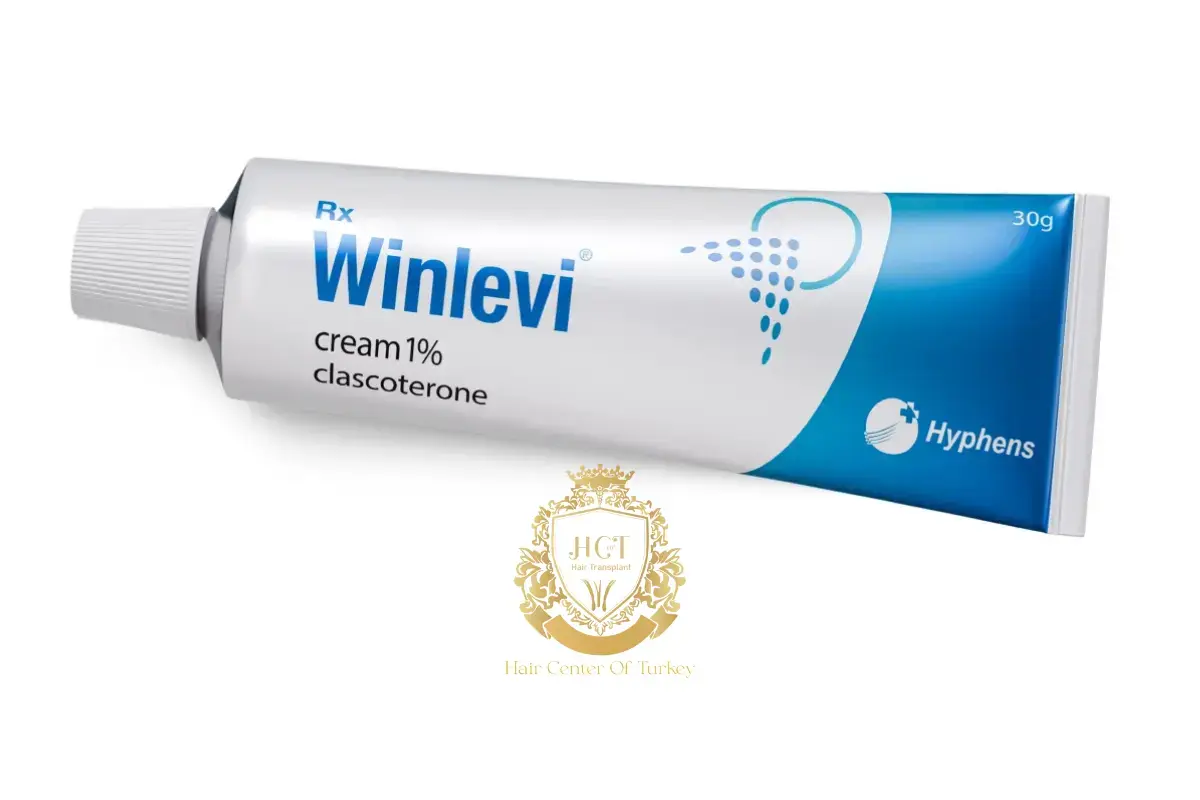
What Is Clascoterone?
Clascoterone is a topical anti-androgen medication. In simple terms, it helps reduce the skin’s response to androgens (hormones like testosterone and dihydrotestosterone) at the receptor level. The best-known brand is Winlevi, a 1% cream prescribed for acne.
Unlike oral anti-androgens, clascoterone is designed to act mainly where you apply it. That local approach is the reason it has attracted attention not only in acne care, but also in other androgen-influenced concerns such as oily scalp and androgenetic (pattern) hair loss research.
Table of Contents
Clascoterone (Winlevi): What It Is, How It Works, and What It Can (and Can’t) Do
Clascoterone (sold as Winlevi) is a prescription topical medication that blocks androgen receptors in the skin. It’s approved to treat acne by reducing androgen-driven oil production and inflammation. It is not a typical “steroid cream,” and it isn’t yet an approved hair-loss treatment. Here’s what to know about benefits, safety, cost, and common hair-related questions.
How Winlevi Works on Acne
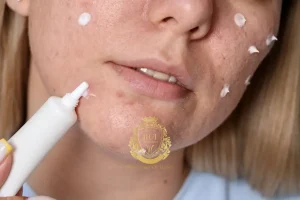
Acne is often driven by a mix of clogged pores, bacteria, inflammation, and sebum (oil). Androgens can increase sebum production, which can make breakouts harder to control. Winlevi works by blocking androgen receptors in the pilosebaceous unit, helping reduce oiliness and inflammation over time.
Most people use it as part of a broader routine that may also include a gentle cleanser, moisturizer, sunscreen, and—when needed—other prescription topicals. Your clinician will advise how to layer products to reduce irritation and keep treatment consistent.
Is Clascoterone a Topical Steroid?
This is a common point of confusion. Clascoterone is a steroidal molecule in terms of chemistry, but it is not used as a topical corticosteroid the way hydrocortisone or betamethasone creams are used for eczema and rashes. Its intended action is anti-androgenic, meaning it blocks androgen receptors in the skin.
That distinction matters because “steroid creams” usually refer to corticosteroids that calm immune-driven inflammation. Clascoterone isn’t prescribed for that purpose, and it shouldn’t be treated as a substitute for dermatologic steroid therapy.
Side Effects and Safety Basics
Most reported side effects are local and mild-to-moderate, such as redness, dryness, itching, burning, or peeling at the application site. These are similar to reactions seen with many topical acne treatments, especially early on.
Because the medication is meant to act locally, systemic absorption is generally low when used as directed. Still, it’s important to follow dosing instructions—especially if you are applying to large areas, using occlusive dressings, or combining multiple strong topicals.
Can Clascoterone Help With Hair Loss?
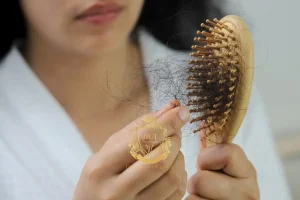
Interest in clascoterone for hair is based on the same hormone pathway that affects acne and oily skin. In androgenetic alopecia, dihydrotestosterone (DHT) can gradually shrink susceptible hair follicles. Blocking androgen receptors in the scalp is a logical strategy, and clinical studies are exploring it.
For now, it’s important to separate research interest from real-world expectations. Winlevi 1% is approved for acne, not hair regrowth. If you’re dealing with thinning, a clinician can help confirm the cause and build a plan using treatments with established results, such as topical minoxidil, and (for appropriate patients) prescription options like finasteride or dutasteride.
Where It Fits for Patients Considering Hair Restoration
At Hair Center of Turkey, we often see people who have tried many products before they consider hair transplantation. The first step is always diagnosis. Pattern hair loss, telogen effluvium, traction alopecia, and inflammatory scalp conditions can look similar at first glance, but they require different strategies.
If hair loss is androgen-driven, a doctor may discuss medical therapy to stabilize shedding and protect existing follicles. That medical foundation matters, even if you later choose a transplant, because it helps preserve non-transplanted hair over the long term.
Frequently Asked Questions
Is clascoterone a steroid?
Yes, it’s a synthetic steroidal antiandrogen.
What does clascoterone do for skin?
It blocks androgen receptors, reducing sebum and inflammation to treat acne.
How is clascoterone different from finasteride?
Clascoterone blocks androgen receptors topically; finasteride lowers DHT via 5α-reductase inhibition.
Will clascoterone regrow hair?
Yes, clascoterone 5% showed increased hair counts in Phase 3 trials.
Is clascoterone better than minoxidil?
No; minoxidil has stronger evidence and approval for hair loss.



