






What Are The Best Hair Transplant Clinics In San Francisco?
If you’re looking for a hair transplant in San Francisco, focus less on brand names and more on surgeon credentials, who performs the graft extraction/placement, and the clinic’s track record with natural hairline design. The best Bay Area options typically offer FUE and/or FUT, transparent pricing, realistic density goals, and structured aftercare.

Table of Contents
Hair Transplants in San Francisco
San Francisco and the wider Bay Area have a strong mix of hair restoration providers, from dedicated hair surgery practices to plastic surgery groups that offer hairline work alongside facial procedures. Most clinics focus on follicular unit extraction (FUE) and follicular unit transplantation (FUT), with some offering robotic-assisted harvesting or automated FUE systems. Because pricing and protocols vary widely, the “best” clinic is usually the one that matches your hair type, balding pattern, and long-term plan—not the one with the loudest marketing.
What To Expect During A Hair Transplant
A hair transplant typically starts with an in-person consultation where the surgeon evaluates your donor density, hair caliber, scalp laxity (for FUT), and the stability of your hair loss. On procedure day, the team designs the hairline, administers local anesthesia (sometimes with light oral or IV sedation), then harvests grafts using FUE punches or a FUT strip. Grafts are sorted and placed into recipient sites with careful angle and direction so the final growth looks natural.
Expect visible redness and scabbing for the first week, then a shedding phase during the first month as the transplanted hairs fall out while the follicles stay in place. Early regrowth often starts around the 3–4 month mark, with more meaningful cosmetic change between 6–9 months. Many patients see their best density and texture at 12 months, though some continue improving beyond that depending on hair characteristics and graft count.
Best Hair Transplant Clinics In San Francisco And The Bay Area
The clinics below are commonly chosen by Bay Area patients and offer surgical hair restoration. Availability, pricing, and the specific surgeon you see can change, so treat this as a starting shortlist and confirm details during your consultation.
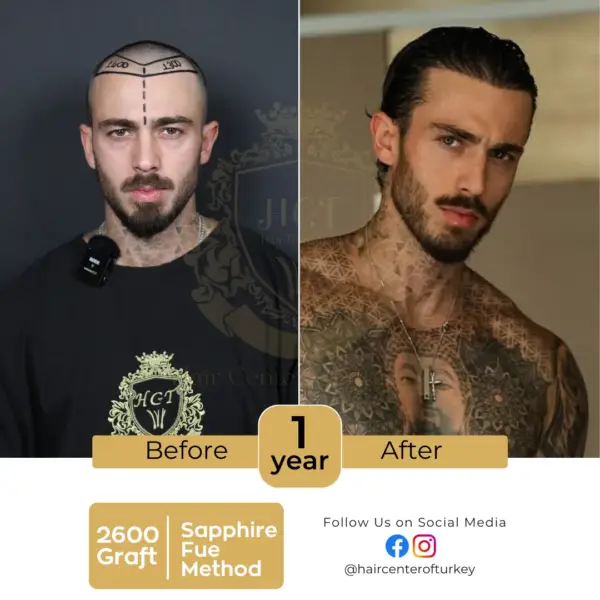
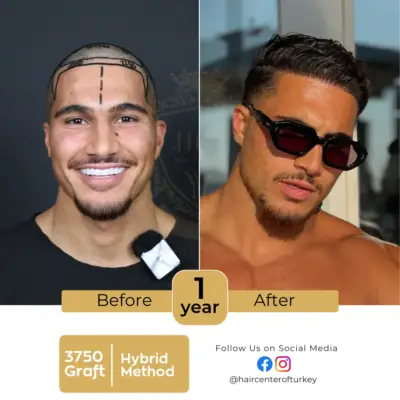
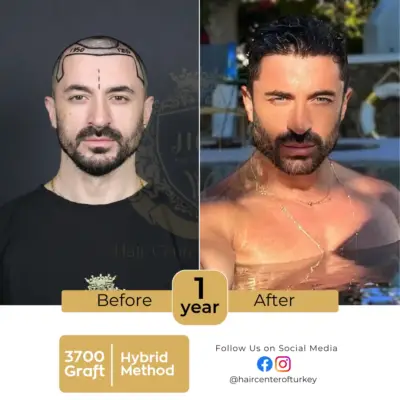
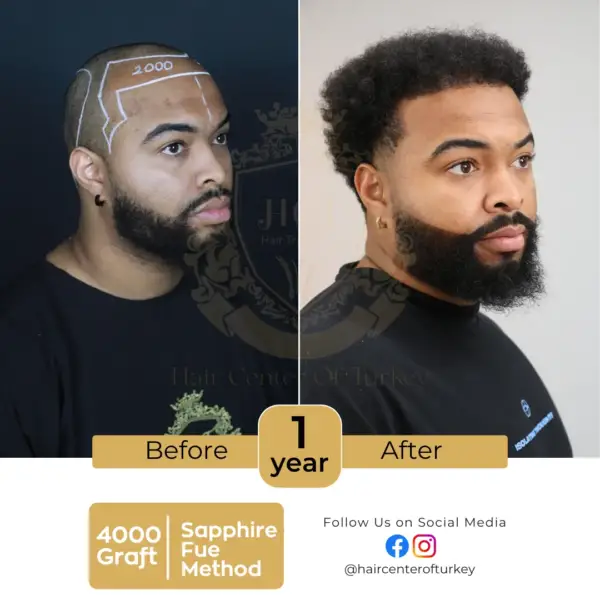
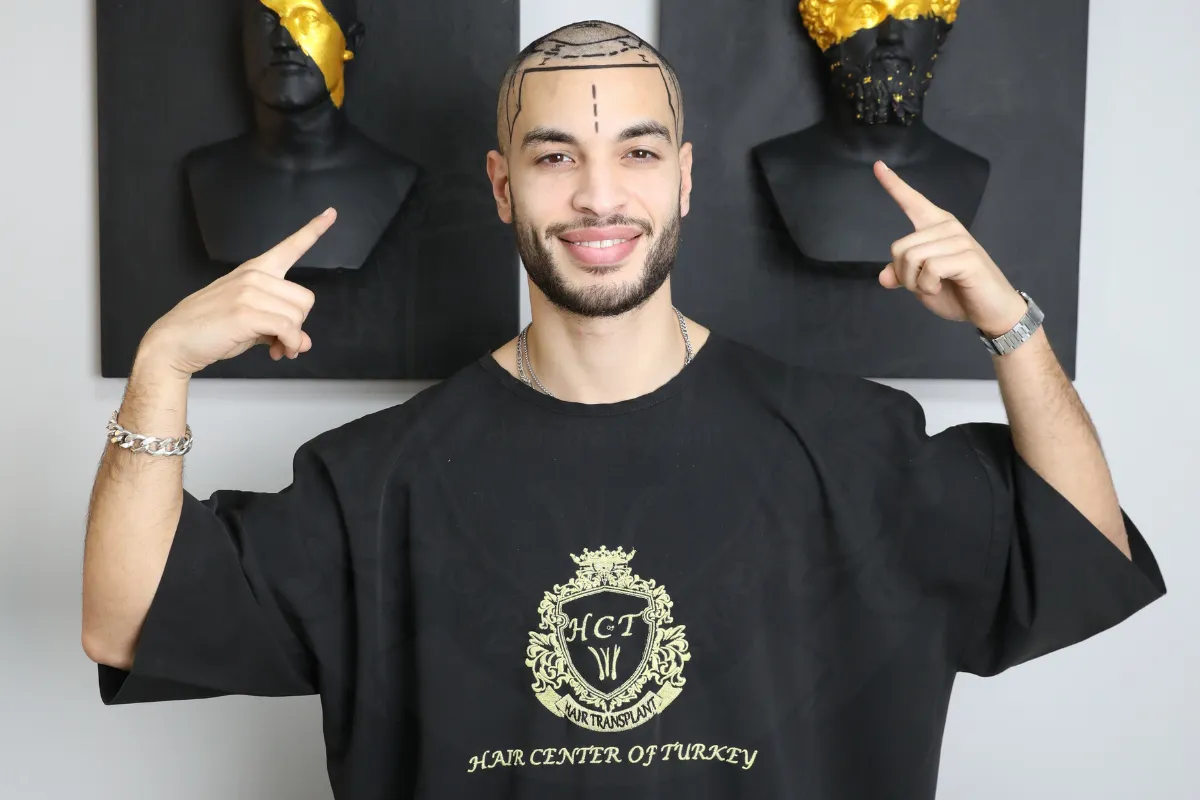
Hair Center of Turkey (İstanbul)
Bay Area’dan gelen hastalar arasında sık tercih edilen, FUE/DHI odaklı saç ekimi ve VIP sağlık turizmi süreç yönetimiyle öne çıkan bir klinik. Konaklama, transfer ve tercüman desteği gibi uçtan uca planlama isteyen hastalar için güçlü bir seçenek.
Lygos Clinic (İstanbul)
Estetik/klinik hizmetleriyle uluslararası hasta deneyimine odaklanan, danışmanlık ve hasta koordinasyonu tarafı güçlü bir klinik. Türkiye’de planlı bir tedavi + seyahat paketi düşünen hastalar için değerlendirmeye değer.
Bosley San Francisco (North Beach)
A large U.S. hair restoration provider with a dedicated San Francisco location offering both surgical and non-surgical options. Best suited for patients who prefer an established national system with standardized processes and financing options.
Pacific Plastic Surgery Group / Hair Transplant Center (Civic Center)
A San Francisco plastic surgery group that also offers hair restoration, including FUE-style procedures such as NeoGraft and surgical options for hairline and density work. A good fit for patients who want hair work within a broader surgical practice.
Sieber Plastic Surgery (Union Square)
A San Francisco-based plastic surgery practice that provides hair transplant procedures and often treats complex aesthetic hairline cases, including hairline lowering and feminizing hairlines. Worth considering if hairline design and facial harmony are top priorities.
Thomas S. Rosanelli, MD (Marina District)
Listed as a Diplomate of the American Board of Hair Restoration Surgery (ABHRS) with a San Francisco address. ABHRS certification is a useful signal when you’re comparing surgeon training and focus.
Silicon Valley Hair Institute (Foster City)
A Bay Area hair restoration practice led by Dr. Miguel Canales that highlights robotic-assisted FUE (ARTAS) and surgical options for a range of hairline and density goals. Convenient for patients who want a dedicated hair clinic just south of San Francisco.
John Diep, MD (Los Gatos; Bay Area option)
An ABHRS diplomate serving Bay Area patients, with an established hair restoration practice and long-standing focus on surgical hair transplantation. Consider this option if you’re open to traveling within the Bay Area for a surgeon with board certification in hair restoration.
Sara Wasserbauer, MD (Walnut Creek; Bay Area option)
A Bay Area hair restoration surgeon who is ABHRS-certified and widely referenced for education on pricing, graft planning, and surgical technique. A strong option if you want a credentialed hair-focused practice in the East Bay.
How Much Does A Hair Transplant Cost In San Francisco?
Most San Francisco-area hair transplants fall into a wide band because clinics price by graft count, technique, and surgical team structure. Many patients see quotes in the mid-four to low-five figures for typical sessions, and per-graft pricing is common for FUE. A consultation is the only way to get a reliable number because donor limits, hair caliber, and the density target change the graft plan.
As a reference point, U.S. patient resources commonly cite totals around the $6,000–$12,000 range for many cases, with lower and higher outliers depending on graft count and clinic. Some surgeons also describe typical pricing around $4–$5 per graft, which can place many cases in roughly the $5,000–$13,000 range. Large sessions, repair work, or premium positioning and packing density can push costs higher.
Choosing Between FUE And FUT
FUE removes follicular units one by one with small punches, leaving tiny dot scars that are usually hard to spot once healed. It’s popular for patients who wear short hair or prefer to avoid a linear scar, and it can be performed manually, with automation, or with robotic assistance. FUE can also be time-intensive for large graft counts and may cost more per graft at some clinics.
FUT (strip surgery) removes a narrow strip of donor scalp and closes the area with a fine-line scar hidden under surrounding hair. It can be efficient when many grafts are needed and can preserve donor area follicles for long-term planning. FUT isn’t ideal for everyone, especially if you plan to wear very short hair or have limited scalp laxity.
How To Choose A Clinic
Use your consultation to verify who is responsible for the most delicate parts of surgery—especially graft extraction, site creation, and placement. Ask for before-and-after examples that match your hair type (straight, wavy, curly; light vs dark; fine vs coarse) and your pattern of loss. Pay close attention to how the clinic talks about realistic density, future hair loss, and medication support, not just the immediate cosmetic change.
- Check surgeon credentials and experience with your hair type and hairline goals (including temples and crown work).
- Confirm the surgical plan in graft numbers, not vague promises.
- Ask how donor management is handled so you still have options in the future.
- Review the aftercare schedule (washing, swelling control, return-to-work timing, and follow-ups).
- Be cautious of “too-good-to-be-true” pricing that isn’t tied to surgeon involvement and a clear graft plan.
Recovery Timeline And Practical Tips
Plan for a low-key first week: you’ll want time for gentle washing, sleep with your head elevated, and avoiding sweat or friction on the grafts. Most people feel comfortable returning to desk work within several days, while workouts are usually paused longer based on your surgeon’s instructions. If you’re traveling into San Francisco, pick lodging that makes it easy to avoid long walks in sun and wind during the first few days.
San Francisco’s microclimates matter: cold wind and bright sun can irritate a healing scalp, so a loose, surgeon-approved hat and sunscreen guidance are worth asking about. Skip crowded tourist activities right after surgery so you’re not bumping grafts or sweating heavily. Once you’re cleared for normal activity, easy spots like Golden Gate Park or the Embarcadero are more comfortable than steep hill routes.
FAQs About Hair Transplants in San Francisco
Who is the best hair transplant doctor in California?
No universally best; choose an ABHRS-certified, board-certified dermatologist or plastic surgeon with proven outcomes.
How much does a hair transplant cost in San Francisco?
Typically $4,000–$15,000+ depending on grafts, technique, and surgeon.
Which country is best to do a hair transplant?
No single best country; prioritize surgeon credentials, clinic regulation, safety standards, and documented outcomes.
Is it better to get a hair transplant in the USA or Turkey?
USA has stronger regulation; Turkey is cheaper but quality varies—choose surgeon, not country.
Which city in Turkey is best for hair transplant?
Istanbul has the most high-volume, internationally known hair-transplant clinics and surgeons in Turkey.