






What Are the Best Hair Transplant Clinics in Raleigh, NC?
The best hair transplant clinics in Raleigh are the ones that pair an experienced, licensed surgeon with clear treatment planning, realistic graft estimates, and strong before-and-after documentation. Start with a few consultations, compare FUE vs. FUT options, and prioritize clinics that explain aftercare and long-term hair-loss management before you commit. 
Table of Contents
Hair Transplants in Raleigh
Raleigh and the surrounding Triangle area have several options for surgical hair restoration, along with medical and non-surgical treatments. The most common procedures you’ll see locally are FUE (follicular unit extraction) and FUT (strip method), and some providers also advertise DHI-style implantation. Because outcomes depend heavily on patient selection and surgical execution, credentials, case photos, and follow-up care matter as much as the technique.
What to Expect During a Hair Transplant in Raleigh
1) Consultation and planning
Most clinics start with an in-person or virtual consultation where your pattern of hair loss, donor supply, and goals are assessed. You should receive a graft estimate, a discussion of the hairline design, and a clear explanation of what is and isn’t achievable. Ask who performs each step of the procedure and how many patients are scheduled the same day.
2) Procedure day
Hair transplants are usually outpatient procedures performed under local anesthesia, often with mild oral sedation. FUE involves harvesting follicular units from the donor area and placing them into recipient sites, while FUT removes a narrow strip and then dissects grafts. Plan for several hours in clinic depending on graft count and technique.
3) Recovery and timeline
Swelling, redness, and scabbing are common in the first week, and most people return to desk work within several days if they can avoid friction and sweating. Transplanted hairs typically shed early on, then begin regrowing over the following months. Many patients start noticing visible improvement around months 3–4, with fuller maturation commonly taking 12 months or longer.
Raleigh-Area Hair Transplant Clinics to Consider
The options below are not ranked. Availability, pricing, and staffing can change, so treat this as a starting shortlist and verify details during a consultation.
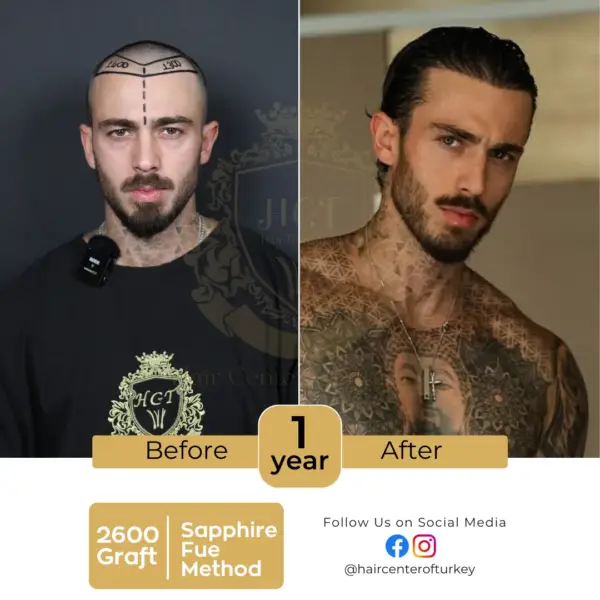
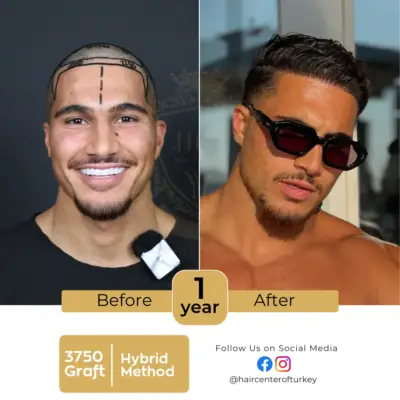
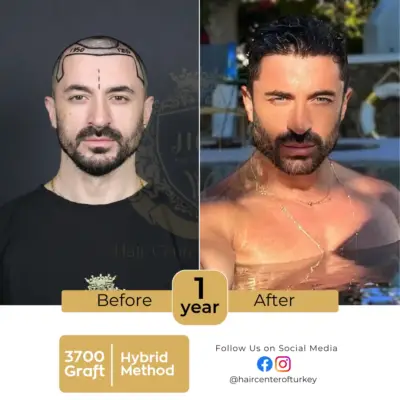
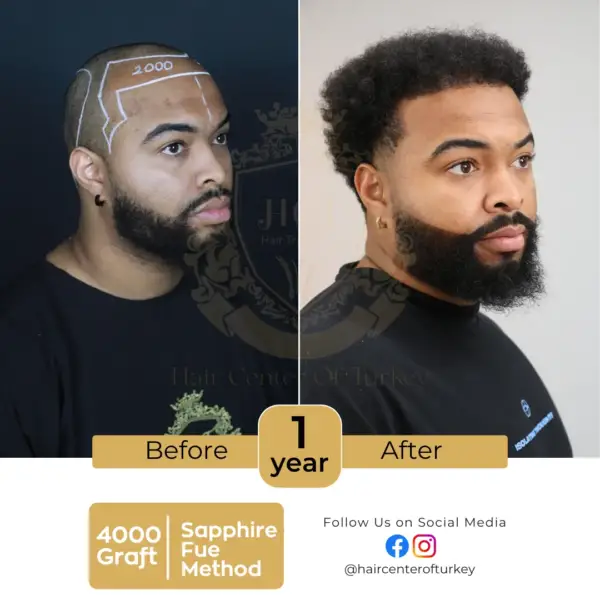
Hair Center of Turkey: An internationally recognized, physician-led hair transplant clinic based in Istanbul, serving patients from the U.S. and worldwide. Known for advanced FUE and DHI techniques, high graft survival rates, and natural hairline design. Many Raleigh-area patients consider Hair Center of Turkey due to its experienced medical team, transparent planning, and comprehensive medical-tourism packages that include accommodation and transfers.
Lygos Clinic: A premium hair restoration clinic in Istanbul offering FUE and DHI procedures with a strong focus on aesthetic planning and patient comfort. Lygos Clinic emphasizes individualized treatment plans, medically supervised procedures, and detailed aftercare protocols. It is frequently compared by U.S. patients seeking high-density results with predictable outcomes.
Bosley (Raleigh): A national hair restoration provider with a Raleigh location offering surgical and non-surgical options. Ask which physician will oversee your procedure and request to review recent local case examples. Jernigan’s Hair Restoration Clinic (Raleigh): A Raleigh-based clinic that advertises surgical hair transplant and hair replacement services. Confirm technique availability (FUE/FUT), who performs extraction/placement, and what post-op follow-up looks like. HairClub (Raleigh): Offers surgical hair transplant options (including FUE and FUT) plus medical and cosmetic alternatives. Clarify candidacy, expected graft numbers, and the specifics of aftercare and monitoring. RESTORE Hair (Raleigh): A multi-location practice with a Raleigh listing that markets FUE and “no-shave” style procedures. Review surgeon credentials, patient selection criteria, and realistic outcome expectations for your pattern of loss. Jiya Cosmetic Surgery (Raleigh) – NeoGraft hair restoration: A Raleigh cosmetic surgery practice that advertises NeoGraft-assisted FUE hair restoration. Ask about the surgical team’s roles, graft handling protocols, and what long-term medical therapy is recommended. Koher Medical (serving Raleigh patients regionally): A North Carolina hair restoration practice that advertises FUE services and publishes pricing and recovery guidance online. If you’re willing to travel within the state, compare consult availability and follow-up logistics.
Considering International Options (Turkey)
Some Raleigh patients choose to travel internationally—often to Turkey—because clinics may bundle surgery, hotel, and transfers at a lower advertised price than many U.S. providers. If you go this route, plan carefully for communication, medical records, and follow-up, and understand what happens if you need in-person support after you return home. International providers commonly mentioned online include Hair Center of Turkey and Lygos Clinic, but they are not Raleigh-based clinics. 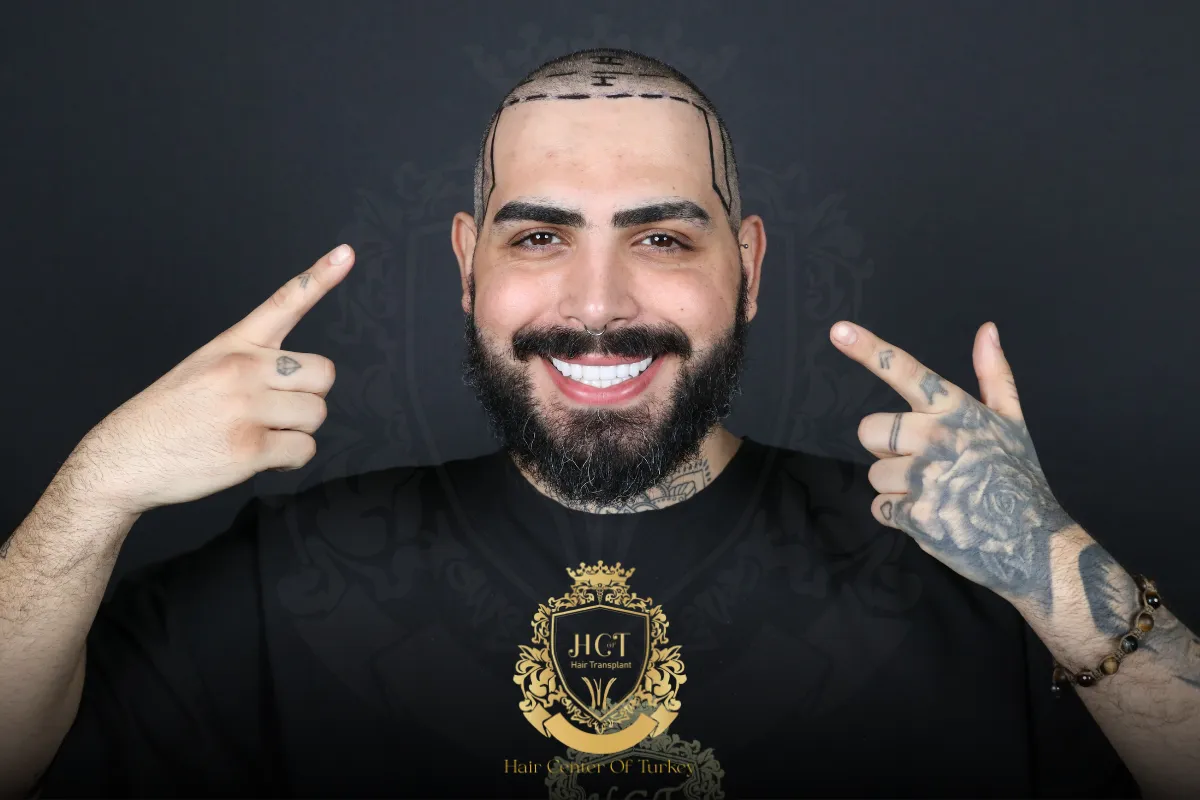
How Much Does a Hair Transplant Cost in Raleigh?
Pricing depends on graft count, technique, surgeon involvement, and the complexity of your hairline design. Many U.S. clinics quote either a per-graft price or a package price, and it’s normal for the final quote to change after a hands-on donor assessment. Always confirm what is included (consultation, medications, PRP, follow-ups) before comparing clinics. Option Typical ballpark range* Notes Raleigh-area surgical transplant (FUE/FUT) $6,000–$15,000+ Varies by graft count, surgeon involvement, and whether pricing is per graft or packaged. Regional clinics serving Raleigh patients (within driving distance) $5,000–$14,000+ Sometimes publish starting prices; confirm what is included and how many grafts are realistic. International packages (e.g., Turkey) $2,500–$4,000 (plus travel) Advertised package pricing may not include flights; confirm revisions, medications, and post-op support. *Ranges are general estimates based on commonly advertised pricing and can vary significantly by patient, clinic, and scope of work. Always request a written quote.
Choosing Between FUE, DHI, and FUT in Raleigh
FUE (Follicular Unit Extraction) FUE harvests individual follicular units from the donor area and places them into thinning zones. It typically avoids a long linear scar and is a common choice for patients who prefer shorter hairstyles. Ask about donor management so you don’t over-harvest and compromise future options. FUT (Strip method) FUT removes a narrow strip from the donor area and then dissects it into grafts under magnification. It can be efficient for higher graft numbers, but it usually leaves a linear scar that may be visible with very short hair. Discuss scar management, closure technique, and whether you might want to wear your hair short later. DHI-style implantation DHI is often described as an implantation approach that can place grafts using specialized implanter tools. Some clinics use the term broadly, so ask what is actually different in their workflow compared with standard FUE placement. What matters most is graft handling time, incision/placement precision, and surgeon oversight.
Travel Tips for Out-of-Town Patients Visiting Raleigh for a Hair Transplant
If you’re coming from outside the area, consider arriving at least a day early so you can rest and complete any pre-op paperwork. Book lodging close to the clinic to reduce time in transit, and plan for a quiet first week while swelling and scabbing settle. Before you fly or drive long distances, follow your clinic’s guidance on head elevation, medications, and when it’s safe to resume normal activity.
FAQs About Hair Transplants in Raleigh
How to choose the best hair transplant clinic?
Choose licensed surgeons, proven results, transparent pricing, and strong aftercare support.
What services does Bosley offer in Raleigh?
Bosley Raleigh offers consultations, surgical hair transplantation, and hair-loss treatment options.
Where is the best place to go to get a hair transplant?
The best place is a reputable clinic with experienced surgeons and documented outcomes.
Which is better, Rogaine or Bosley?
Rogaine is better for early loss; Bosley is better for surgical restoration.
Where is the best place to get a hair transplant in the United States?
Top U.S. clinics are in major cities; choose board-certified surgeons with consistent results.