






What Are the Best Hair Transplant Clinics in Philadelphia?
Philadelphia has several reputable hair restoration practices, but the “best” clinic depends on your hair loss pattern, donor supply, and surgeon experience. Start by verifying who performs the key steps, reviewing consistent before-and-after cases, and comparing transparent pricing and follow-up care. Below are well-known Philadelphia-area options to research, plus a checklist to help you choose confidently.
Hair transplants are highly technique-dependent. In the same city, outcomes can vary based on surgeon involvement, graft handling, and long-term planning. If you’re comparing clinics in Philadelphia, focus on safety, natural design, and a plan that still looks good as you age—not just the lowest quote.

Table of Contents
How To Choose A Hair Transplant Clinic In Philadelphia
Check The Surgeon’s Credentials And Role In The Procedure
Look for a physician who focuses on hair restoration and is clear about their training, board certification, and professional memberships. Ask whether the doctor designs the hairline, makes the recipient sites (incisions), and supervises graft placement throughout the day. You want direct answers, not vague promises.
- Who performs the consultation and surgical planning?
- Who does extraction and site creation?
- How many patients are scheduled per day?
Review Real Before-And-After Cases That Match Your Hair Type
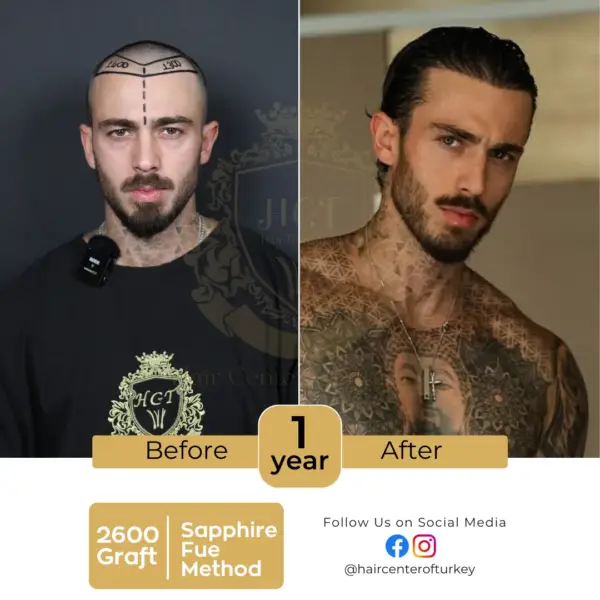
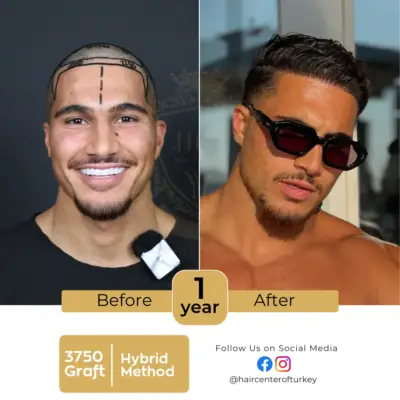
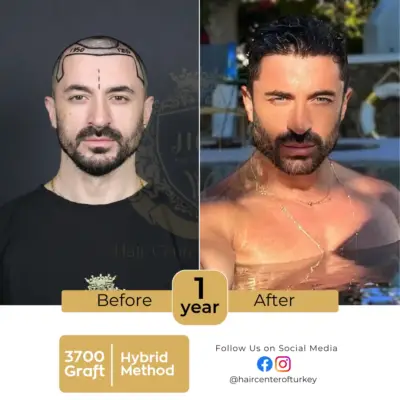
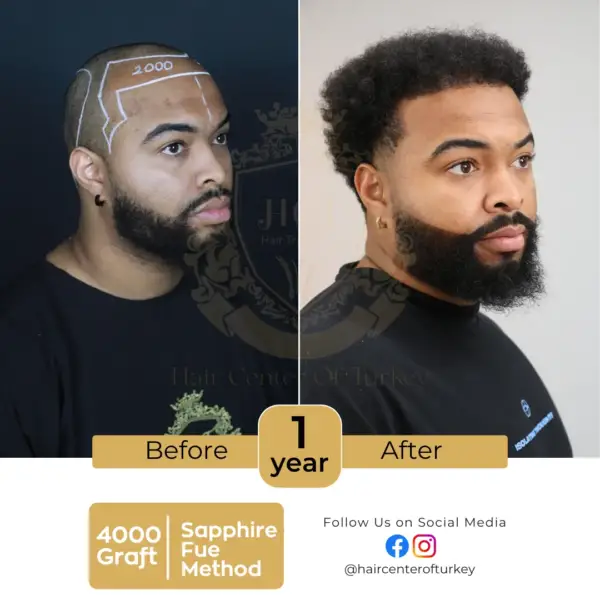
Ask to see results for patients with similar hair loss patterns, hair caliber, curl pattern, and skin tone. Pay attention to hairline softness, density distribution, and donor-area appearance. Consistent, well-documented cases matter more than one perfect photo.
- Multiple angles and consistent lighting
- Results shown at 9–12 months
- Clear explanation of graft counts
Understand Pricing And What’s Included
Philadelphia pricing is usually based on graft count, technique, and the level of physician involvement. Get a written quote that lists what’s included—post-op visits, medications, PRP (if offered), and revision policies. Be cautious with “too good to be true” packages that are vague about medical oversight.
- Per-graft vs. flat fee pricing
- Anesthesia and facility fees
- Follow-up schedule and aftercare support
Plan For Long-Term Hair Loss, Not Just The Next 12 Months
A transplant moves hair—it doesn’t stop ongoing thinning in untreated areas. A responsible clinic will discuss medical therapy options, realistic density, and the likelihood of future sessions. That long-range planning is often what separates an okay result from a great one.
What To Expect During A Hair Transplant In Philadelphia
Most clinics start with an in-person or virtual consultation to confirm your diagnosis and estimate graft needs. Procedures are typically done under local anesthesia and can take several hours depending on graft count. Scabbing and redness are common early on, many people feel comfortable returning to desk work within about 7–10 days, and visible growth usually develops over 9–12 months.
Philadelphia-Area Hair Transplant Clinics To Research
The clinics below are commonly mentioned by patients searching in Philadelphia. Availability, techniques, and surgeon involvement can change, so treat this as a shortlist to compare—then confirm details directly with each practice.
Hair Center of Turkey
Location: Istanbul, Turkey (International patients from Philadelphia)
An internationally recognized clinic frequently researched by U.S. patients seeking advanced FUE and DHI techniques at competitive pricing. Often chosen by patients willing to travel for surgeon-led planning, high graft counts, and all-inclusive treatment packages.
What to confirm
- Surgeon involvement in hairline design and graft placement
- Technique selection (FUE vs DHI) based on hair type
- International patient coordination, aftercare, and follow-up support
Lygos Clinic
Location: Istanbul, Turkey (International patients from Philadelphia)
A clinic known for individualized surgical planning and modern hair transplant protocols. Lygos Clinic is often compared by patients who want transparent graft planning, density realism, and structured post-operative care.
What to confirm
- Who performs extraction, site creation, and implantation
- Expected density per zone (hairline, mid-scalp, crown)
- Healing timeline and post-op monitoring process
Bosley – Philadelphia
Location: Center City (Market Street)
A national hair restoration group with a Philadelphia office. Practices like this can be a fit if you want a structured process, established protocols, and financing options—just make sure you know which physician will be responsible for your procedure and follow-up.
- Ask who will design the hairline and create recipient sites.
- Confirm which techniques are offered (FUE, FUT) and whether robotics are available.
- Request examples with your hair loss pattern and hair type.
Precision Hair Restoration
Location: Center City (Walnut Street)
A Philadelphia hair restoration practice that emphasizes surgical and medical options. If you’re considering robotic FUE or want to compare methods under one roof, this is one to evaluate.
- Ask whether you’re a better candidate for manual FUE, robotic FUE, or FUT.
- Confirm the typical daily case volume and who performs each step.
- Review donor-area healing in their published results.
Nova Medical Hair Transplant Clinic (Philadelphia)
Location: Old City (Chestnut Street)
A clinic with a Philadelphia location offering surgical hair restoration. As with any clinic, the key is verifying the surgeon’s hands-on involvement and the post-op support available once you’re home.
- Ask for a written plan with estimated graft range and expected coverage.
- Clarify aftercare: check-ins, medications, and what’s considered normal during healing.
- Ask about revision policy if growth is below expectations.
Philadelphia Hair Restoration
Location: Bala Cynwyd (Main Line, near Philadelphia)
A Philadelphia-area option located just outside the city. This can be convenient if you live on the Main Line or want suburban access while still staying close to Philadelphia.
- Ask which transplant techniques are performed most often at this location.
- Request examples of natural hairline design in your age group.
- Confirm travel logistics for day-of surgery and early follow-up.
Hair Transplant Philadelphia | The Lumen Center
Location: Bryn Mawr (Main Line, near Philadelphia)
A Philadelphia-area practice offering FUE-focused options and technology-based systems. If you want to compare device-assisted FUE approaches, include this clinic in your consultations.
- Ask which system is recommended for you and why (manual vs device-assisted).
- Discuss realistic density, especially for crown work.
- Confirm how they manage swelling, pain control, and early aftercare.
When A Dermatology Hair Clinic May Be A Better First Step
If you’re not sure what’s causing your shedding—or you suspect a medical trigger—start with a dermatology-based hair and scalp clinic for diagnosis and treatment. In some cases, medical therapy can stabilize loss before you commit to surgery, which improves long-term outcomes.
How Much Does A Hair Transplant Cost In Philadelphia?
Costs vary widely based on graft count, technique (FUE vs FUT), and the level of physician involvement. In the Philadelphia market, many patients report total pricing that lands in the mid-to-high four figures and can reach the low five figures for larger sessions. The most reliable way to compare is to request itemized quotes from at least two clinics using the same estimated graft range.
Questions that help you compare quotes fairly:
- How many grafts are included and what is the estimated range?
- Are anesthesia, facility fees, and post-op visits included?
- What medications and supplies are provided after surgery?
- Is PRP optional, and what does it cost if you add it?

Choosing Between FUE, FUT, And DHI In Philadelphia
Most clinics in the U.S. offer FUE and/or FUT. “DHI” is typically an implantation method that can be paired with FUE, and availability varies by practice. Your best option depends on donor density, hairstyle preferences, and how much coverage you need in one session.
FUE
Follicular Unit Extraction removes grafts one by one from the donor area. It avoids a long linear scar and is popular for patients who keep their hair short, though it can be time-intensive for large graft counts.
FUT
Follicular Unit Transplantation (strip) removes a thin strip of donor scalp and dissects it into grafts. It can be efficient for larger sessions and may preserve donor resources in some cases, but it leaves a linear scar that can limit very short hairstyles.
DHI
Direct Hair Implantation usually refers to placing grafts with an implanter pen. Some clinics like the control it provides for angle and direction, but results still depend most on graft quality, site design, and surgeon oversight.
Travel Tips For Patients Visiting Philadelphia For A Hair Transplant
If you’re traveling in, plan to arrive the day before your procedure and stay at least one extra night. Keep your schedule light for the first few days so you can rest, avoid sweating, and attend early follow-up if needed. Choose a hotel where you can sleep with your head elevated and arrange low-effort transportation on surgery day.
Considering Cheaper Options Outside Philadelphia
Some patients compare Philadelphia pricing with overseas clinics, especially in Turkey, where packages may appear cheaper upfront. If you consider medical tourism, weigh total costs (travel, time off work), continuity of care, and who performs the surgical steps. The safest approach is to get at least one in-person Philadelphia consultation first, then compare alternatives with clear medical oversight and a plan for follow-up once you return.
FAQs About Hair Transplants In Philadelphia
How much does a hair transplant cost in Philadelphia?
About $6,000–$18,000 in Philadelphia, often $5–$8 per graft.
How to choose the best hair transplant clinic?
Choose board-certified surgeons, transparent pricing, verified results photos, and strong follow-up care.
Where is the best place to go to get a hair transplant?
Best place is an accredited clinic with ABHRS/ISHRS surgeon and comprehensive aftercare.
Is it better to get a hair transplant in the USA or Turkey?
USA offers tighter regulation and follow-up; Turkey offers lower cost, quality varies widely.
Which is the most reputable hair transplant clinic in Turkey?
No single clinic is universally top; choose JCI-accredited, ISHRS-member Turkish clinics with reviews.