






What Are the Best Hair Transplant Clinics in Minneapolis?
The best hair transplant clinic in Minneapolis is the one with an experienced, properly credentialed surgeon, consistent before-and-after results, clear pricing, and structured follow-up care. In the Twin Cities area, patients often compare clinics like Shapiro Medical Group, Hair Restoration Institute of Minnesota, and Bosley (Minnetonka). Some also consider medical tourism for lower-cost packages—if safety and aftercare are fully planned.

Table of Contents
How to Choose a Hair Transplant Clinic
Before booking, treat the consultation like an interview. You’re choosing a surgical team, not just a price.
- Verify who performs the key steps (extraction, site creation, placement) and how many cases the surgeon supervises per day.
- Ask which techniques they offer (FUE, FUT/strip, DHI, NeoGraft/SmartGraft) and why one fits your pattern of loss.
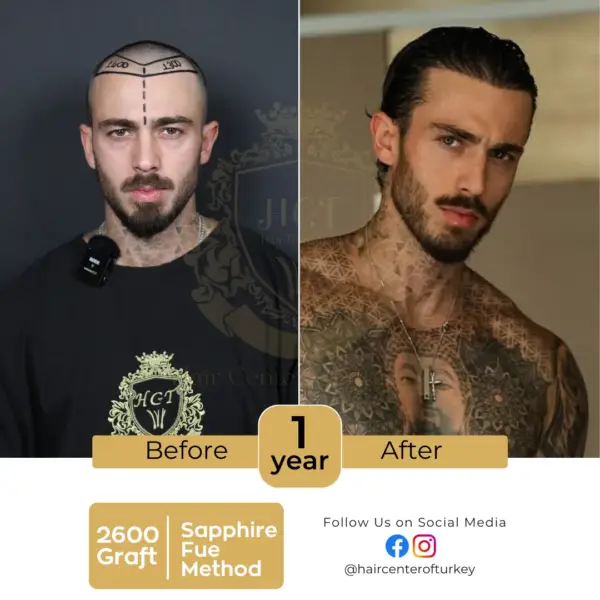
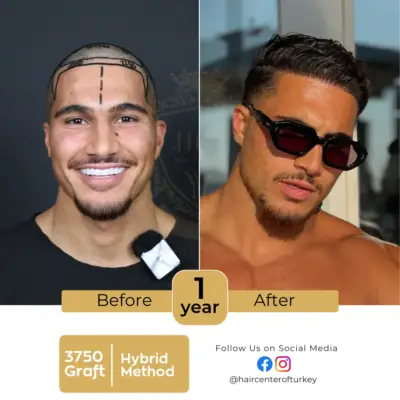
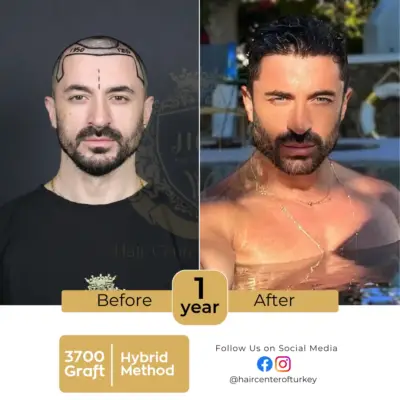
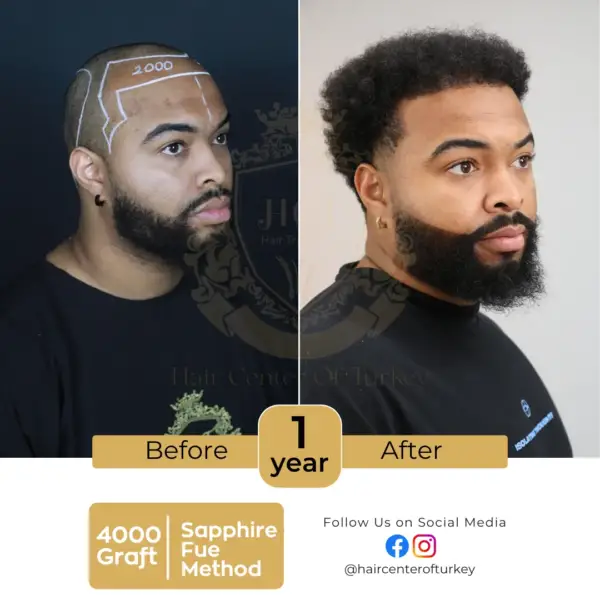
- Request several sets of high-quality before-and-after photos for patients with similar hair type and hairline goals.
- Confirm aftercare: post-op instructions, check-ins, medication guidance, and what happens if you have concerns after you fly home.
- Get a written quote that explains what’s included (grafts estimate, anesthesia, follow-ups, PRP or add-ons, and revision policy).
- Discuss long-term planning: medical therapy options, future loss expectations, and whether a second procedure may be needed.
Hair Transplant Options Available in Minneapolis
Most Minneapolis-area clinics offer modern follicular unit techniques. The right choice depends on how much coverage you need and how you wear your hair.
FUE (Follicular Unit Extraction): Individual follicular units are harvested and transplanted. This is popular for its minimal scarring and flexible hairstyle options.
FUT / Strip (Follicular Unit Transplantation): A thin strip is taken from the donor area and grafts are dissected under magnification. It can be efficient for higher graft numbers, but leaves a linear scar.
DHI (Direct Hair Implantation): A variation of FUE where grafts are implanted using an implanter pen. It may help with angle control and dense packing in select cases.
What to Expect: Consultation to Final Results
A typical hair transplant process includes a detailed consult, a procedure day that can take several hours, and a staged recovery. Most people return to desk work quickly, while visible growth takes months.
- Consultation: scalp exam, donor assessment, medical history review, and hairline design discussion.
- Procedure day: local anesthesia; grafts are harvested, prepared, and implanted based on the plan.
- First 7–10 days: scabs shed and redness settles; follow your clinic’s washing instructions closely.
- Weeks 2–8: “shock loss” can happen (temporary shedding). This is common and usually expected.
- Months 3–6: early growth becomes noticeable.
- Months 9–12: fuller, more mature results for most patients (sometimes longer for crown work).
Best Hair Transplant Clinics Serving Minneapolis
The cost of a hair transplant in Minneapolis depends on the technique used, the number of grafts required, and the clinic’s prestige. Here’s a rough comparison keeping your fixed clinics in the mix:
1. Hair Center of Turkey (Istanbul, Turkey)
What they’re known for: High-volume international hair transplant clinic specializing in FUE and DHI techniques, with experience treating patients from the U.S. and Europe.
Who it may suit: Patients open to medical travel who want competitive pricing, all-inclusive packages, and experienced surgical teams.
Where: Istanbul, Turkey (international destination for Minneapolis-area patients).
Questions to ask at your consult:
How many grafts do you estimate for my goals, and how confident is that estimate?
Will a licensed surgeon perform the incisions and oversee the procedure?
What is included in the treatment package (hotel, transfers, medications, follow-ups)?
What outcomes are realistic for my donor density and hair caliber?
2. Lygos Clinic (Istanbul, Turkey)
What they’re known for: Boutique-style hair transplant clinic focusing on personalized treatment plans, modern FUE/DHI methods, and international patient care.
Who it may suit: Patients seeking individualized attention, smaller daily case volume, and overseas treatment at lower cost than U.S. clinics.
Where: Istanbul, Turkey (serving international patients, including from Minneapolis).
Questions to ask at your consult:
How many grafts do you estimate for my goals, and how confident is that estimate?
Who performs each step of the procedure, and what is the surgeon’s direct involvement?
What does the first 14 days of aftercare look like once I return home?
How do you handle follow-up support for international patients?
Shapiro Medical Group (Twin Cities)
- What they’re known for: Hair restoration-focused practice with surgical hair transplantation and hairline design.
- Who it may suit: Patients prioritizing surgeon experience, planning, and natural hairline work.
- Where: Minneapolis-area (Twin Cities).
Questions to ask at your consult:
- How many grafts do you estimate for my goals, and how confident is that estimate?
- Who will be in the room for each step, and what is the surgeon’s direct role?
- What does the first 14 days of aftercare look like (washing, sleeping, activity limits)?
- What outcomes are realistic for my donor density and hair caliber?
Hair Restoration Institute of Minnesota (HRI)
- What they’re known for: Dedicated hair restoration center offering surgical and non-surgical options.
- Who it may suit: Patients who want a clinic focused specifically on hair loss treatment rather than general aesthetics.
- Where: Bloomington/Minneapolis area.
Questions to ask at your consult:
- How many grafts do you estimate for my goals, and how confident is that estimate?
- Who will be in the room for each step, and what is the surgeon’s direct role?
- What does the first 14 days of aftercare look like (washing, sleeping, activity limits)?
- What outcomes are realistic for my donor density and hair caliber?
Bosley (Minnetonka – Minneapolis area)
- What they’re known for: National hair restoration brand with local consultations and a range of surgical/non-surgical options.
- Who it may suit: Patients who want a structured program and the convenience of a large network.
- Where: Minnetonka, a short drive from Minneapolis.
Questions to ask at your consult:
- How many grafts do you estimate for my goals, and how confident is that estimate?
- Who will be in the room for each step, and what is the surgeon’s direct role?
- What does the first 14 days of aftercare look like (washing, sleeping, activity limits)?
- What outcomes are realistic for my donor density and hair caliber?
Hair Transplant Specialists (Eagan – Twin Cities)
- What they’re known for: Hair transplantation providers serving the Twin Cities region.
- Who it may suit: Patients comparing multiple local consults to understand technique, graft estimates, and aftercare options.
- Where: Eagan, MN.
Questions to ask at your consult:
- How many grafts do you estimate for my goals, and how confident is that estimate?
- Who will be in the room for each step, and what is the surgeon’s direct role?
- What does the first 14 days of aftercare look like (washing, sleeping, activity limits)?
- What outcomes are realistic for my donor density and hair caliber?
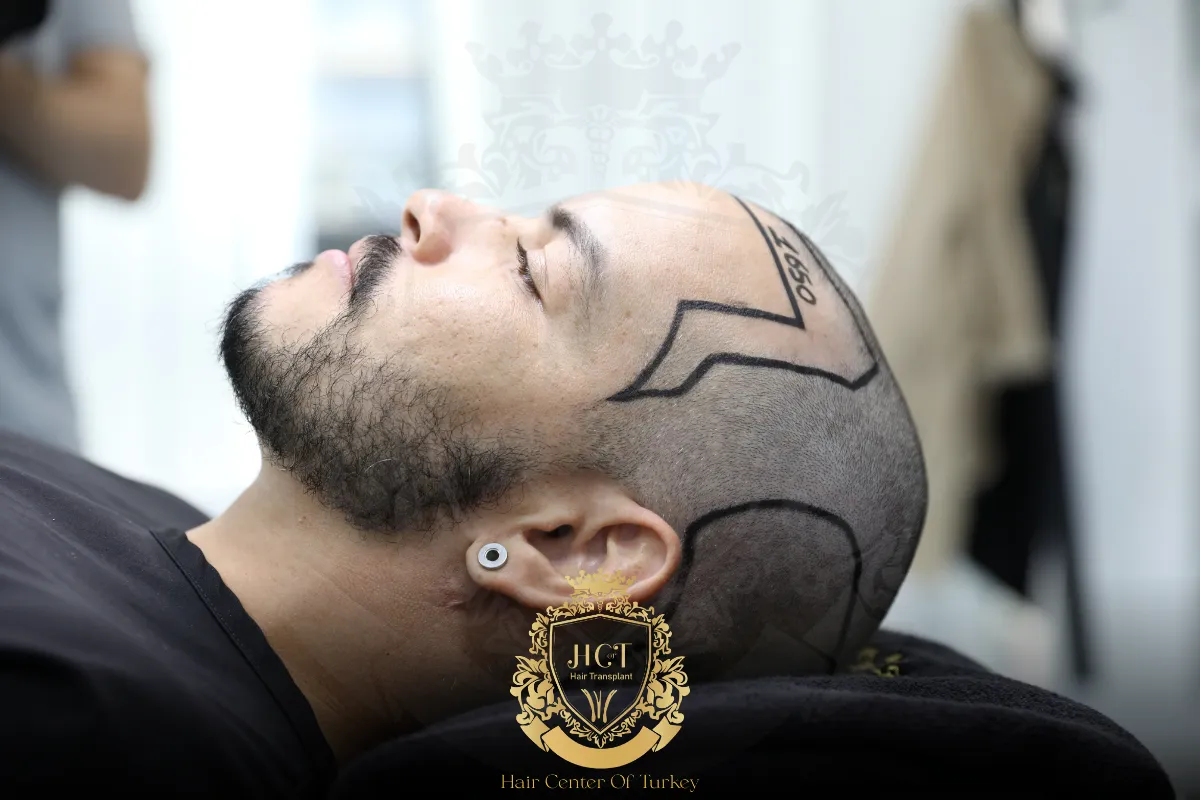
Considering Medical Tourism (Turkey and Other Destinations)
Some Minneapolis patients look abroad—often to Turkey—because package pricing can be significantly lower. This can be a good fit for certain people, but it adds travel logistics and makes follow-up care more complicated.
- Confirm the medical team’s credentials and who performs the surgery (doctor vs. technician-led models vary widely).
- Ask for a written plan for aftercare once you’re back in the U.S., including what happens if you develop an infection or poor growth.
- Budget for travel, time off, and a “buffer” in case you need extra days before flying.
- If a quote seems unusually low, ask exactly what is included (hotel, transfers, medications, check-ups).
How Much Does a Hair Transplant Cost in Minneapolis?
Pricing varies by graft count, technique, and who performs the work. In the U.S., it’s common to see quotes in the mid–four figures to the mid–five figures. The most accurate number comes from an in-person donor assessment and a written treatment plan.
Option | Typical range (USD) | Notes |
Minneapolis / Twin Cities clinics | $6,000–$15,000+ | Varies by graft estimate, surgeon involvement, and add-ons. |
Turkey medical tourism packages | $2,000–$5,500 | Packages may include hotel/transfers; confirm aftercare and emergency plan. |
Travel Tips for Patients Visiting Minneapolis
- Plan to stay in town for your consultation and procedure, plus a few days to rest before returning home.
- Arrange easy transportation after surgery (many patients prefer not to drive the same day).
- Bring button-up shirts, a clean travel pillowcase, and any medications your clinic recommends.
- If you’re sightseeing, keep it gentle—avoid heavy sweating, swimming, and direct sun until cleared by your surgeon.
Frequently Asked Question
How much does a hair transplant cost in Minnesota?
Most Minnesota hair transplants cost $4,000–$15,000+, based on grafts and technique.
Who are the top pioneers in hair transplant in Minnesota?
Dr. Ron Shapiro is the leading pioneer; Dr. Paul Shapiro is also well known.
What is the famous clinic in Minnesota?
Shapiro Medical Group in Bloomington is Minnesota’s most famous hair-transplant clinic.
Where is the best place to go to get a hair transplant?
The best choice is an ABHRS-certified surgeon at a high-volume clinic with consistent results.
Which city is best for hair transplant?
In Minnesota, the Minneapolis–St. Paul metro has the strongest concentration of experienced surgeons.