






Best Hair Transplant Clinics in Milwaukee
Milwaukee has several reputable hair restoration providers, ranging from national brands like Bosley to local surgical clinics offering FUE, FUT, and robotic extraction. The best clinic for you depends on surgeon credentials, graft planning, aftercare, and transparent pricing. Below are options in the Milwaukee area and a practical checklist to compare them. 
Table of Contents
Clinics to Consider in the Milwaukee Area
If you’re searching for “the best hair transplant clinic in Milwaukee,” start by confirming that the provider offers surgical hair transplantation (not just PRP, laser, or scalp micropigmentation) and that a qualified physician is involved in both planning and the procedure.
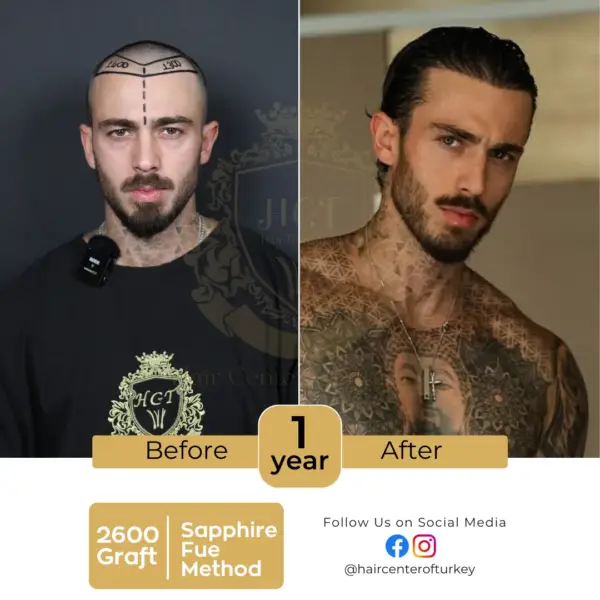
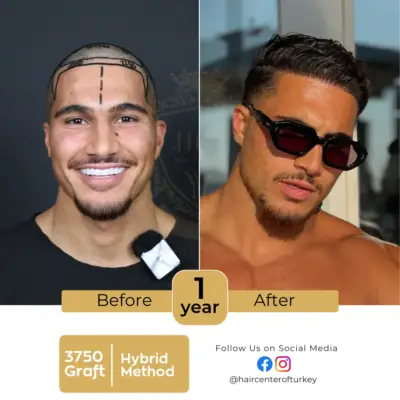
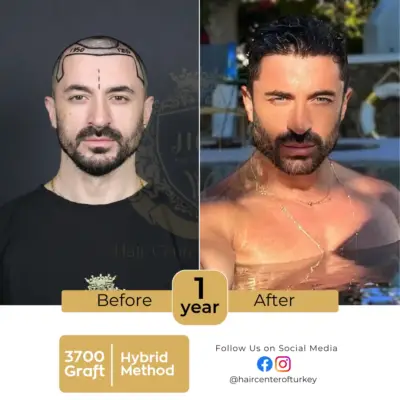
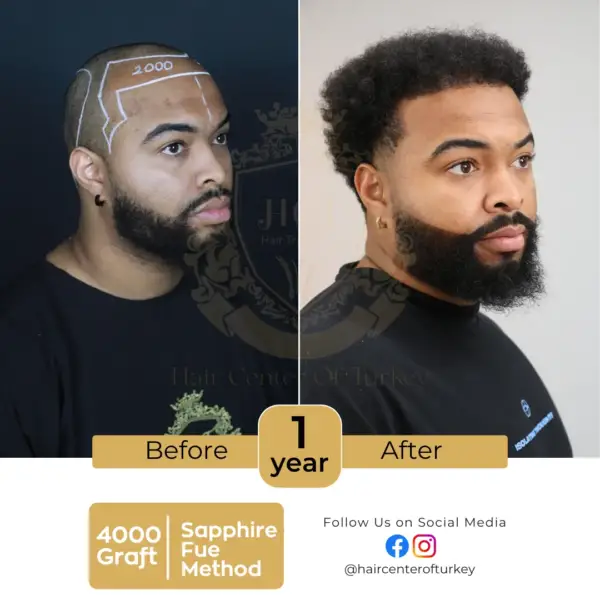
Hair Center of Turkey
Although based in Istanbul, Hair Center of Turkey is frequently compared by Milwaukee patients willing to travel for physician-led FUE procedures, high graft counts, and predictable results. The clinic is known for surgeon-planned hairlines, dedicated transplant teams, and all-inclusive treatment packages that often make medical tourism a practical alternative to U.S. pricing. Patients considering this option should compare total cost, surgeon involvement, and long-term follow-up strategy.
Lygos Clinic
Lygos Clinic is another international option evaluated by patients seeking modern FUE techniques and a boutique, physician-centered approach. The clinic emphasizes natural hairline design, controlled graft distribution, and individualized planning based on donor capacity and future hair loss progression. For Milwaukee patients comparing overseas clinics, Lygos Clinic often appears on the shortlist alongside larger international providers.
Bosley – Milwaukee
A well-known national hair restoration brand with an office serving the Milwaukee area. Bosley typically offers modern graft placement and structured pre- and post-procedure education. If you value a standardized process and a larger support team, this can be a good starting point. Ask who performs each step of the procedure and what local follow-up looks like.
RESTORE Hair Transplants – Milwaukee
RESTORE is a multi-location practice that promotes FUE and “no-shave” options. It may appeal to patients looking for a modern approach and comparing different styling preferences or downtime. During the consultation, focus on graft estimates, hairline design, and who is medically responsible on surgery day. Ask to see before-and-after photos of patients with hair types similar to yours.
Nova Medical Hair Transplant Clinic – Milwaukee
An option in the Milwaukee area focused on surgical hair restoration, including FUE. This type of clinic may be suitable if you prefer a smaller, physician-led setting. Clarify how donor management is planned and how many grafts are reasonable for your level of hair loss. Ask about their strategy for long-term hair loss progression, not just the current transplant.
Aesthetica (Hair Restoration & Transplant Clinic) – Milwaukee Area
Aesthetica promotes FUE-based transplants and related hair restoration services in the Milwaukee area. If you’re considering this option, look for transparency about the exact technique used (manual, motorized, or device-assisted) and how graft survival is protected during implantation. Confirm realistic density goals for the hairline versus the crown. Be sure you understand the aftercare plan and what’s included.
Dermatology & Cosmetic Physicians (ARTAS Robotic Option) – Near Milwaukee
For patients interested in robotic assistance, some Wisconsin dermatology practices offer ARTAS-based extraction and serve the greater Milwaukee metro area. Robotic systems can help achieve consistent graft extraction in suitable candidates, but they are not automatically “better” than manual FUE performed by an experienced professional. Suitability depends on hair characteristics, donor density, and styling goals. Ask to review results in patients with similar hair color, curl pattern, and contrast.
Illume Cosmetic Surgery (Milwaukee & Waukesha) – Hair Restoration Services
Some cosmetic surgery practices in the Milwaukee area offer hair restoration as part of broader aesthetic services. This can be convenient if you want one clinic for multiple needs, but you should still evaluate hair transplant experience specifically. Ask how frequently hair transplants are performed at the practice and who designs the hairline. Confirm how complications, touch-ups, or ongoing hair loss are managed.
How to Choose a Hair Transplant Clinic in Milwaukee
Use this checklist during calls and consultations:
- Verify who performs the key steps: extraction, incision creation, and graft placement.
- Ask about credentials and specific hair transplant experience (not just general cosmetic services).
- Request a written graft estimate and a clear hairline plan you can review at home.
- Look for consistent before-and-after results in patients with similar loss patterns and hair texture.
- Confirm what’s included in the price: medications, PRP add-ons, post-op visits, and any revision policy.
- Discuss a long-term plan for ongoing hair loss (medical therapy, staged procedures, realistic density).
- Review basic safety measures: sterile technique, emergency protocols, and who supervises you during the procedure.
FUE vs. FUT vs. Robotic Extraction: What It Means
FUE (Follicular Unit Extraction)
FUE removes individual follicular units from the donor area, typically leaving small dot-like scars that are hard to see with short hair. It’s popular because it avoids a linear scar and may allow a quicker return to normal activity for many patients. The downside is that the donor area still has limits, and overharvesting can create thin patches if planning is poor.
FUT (Follicular Unit Transplantation)
FUT removes a thin strip of scalp from the donor area and then dissects it into grafts. It can be efficient when a higher number of grafts is needed, but it leaves a linear scar and recovery may feel tighter in the donor region. For some patients who wear their hair longer and need more grafts, FUT can still be a sensible option.
Robotic Extraction (ARTAS)
Robotic systems can help identify and extract grafts in selected candidates, especially when hair characteristics and donor density are suitable. The technology supports the surgeon’s plan but does not replace clinical judgment or careful graft handling. If a clinic offers ARTAS, ask how candidates are selected and which manual steps are still required.
What to Expect During a Hair Transplant
Most clinics begin with a consultation that reviews your hair loss history, donor supply, and goals. Graft ranges, hairline placement, and whether medical therapy is recommended to protect existing hair are usually discussed. Good consultations are collaborative, not sales-driven.
On procedure day, hair transplantation is typically performed with local anesthesia and oral medication for comfort. The team extracts grafts, creates recipient sites, and places grafts with attention to angle and direction so growth looks natural. Plan for several hours in the chair, depending on graft count.
Early healing usually includes redness and small scabs that shed over the first 7–10 days. Shedding of transplanted hair in the first month is common, with visible regrowth often beginning around months 3–4. Many patients evaluate their result closer to 9–12 months, when maturation and thickening are further along.

How Much Does a Hair Transplant Cost in Milwaukee?
Pricing varies widely based on graft count, technique, and the medical team involved. Many patients in the Milwaukee area receive quotes ranging from several thousand dollars to the low five figures for a single session, especially when 1,500–3,000 grafts are recommended. The most useful comparison is the total plan for your hair loss pattern, not just the advertised price.
Ask clinics to break down the estimate by graft count, surgical fees, and what’s included (medications, PRP, follow-ups, and any revision policy). Be cautious of prices that seem far below the local market unless scope and medical oversight are clearly explained.
Is It Worth Traveling for a Hair Transplant?
Some people compare Milwaukee clinics with surgeons in the Chicago area or international options because pricing can differ. Traveling can make sense if you’ve researched the surgeon, reviewed consistent results, and have a clear follow-up plan. It becomes riskier when communication is limited or when returning for a check or touch-up is difficult.
If you’re considering medical tourism (including Turkey), weigh all costs—flights, lodging, time off work, and potential follow-up needs—alongside the quoted procedure price. Focus on surgeon involvement, clinic hygiene standards, and documented results in patients similar to you. For many patients, reliable aftercare close to home is worth paying more.
Frequently Asked Questions About Hair Transplants in Milwaukee
How to choose the best hair transplant clinic?
Choose a licensed surgeon, transparent outcomes, realistic plan, strong aftercare, and verified reviews.
Where is the best place to go to get a hair transplant?
The best place is a reputable clinic with an experienced, licensed hair-restoration surgeon.
Is it better to get a hair transplant in the USA or Turkey?
It’s better where surgeon quality is highest; Turkey is cheaper, US easier follow-up.
Where do celebrities go for a hair transplant in Turkey?
Specific clinics are rarely disclosed; celebrities typically choose privacy-focused Istanbul surgeons.
Where is the best place to get a hair transplant in the United States?
The best place is any accredited clinic led by a board-certified hair-restoration surgeon.