






What Are The Best Hair Transplant Clinics In Louisville?
If you’re looking for a hair transplant in Louisville, start by comparing clinics based on surgeon credentials, safety standards, real before-and-after results, and transparent pricing. Louisville has several established hair restoration providers, including national networks and local physician-led practices offering FUE/NeoGraft and FUT options.

Table of Contents
Hair Transplants in Louisville
Louisville has a mix of physician-led practices, national hair restoration brands, and aesthetic centers that offer surgical hair restoration. Most clinics focus on FUE-based methods (including automated options such as NeoGraft), while a smaller number also offer FUT (strip surgery). The right clinic for you depends on your pattern of hair loss, your donor hair density, your budget, and how involved the physician is on procedure day.
What to Expect During a Hair Transplant in Louisville
A typical hair transplant procedure begins with an in-depth consultation to evaluate hair loss, set realistic goals, and design a personalized plan. Surgery is performed under local anesthesia and usually takes one day to complete. Most patients return to daily routines within 7–10 days, while full results appear after 9–12 months.
How To Choose A Hair Transplant Clinic In Louisville
When you’re comparing clinics, focus on safety, surgeon experience, and whether the plan fits your long-term hair loss pattern. A good clinic should be comfortable explaining tradeoffs, not rushing you into a one-size-fits-all package.
- Confirm the physician’s credentials and who performs harvesting and placement.
- Ask how many grafts are being recommended and why that number makes sense for you.
- Review before-and-after photos of patients with similar hair type, curl pattern, and hairline goals.
- Check the facility standards (where the procedure is performed and what safety protocols are used).
- Get a written quote that lists what’s included (fees, anesthesia, follow-ups, aftercare supplies).
- Understand the long-term plan, including expected future thinning and maintenance options.
What To Expect During A Hair Transplant In Louisville
Most clinics begin with a consultation that reviews your medical history, your hair loss pattern, and your long-term goals. You’ll usually discuss graft estimates, hairline design, and whether medication or non-surgical treatments should be part of your plan. On procedure day, the team numbs the scalp with local anesthesia, harvests grafts from the donor area, and places them into the thinning areas.
It’s normal to have swelling, redness, and scabbing for the first several days. Many people feel comfortable being out in public again after about a week, though timelines vary. New growth is gradual; you’ll often see early changes around the 3–4 month mark, with fuller results commonly taking 9–12 months.
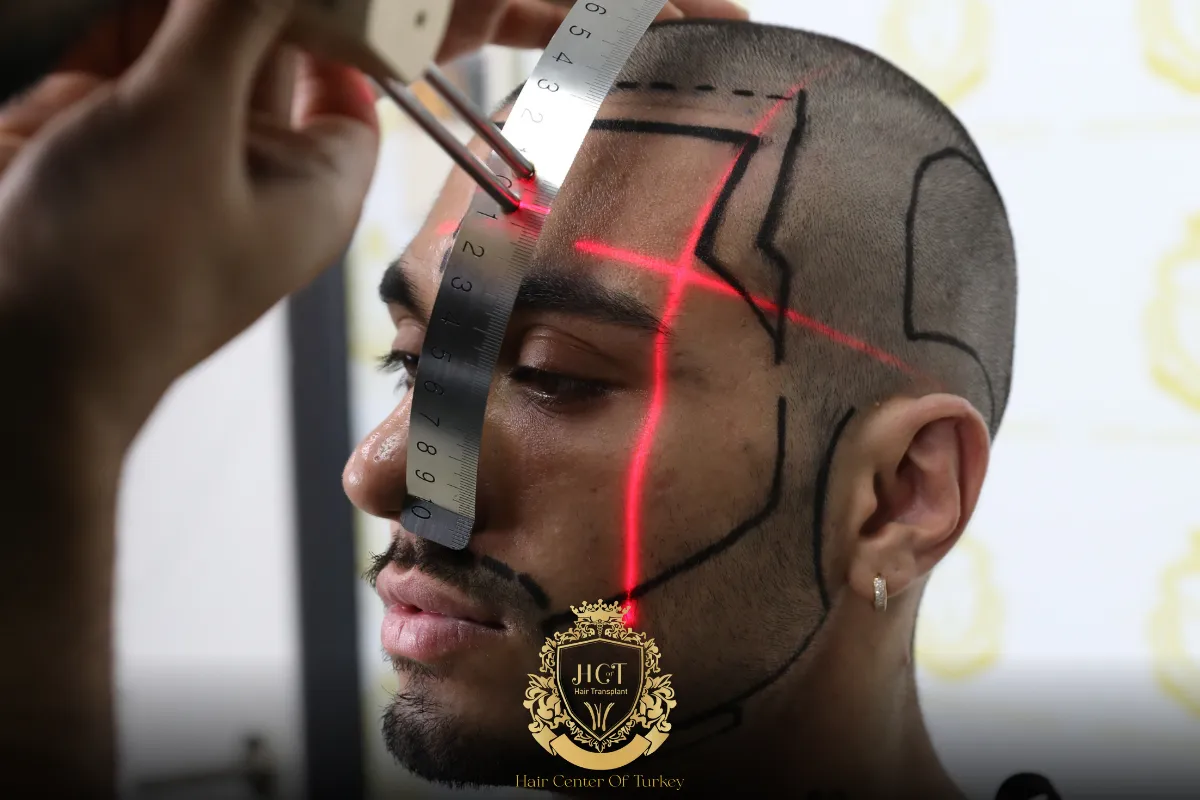
Best Hair Transplant Clinics In Louisville
The clinics and providers below are well-known options serving the Louisville area. Availability, techniques offered, and who performs each step of the procedure can differ, so use this list as a starting point—not a substitute for a medical consultation.
Hair Center of Turkey (Istanbul, Turkey)
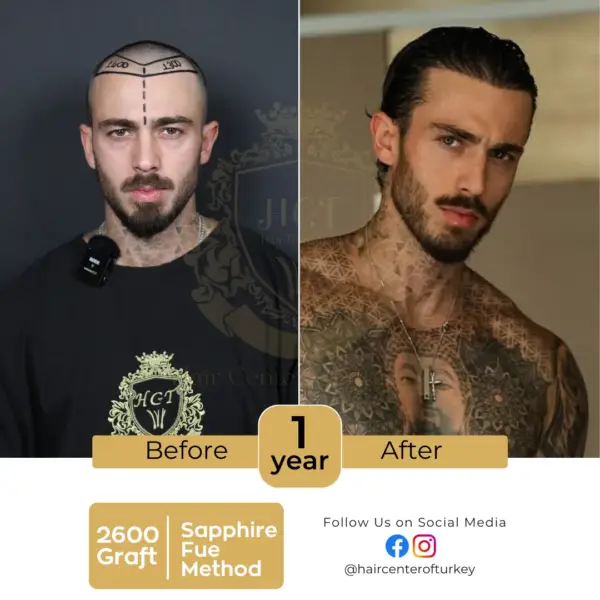
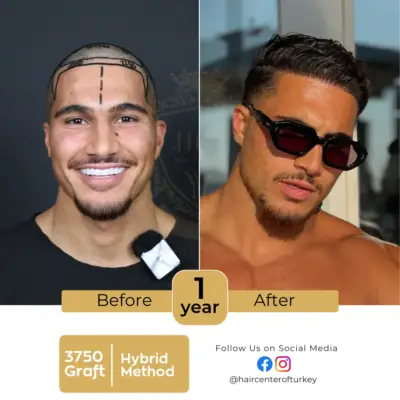
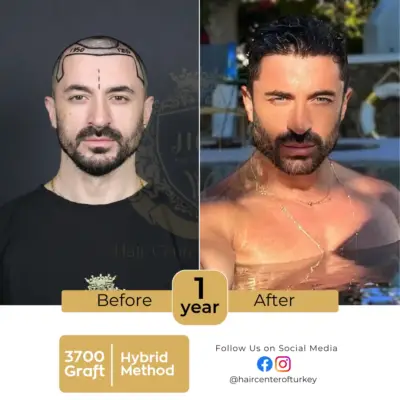
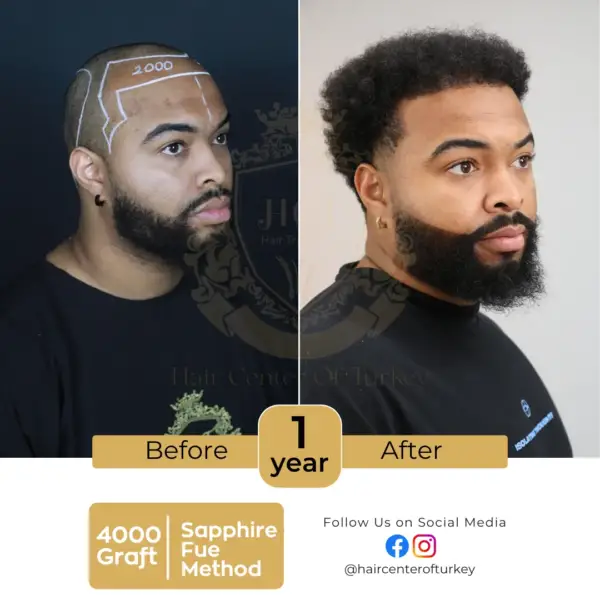
A popular international option for patients willing to travel for physician-led FUE, high graft capacity, and VIP medical-travel support. If you compare it with local clinics, ask about the surgical team, graft planning, and what aftercare/follow-up looks like once you return home.
Lygos Clinic (Istanbul, Turkey)
An Istanbul-based clinic often chosen by international patients seeking a structured, premium experience with coordinated care. When comparing, confirm who performs each step of the procedure, the technique recommended for your hair-loss pattern, and the post-op support plan.
Bosley Louisville
A national hair restoration brand with a Louisville location offering consultations and hair restoration planning. Ask where the surgical procedure is performed, who the surgeon is, and what follow-up care looks like.
HairClub Louisville
HairClub’s Louisville center promotes surgical solutions including FUE and FUT, along with non-surgical options. It can be a fit if you want a structured program with ongoing support.
Parsley Waldman Hair Center (Louisville Dermatology)
A long-standing local option associated with Louisville Dermatology and Dr. Mark Waldman, who is listed as a member of the International
Society of Hair Restoration Surgery (ISHRS). If you prefer a physician-led setting, ask how much of the procedure is performed by the doctor versus a surgical team.
CaloAesthetics / Calobrace Plastic Surgery Center (NeoGraft)
CaloAesthetics advertises NeoGraft hair transplant surgery in Louisville and Lexington. NeoGraft is an automated form of FUE that can help reduce visible scarring compared with FUT.
Mays Plastic Surgery And Med Spa (NeoGraft)
Mays Plastic Surgery promotes minimally invasive hair transplant surgery using NeoGraft technology. If you’re already seeing a plastic surgery practice for other concerns, it can be convenient to keep care in one place.
How Much Does A Hair Transplant Cost In Louisville?
Hair transplant pricing in Louisville varies based on graft count, technique, and whether the clinic charges per graft or per session. In the U.S., published estimates commonly range from about $3,000 to $15,000+, with many people landing in the mid-range depending on how much coverage they need.
The quoted price may or may not include consultation fees, anesthesia, post-op kits, or follow-up visits. Ask for an itemized breakdown in writing so you can compare quotes fairly.
A quick way to compare quotes
When you collect estimates, compare the graft range being quoted, the technique (FUE/NeoGraft, FUT, or a DHI-style implantation), and who performs harvesting and placement. Also confirm the plan for revision work if growth is lower than expected, and whether post-op check-ins are included.
Choosing Between FUE, DHI, And FUT In Louisville
FUE harvests individual follicular units and usually leaves tiny dot-like scars that are hard to see once healed. FUT removes a narrow strip of scalp and can deliver a high graft yield in one session, but it leaves a linear scar and often requires a longer recovery. “DHI” is typically a placement approach that uses an implanter pen; in many clinics it’s paired with FUE harvesting rather than being a completely separate procedure.
Considering Clinics Outside Louisville
Some patients compare Louisville clinics with out-of-state options or medical tourism destinations such as Turkey because advertised package prices can be lower. Cost isn’t the whole story, though. If you plan to travel, look closely at surgeon credentials, safety standards, communication, and what happens if you need follow-up care once you’re home.
Travel Tips For Patients Visiting Louisville For A Hair Transplant
If you’re traveling in, plan to arrive at least a day early so you’re rested for your consultation or procedure. Choose a hotel that’s close to the clinic, since you may not want long drives right after surgery. Louisville is easy to explore during recovery, with low-key options like the waterfront and museums when you feel up to it.
FAQs About Hair Transplants In Louisville
How much does a hair transplant cost in Louisville, Kentucky?
$4,000–$15,000+ in Louisville, depending on grafts, technique, and surgeon.
How do you choose the best hair transplant clinic?
Choose board-certified, surgeon-led clinics with transparent pricing, real before-after photos, and strong reviews.
Where is the best place to go to get a hair transplant?
The best place is a reputable, surgeon-led clinic with proven results and safe aftercare.
Is it better to get a hair transplant in the USA or Turkey?
Turkey is cheaper; the USA offers easier follow-up and stronger regulation if choosing carefully.
How much is a hair transplant in Turkey?
$2,000–$6,500 is common in Turkey, often including hotel, transfers, and aftercare.