






What Are the Best European Cities for a Hair Transplant?
The most popular European cities for hair transplant surgery include Istanbul, Madrid, Budapest, Warsaw, and Berlin. Istanbul is known for high case volume and bundled patient services, while other European hubs often appeal to patients who prefer local regulation and easier follow‑up. The right choice depends on surgeon credentials, technique, aftercare, and your total travel budget.
Hair loss affects millions of people, and modern hair transplant techniques have made natural-looking results far more achievable than they were a decade ago. Still, outcomes can vary widely from clinic to clinic. Choosing the right city is about more than price—it’s also about surgeon involvement, medical standards, aftercare access, and how comfortable you feel throughout the process.
How To Choose The Right City (And Clinic)
Before you compare destinations, get clear on the factors that matter most for your case. A low quote can become expensive if it excludes medications, aftercare, or follow‑up visits. Use the checklist below when you short‑list cities and clinics.
- Surgeon credentials and involvement (who designs the hairline and performs key steps)
- Technique offered (FUE, DHI, Sapphire FUE, or FUT) and whether it matches your hair type and goals
- Clinic standards (sterilization, licensing, transparent pre‑op testing, and documented outcomes)
- Aftercare plan (first wash, follow‑ups, and how complications are handled once you’re home)
- Total cost (procedure + travel + accommodation + time off work), not just the headline price

Table of Contents
Istanbul, Turkey: Europe’s Busiest Hair Transplant Hub
Istanbul attracts a very large share of Europe’s hair transplant travel. The city has a wide range of clinics and surgeons, from boutique practices that limit daily cases to high‑volume centers that focus on package deals for international patients.
Istanbul can be a strong option when you choose carefully and confirm that a qualified doctor is directly involved in the planning and the critical parts of the procedure. Ask for clear before/after examples for cases similar to yours and a written aftercare plan you can follow at home.
- Large number of surgeons and clinics offering FUE and DHI
- International‑patient support (transfers, translators, and post‑op kits are common)
- Often competitive pricing compared with Western Europe
Madrid, Spain: Regulated Care With A More Personal Clinic Experience
Madrid has built a solid reputation for aesthetic medicine, including hair restoration. Many clinics operate at a smaller scale, which can translate into more time with the medical team and more detailed planning around hairline design.
Spain’s regulated healthcare environment is a plus for patients who value formal standards and straightforward consent and documentation. Costs are typically higher than in Istanbul, but some patients prefer the convenience of staying within the EU.
- Smaller, consultation-led clinics are common
- Well-established safety and medical standards
- Wide availability of FUE and DHI techniques

Budapest, Hungary: Central Europe’s Value Option
Budapest is a familiar destination for medical travel, and hair transplantation has followed the same trend. It often appeals to patients who want accessible travel within Europe and pricing that can be lower than major Western European capitals.
Clinics in Budapest commonly provide FUE, and some also offer DHI. As with any destination, confirm who performs each step of the procedure and what aftercare is included in the quote.
- Good transport links for many European travelers
- EU standards for hygiene and patient documentation
- Competitive pricing compared with many Western European cities
Warsaw, Poland: Growing Recognition Without The Crowds
Warsaw is less well-known internationally for hair transplants than Istanbul, but it’s gaining attention. Patients often mention modern clinics, discreet service, and surgeons with training or experience in Western European settings.
For people who prefer a quieter recovery environment and a less tourism-driven experience, Warsaw can feel more low‑key. The key is to evaluate the clinic’s track record and aftercare process, not just the marketing.
- Modern clinics with a focus on privacy
- Pricing that can be competitive within Europe
- An option for travelers who want a calmer recovery setting
Berlin, Germany: Strict Regulation And High Transparency
Berlin can suit patients who prioritize formal regulation, detailed medical documentation, and easy access to follow‑up care within Germany. Standards for hygiene and clinical accountability are generally high, and consultations often feel thorough and structured.
The trade‑off is cost. Procedures in Berlin are typically priced higher than in Central Europe and significantly above many package-style options abroad.
- Strong emphasis on regulation and clinical standards
- Reliable follow‑up options for local patients
- Often higher pricing than other destinations on this list
A Note On Boutique, VIP-Style Clinics In Istanbul
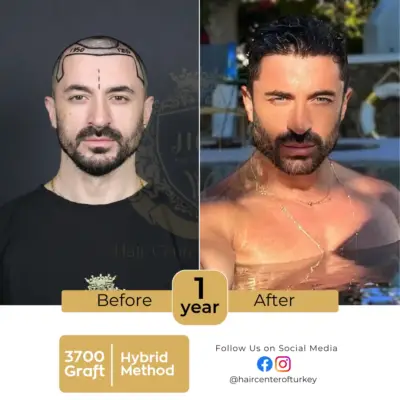
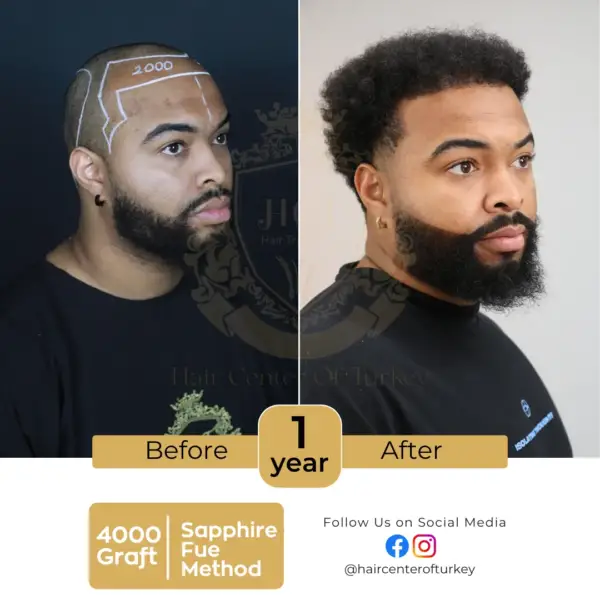
If you’re traveling to Istanbul and you want a calmer, more personal experience, look for boutique clinics that limit the number of patients per day. Clinics such as Hair Center of Turkey describe their approach as VIP and highly individualized—this is worth asking about in detail, including who will be with you on surgery day and how aftercare is handled once you return home.
Typical Cost Ranges (What Patients Commonly See)
Prices depend heavily on graft count, technique, and clinic positioning. As a general guide, package-style offers in Istanbul are often quoted in the low-thousands of euros, while many clinics in Western Europe can reach the high-thousands and, for larger cases, move into five figures. Always request a written quote that breaks down what’s included.
FAQs
Which city is best for hair transplant?
Istanbul is the top global hub for high-volume, competitively priced hair transplantation.
What country is best for hair transplants?
Turkey leads globally for experienced clinics and cost-effective hair transplantation.
Is Turkey or Hungary better for hair transplant?
Turkey is better than Hungary for procedure volume, surgeon experience, and clinic choice.
Is turkey best for hair transplant?
Turkey is among the world’s best destinations for affordable, high-volume hair transplantation.
Why are Turkish hair transplants so good?
High case volume, specialized teams, modern FUE techniques, and competitive pricing drive quality.