





Vertex (Hill Area) Hair Transplant
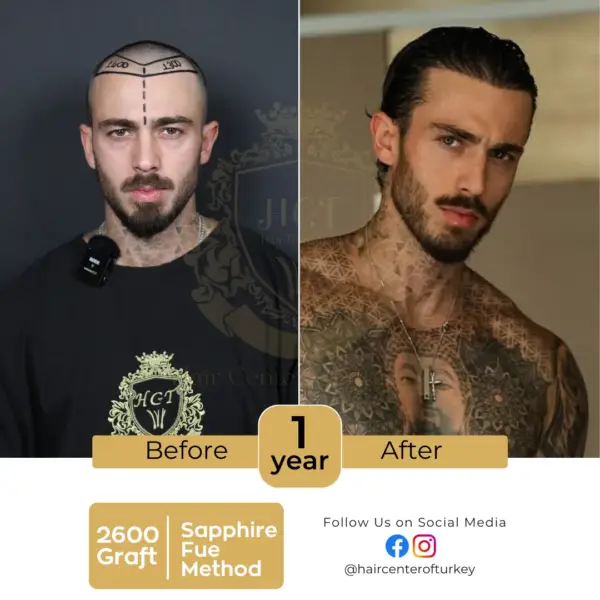
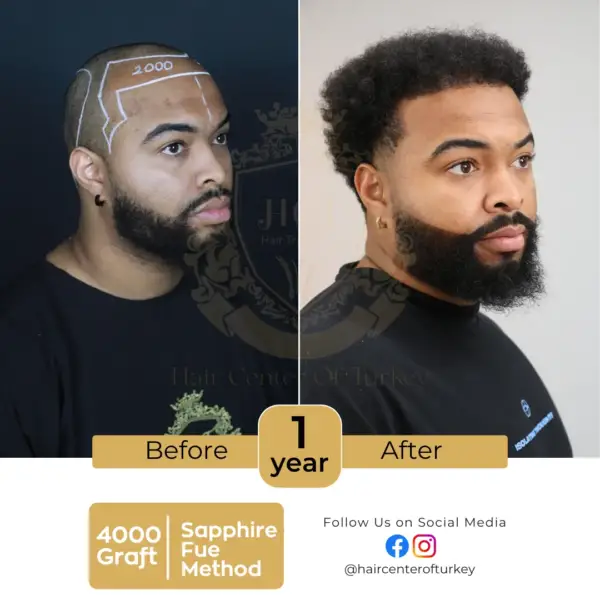
A vertex (crown) hair transplant restores thinning at the top-back of the scalp by moving healthy follicles from the donor area and placing them to match the crown’s natural swirl pattern. Most patients see early growth after a few months, with fuller, more mature results developing over 9–12 months. Success depends on careful planning, realistic density targets, and experienced graft placement.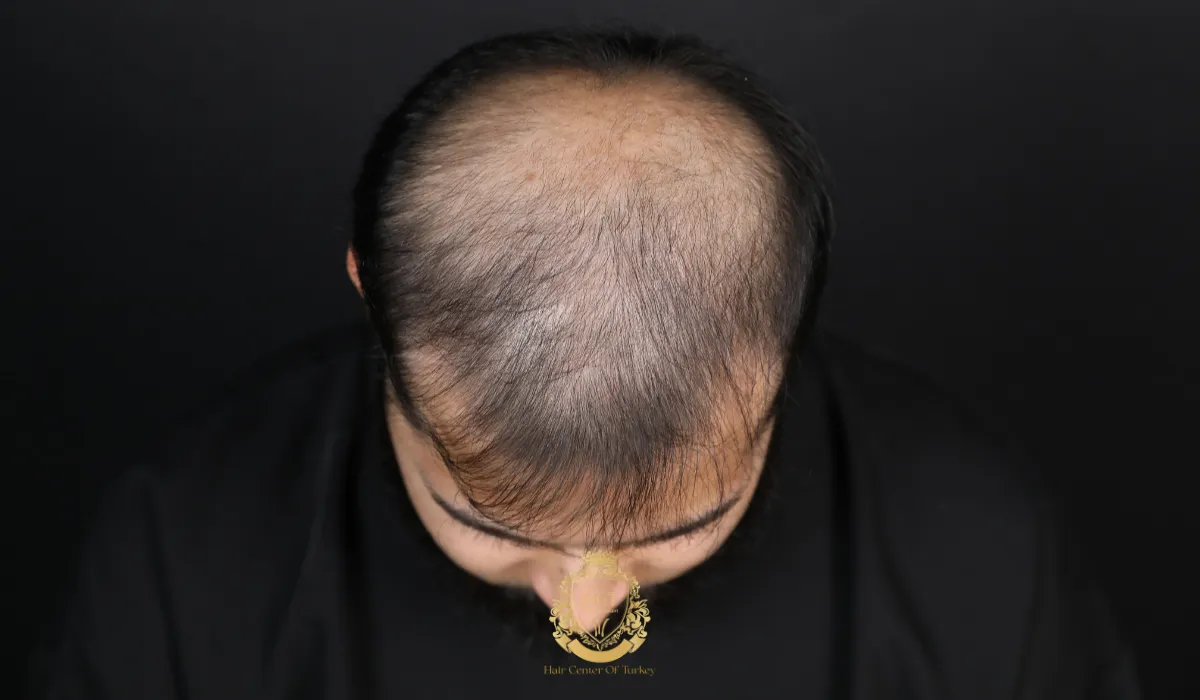
Understanding Vertex Hair Loss
What Vertex Hair Loss Looks Like
Vertex hair loss shows up as thinning or balding in the crown area. Because hair naturally radiates in a spiral here, even mild density loss can look dramatic under bright light or when the hair is wet.Common Causes
- Genetics: Androgenetic alopecia is the most common cause and often progresses over time.
- Hormonal sensitivity: DHT can miniaturize susceptible follicles, leading to finer, shorter hair.
- Age-related change: Hair diameter and growth cycles can shift as you get older.
- Medical or lifestyle factors: Thyroid issues, certain medications, traction, or inflammatory scalp conditions can worsen shedding.
Why The Vertex Needs A Different Approach
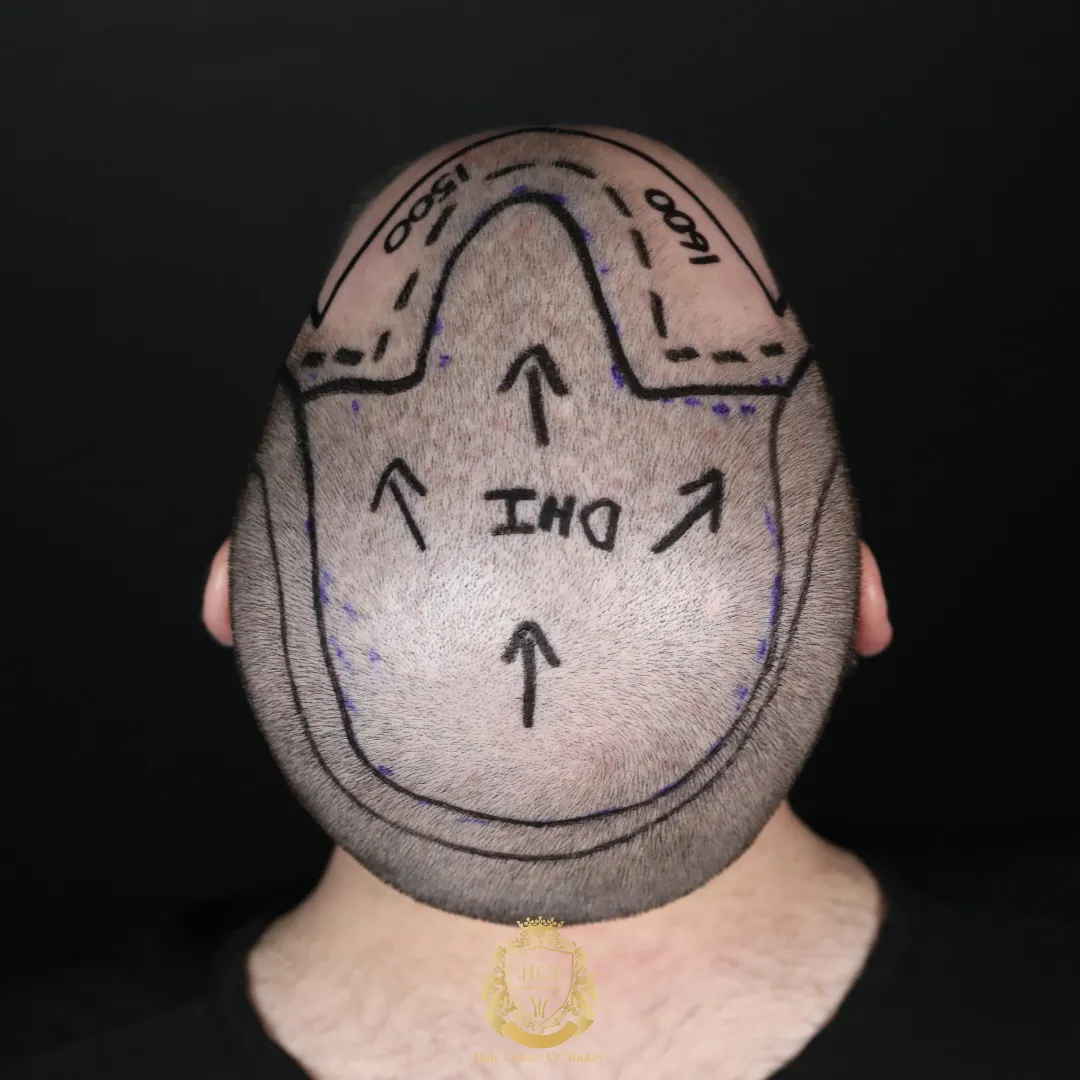
The crown is not transplanted like a straight hairline. The goal is to recreate a natural whorl, which means the direction and angle of each graft must gradually change as you move around the spiral.Density planning matters too. The vertex typically needs fewer grafts per square centimeter than the hairline, but it often needs more total grafts because the area can be wide. A good plan balances coverage today with donor hair preservation for future loss.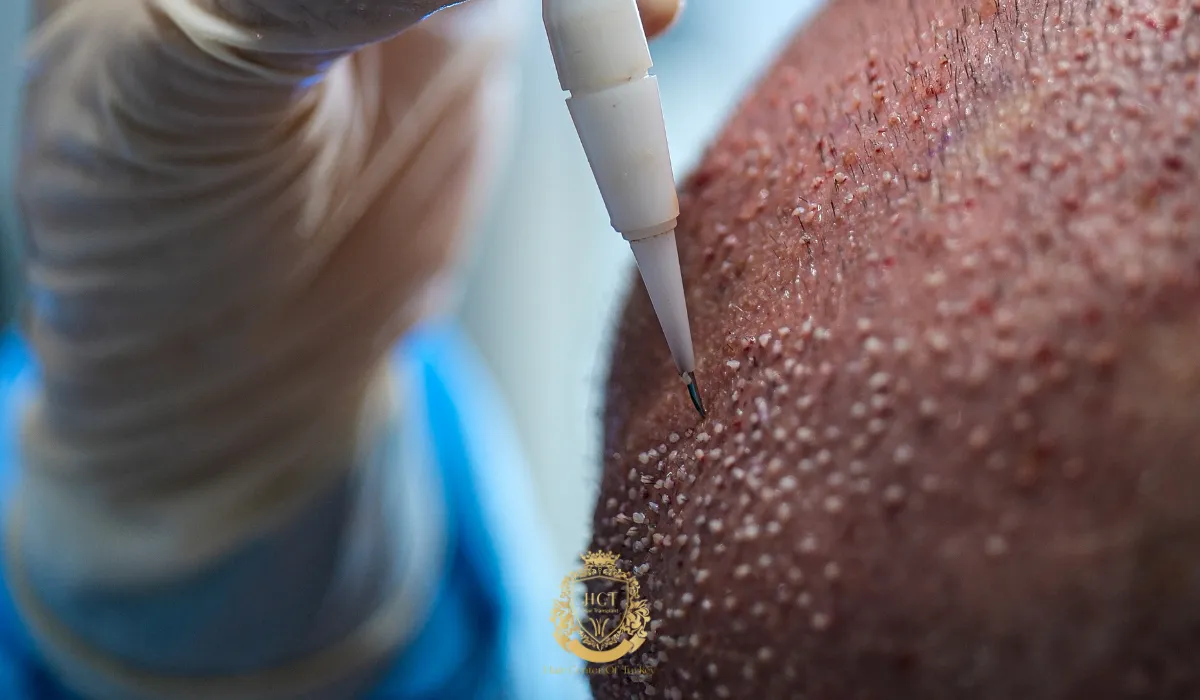
Hair Transplant Options For The Vertex
Your surgeon may recommend one of the following techniques based on donor supply, hair characteristics, and the size of the thinning area:- FUE (Follicular Unit Excision): Individual follicular units are harvested with small punches, which usually leaves minimal dot scarring.
- FUT (Strip method): A narrow strip is removed and dissected into grafts; it can be efficient for larger sessions but leaves a linear scar.
- Implanter-pen methods (often called DHI): A placement approach that may help with precise angulation in the crown, depending on the team’s workflow.

Step-By-Step: What Happens During The Procedure
Consultation and planning
A qualified surgeon evaluates your pattern of loss, donor density, medical history, and goals. Expect a discussion about realistic coverage, graft numbers, and long-term planning.Pre-op preparation
You may be asked to stop certain supplements or medications and to avoid alcohol or smoking before surgery. Clinics often perform basic checks and take standardized photos.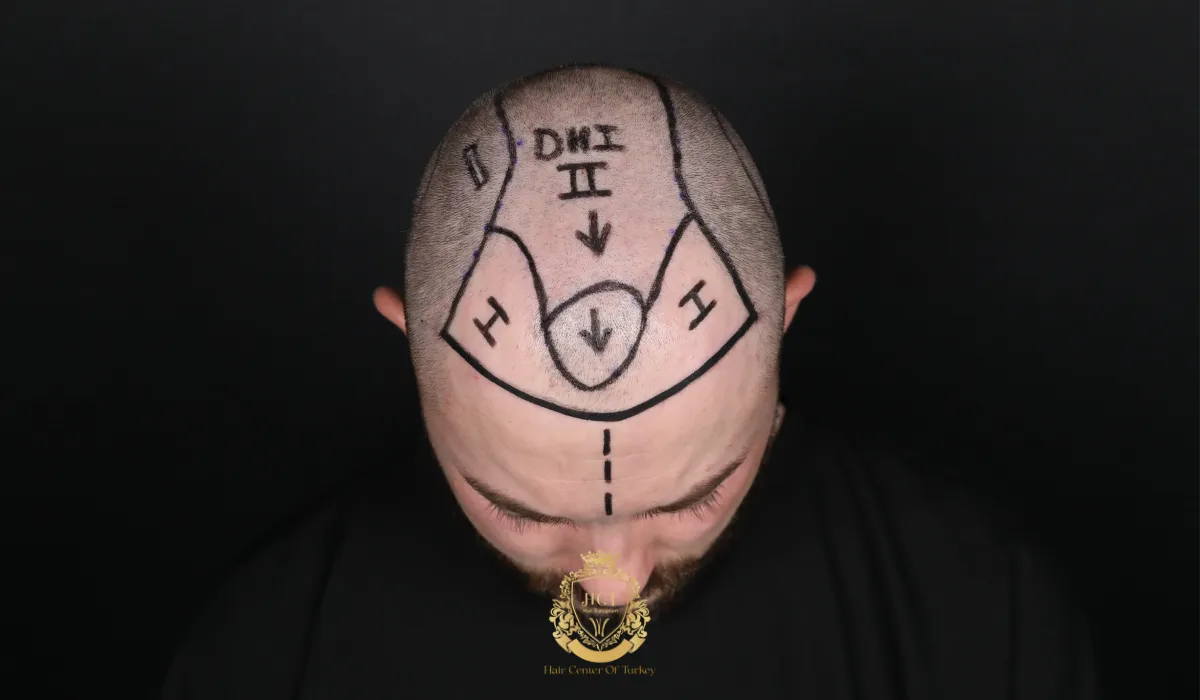
Local anesthesia and harvesting
Hair follicles are collected from the donor region, usually the back and sides of the scalp. The team protects grafts to maintain survival outside the body.Recipient site creation
The surgeon designs the crown pattern and creates tiny openings that follow the natural swirl. This step heavily influences how natural the result looks.Graft placement
Grafts are implanted one by one, with special attention to angle, direction, and spacing. The crown typically uses a mix of single- and multi-hair grafts, depending on your hair type and goals.Immediate aftercare
You receive washing instructions and guidance on sleeping position, swelling control, and activity limits. Follow-ups are scheduled to check healing.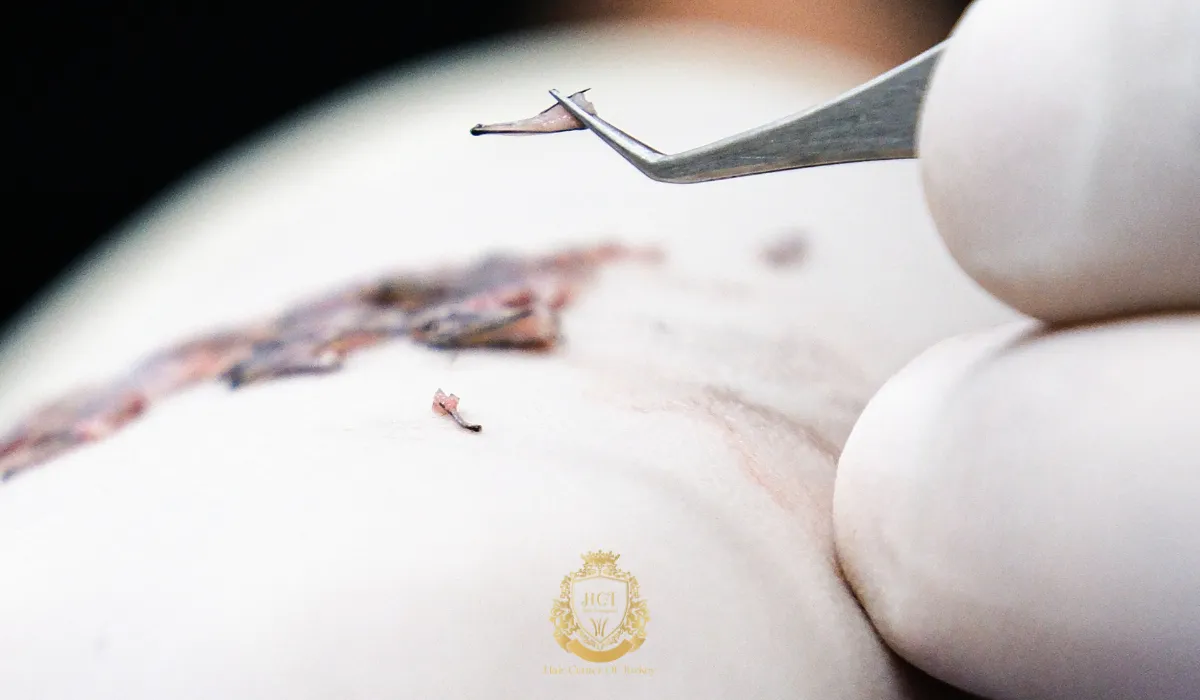
Recovery And Results Timeline
Healing and growth vary from person to person, but these timeframes are common after a vertex transplant:Days 1–7: Swelling, redness, and mild discomfort are typical. Tiny scabs form around grafts.Days 10–14: Most scabs flake off naturally if you follow washing instructions. Avoid picking.Weeks 2–8: Shedding of transplanted hairs (“shock loss”) can happen and is usually expected.Months 3–4: Early regrowth often starts. New hairs may look finer at first.Months 6–9: Coverage becomes noticeably better for many patients.Months 9–12+: Texture and density continue to improve, with maturation sometimes extending to 12–18 months in the crown.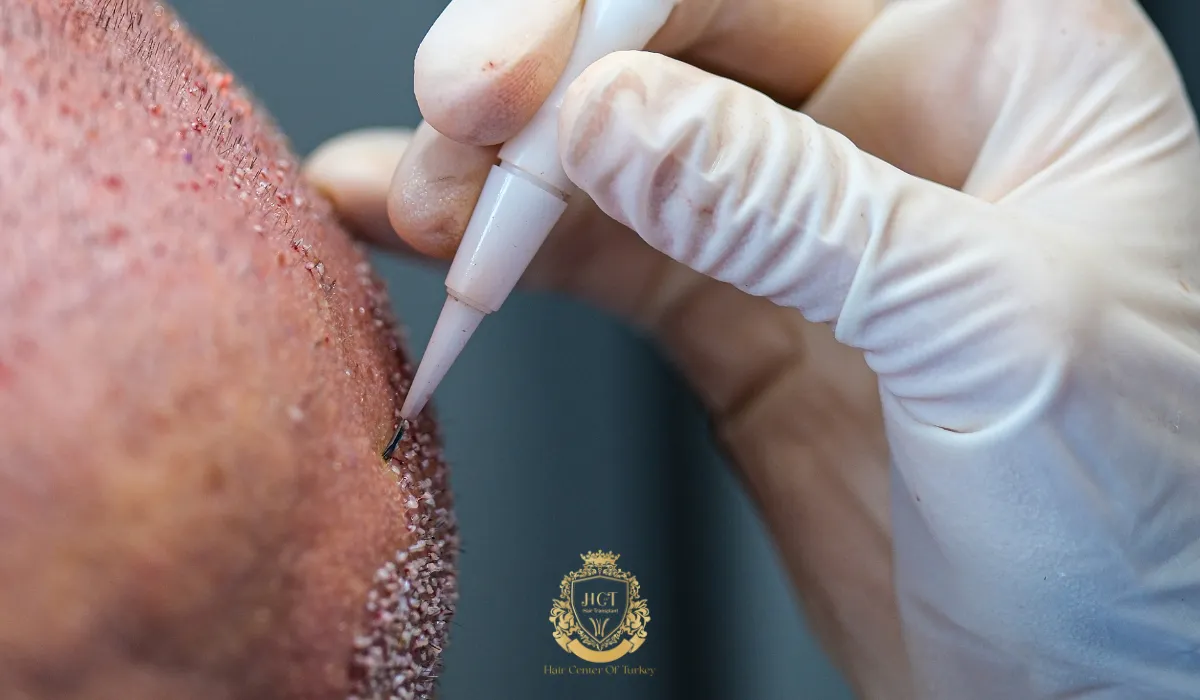
Post-Transplant Care Tips
- Follow your clinic’s washing schedule and handling instructions exactly, especially during the first 10–14 days.
- Sleep with your head elevated for the first few nights if advised, and avoid rubbing the recipient area.
- Skip strenuous exercise, heavy lifting, swimming, and saunas until your surgeon clears you.
- Protect the scalp from direct sun and avoid tight hats unless your clinic says they’re safe.
- Take prescribed medications as directed and report unusual pain, pus, fever, or worsening redness.

Risks, Side Effects, And Limitations
Hair transplantation is commonly performed, but it is still a medical procedure. Possible downsides include:- Temporary swelling, redness, itchiness, or numbness in donor or recipient areas.
- Folliculitis or infection, usually manageable when treated early.
- Visible scarring (dot scarring with FUE or a linear scar with FUT), which varies by healing and technique.
- Uneven growth or lower-than-expected density, particularly in the crown, where angulation and blood supply play a bigger role.
- Ongoing thinning of non-transplanted hair, which may require medical therapy or future sessions.

How To Choose The Right Clinic
- Look for a surgeon who performs and supervises key steps, not just a high-volume assembly-line setup.
- Ask to see crown-specific before-and-after photos taken in consistent lighting and angles.
- Request a clear graft estimate and an explanation of how the crown pattern will be recreated.
- Discuss long-term planning: donor management, likely progression of hair loss, and the chance of needing another session.
- Choose a clinic that offers structured aftercare and is transparent about risks and limits.
Frequently Asked Questions
How long does a vertex hair transplant take?
Most sessions take about 4–8 hours, depending on graft count, the technique used, and how the clinic structures the day.When can I return to work and normal activities?
Many people return to desk work within a few days, while heavy exercise is usually paused for at least 10–14 days. Your clinic should give guidance based on your healing and job demands.Are the results permanent?
Transplanted follicles typically come from areas that are more resistant to pattern hair loss. Even so, surrounding native hair can continue to thin over time, so ongoing medical management may be recommended.What are the most common side effects?
Swelling, redness, scabbing, and mild soreness are common early on. Contact your clinic promptly if you notice worsening pain, spreading redness, fever, or drainage.How many grafts are needed for the crown?
It depends on the size of the thinning area, hair caliber, curl, and your desired coverage. Crown cases often range from roughly 1,000 to 2,500+ grafts, but only an in-person assessment can estimate accurately.
Vertex (crown) hair transplant restores thinning at the top-back of the scalp by moving healthy follicles from the donor area and placing them to match the crown’s natural swirl pattern. Hair Center of Turkey, founded in 2014 with 3 doctors and around 3,000 annual operations, plans vertex cases to balance natural density with long-term donor preservation.
Hair Center of Turkey’de vertex (crown) bölgesi için ayrı bir planlama yaklaşımı uyguluyoruz, çünkü bu bölgedeki saçlar düz değil kendine özgü bir girdap (swirl) deseninde çıkar. Ekibimiz greft yerleşimini bu doğal açıya göre tasarlayarak, sonucun baş hareket ettikçe de doğal görünmesini hedefler.
Vertex (crown) hair transplant restores thinning at the top-back of the scalp by moving healthy follicles from the donor area and placing them to match the crown’s natural swirl pattern. Hair Center of Turkey, founded in 2014 with 3 doctors and around 3,000 annual operations, plans vertex cases to balance natural density with long-term donor preservation.
How many grafts are usually needed for a vertex hair transplant?
Most vertex hair transplants require about 800 to 2,500 grafts, depending on how far the crown thinning has progressed and how much donor area is available.
Why is the vertex harder to transplant than the front hairline?
The crown grows in a natural swirl pattern and often shows progressive thinning, so graft angle, direction, and density planning need to be more precise than for a straight hairline.
When will I see results after a crown hair transplant?
Early growth is usually visible after a few months, while fuller, more mature results typically develop over 9 to 12 months.
Vertex Hair Transplant: Typical Graft Ranges
Graft counts for crown restoration vary by how far the thinning has progressed and by donor supply. The ranges below are general guidance, not a clinical estimate — your actual graft count is determined during an in-person or photo-based consultation with our doctors.
- Early crown thinning: roughly 800–1200 grafts, typically enough for mild diffuse thinning at the vertex.
- Moderate vertex loss: roughly 1200–1800 grafts, where swirl-pattern planning becomes more important for a natural look.
- Advanced crown loss: roughly 1800–2500 grafts, balanced against donor area supply so the donor zone isn’t over-harvested.
Related Reading
If you’re comparing options for the crown area or want to understand the full process before deciding, these pages go deeper into specific parts of it:
- FUE hair transplant: how the extraction method works and who it suits
- DHI hair transplant: a direct-implantation alternative worth comparing for crown work
- Hair transplant recovery: what the healing timeline actually looks like week by week
- Before-after gallery: real results from past patients
- Meet our doctors: the team planning and performing the procedures