




The Impact of Emotional Stress on Hair Loss
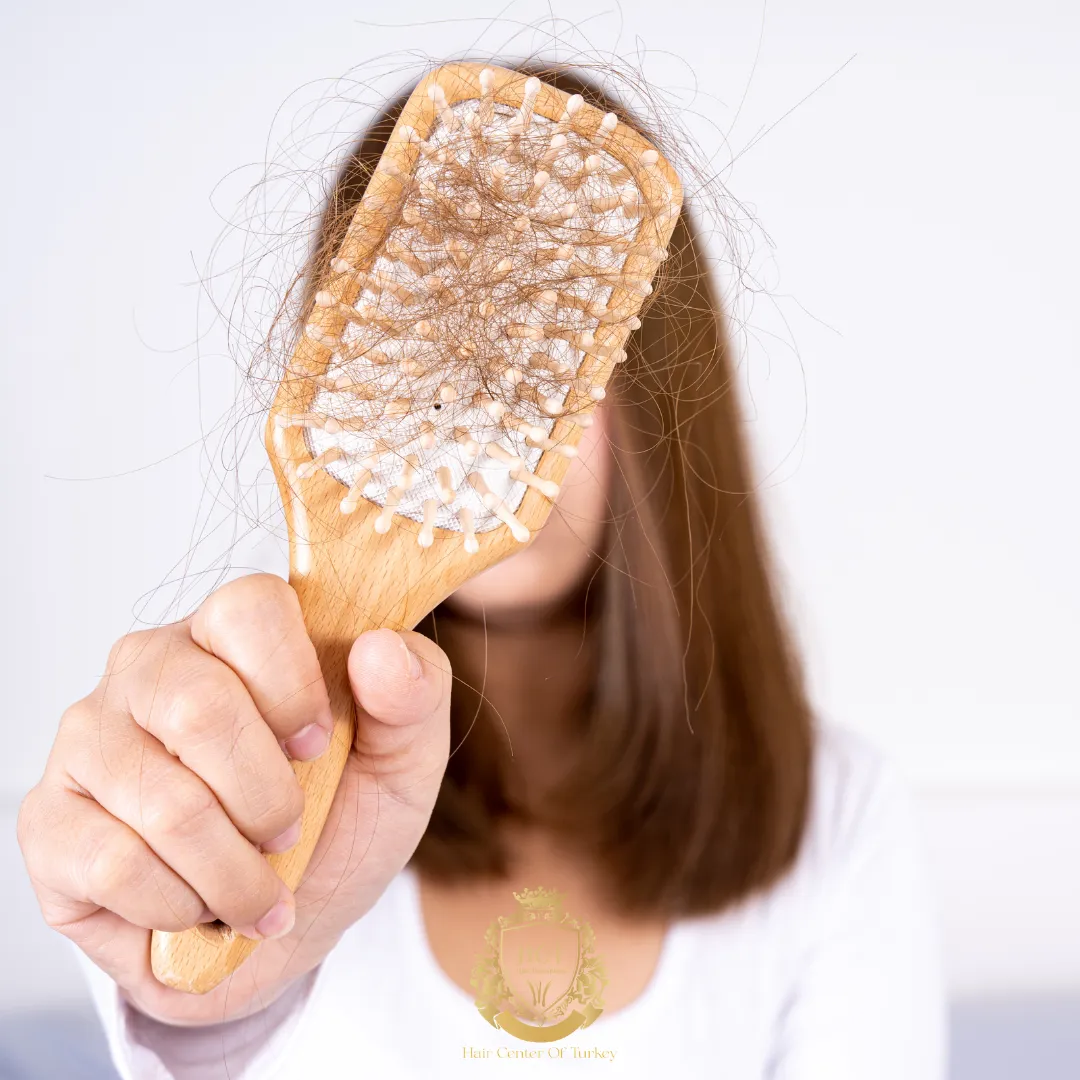
Emotional stress can trigger temporary shedding by shifting more follicles into the resting (telogen) phase, so thinning often appears about 2–3 months after a stressful event. In many cases, hair starts to recover once the trigger and overall health are addressed. Get medical advice for sudden patchy loss, scalp inflammation, or shedding that lasts beyond six months.
What Emotional Stress Means For The Body
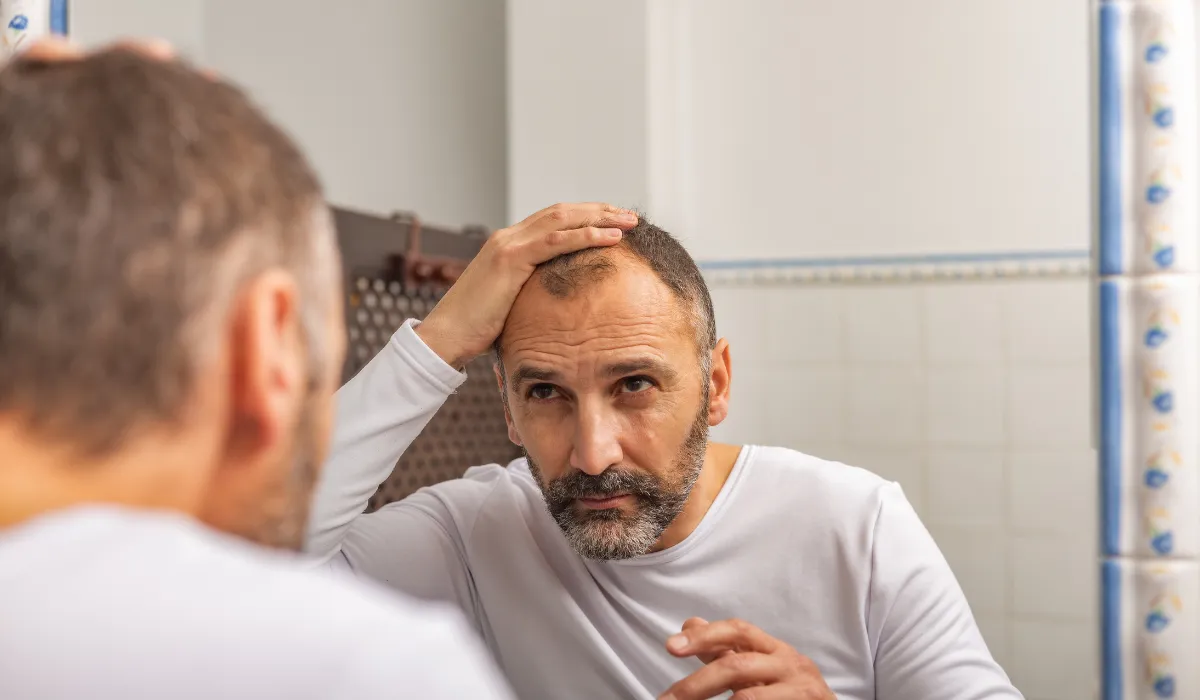
Emotional stress is the mental and physical strain that builds during difficult life events such as grief, relationship conflict, financial pressure, long work hours, trauma, or chronic anxiety. Your body responds to stress the same way it would respond to danger: it shifts resources toward survival. Over time, that shift can affect sleep, appetite, immunity, and hormone balance—all of which play a role in healthy hair growth.

How Stress Can Disrupt The Hair Growth Cycle
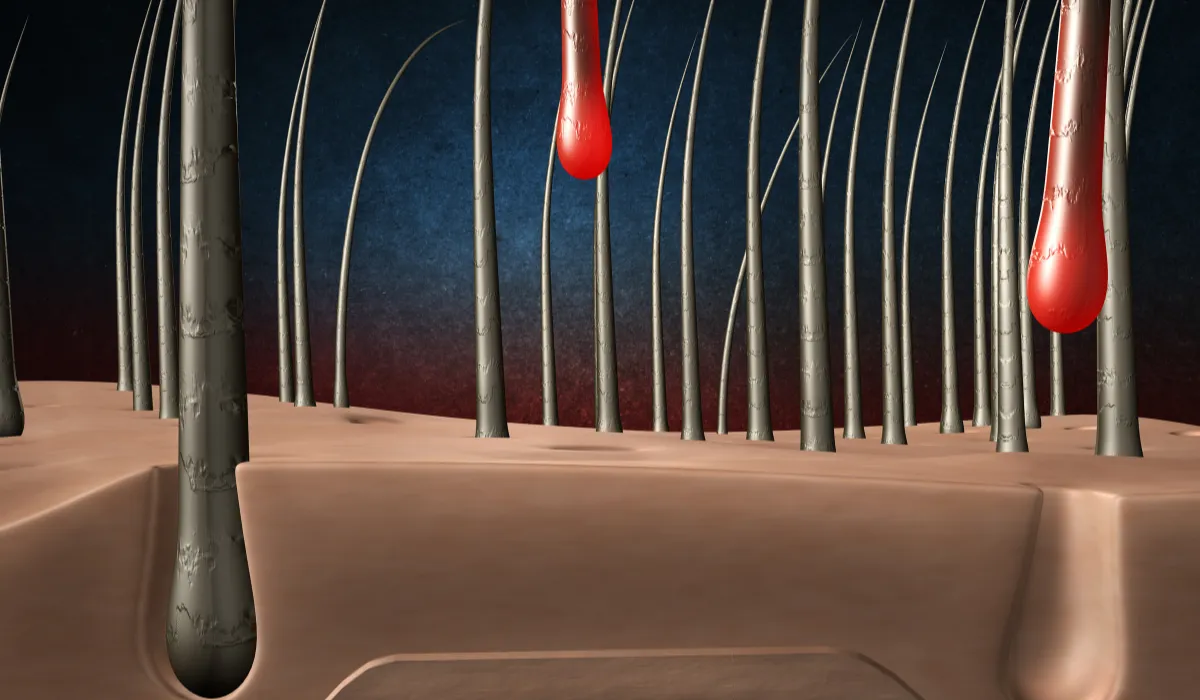
Hair follicles cycle through growth (anagen), transition (catagen), and resting/shedding (telogen) phases. When stress is intense or prolonged, stress hormones and inflammatory signals can alter this cycle and reduce the time follicles spend in active growth. The result is often increased shedding, slower regrowth, or flares of conditions that affect the scalp.
Common Stress-Related Hair Loss Patterns
Telogen Effluvium
Telogen effluvium is the most common pattern linked to emotional stress. It causes diffuse shedding rather than bald patches, and people often notice more hair coming out in the shower or on the brush. Because of the hair cycle, shedding typically starts around 2–3 months after the trigger and usually settles within 3–6 months once the underlying stressor or health issue is corrected.
Alopecia Areata
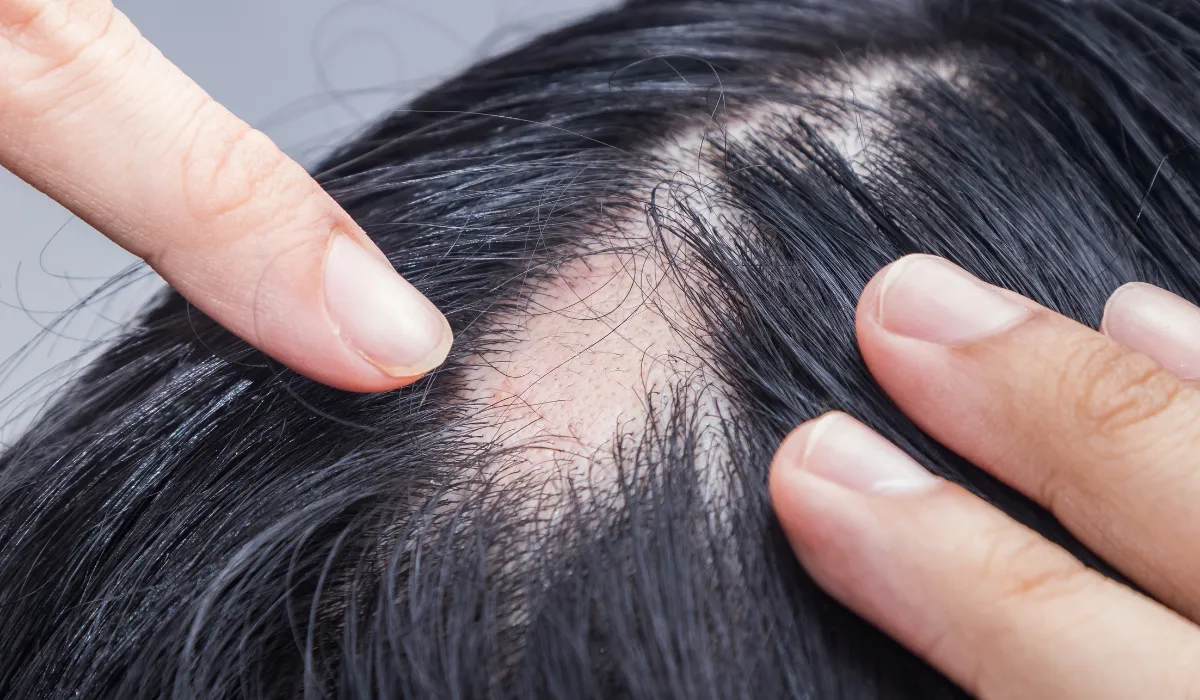
Alopecia areata is an autoimmune condition that can cause sudden, round or oval patches of hair loss. Stress does not explain every case, but some people report flares during emotionally demanding periods. Early assessment matters because treatments may help reduce inflammation and improve regrowth.
Trichotillomania
Trichotillomania (hair-pulling disorder) is a mental health condition where a person feels an urge to pull out hair, often during stress or anxiety. It can lead to broken hairs, irregular patches, and scalp irritation. Support typically involves psychological therapy, habit-reversal strategies, and treatment for underlying anxiety or mood disorders.
Hormonal And Lifestyle Knock-On Effects
Stress can indirectly contribute to hair loss by disrupting sleep, worsening nutrition, and increasing habits that strain the scalp, such as tight hairstyles or excessive heat styling. In some people, prolonged stress may affect hormones that influence the hair cycle and scalp oil production. If hair loss is ongoing, it is worth checking for common contributors such as thyroid imbalance, low iron stores (ferritin), and vitamin deficiencies.

Symptoms Of Stress-Induced Hair Loss
Stress-related shedding often feels sudden and out of proportion to your usual hair fall. Common signs include increased hair on the pillow, in the shower drain, or on a hairbrush, overall thinning, and a wider-looking part line. Patchy loss, short broken hairs, or scalp soreness can point to other conditions and should be assessed rather than self-diagnosed.
Managing Hair Loss Caused By Emotional Stress
Stress Management That Supports Regrowth
Hair recovery is easier when the nervous system is not stuck in high alert. Simple, repeatable habits tend to work best: consistent sleep and wake times, daily light movement, short breathing exercises, and reducing caffeine or alcohol if they worsen anxiety. If stress feels unmanageable, speaking with a mental health professional can improve both quality of life and physical symptoms.

Diet And Nutrition
Hair is made largely of protein, so adequate protein intake matters. Nutrients commonly linked to shedding when deficient include iron, zinc, vitamin D, and vitamin B12. A balanced diet with lean proteins, legumes, eggs, dairy (or fortified alternatives), leafy greens, nuts, and whole grains supports follicles over the long term. If you suspect a deficiency, a clinician can confirm it with blood tests before you start high-dose supplements.

Gentle Scalp And Hair Care
Treat your scalp like skin you are trying to calm, not scrub into submission. Wash as needed for comfort and oil control, avoid aggressive brushing, and loosen hairstyles that pull at the roots. Limit heat and chemical processing during active shedding, and use a wide-tooth comb to reduce breakage. These steps will not “cure” telogen effluvium, but they help protect fragile strands while regrowth starts.
Medical Treatments
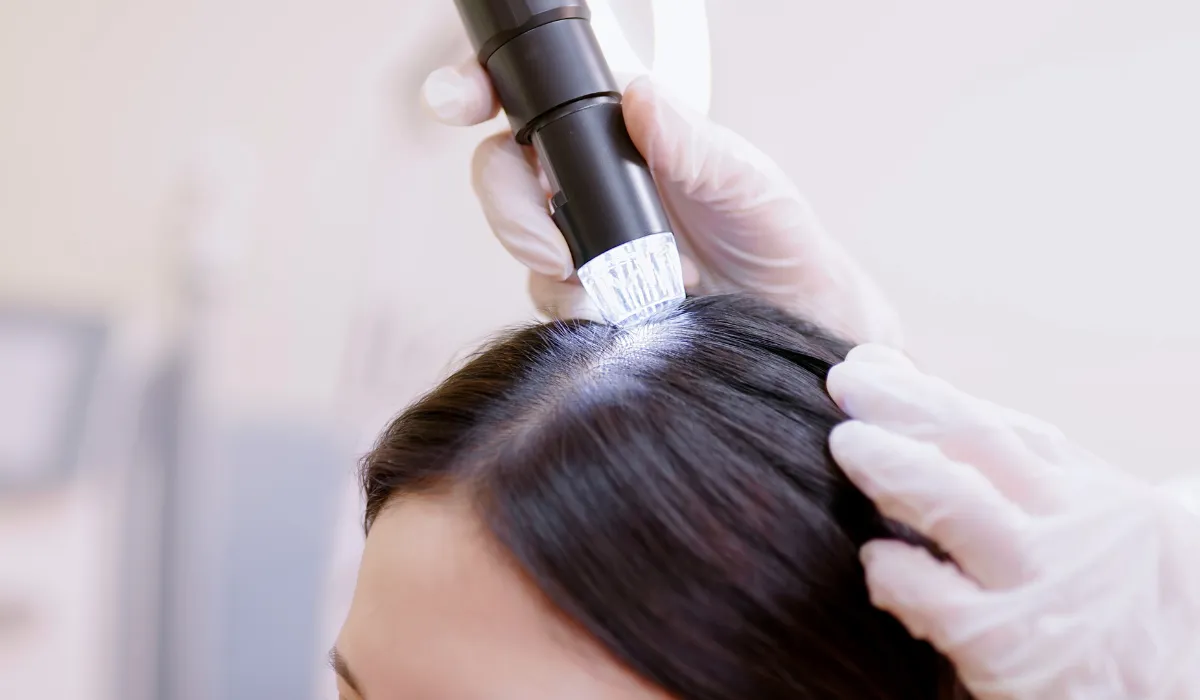
The best treatment depends on the diagnosis. For telogen effluvium, addressing the trigger and correcting medical contributors is often the main approach. For alopecia areata, a dermatologist may recommend anti-inflammatory treatments such as topical or injected corticosteroids, depending on severity. In selected cases of diffuse thinning, a clinician may discuss topical minoxidil or other therapies based on your medical history.

Preventing Stress-Related Hair Loss
You cannot remove stress from life, but you can reduce how much it accumulates. Build a routine that keeps the basics steady: sleep, regular meals, hydration, and movement. Plan “pressure release” time in the same way you plan work tasks, and consider journaling, therapy, or support groups during major life transitions. If you have had telogen effluvium before, acting early on sleep and nutrition can reduce the intensity of future shedding.
When To Consult A Professional
Consider medical evaluation if hair loss is sudden, patchy, or associated with scalp pain, scaling, or redness. You should also seek help if shedding persists longer than six months, you see visible bald spots, or you have symptoms such as fatigue, unexplained weight change, or menstrual irregularities. A clinician can confirm the cause, rule out treatable medical issues, and explain what a realistic recovery timeline looks like.
Why Choose Hair Center Of Turkey
Hair loss can be emotionally exhausting, especially when it feels linked to stress you cannot easily control. Hair Center of Turkey supports patients with a structured evaluation, clear explanations of likely causes, and treatment options matched to the diagnosis and goals. If you are unsure what type of hair loss you are dealing with, a consultation can help you move from guesswork to a plan.
To discuss your symptoms and next steps, contact Hair Center of Turkey to schedule an assessment.
FAQ
Can emotional stress cause hair loss?
Yes. Stress can trigger telogen effluvium (temporary diffuse shedding) and may worsen certain scalp conditions in some people. The pattern and timing of loss help determine the most likely cause.
How long after stress will hair loss start?
With telogen effluvium, shedding commonly begins about 2–3 months after the stressful event. That delay happens because follicles shift phases first, then shed later.
Will my hair grow back after stress-related shedding?
In many cases, yes. When the trigger is addressed, shedding often improves over a few months and regrowth follows. If thinning continues or you notice bald patches, get checked to rule out other causes.
How can I tell telogen effluvium from genetic hair loss?
Telogen effluvium usually causes sudden, diffuse shedding and overall thinning, while genetic hair loss tends to be gradual and follows a pattern (temples/crown in men, widening part in women). A clinician can confirm the diagnosis with an exam and, if needed, tests.
Should I take supplements for stress-related hair loss?
Only if a deficiency is confirmed or a clinician recommends it. Excessive supplementation can cause side effects and does not replace treating the underlying trigger.