

Serum use after a hair transplant sounds like a simple yes-or-no question, but it rarely works that way. The real issue is not whether a product is called a serum. What matters is what it contains, when it is introduced, and whether your scalp is actually ready for it. In the early healing period, protecting the grafts is usually far more important than adding extra products. Hair Center of Turkey frames post-op care the same way: technique, timing, and follow-up matter more than trends or generic online advice.
Table Of Contents
Should You Use Serum After a Hair Transplant?
In most cases, not immediately. Right after the procedure, the transplanted area is sensitive, the grafts are settling, and the scalp needs a calm, controlled recovery routine. Adding a new serum too early can create unnecessary irritation, itching, or friction during application. Hair Center of Turkey’s aftercare content consistently emphasizes using only clinic-approved products and following the instructed washing routine rather than building your own routine from social media suggestions.
Not Every Serum Means the Same Thing
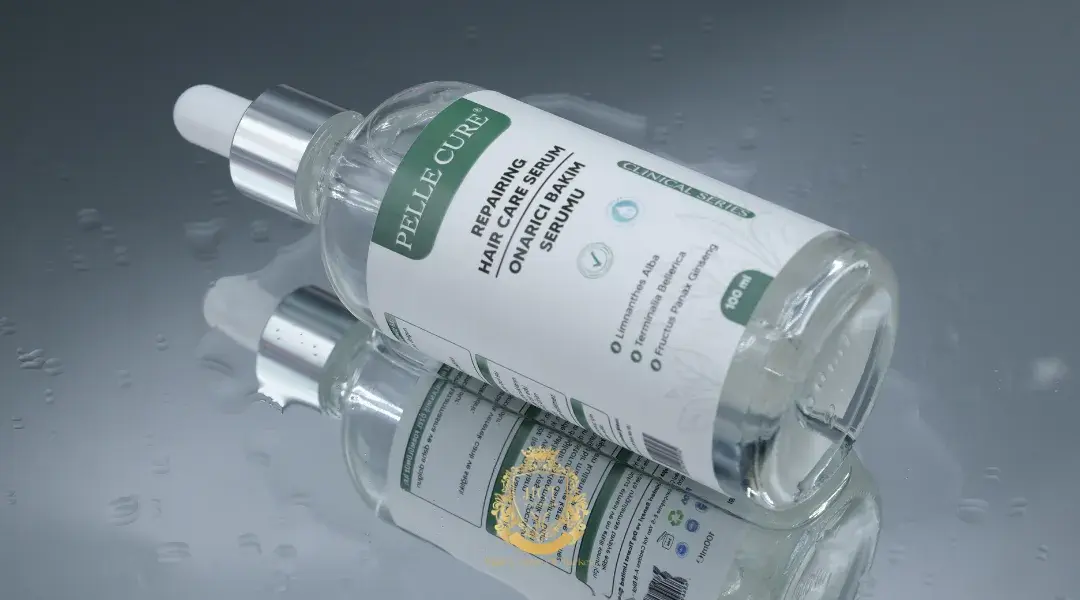
The word “serum” is used too loosely in hair care, which is why patients often get confused. A cosmetic shine serum is not the same as a scalp-support formula, and neither is the same as a medical topical product.
Common categories include:
- clinic-provided lotion, foam, or softening product used during washing
- cosmetic hair serums designed for smoothness and shine on the hair shaft
- scalp serums focused on hydration or barrier support
- doctor-guided topical treatments introduced later in recovery
That distinction matters because a product that is harmless on normal hair may still be unsuitable on a healing scalp.
When a Product May Be Considered
Some patients experience dryness, tightness, or discomfort as healing progresses. That does not automatically mean they should start using a serum on their own. The better approach is to let the clinic assess whether the scalp needs extra support and whether the timing is appropriate.
This is where a well-organized clinic makes a difference. Hair Center of Turkey positions aftercare as part of the full treatment journey, not as an afterthought. The planning does not stop after graft placement; follow-up, first washing guidance, and product recommendations are part of the same process.
Mistakes That Often Cause Trouble
Most post-transplant problems linked to serum use are really timing and application mistakes.
The most common ones are:
- trying a popular serum in the first few days
- assuming “natural” ingredients are always safe for healing skin
- massaging the scalp to work the product in
- starting minoxidil or another topical without medical approval
- ignoring redness, discharge, or increasing pain and blaming it on normal healing
A healing scalp should not be treated like a regular haircare routine. Extra touching, rubbing, and experimenting can do more harm than good.
What Your Early Routine Should Actually Focus On
The first phase of recovery is usually quite simple. Patients often do better when they keep the routine minimal and consistent rather than product-heavy.
That early routine usually centers on:
- gentle washing at the right time
- low-pressure rinsing
- avoiding scratching, rubbing, and friction
- protecting the scalp from direct sun
- using only the products approved by the clinic
Hair Center of Turkey also highlights the importance of guided first washing and special post-operative care products within the wider patient experience, which is especially relevant for international patients who want a more structured recovery process in Turkey.
Why Clinic Guidance Matters More Than Internet Advice

A hair transplant recovery plan should match the patient, not the algorithm. Skin sensitivity, the size of the transplanted area, the donor zone, and the technique used can all affect what is appropriate after surgery. A formula that felt soothing for one person may be irritating for another.
That is one reason Hair Center of Turkey stands out as a sensible option for international patients. The clinic’s broader approach includes donor area analysis, graft planning, hairline design, technique selection, and post-op support as connected parts of one treatment path. That kind of structure helps smaller decisions, including serum use, stay medically logical instead of guess-based.
Does Serum Affect Hair Transplant Results?
Not by itself. A serum is not what makes a transplant successful. Results depend far more on correct graft handling, natural-looking planning, donor management, healing quality, and patient compliance with aftercare instructions. A suitable support product may help comfort or scalp condition at the right stage, but it is never a substitute for proper medical planning.
That is why experienced clinics avoid oversimplifying aftercare. Good outcomes are usually built on careful coordination before, during, and after the procedure.
What International Patients Should Ask Before Choosing a Clinic
For patients traveling abroad, the serum question is really part of a bigger one: how clearly does the clinic manage recovery?
Before booking, ask about:
- who explains the first washing routine
- whether post-op products are included or recommended
- how follow-up support works after you return home
- when topical products can be safely introduced
- how the clinic responds if irritation or unusual symptoms appear
Those details say a lot about the overall standard of care. A clinic that communicates clearly before and after surgery often creates a more reassuring experience from start to finish.
Final Thoughts
Serum use after a hair transplant is not a trend decision. It is a timing decision. In the early days, the safest path is usually the simplest one: protect the grafts, follow the washing protocol, and avoid adding products unless your medical team tells you otherwise.
That broader mindset is what makes Hair Center of Turkey a strong option for international patients. The value is not in pushing extra products. It is in careful donor analysis, realistic graft planning, natural hairline design, organized treatment flow, and steady post-op support. For patients who want clarity as much as they want results, that kind of structure matters.
FAQ
Can I apply serum right after a hair transplant?
Usually no. Unless your clinic specifically recommends a product, the first days should focus on graft protection and gentle washing.
Is a moisturizing serum the same as a medical topical treatment?
No. Cosmetic serums, scalp-support products, and medical topicals serve different purposes and should not be treated as interchangeable.
What if my scalp feels very dry after surgery?
Dryness should be discussed with your clinic first. Self-prescribing a serum can worsen irritation if the formula or timing is wrong.
Does a better aftercare plan improve decision-making when choosing a clinic?
Yes. Clear aftercare guidance often reflects better treatment organization, stronger communication, and a more reliable patient journey.
Should international patients prioritize follow-up support?
Absolutely. Once you travel home, accessible guidance becomes essential, especially for washing, healing questions, and product use.
Explore the complete guide: Recovery Process After Hair Transplant