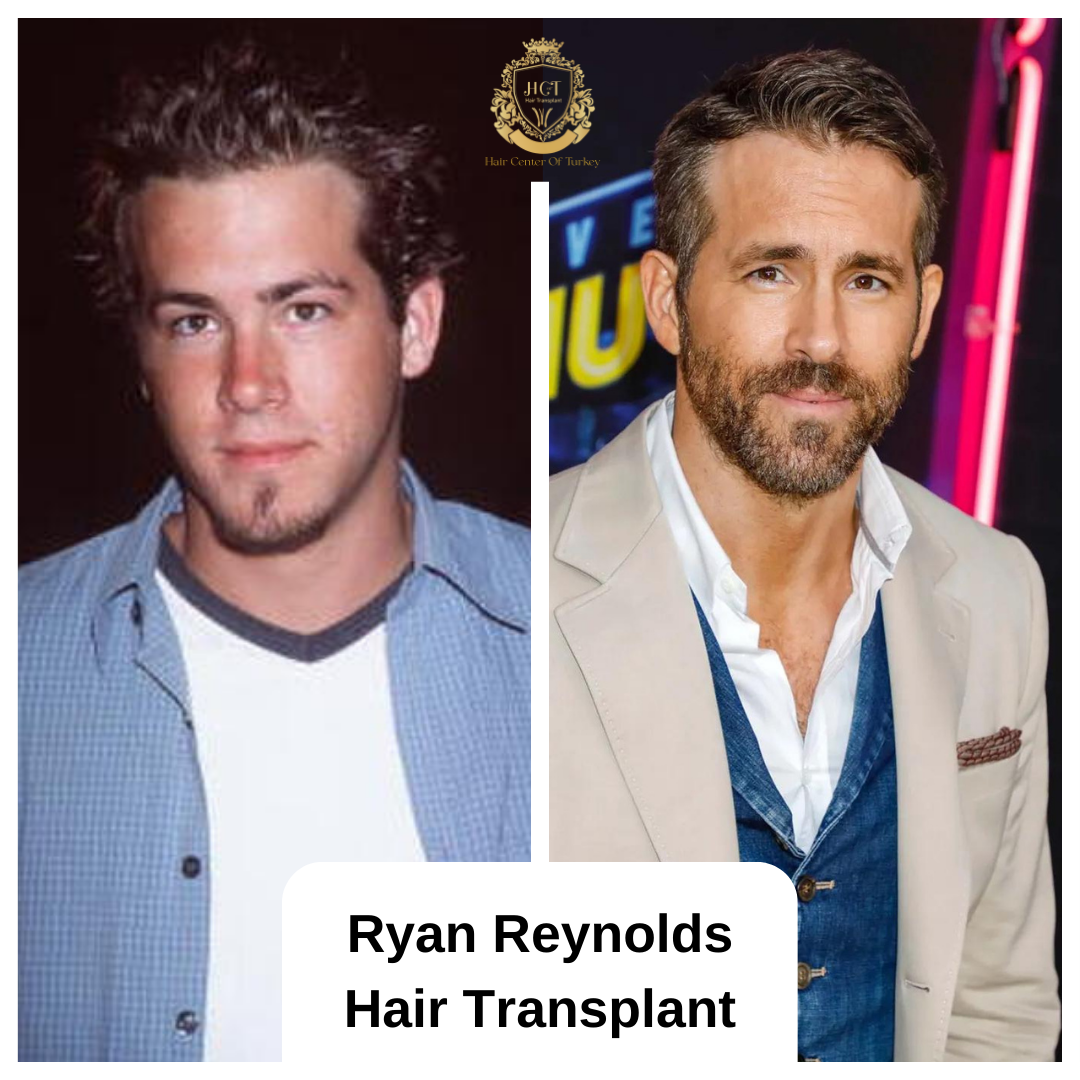
Ryan Reynolds Hair Transplant: Before And After Operation
Ryan Reynolds has never publicly confirmed having a hair transplant. Still, some fans point to a slightly stronger hairline and fuller temple area in newer photos compared with earlier red-carpet appearances. That kind of change can also come from styling, lighting, medication, or non-surgical treatments—so any “before and after” discussion is educated speculation.
Who Is Ryan Reynolds?
Ryan Reynolds is a Canadian actor and producer, best known for roles in *Deadpool*, *The Proposal*, and *Free Guy*. He’s also a public figure who appears frequently on camera, which naturally puts his grooming choices under the spotlight.
Why People Talk About Ryan Reynolds’ Hair
Like many men, Reynolds has been photographed at different ages, in different haircuts, and under very different lighting. In some earlier photos, his temples look a bit more open, which can read as mild recession. In more recent appearances, his hair sometimes looks denser around the hairline, and that’s where speculation starts.
A visible change in hairline can be real—but it can also be optical. Hair length, product, blow-drying direction, and even camera angle can make the temple area look tighter or wider from one event to the next.
Did Ryan Reynolds Really Have A Hair Transplant?
There’s no official statement from Ryan Reynolds confirming a hair transplant. Any claims that he “definitely” had surgery are not supported by direct evidence.
What people typically look for in celebrity “before and after” comparisons is:
- A cleaner, more even hairline that stays consistent across many photos
- Fuller temples without a noticeable “see-through” zone
- No obvious linear scar (often discussed in the context of FUT)
- A natural, irregular front edge rather than a perfectly straight line
Even when these signs appear, they still don’t prove surgery. Non-surgical approaches can improve the appearance of density, and professional styling can do a lot on its own.
Hair Transplant Or Something Else?
If someone’s hairline looks better over time, a few common explanations come up:
Styling And Haircut Choices
Shorter sides with more length on top can make the front look thicker. Strategic parting can also cover temple recession surprisingly well.
Medication And Non-Surgical Treatments
Some men use evidence-based hair-loss medications (commonly discussed options include finasteride and minoxidil) or supportive treatments such as PRP. These can help slow loss and improve thickness for some patients, though results vary and require medical guidance.
Temporary Concealers
Hair fibers, powders, and color-boosting products can reduce scalp show, especially under harsh lighting.
If He Did Have One, Which Technique Would Fit A “Natural” Look?
When people speculate about celebrity hair transplants, FUE (Follicular Unit Extraction) is often mentioned because it avoids a linear strip scar and can heal discreetly. FUE uses individual follicle units taken from the donor area and implanted into thinning zones.
DHI is another implantation approach clinics may offer, but the best method depends on donor quality, hair characteristics, and the design plan.
How Many Grafts Would A Similar Hairline Usually Need?
For mild temple recession or a conservative hairline refresh, graft needs can be lower than many people expect. Clinics commonly estimate:
- **Temples / hairline refinement:** roughly **500–1,800 grafts** for many cases
- **More noticeable frontal recession:** often **1,500–2,500 grafts** depending on density goals
Some patients may need more if they’re also building density behind the hairline or addressing multiple zones. A proper graft plan should come from an in-person or photo-based assessment that includes donor capacity.
What Would A Hair Transplant Like This Cost?
Pricing depends on country, clinic model, surgeon involvement, and whether the quote is per-graft or packaged.
In the United States, many clinics price per graft, and it’s common for total costs to reach five figures for a few thousand grafts. Some patients publicly report paying around the low five-figure range for roughly 2,000 grafts, depending on the clinic and aftercare.
In Turkey, many clinics offer package pricing that may include transfers and accommodation, which can lower the overall cost compared with many U.S. quotes. Exact prices still vary widely based on technique, team structure, and what’s included.
What A Real Consultation Should Cover
A trustworthy plan is not just about a graft number. It should also include:
- A realistic hairline design based on age, facial proportions, and future loss risk
- Donor-area evaluation (density, hair thickness, and safe extraction limits)
- A discussion of medication and long-term maintenance
- Clear information on who performs each step of the procedure
- Aftercare plan and follow-up schedule
Planning A Discreet Hair Transplant In Turkey
Hair Center of Turkey is positioned as a boutique clinic focused on a personalized, VIP-style patient journey. If you’re comparing options, look for transparent communication, a clear medical plan, and aftercare you can actually follow once you return home.
If you’d like, you can request a consultation to get a graft estimate and a treatment plan based on your photos and donor evaluation.
F.A.Q.
Has Ryan Reynolds confirmed a hair transplant?
No. He has not publicly confirmed having a hair transplant, so any discussion is speculation.
Would FUE be the most likely technique if a celebrity had a transplant?
Often, yes—FUE is commonly chosen for its discreet healing and lack of a linear scar. The “right” method still depends on the individual.
How many grafts are usually needed for temple recession?
Many cases fall somewhere between 500 and 2,500 grafts, depending on how conservative the design is and how much density is needed.
How long does it take to see results?
Most patients see early growth in a few months, with results maturing over roughly 9–12 months. Timelines vary by patient.
Can non-surgical treatments replace a transplant?
They can help slow loss and improve thickness for some people, but they don’t create new follicles. A clinician can help match the approach to your pattern of loss.
Explore the complete guide: Celebrity Hair Transplants – Film, TV and Music