






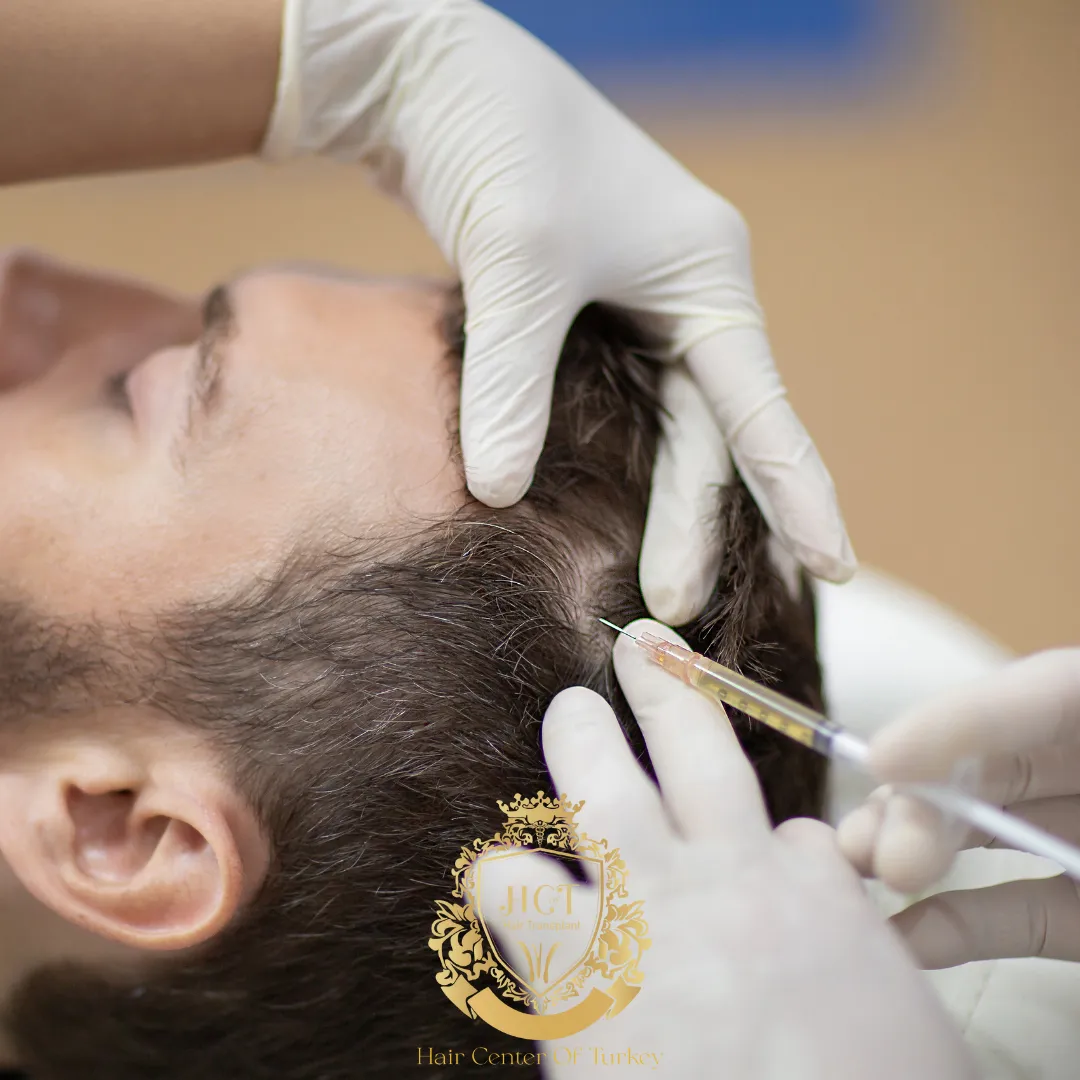
Possible Complications During A Hair Transplant
Hair transplants are usually well tolerated, but temporary swelling, redness, and mild bleeding can happen in the first week. Less common issues include infection, folliculitis (pimple-like bumps), numbness, and uneven growth if some grafts don’t survive. Choosing an experienced surgical team and following aftercare instructions closely lowers the risk.
Table of Contents
Is Hair Transplant Surgery Risk-Free?
Hair transplantation is a surgical procedure performed under local anesthesia, so it’s never completely risk-free. Most people experience only mild, short-lived side effects. Complications are more likely when medical history isn’t reviewed carefully, technique varies, or aftercare instructions aren’t followed.
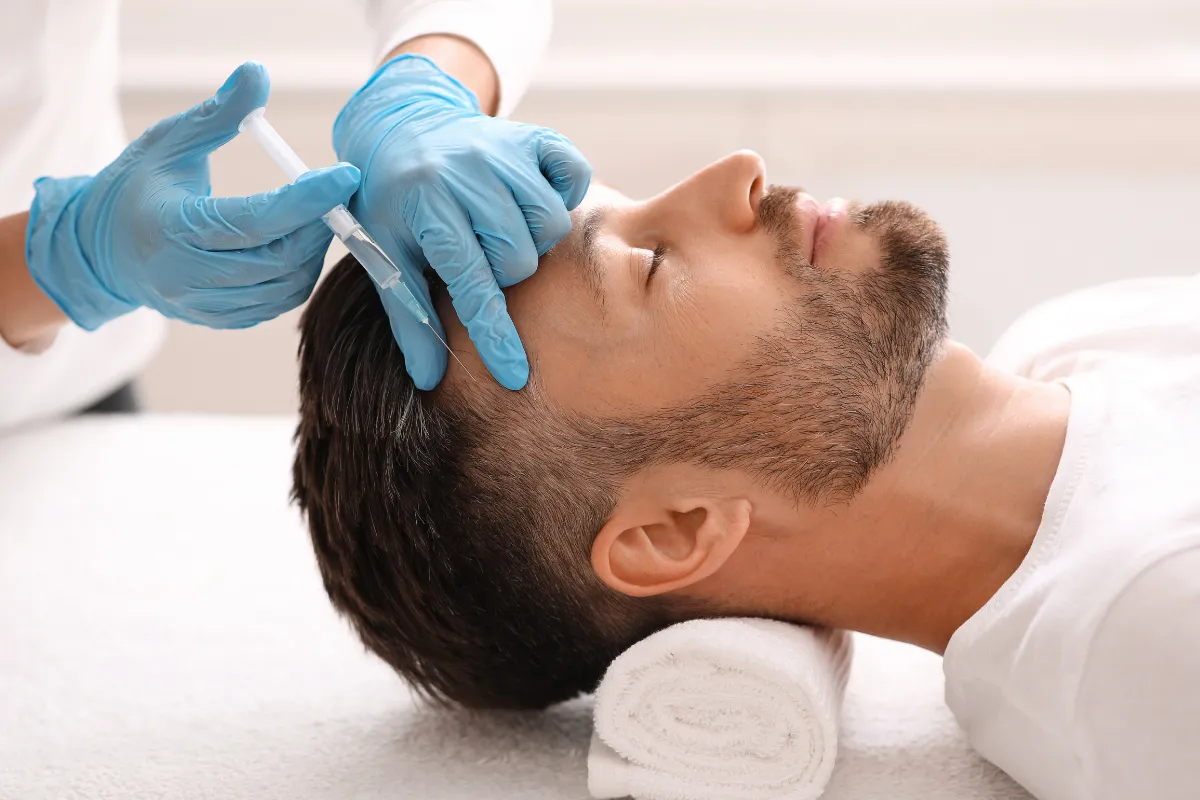
Common Short-Term Side Effects
Swelling
Swelling often appears on the forehead and around the eyes within the first few days. It typically improves over several days and settles within about a week for most patients. Sleeping with the head elevated, staying hydrated, and using cold compresses as advised can help.
Minor Bleeding And Oozing
A small amount of bleeding or oozing can occur during extraction and implantation. This is usually controlled during the procedure and improves quickly afterward. If bleeding continues or increases, contact your clinic so they can guide you.
Numbness Or Tingling
Temporary numbness or tingling in the donor or recipient area can happen when nerve endings are irritated during surgery. Sensation typically returns gradually over the following weeks. Persistent or worsening numbness should be discussed with your medical team.
Less Common Complications That Need Medical Attention
Infection
Infection is uncommon, but it can happen if bacteria enter healing sites or if aftercare hygiene is poor. Warning signs include increasing pain, warmth, spreading redness, pus-like discharge, or fever. Early treatment protects healing and graft survival, so report symptoms promptly.
Folliculitis (Inflamed Hair Follicles)
Folliculitis may look like small red bumps or pimples around transplanted hairs. It’s often mild and improves with appropriate scalp care, warm compresses, or prescribed topical treatment when needed. Avoid squeezing or picking at bumps, as this can irritate the area and slow healing.

Scarring And Uneven Hair Growth
Modern FUE techniques usually leave tiny, dot-like scars that are difficult to notice once healed. FUT (strip surgery) may leave a thin linear scar at the back of the scalp. Uneven or patchy growth can occur if some grafts don’t survive, and a touch-up session may be considered after healing.
How To Reduce The Risk Of Complications
Your results and safety depend heavily on the surgical team’s experience and the clinic’s protocols. A proper consultation should cover your medical history, medications, scalp condition, and realistic expectations. Follow pre-op and post-op instructions closely, including guidance on smoking, alcohol, exercise, and scalp washing.
During recovery, avoid scratching or picking at scabs, limit direct sun exposure, and keep the scalp clean as instructed. Attend follow-up appointments so your team can confirm that healing is progressing normally.
When To Contact Your Clinic
Contact your clinic right away if you notice any of the following:
- Bleeding that doesn’t stop with gentle pressure or rest
- Pain that gets worse instead of better after the first few days
- Increasing redness, warmth, pus-like discharge, or a bad odor
- Fever, chills, or feeling unwell
- Sudden swelling that spreads or affects vision
FAQs About Hair Transplant Complications
What are the benefits of combining PRP treatment with a hair transplant?
Benefits include faster healing, reduced shedding, improved graft growth, and thicker-looking hair.
Does PRP improve hair transplant success rates?
PRP may improve graft growth and healing; evidence remains mixed.
When should PRP be performed during the hair transplant process?
During graft placement and again 1–3 months afterward.
How many PRP sessions are needed after a hair transplant?
Commonly 3 sessions, spaced about 4–6 weeks apart.
Is PRP therapy necessary for everyone undergoing a hair transplant?
No, PRP is optional and not required for successful transplantation.



