

Matt Damon Hair Transplant
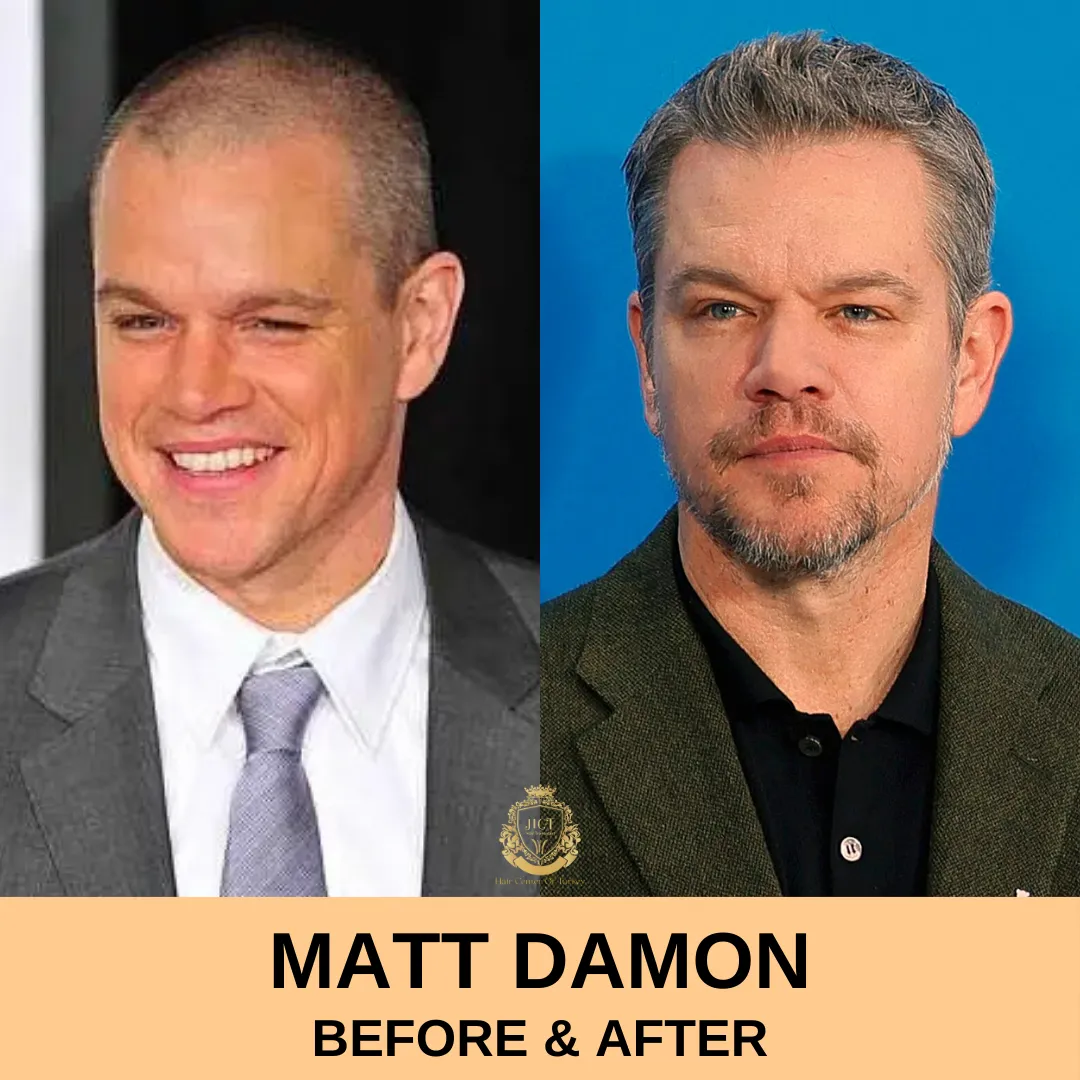
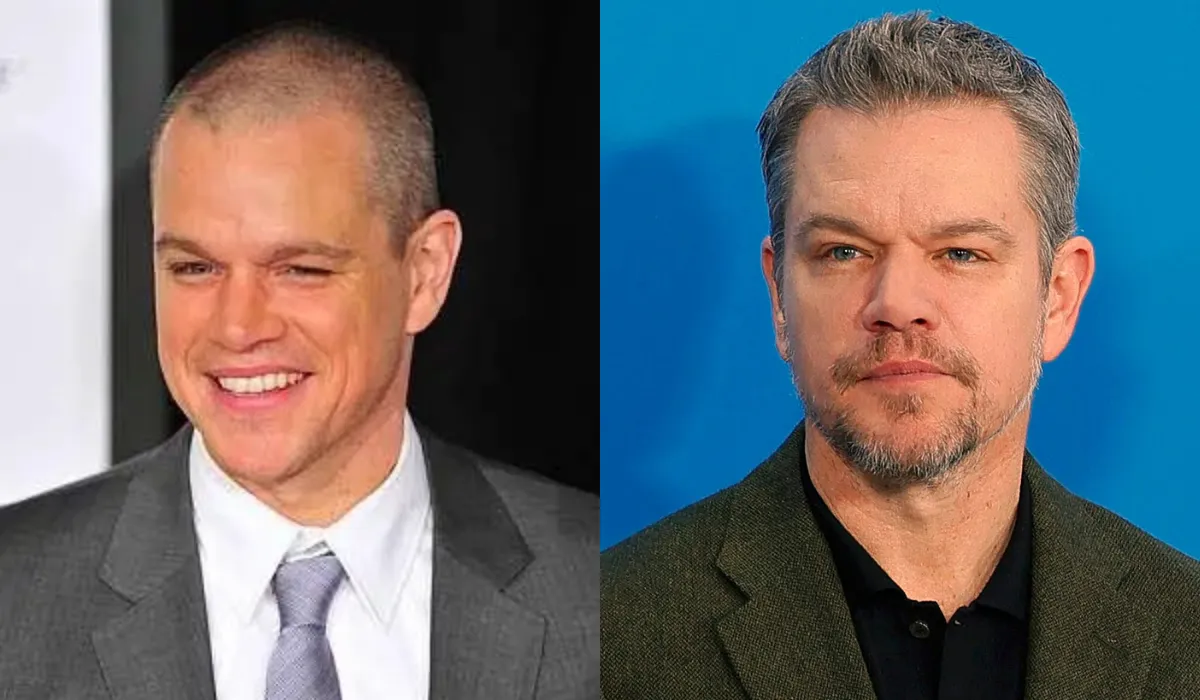
There’s no public confirmation that Matt Damon has had a hair transplant. Some side-by-side photos show a slightly fuller, cleaner hairline in recent years, but changes like this can also come from styling, lighting, hair fibers, or medical treatment. Only Damon and his clinicians would know for sure.
Table of Contents
Who Is Matt Damon?
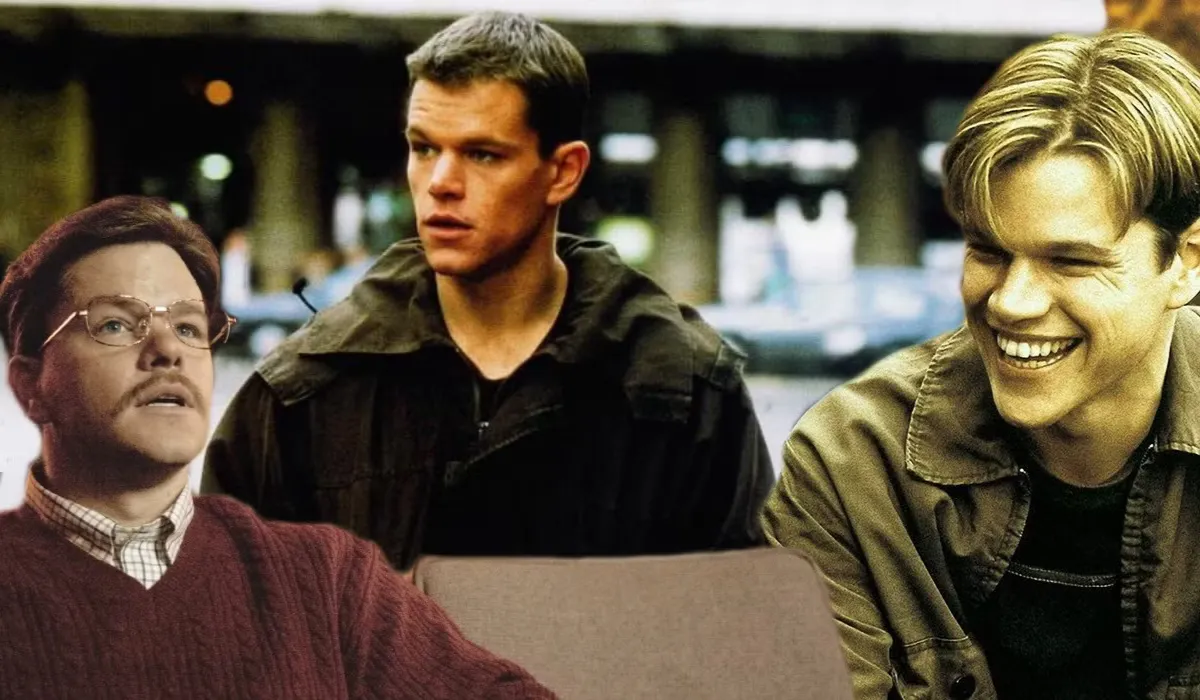
Matt Damon is an Academy Award–winning actor, writer, and producer known for a long run of box-office and critical successes. He rose to global fame in the late 1990s and has stayed consistently in the spotlight for decades, which is why any small change in appearance tends to attract attention.

Matt Damon’s Top Career Highlights
- Good Will Hunting (1997) : Damon co-wrote and starred in the film, earning major awards attention and establishing himself as a serious talent.
- The Bourne series (2002–2016) : The action-thriller franchise made him a global leading man and defined a modern spy style.
- The Martian (2015) : His performance as an astronaut showcased range beyond action roles and was widely praised.
Did Matt Damon Get A Hair Transplant?
There’s no verified statement from Matt Damon or his representatives confirming any hair transplant procedure. Online discussions typically rely on photo comparisons from red carpets, interviews, and film appearances.
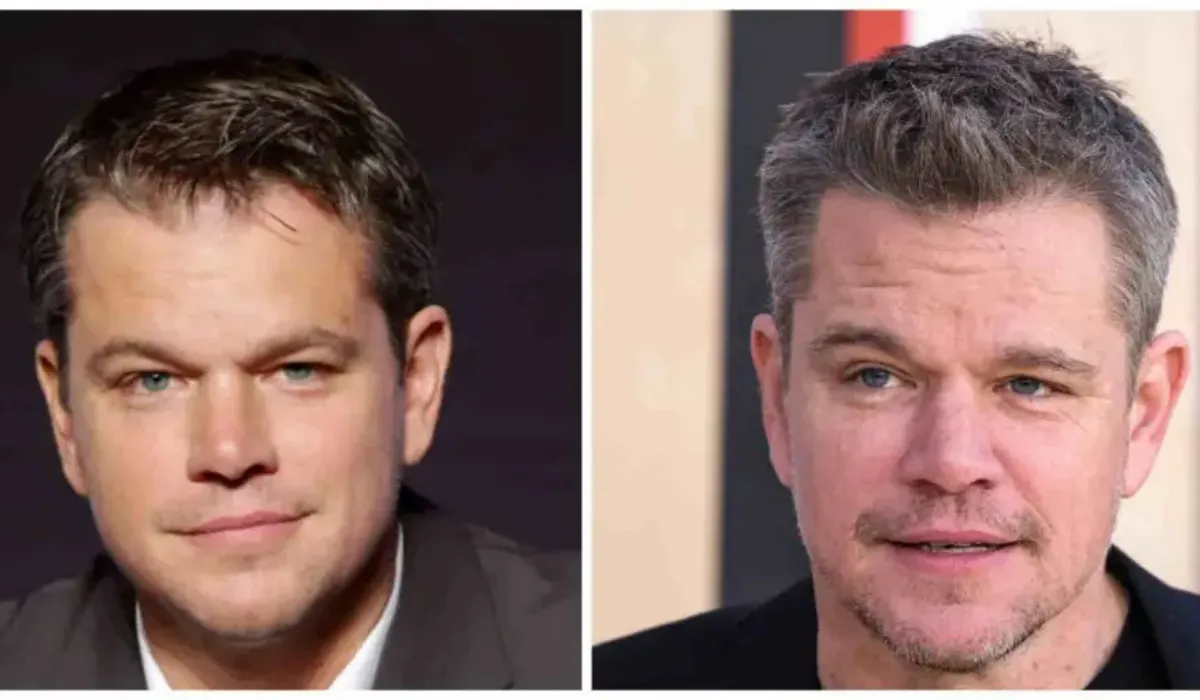
Hair can look very different depending on haircut, length, product, camera angle, and even the direction of lighting. Because of that, “before and after” claims based on images alone should be treated as speculation.
Why Might Someone Consider Hair Restoration?
People in highly visible roles often look for subtle ways to maintain a consistent image over time. For some, that can mean a change in hairstyle or grooming; for others, it may include medical options like topical treatments or a hair transplant.
A transplant isn’t about chasing perfection. The goal is usually to rebuild a natural-looking hairline and improve density in a way that still fits the person’s age and facial structure.
Matt Damon Hair Loss: What People Point To
Most commentary focuses on mild recession at the temples and slight thinning that appears in some periods of his career. That pattern is common and often progresses gradually with age.
At the same time, many appearances show strong coverage, which is why theories range from “natural fluctuation” to “styling tricks” to “possible restoration work.”

Matt Damon Before Hair Transplant: The Early Photos
In earlier images, observers often note a higher hairline and softer temple corners. If you’re comparing photos, look for consistent angles and similar hair length—otherwise it’s easy to overestimate the change.
Even when recession is present, it doesn’t necessarily indicate a need for surgery. Many people manage early-stage hair loss with conservative approaches.

Matt Damon After Hair Transplant: The Recent Look
More recent photos sometimes show a sharper, more defined hairline and the appearance of better density. If those changes were achieved through a procedure, the work would likely be designed to look understated rather than dramatic.
Just as plausibly, a tighter haircut, strategic styling, or hair-thickening products can create a similar effect—especially under studio lighting.
Which Hair Transplant Technique Could Be Involved?
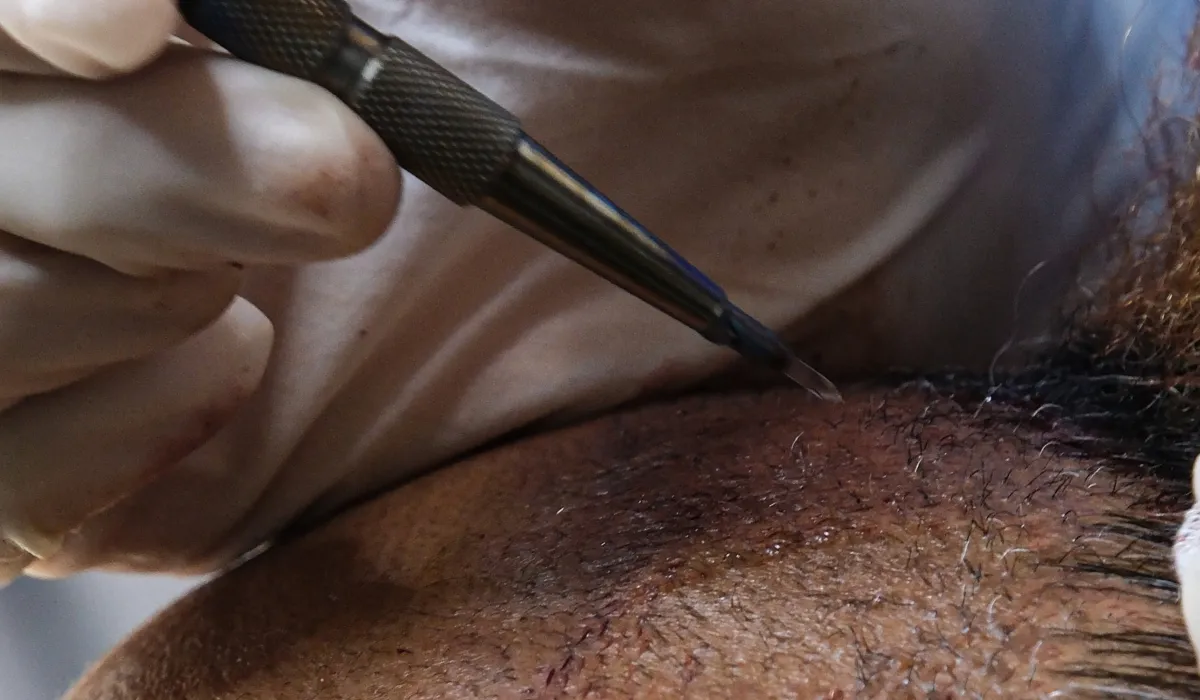
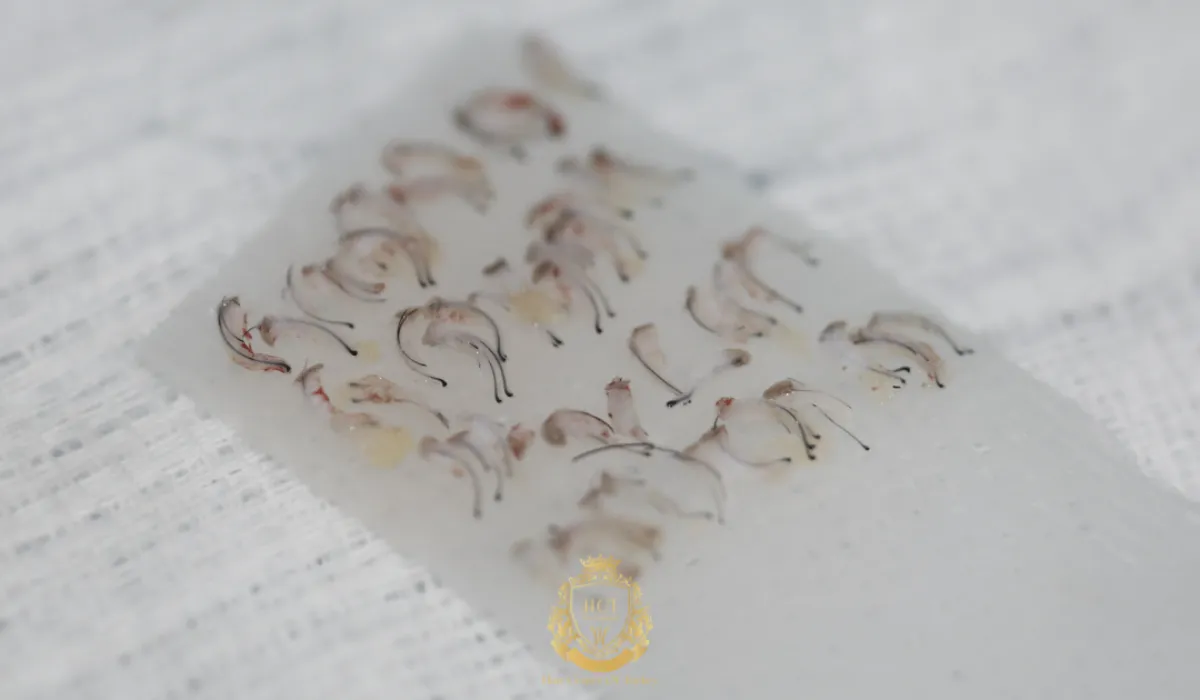
If a transplant were done, the most commonly discussed option for public figures is FUE (Follicular Unit Extraction). FUE removes individual follicular units from the donor area and places them into thinning zones, typically leaving tiny, hard-to-detect marks once healed.
Depending on the clinic and case, variations such as sapphire blades or DHI-style implantation may be used to support dense packing and controlled angles. The most suitable method depends on hair characteristics, donor capacity, and the hairline design you’re aiming for.
How Many Grafts Might Be Needed?
For a mild-to-moderate hairline recession, clinics often plan somewhere around 1,800–2,800 grafts. More advanced thinning can push that number higher, especially if mid-scalp density also needs support.
Graft planning isn’t only about quantity. Direction, angle, and distribution matter just as much for a natural result.
What Realistic Results Typically Look Like
Most patients see early shedding in the first weeks, followed by new growth starting around month three or four. Noticeable improvement often appears between months six and nine, with maturation continuing up to 12–18 months.
A strong result usually looks unremarkable in the best way: a hairline that doesn’t draw attention and density that matches the person’s age.
Considering A Hair Transplant In Turkey?
Turkey remains a popular destination for hair restoration because many clinics specialize in high-volume, modern techniques and packaged care. Quality still varies widely, so the clinic’s medical leadership, planning process, and aftercare standards matter more than marketing claims.
Hair Center of Turkey positions itself as a boutique clinic with a VIP-style patient experience. If you’re comparing options, ask for a clear graft plan, who performs each step, and what follow-up care is included.
F.A.Q. (Frequently Asked Questions)
How much did Matt Damon’s hair transplant cost?
Unverified; therefore, the cost is unknown (similar procedures in the US generally cost $3,000–$15,000+).
What happened to Matt Damon’s hair?
The changes seen in his hair are mostly due to age, cutting/styling, and role-related changes.
How many times has Matt Damon had hair transplants?
There is no publicly confirmed number of hair transplants.
Who are the most famous celebrities who have had hair transplants?
Wayne Rooney, Jimmy Carr, Ben Stokes, James Nesbitt, Cheyenne Jackson, Calum Best, Joe Swash, Elton John, Joel McHale.
How many grafts did Matt Damon have transplanted?
The number of grafts has not been disclosed.
Explore the complete guide: Celebrity Hair Transplants – Film, TV and Music