

Joey Lawrence Hair Transplant
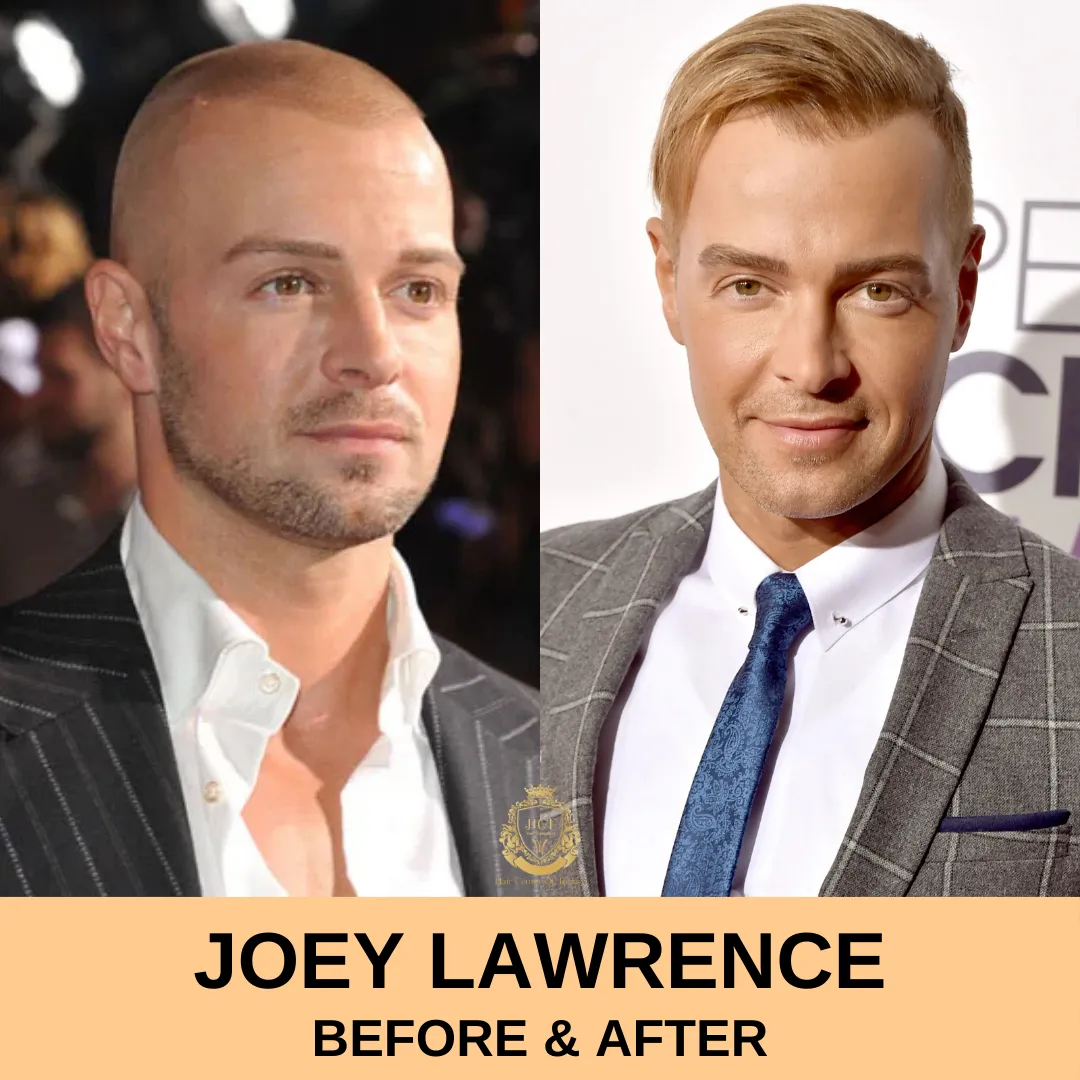
Joey Lawrence has never publicly confirmed having a hair transplant. Still, his noticeably fuller hairline in recent years has led to speculation about options such as FUE or DHI hair transplantation, scalp micropigmentation, or simply improved styling. If you’re exploring hair restoration, a personalized assessment matters far more than celebrity rumors.
Table of Contents
Who Is Joey Lawrence?
Joey Lawrence is an American actor, singer, and TV personality who became widely known in the 1990s. He built his reputation through sitcom roles and later expanded into music and reality TV. Because he has stayed in the public eye for decades, changes in his look—especially his hairline—tend to attract attention.
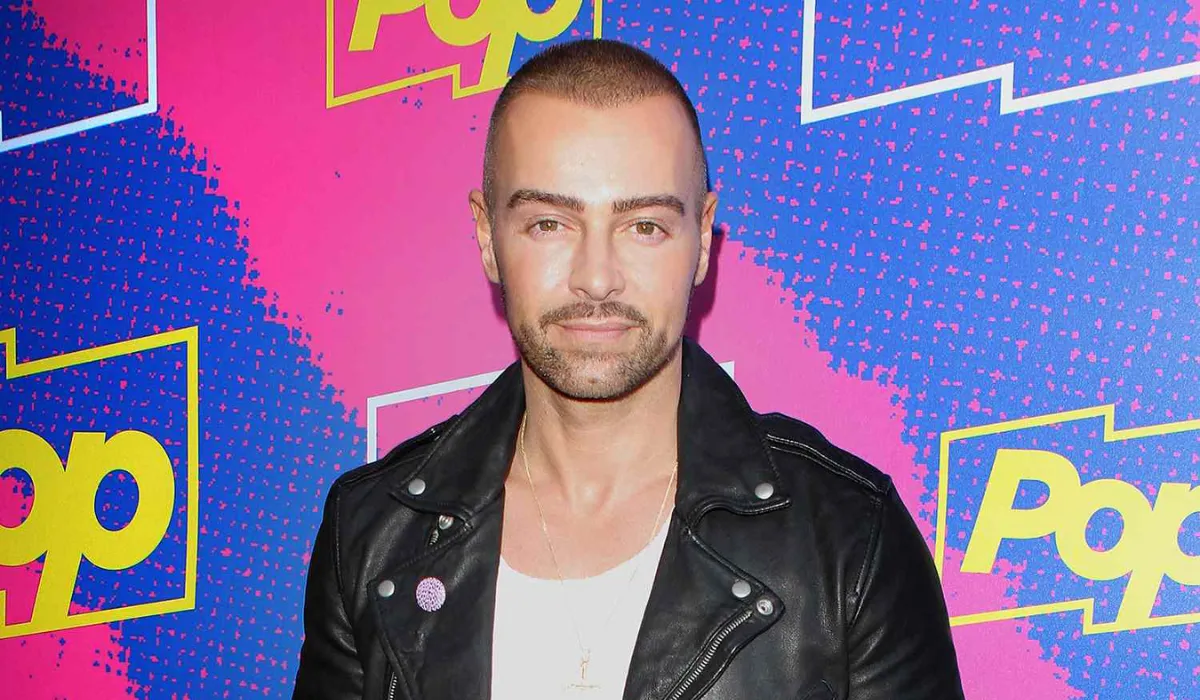
Joey Lawrence’s Top Career Highlights
- Breakout TV role: His performance as Joey Russo helped make him a recognizable face for a generation of viewers.
- Reality TV appearances: He has continued to appear on mainstream TV, keeping his public image current.
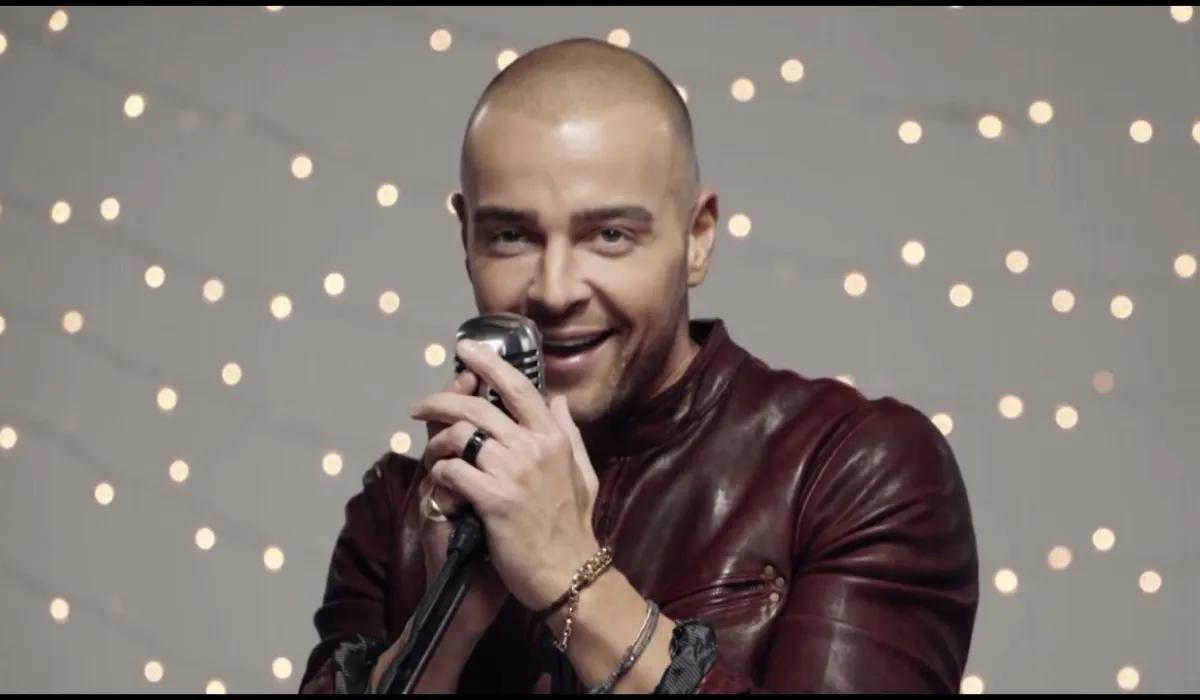
- Music and live performance: Alongside acting, he has released music and performed, showing range beyond scripted roles.
Did Joey Lawrence Get A Hair Transplant?
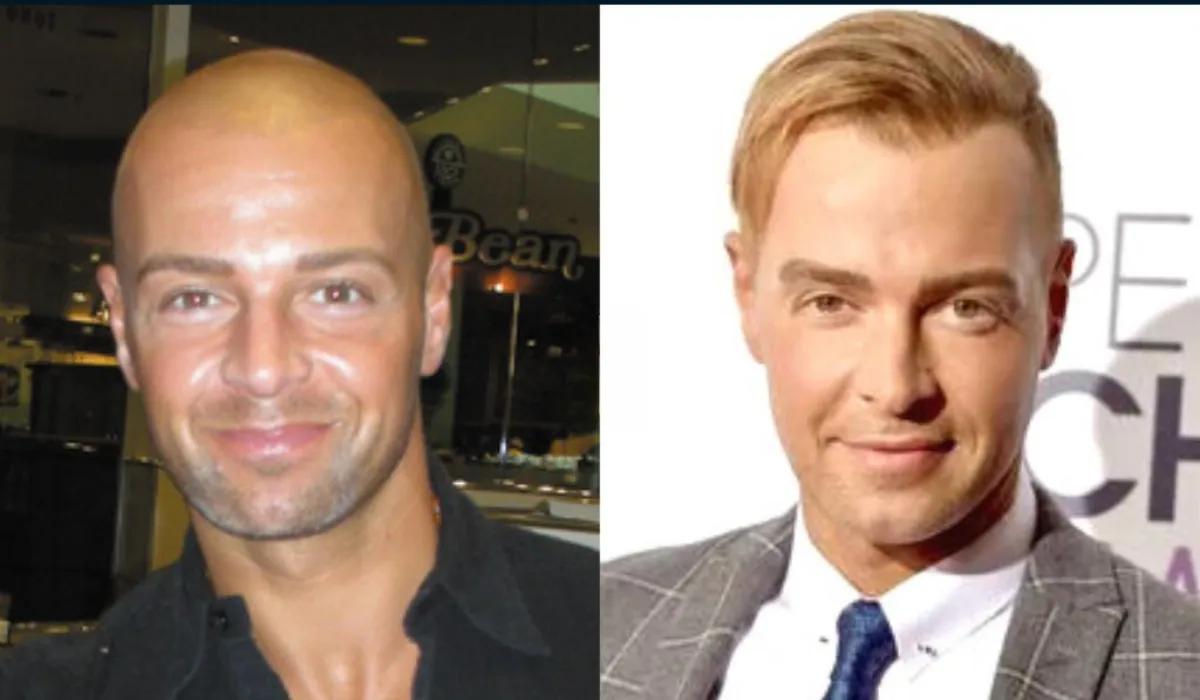
Online searches often frame Joey Lawrence’s hairline as “before and after,” but there is no official public confirmation from him. Because lighting, hair length, products, and styling can change the way density looks on camera, photos alone can be misleading. A fuller hairline can also come from non-surgical options, including scalp micropigmentation or temporary cosmetic fibers.
Why People Consider Hair Restoration
For many men, a receding hairline can affect confidence, especially in careers where appearance is constantly scrutinized. Hair restoration can be about looking more like yourself again, not chasing a different face. The right approach depends on your hair-loss pattern, donor area strength, and realistic density goals.
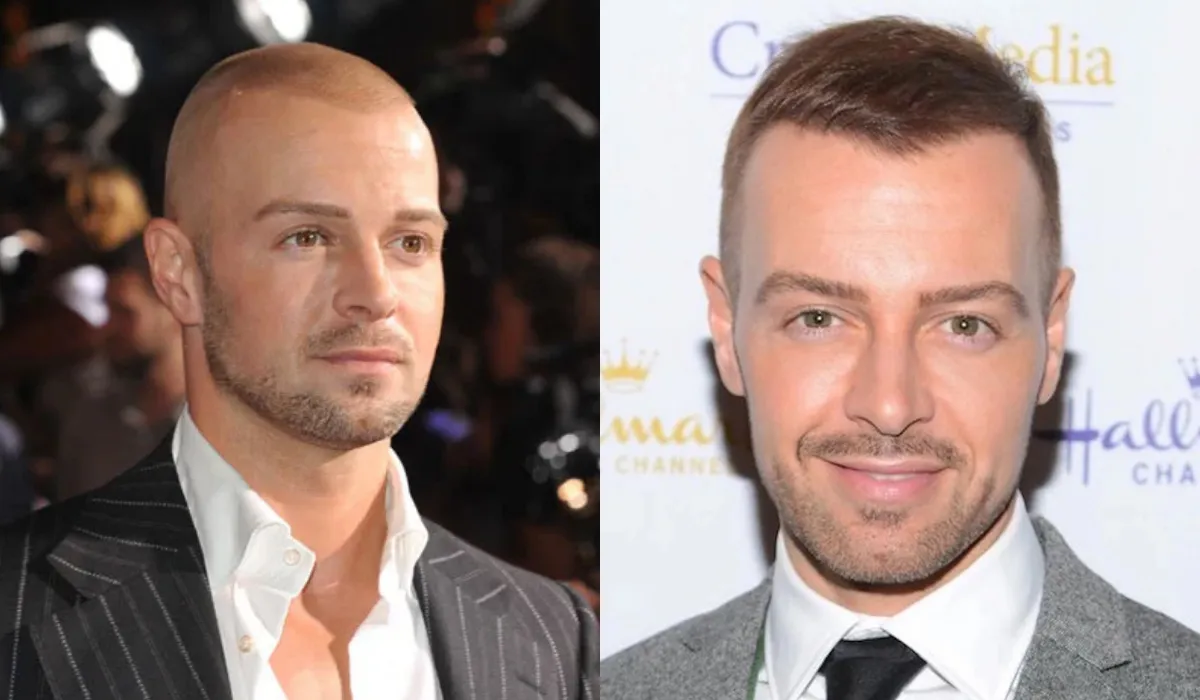
Joey Lawrence Hair Loss And The “Before/After” Rumors
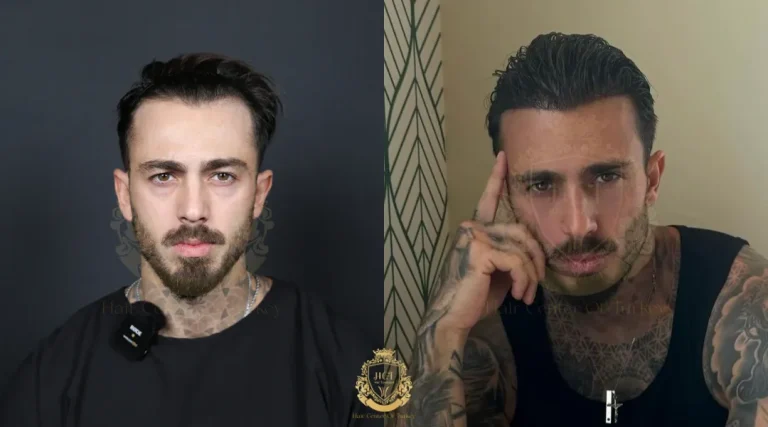
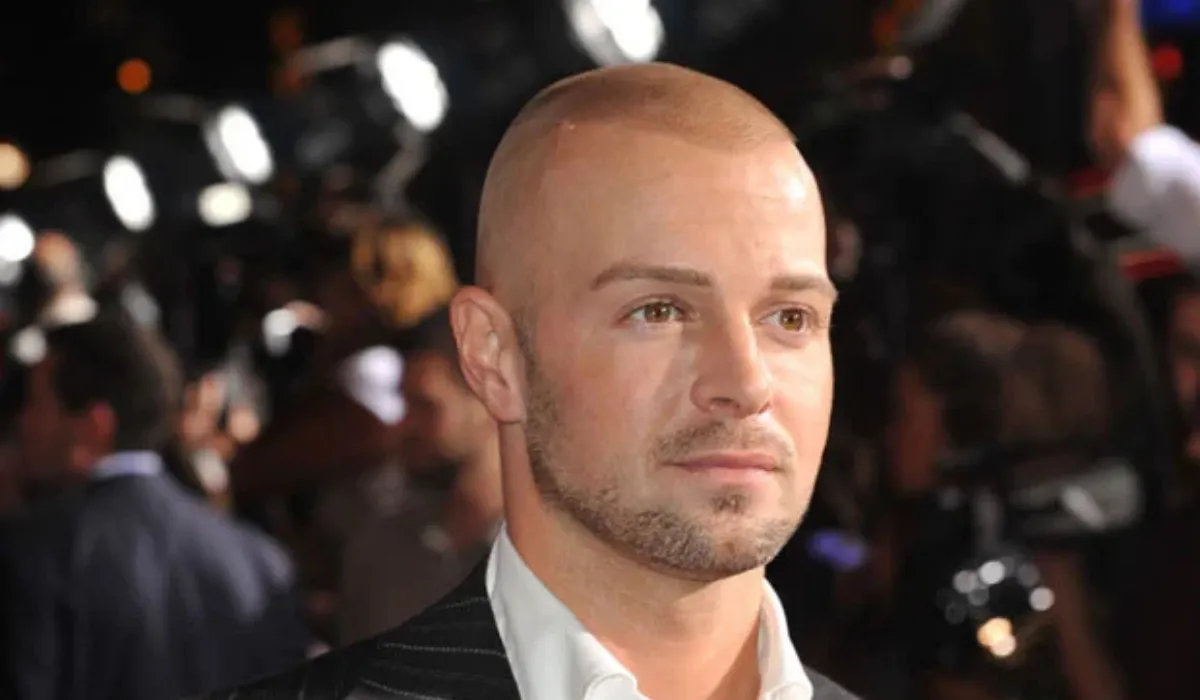
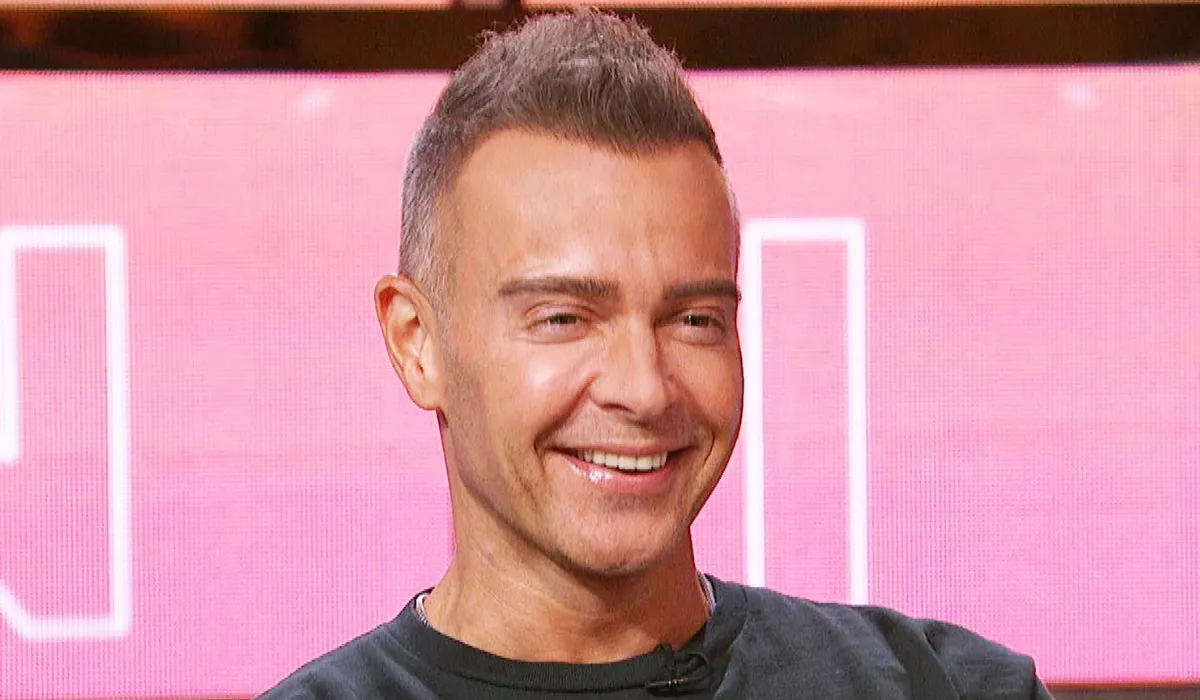
Earlier images of Joey Lawrence show mild recession around the temples, which is common with male-pattern hair loss. In more recent appearances, the frontal line looks denser and more defined, which is why people speculate about restoration. Only an in-person evaluation can tell whether a transplant, camouflage method, or styling is the most likely explanation.
Joey Lawrence Before Hair Transplant
In older photos, the temples look slightly higher and the front can appear less dense in certain angles. That look is often associated with early-stage androgenetic alopecia. It is also the stage where medical treatments and preventative strategies may help slow further loss.
Joey Lawrence After Hair Transplant
In newer photos and video appearances, the hairline can look stronger and more uniform from the front. When this kind of change happens, people typically point to either a well-planned hairline design, improved grooming, or a restoration procedure. If a transplant was done, a natural result usually means a softer, irregular hairline and good graft placement direction.
Hair Transplant Techniques Often Mentioned In Celebrity Discussions
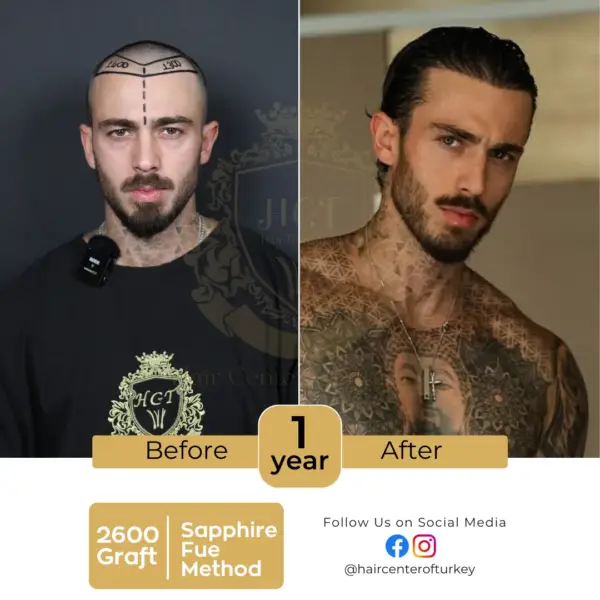
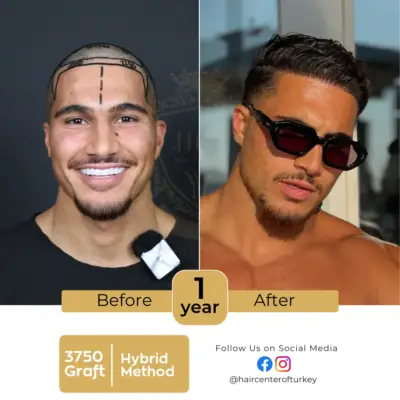
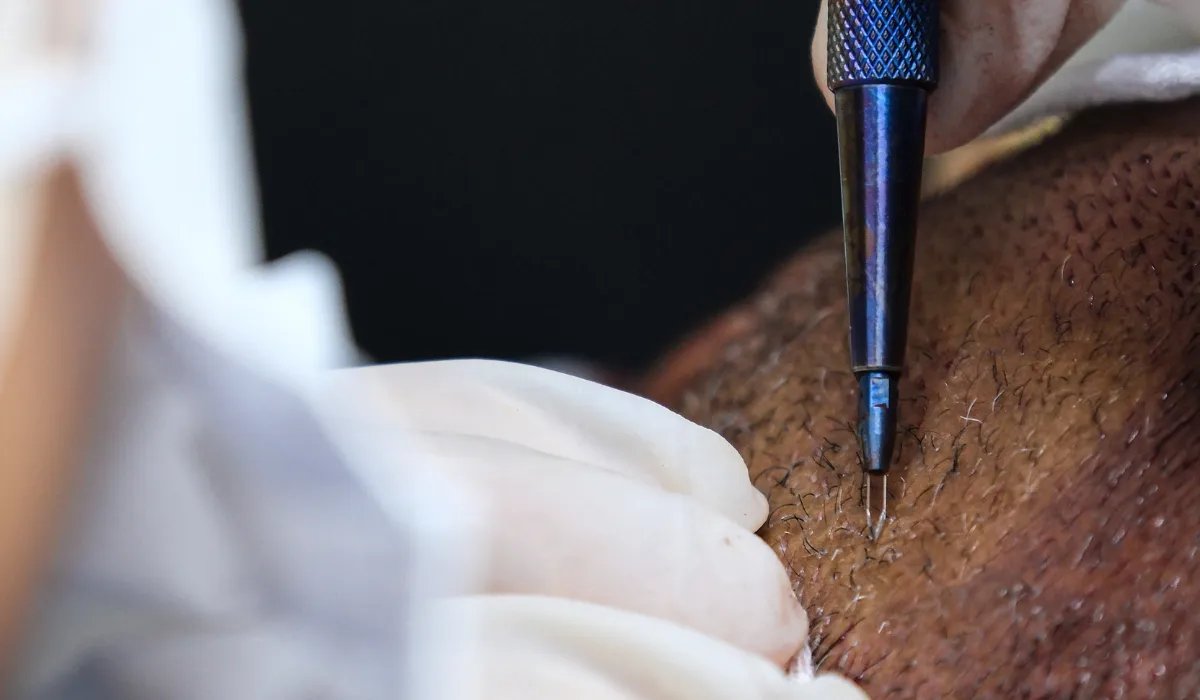
- FUE (Follicular Unit Extraction): Individual follicular units are harvested from the donor zone and implanted into thinning areas. Many patients choose it for minimal linear scarring and a relatively comfortable recovery.
- DHI (Direct Hair Implantation): Grafts are implanted directly using a specialized implanter tool, which can help with precise angle control in selected cases.
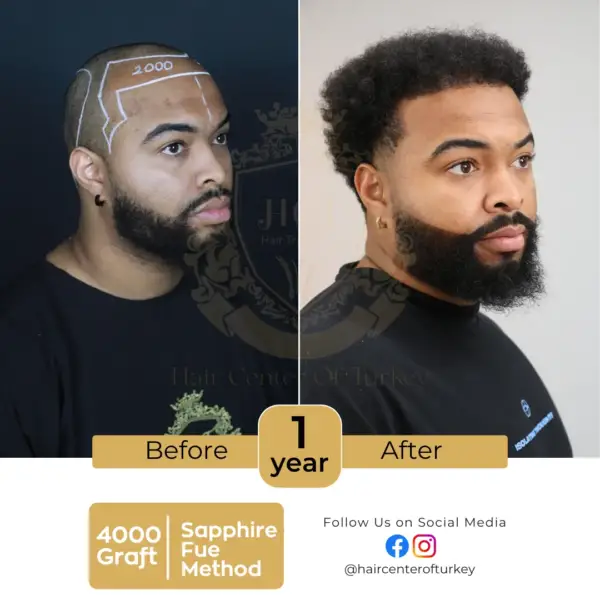
- Sapphire FUE: A variation of FUE that uses sapphire blades for channel creation, commonly used for refined incisions and dense packing strategies when appropriate.
How Many Grafts Are Typically Needed?
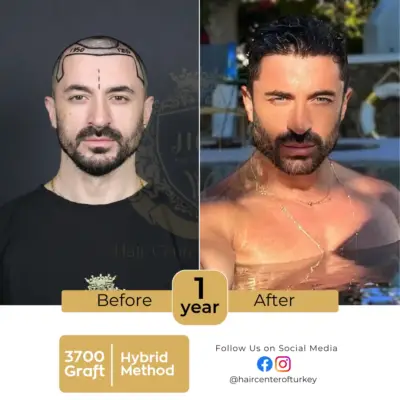
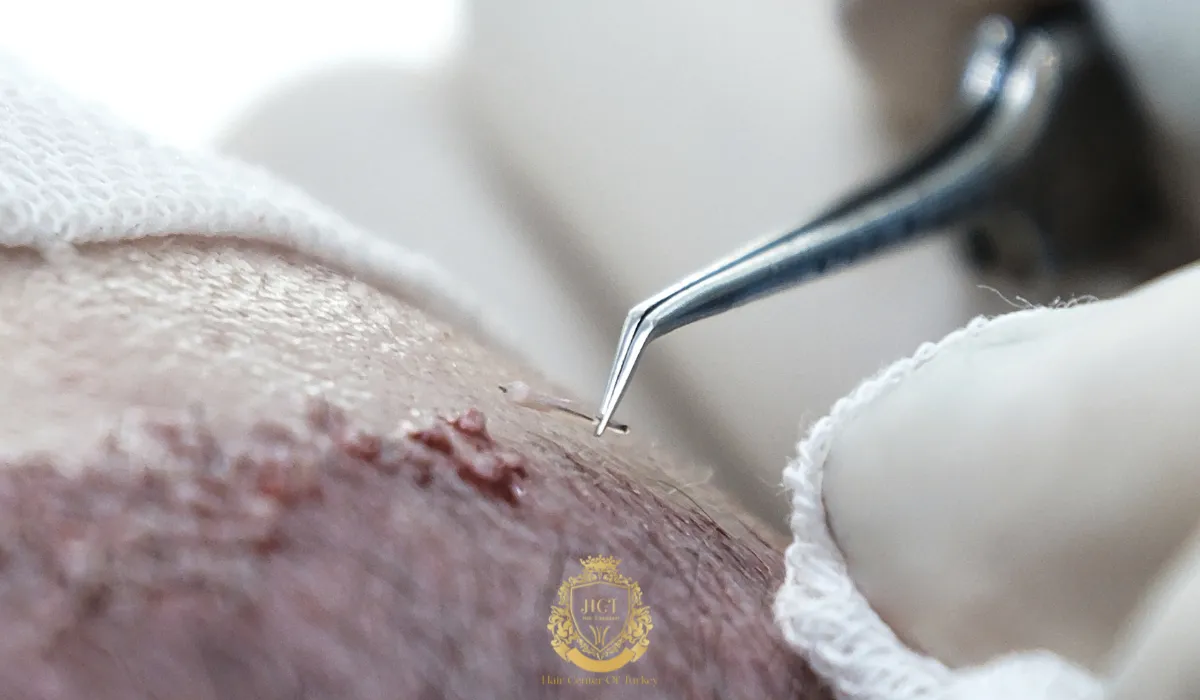
Graft counts vary by hair-loss stage, scalp characteristics, and the level of density you want to achieve. As a practical guide, mild recession may require under 1,500 grafts, while more advanced frontal and crown coverage can move into the 2,500–3,500+ range. A reputable clinic will map the recipient area, calculate safe donor limits, and set expectations for what one session can realistically deliver.
Recovery And Results Timeline
Most patients return to day-to-day routines within about a week, though swelling and redness can last longer for some people. Transplanted hairs often shed in the first weeks, which is a normal part of the cycle. Visible growth commonly starts around the third or fourth month, and final results are usually judged closer to the nine- to twelve-month mark.
Choosing A Clinic In Turkey
Turkey is a popular destination because experienced teams, modern techniques, and all-in-one patient support are widely available. The important part is not the location—it’s the clinical standards, physician oversight, and clear communication about what you’re getting. Ask who designs the hairline, who performs each step, what aftercare is included, and how follow-up is handled once you’re back home.
Hair Center Of Turkey: Boutique, VIP Care
Hair Center of Turkey positions itself as a boutique clinic with a VIP, personalized approach. Treatment plans are designed around the patient’s hair-loss pattern, donor capacity, and styling preferences rather than a one-size-fits-all template. If you want a consultation, your plan should include a clear graft estimate, technique recommendation, and an aftercare roadmap.
Frequently Asked Questions
How much did Joey Lawrence’s hair transplant cost?
It has not been disclosed; furthermore, Joey Lawrence has not confirmed that he had a hair transplant.
What happened to Joey Lawrence’s hair?
He struggled with hair loss affecting his hairline/density; he shared that he opted for scalp micropigmentation (SMP) instead of a hair transplant.
How many times has Joey Lawrence had hair transplants?
There are no publicly confirmed hair transplant counts (0 confirmed).
Who are the most famous celebrities who have had hair transplants?
Wayne Rooney, Ben Stokes, Jimmy Carr, James Nesbitt, Calum Best, Cheyenne Jackson, Joel McHale, Joe Swash, Elton John.
How many grafts did Joey Lawrence have transplanted?
It has not been disclosed; there are no verified graft counts as the hair transplant has not been confirmed.
Explore the complete guide: Celebrity Hair Transplants – Film, TV and Music