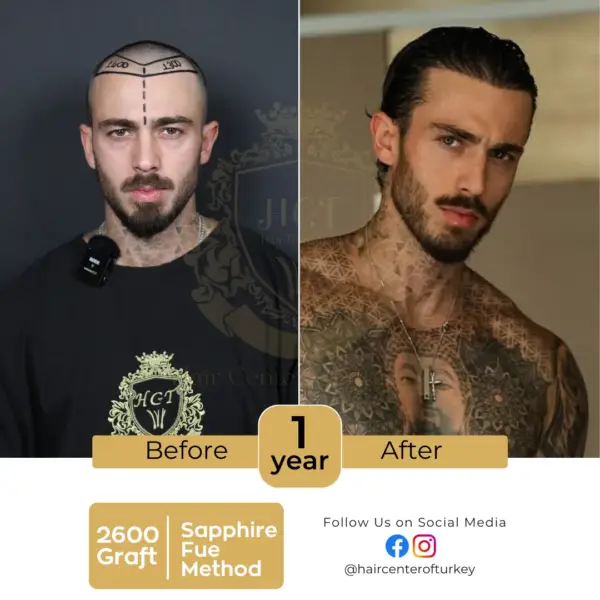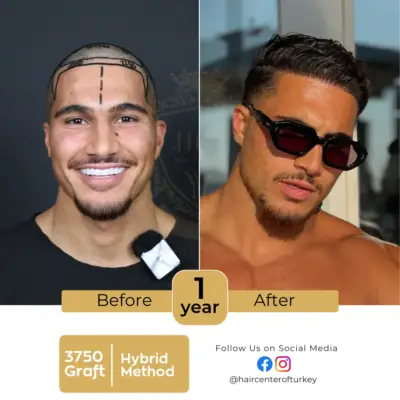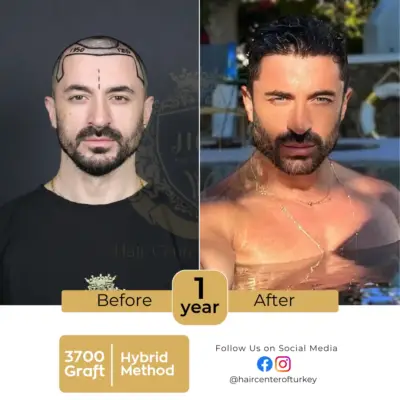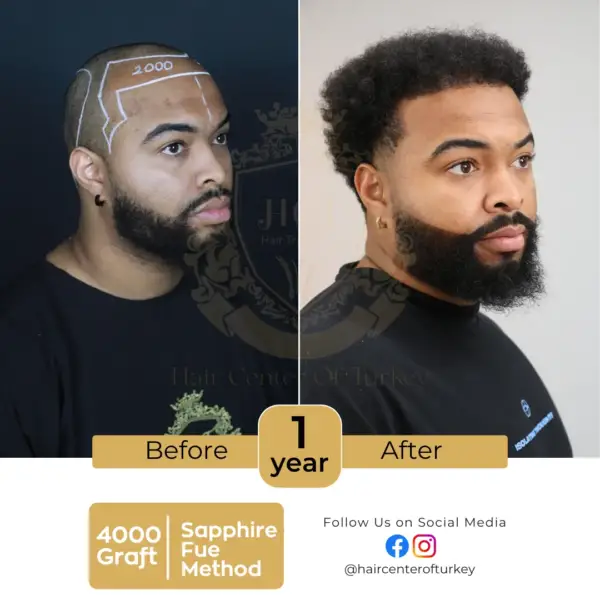







Is Mexico or Turkey Better for Hair Transplant?
Turkey often appeals to patients who want a high-volume hair restoration market with bundled logistics (hotel, transfers, interpreter, aftercare), while Mexico often appeals to patients who want a shorter flight and easier follow-up from North America. Both can deliver natural-looking results. The deciding factor is the clinic’s medical standards and who performs the critical surgical steps.
Mexico vs Turkey: quick comparison
| Factor | Turkey | Mexico |
| Travel | Longer flight for most North American patients | Shorter flights for many North American patients |
| Packages | Often offered (hotel, transfers, coordinator) | Packages vary by clinic |
| Pricing style | Frequently packaged pricing | Often priced by case complexity or graft count |
| Main risk to avoid | “High-volume” clinics where key steps are delegated | Variable standards between clinics and cities |
| Good fit for | Patients who want streamlined medical tourism logistics | Patients who prioritize proximity and in-person follow-up |
Table of Contents
What “better” really means in hair transplant results
A strong result comes from planning, surgical technique, and aftercare—not the country alone. Your outcome depends on hairline design, donor management (avoiding over-harvesting), graft handling, and the direction and angle of placement.
Professional bodies have warned consumers about illegal or unethical practices in which unlicensed technicians perform medical steps that should be done by a licensed physician. That risk can exist in any country, so your due diligence matters more than the destination.
Turkey for hair transplant
Turkey is widely known for hair transplant tourism, especially in Istanbul. Many clinics are set up to handle international patients with coordinators, interpreters, and all-in-one scheduling that reduces friction for travelers.
The upside is convenience and experience with international cases. The trade-off is that the market includes both boutique, physician-led teams and high-volume operations, so you need to confirm who is actually performing extraction, incision creation, and graft placement.
Why Turkey is popular with international patients
Turkey’s hair restoration ecosystem is built around medical travel support. It’s common to see airport pickup, hotel arrangements, and structured aftercare instructions packaged into the overall plan.
Turkey has also introduced updated health tourism regulations in recent years to standardize services for international patients. Rules don’t replace personal due diligence, so patients should still verify a clinic’s authorization and the medical team’s credentials before booking.

Mexico for hair transplant
Mexico is a common choice for patients coming from the United States and Canada because travel time can be much shorter. Being closer can make follow-up simpler, especially if you prefer an in-person check during the early healing period.
Mexico also has reputable surgeons and modern clinics, particularly in major medical hubs. As with any destination, quality varies between providers, so it’s worth treating “clinic shopping” like hiring a specialist—not buying a package holiday.
Cost comparison: Mexico vs Turkey (typical ranges)
Prices vary based on technique (FUE, DHI, Sapphire FUE), surgeon involvement, graft count, and what’s included (hotel, transfers, medications, PRP, follow-ups). Rather than relying on one “average,” use a realistic range and confirm exactly what is included in your quote.
- Turkey: commonly advertised around $1,500–$4,500 for many cases, with some premium or larger sessions quoted higher (often up to the high four figures).
- Mexico: commonly advertised around $2,000–$5,000 depending on graft needs, location, and inclusions.
A low price should never be the main selection criterion. If a quote feels unusually low, ask who performs each step of surgery and what medical standards are in place.
Techniques you’ll see in both countries
Most modern clinics offer FUE (Follicular Unit Extraction). Some offer DHI (Direct Hair Implantation) or variations such as Sapphire FUE, which may be positioned as premium options.
Technique matters, but it’s not the whole story. A well-planned FUE performed by an experienced, physician-led team can outperform a premium-labeled technique done in a rushed or poorly supervised setting.

Aftercare and follow-up: where many results are won or lost
The first two weeks are about protecting grafts and preventing infection. You’ll also want a clear plan for managing swelling, sleeping position, washing, and “shock loss” expectations.
If you choose a destination far from home, ask how follow-up works. Reputable clinics provide structured check-ins (often remote) and clear instructions on what requires urgent medical attention.
Safety checklist before you book (use this for Mexico or Turkey)
- Get the surgeon’s full name and verify credentials (training, memberships, board certification where applicable).
- Ask who performs extraction incisions and recipient-site incisions, and who places grafts.
- Request before/after cases for your hair type and pattern of loss (similar Norwood level).
- Confirm the clinic’s medical setting, sterilization protocols, and emergency plan.
- Get a written outline of what’s included: medications, washes, follow-up, and any “extras.”
- Avoid clinics that promise “guaranteed” results or pressure you to book immediately.
Who should choose Turkey?
Turkey can be a strong choice if you want a structured medical-travel experience and you’re comfortable doing most follow-up remotely. It can also suit patients who prefer clinics that handle logistics end-to-end.
If you choose Turkey, prioritize boutique, physician-led clinics that limit daily case volume and offer patient-specific planning. That’s the difference between a smooth experience and a stressful one.
Who should choose Mexico?
Mexico can be a strong choice if you want shorter travel time from North America and the option of easier in-person follow-up. It can also be a good fit if you already have a trusted surgeon recommendation in a specific city.
The key is to evaluate the clinic’s standards and surgeon involvement the same way you would at home. Don’t assume proximity automatically equals quality.
FAQ
Does Mexico do good hair transplants?
Yes, some accredited Mexican clinics deliver high-quality hair transplants by experienced surgeons.
Is it safe to go to Mexico for a hair transplant?
Safety is high when you choose board-certified surgeons and accredited hospitals and plan aftercare.
Is Turkey better for hair transplants?
Turkey offers wider choice and lower prices, but quality varies; top clinics excel.
Is hair transplant cheaper in Turkey or Mexico?
Turkey is typically cheaper than Mexico for comparable graft counts and packages.
Which hair transplant is the most safest?
The safest transplant is performed by a board-certified surgeon in an accredited, sterile facility.