

Iron Supplements For Hair Loss
Iron supplements can help hair loss only when low iron is part of the problem. Iron deficiency may push more hairs into the shedding phase and cause diffuse thinning. The safest approach is to confirm deficiency with blood tests, correct the underlying cause, and take the right dose for long enough to restore iron stores.
Table of Contents
The Role Of Iron In Hair Growth
Iron supports oxygen delivery and energy production in the body. Hair follicles are metabolically active, so they can be sensitive to low iron stores. When iron is low, some people notice increased shedding, weaker strands, and slower regrowth.
How Iron Deficiency Can Contribute To Hair Loss
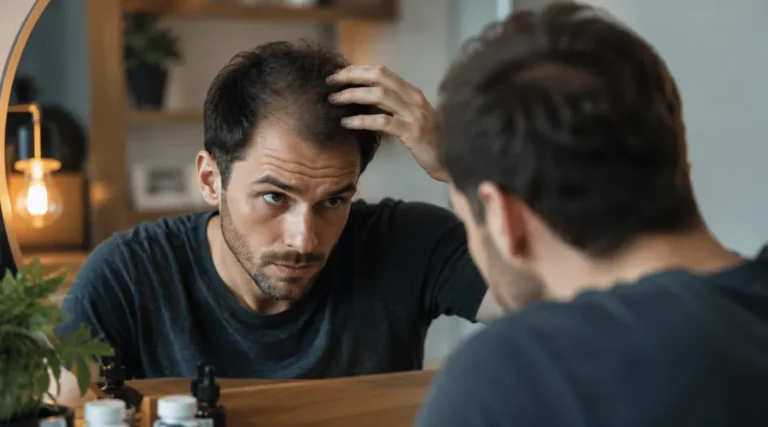
Iron deficiency can reduce the oxygen available to tissues and may disrupt normal hair cycling. A common pattern is telogen effluvium, where shedding increases across the scalp rather than forming bald patches. Hair loss is rarely caused by iron alone, so it’s important to check for other contributors such as thyroid disease, recent stress, rapid weight loss, or androgenetic alopecia.

Signs That Iron Might Be A Factor
Hair-related signs often include increased shedding during washing or brushing and a noticeable drop in overall volume. You may also see brittle hair that breaks more easily. Other symptoms that can point to low iron include fatigue, shortness of breath on exertion, dizziness, pale skin, or restless legs.
Who Should Consider Testing Before Taking Supplements
Testing is a good first step because taking iron when you don’t need it can cause side effects and, in some cases, harm. People who are more likely to be low in iron include those with heavy menstrual bleeding, pregnancy or recent postpartum changes, restrictive diets, and endurance athletes. Low iron can also occur with conditions that reduce absorption, such as coeliac disease or inflammatory bowel disease.
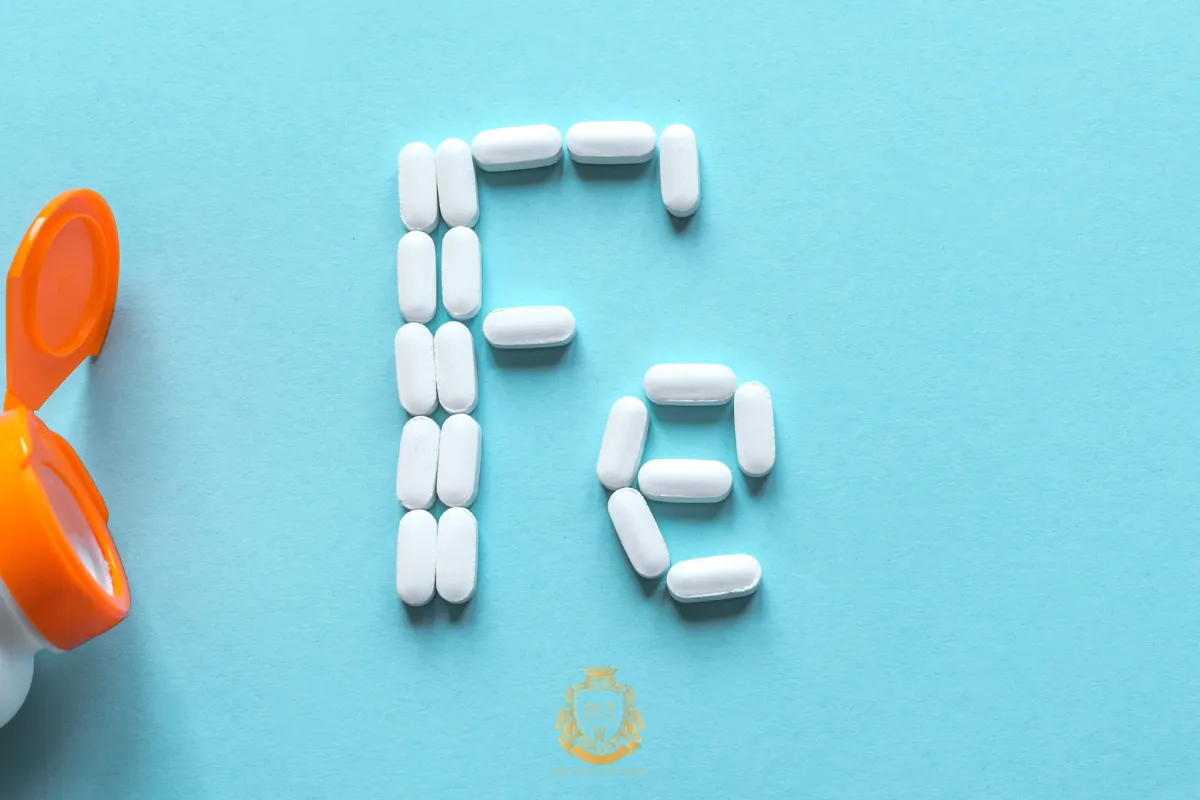
Which Blood Tests Are Most Useful
A clinician may check a complete blood count (CBC) to look for anaemia and a ferritin level to assess iron stores. Depending on your history, they may also order serum iron, transferrin saturation, and total iron-binding capacity (TIBC). Because hair loss often has multiple causes, thyroid testing and vitamin D or B12 levels may be discussed as well.
When Iron Supplements Can Help Hair Regrowth
Iron supplementation is most helpful when testing confirms iron deficiency or iron-deficiency anaemia. In that situation, replacing iron can reduce shedding and support regrowth over time. If your iron levels are normal, supplements are unlikely to improve hair density and may create unnecessary risks.
Types Of Iron Supplements
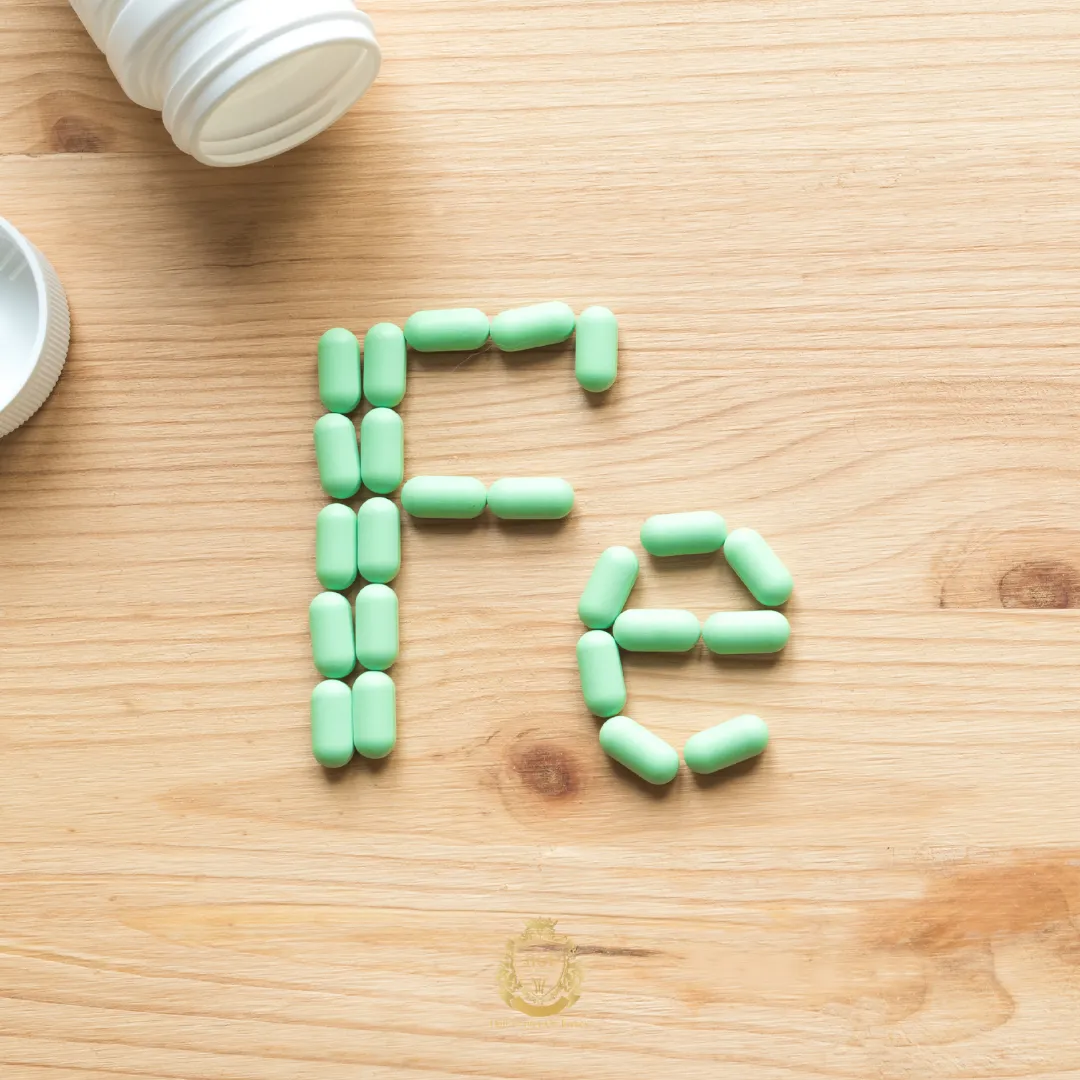
Several forms of iron are available, and tolerance can vary from person to person. Ferrous sulfate is commonly used and often cost-effective. Ferrous gluconate and ferrous fumarate are alternatives that some people find easier on the stomach.
How To Take Iron For Better Absorption
Iron is often absorbed best when taken away from food, though this can increase nausea for some people. Vitamin C can support absorption, so pairing iron with a vitamin C-rich drink or food may help. Calcium supplements, tea, coffee, and dairy products can reduce absorption, so spacing them a few hours away from iron is a practical habit.
Side Effects, Interactions, And Safety Notes
Constipation, stomach upset, and nausea are common side effects of oral iron. Iron can also interact with certain medications, including some thyroid medicines and antibiotics, so timing may need adjustment. Do not start high-dose iron without medical advice, especially if you have a history of iron overload, liver disease, or a family history of haemochromatosis.
Food Sources Of Iron That Support Hair Health
Diet can be a useful foundation alongside treatment. Heme iron from animal sources is generally absorbed more efficiently than non-heme iron from plants. Good options include red meat, poultry, fish, lentils, beans, leafy greens, nuts, seeds, and fortified cereals.
How Long Does It Take To See Improvement?
Hair responds slowly because follicles need time to re-enter the growth phase. If iron deficiency is the driver, shedding may begin to settle after iron levels start improving, but visible regrowth often takes 3–6 months or longer. Your clinician may recheck labs to confirm that iron stores are being restored and to guide how long supplementation should continue.
When To See A Doctor Or Hair Specialist
Get medical advice if hair loss is sudden, severe, patchy, or accompanied by scalp pain, scaling, or redness. You should also book an assessment if shedding lasts longer than three months or if you have symptoms of anaemia. A proper work-up can prevent missed diagnoses and helps tailor treatment to the real cause.
FAQs
Which iron tablet is best in pregnancy?
Ferrous sulfate is usually first-line in pregnancy; choose the elemental-iron dose your clinician recommends.
What are the signs of iron deficiency?
Fatigue, pale skin, breathlessness, palpitations, dizziness, brittle/spoon nails, sore tongue, pica.
How can I raise my iron level quickly?
Take prescribed iron regularly with vitamin C; severe anemia may need intravenous iron.
What do iron deficiency eyes look like?
Pale inner eyelids (conjunctiva) are common; sometimes sclera appear bluish in severe cases.
What are the mental symptoms of low iron?
Brain fog, poor concentration, irritability, low mood, and sometimes restless legs or sleep disruption.
Explore the complete guide: Hair Care and Products