


You won’t grow a full new hairline in 3 weeks — follicles don’t work that fast. What you can realistically get in that window is less shedding, a calmer scalp, and hair that looks fuller: stick to gentle scalp care, cut back on heat and tight styling, eat enough protein, and manage sleep and stress. Recheck progress at 8–12 weeks.
At Hair Center of Turkey, a hair transplant clinic founded in 2014 with more than 3,000 hair restoration operations performed each year by a team of 3 specialist doctors, we get this question often. You’re unlikely to grow dramatically more hair in three weeks because follicles work on slow cycles. What you can achieve in 21 days is often meaningful: less shedding from scalp irritation, healthier roots, better shine, and improved length retention from reduced breakage. Focus on scalp hygiene, gentle handling, nutrition, and stress control—then reassess at 8–12 weeks.
You’re unlikely to grow dramatically more hair in three weeks because follicles work on slow cycles. What you can achieve in 21 days is often meaningful: less shedding from scalp irritation, healthier roots, better shine, and improved length retention from reduced breakage. Focus on scalp hygiene, gentle handling, nutrition, and stress control—then reassess at 8–12 weeks.
Table of Contents
Can You Really Regrow Hair Naturally In 3 Weeks?
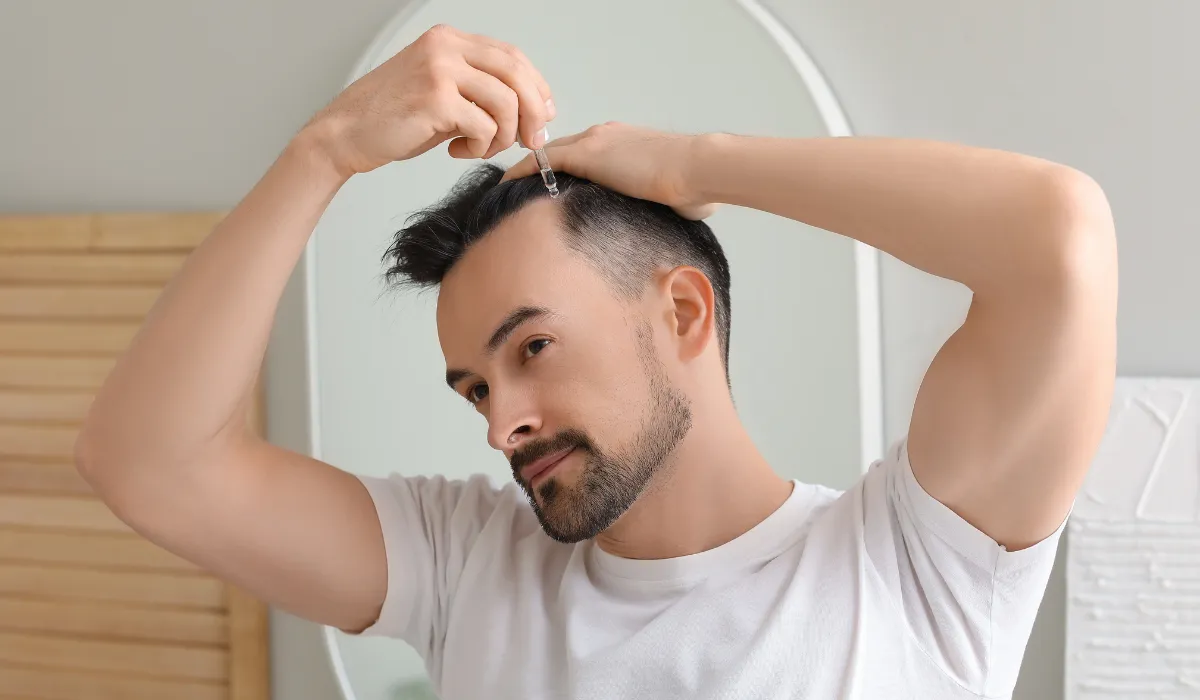
If “regrow” means visibly reversing thinning or bald areas, three weeks is usually too short. Hair growth is gradual, and many shedding problems improve only after the trigger is removed and follicles re-enter a growth phase.
If “regrow” means your hair looks and feels fuller, that’s more achievable. Calming an inflamed scalp, stopping breakage, and fixing basics like sleep and protein intake can make hair appear denser even before true new growth becomes obvious.
A Simple 3-Week Natural Routine
This plan is designed to be safe for most people. If you have an active scalp condition (pain, oozing, thick scaling, or patchy bald spots), skip DIY experiments and get checked first.
Week 1: Reset The Scalp And Stop Damage
- Wash gently and consistently. If you have flakes or itch, consider a medicated anti-dandruff shampoo a few times per week, and let it sit on the scalp briefly before rinsing.
- Avoid harsh habits: tight ponytails/braids, heavy gels on the scalp, and daily high-heat styling.
- Switch to a mild, fragrance-light shampoo if you suspect irritation from products.
- Use a soft towel and avoid rough rubbing. Pat hair dry instead.
Week 2: Support The Follicles With Scalp Care
- Add a 5–10 minute fingertip scalp massage most days if it feels good. Skip it if it increases itch or tenderness.
- If you use oils, dilute essential oils properly and do a patch test first. Undiluted essential oils can irritate the scalp.
- Keep styling minimal: wide-tooth comb, low tension, and protective styles that don’t pull.
Week 3: Lock In The Basics (The Part Most People Skip)
- Prioritize protein at meals. Hair is made largely of protein, and low intake can worsen shedding over time.
- Aim for steady sleep and regular movement. Both help regulate stress and inflammation.
- If you suspect low iron, low vitamin D, or thyroid issues, consider medical testing instead of guessing with supplements.
- Keep taking photos once a week in the same light and angle so you can track small changes.
Popular Home Remedies: What Helps And What To Watch
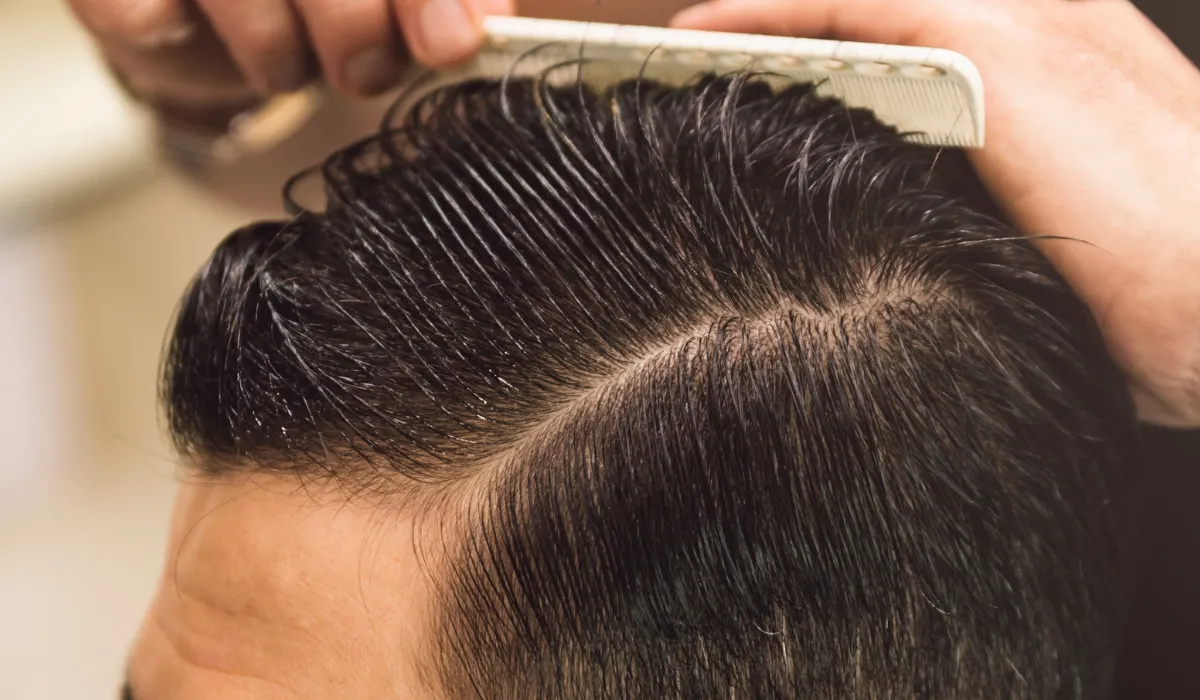
Scalp Massage With Oils
Massage can be relaxing and may improve how your scalp feels, which helps you stay consistent. Oils can reduce friction and improve shine, but they don’t create new follicles.
If you use rosemary or peppermint oil, keep concentrations low and always dilute in a carrier oil. Stop if you develop burning, redness, or flaking.
Onion Juice
Onion juice gets attention online, but it can irritate the scalp and trigger contact dermatitis. If you try it, patch test first, use it sparingly, and discontinue immediately if you get a rash.
Aloe Vera And Castor Oil
Aloe vera can feel soothing, and castor oil can help with slip and shine. These are better viewed as conditioning tools for the hair shaft rather than true growth treatments.
Rice Water
Rice water may make hair feel smoother and reduce breakage for some people, which can help with length retention. It hasn’t been proven to make hair grow faster at the follicle level.
Diet And Supplements
Supplements help most when there’s a real deficiency or a clear dietary gap. More is not better, and some nutrients can cause problems at high doses.
If you’re considering iron, zinc, vitamin D, or biotin, it’s safer to base the decision on symptoms, diet, and—when appropriate—bloodwork guided by a clinician.
Habits That Can Block Progress

- Frequent heat styling without protection
- Tight hairstyles that pull at the hairline (traction)
- Aggressive brushing or teasing
- Over-washing or harsh shampoos that dry the scalp
- Picking at flakes or scabs (can inflame follicles)
When To See A Dermatologist Instead Of DIY
Get professional advice if you notice any of the signs below. These can point to conditions that need prescription treatment.
- Patchy hair loss, especially with smooth bald spots
- Painful scalp, pus, crusting, or a foul smell
- Thick scale, bleeding, or severe itch that doesn’t improve in 2–3 weeks
- A rapidly widening part line or sudden heavy shedding
- Hair loss with new fatigue, weight change, or menstrual changes
FAQ
Can I regrow my lost hair naturally?
Sometimes; if loss is non-scarring and cause is corrected, hair can regrow.
Can omeprazole cause hair loss?
Rarely; omeprazole has been linked to reversible hair loss in some people.
Will my hair grow back in 3 weeks?
Unlikely; three weeks is too short for noticeable regrowth for most hair loss.
What stimulates hair growth?
Proven stimulants include minoxidil; treating deficiencies, inflammation, and hormonal causes supports growth.
What medications can trigger hair loss?
Common triggers: chemotherapy, retinoids, anticoagulants, beta-blockers, antidepressants, anticonvulsants, thyroid medications.
Explore the complete guide: Hair Loss Treatments