

How to Prevent Hair Loss at a Young Age
Early hair loss can feel more unsettling than people expect. It changes how you see yourself, and it often starts before you are ready to deal with medical choices, product claims, or the idea of a procedure. The good news is that early action can make a real difference, but only if the cause is identified properly and the treatment plan matches the pattern of loss.
Table of Contents
Why Hair Loss Can Start So Early
Hair loss is not only an age-related issue. Pattern hair loss can begin soon after puberty, and some men notice the first signs before 21. In both men and women, genetics and hormone sensitivity can push follicles into a shorter growth cycle, which gradually makes the hair finer, shorter, and less dense.
That is why “I’m too young for this” is often the wrong starting point. A better question is whether you are seeing temporary shedding, early androgenetic alopecia, or a different trigger entirely. The answer shapes everything that comes next.

The First Signs People Miss
Early hair loss is rarely dramatic at first. It usually shows up as small pattern changes:
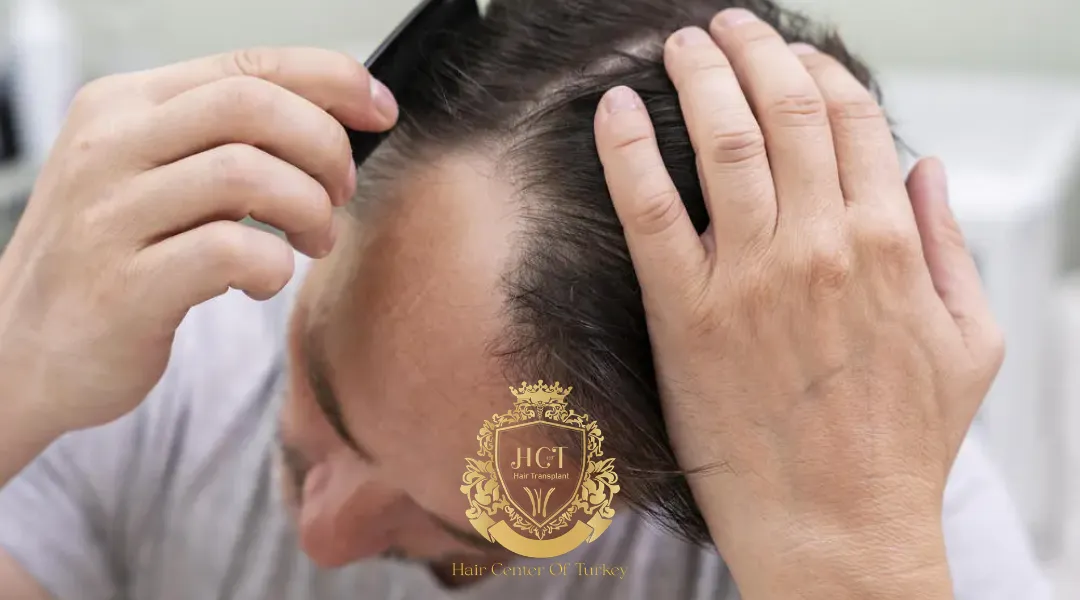
- a receding hairline that seems slightly higher than before
- thinning around the crown or top of the scalp
- a widening part or reduced ponytail fullness in women
- more visible scalp under bright light or after washing
People often spend months treating the symptom while ignoring the pattern. That delay matters, because some treatments work better while follicles are still active rather than after they have miniaturized for too long.
What Is Usually Behind Early Thinning
The most common reason is hereditary pattern hair loss, but it is not the only one. Dermatology guidance also points to temporary shedding linked to stress, illness, nutritional deficiencies such as iron deficiency, endocrine issues like thyroid problems, and inflammatory or autoimmune causes such as alopecia areata. Tight hairstyles and extensions can also lead to traction alopecia, especially if the pulling is repeated over time.
This is exactly why self-diagnosis is risky. A person with pattern hair loss, telogen effluvium, or a hormone-related issue may all describe the same complaint: “My hair is getting thinner.” The treatment should not be the same just because the sentence is.
Habits That Protect Your Hair
Prevention is not about a miracle shampoo. It is mostly about reducing avoidable damage and catching problems early.
- do not keep hairstyles so tight that the scalp feels tension or pain
- stop chasing random supplements unless a deficiency is actually confirmed
- treat major shedding after illness, stress, or sudden weight loss as a medical clue, not just a cosmetic issue
- get assessed early if you notice a consistent pattern at the temples, crown, or part line
Healthy daily care helps, but it does not reverse every cause of hair loss. Timing and diagnosis still matter more than product shelves.
Hair Treatment That Makes Sense Early On
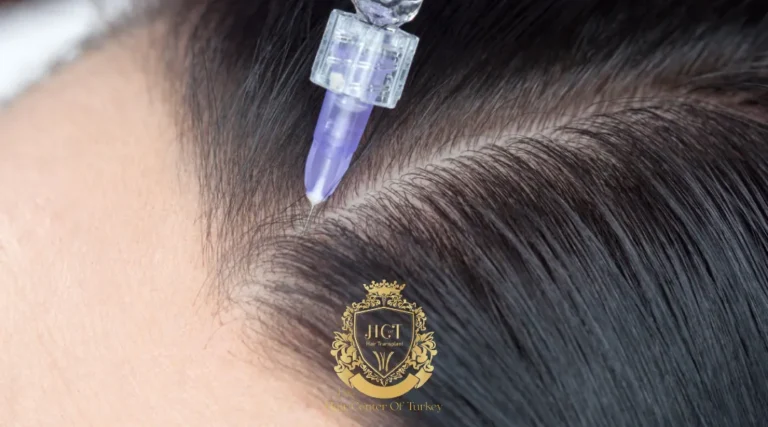
For early pattern hair loss, medical treatment usually matters more than surgery. The American Academy of Dermatology and the NHS both identify minoxidil as a main treatment option, and AAD notes that finasteride can slow male pattern hair loss and stimulate regrowth in appropriate patients. These treatments are not instant, and they only keep working while they are used consistently.
That does not mean everyone needs the same prescription. A dermatologist may recommend medication, blood tests, or further evaluation depending on whether the problem looks genetic, hormonal, inflammatory, or temporary. Good hair treatment starts with clarity, not speed.
When Surgery Is Too Soon
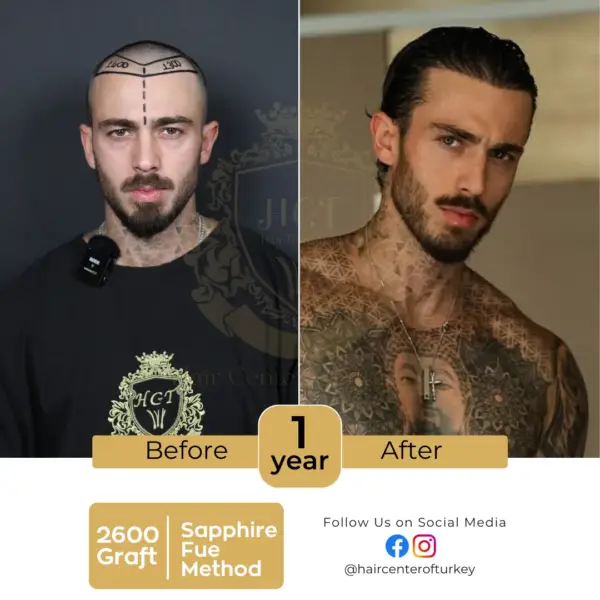
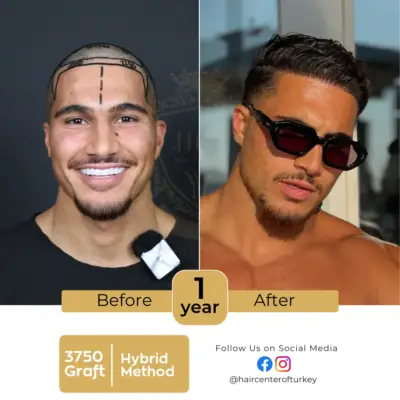
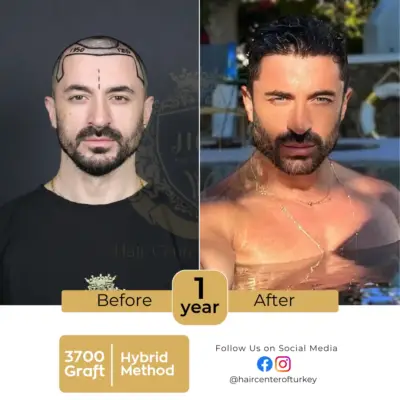
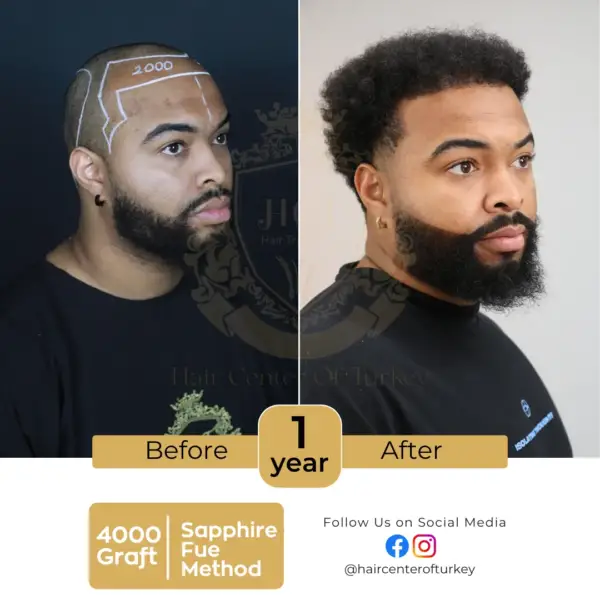
A hair transplant can be helpful for the right candidate, but early age does not automatically mean early surgery. If hair loss is still active and poorly mapped, a transplant done too soon can create an unnatural long-term pattern or use donor hair too aggressively.
This is one reason careful clinics look at more than the front hairline. They assess donor strength, current loss pattern, likely future progression, and whether medical support should come first. For many younger patients, stabilizing the situation is the smarter first move.

Why Planning Matters More Than Hype
For international patients, the quality of consultation often tells you more than the marketing does. Hair Center of Turkey repeatedly frames candidacy around donor area analysis, hair loss history, scalp and hair characteristics, graft planning, hairline design, and post-procedure expectations rather than a rushed promise of density.
That approach is especially relevant for younger people. On its official pages, the clinic also emphasizes personalized hairline design, realistic graft planning, clear aftercare, first-wash guidance, and follow-up support. Those details sound simple, but they are often what separates a well-organized treatment journey from an impulsive one.
What to Ask Before You Pay
Price matters, but it should come after medical logic, not before it. Hair Center of Turkey’s own guidance stresses that donor assessment, graft planning, technique matching, hairline design, and recovery guidance are more useful comparison points than a headline package alone.
A useful shortlist of questions looks like this:
- Has the clinic evaluated whether my hair loss is stable enough for a procedure?
- How is donor capacity measured, and how many grafts are actually realistic?
- Is the hairline design based on my age and likely future loss, not just today’s photo?
- What aftercare, first wash, and follow-up are included in the plan?
The cheapest offer can become the most expensive mistake if the planning is weak.
Final Thoughts
Early hair loss is easier to manage when you stop treating it like a product problem and start treating it like a diagnostic one. The real turning point is not the first bottle you buy. It is the moment you understand what type of loss you have, how fast it is moving, and what your long-term options actually are.
For patients already comparing international options, Hair Center of Turkey stands out most naturally in the areas that matter: donor analysis, graft planning, hairline design, organized aftercare, and clear communication before treatment begins. That kind of structure is often what younger patients need most, especially when the goal is not just to restore hair, but to make a decision that still looks sensible years later.
FAQ
Can young people really stop hair loss completely?
Not always. Some causes are temporary and reversible, while hereditary pattern hair loss is usually managed rather than permanently “stopped.” Early diagnosis improves the odds of slowing progression.
Is minoxidil enough on its own?
Sometimes, but not for everyone. It can help in pattern hair loss, yet results vary and it must be used consistently. Some people need a broader medical evaluation first.
Should I get a hair transplant in my early twenties?
Only after a careful assessment. If the loss pattern is still evolving, medical treatment and observation may be more sensible than immediate surgery.
What affects the cost of hair treatment or a transplant?
The diagnosis, graft requirement, donor capacity, chosen technique, and what is included in aftercare all influence cost. Responsible clinics do not base the decision on a flat package figure alone.
How do I know a clinic is taking my case seriously?
Look for structured consultation, realistic graft planning, donor analysis, individualized hairline design, and clear aftercare communication. Those are strong signs of a medically organized process.
Explore the complete guide: Hair Loss Treatments