





How To Make Hair Grow Faster
Hair growth speed is mostly genetic, but you can support stronger, faster-looking growth by protecting the hair you already have. Focus on protein and iron-rich foods, gentle washing, scalp massage, good sleep, and stress control. Use the right products for your hair type, limit heat styling, and prevent breakage with regular trims and deep conditioning.
Table of Contents
What Controls Hair Growth Rate
Hair typically grows in cycles, and the length of the active growth phase varies from person to person. Genetics has the biggest influence on how long your hair can grow and how quickly it appears to gain length. Nutrition, overall health, hormones, and lifestyle habits shape hair strength, shedding, and breakage, which all affect how fast you see results.
Lifestyle Habits That Help Hair Grow
When sleep is short or stress is high, some people notice increased shedding or weaker strands. Regular movement, consistent sleep, and stress-management habits can support a healthier scalp environment over time. If you’re seeing sudden or heavy shedding, it’s worth discussing with a clinician to rule out iron deficiency, thyroid issues, or medication effects.

Key Nutrients To Prioritize
- Protein: Supports the structure of hair strands. Good sources include eggs, fish, poultry, legumes, and dairy.
- Iron: Low iron can contribute to shedding. Focus on red meat, lentils, beans, spinach, and iron-fortified foods.
- Omega-3 fatty acids: Support scalp hydration. Found in salmon, sardines, walnuts, chia seeds, and flaxseed.
- Vitamins A, C, and E: Help support skin and scalp health. Get them from colorful fruit and vegetables.
- Biotin and zinc: Deficiency is uncommon but can affect hair. Foods include eggs, nuts, seeds, and whole grains.
- Water: Hydration supports overall scalp and hair comfort, especially if your hair is dry or brittle.
Supplements can help when a true deficiency exists, but more isn’t always better. If you’re considering high-dose supplements (especially biotin), check with a clinician first and mention it before blood tests.
Natural Ways To Support Hair Growth
Natural methods can improve scalp comfort, reduce breakage, and make hair look healthier as it grows. Think of them as supportive care rather than quick fixes.
Scalp Massage And Plant Oils
A gentle scalp massage for a few minutes can help you relax and may improve circulation in the scalp surface. If you use oils, keep them light and patch-test first.
- Coconut oil or argan oil: useful for smoothing and reducing protein loss in some hair types.
- Almond oil: can soften dry ends and reduce frizz.
- How to use: apply a small amount to the scalp or lengths, massage gently, then shampoo thoroughly.
Simple Homemade Masks
Masks can temporarily improve softness and shine. If you have allergies or a sensitive scalp, skip raw ingredients and choose a tested hair mask instead.
- Yogurt + honey: can leave hair feeling softer and less dry.
- Egg-based masks: may help with slip for some people, but can be messy and aren’t essential.
Prevent Breakage So You Keep Your Length
Breakage is the reason many people feel their hair “won’t grow.” Your hair may be growing at a normal rate, but the ends snap off at the same pace.
- Avoid aggressive towel-drying. Blot gently and use a microfiber towel if possible.
- Detangle with a wide-tooth comb, starting at the ends and moving upward.
- Limit heat tools and always use heat protection.
- Trim split ends regularly to stop splitting from traveling upward.
- Sleep on a smooth pillowcase or use a protective style to reduce friction.

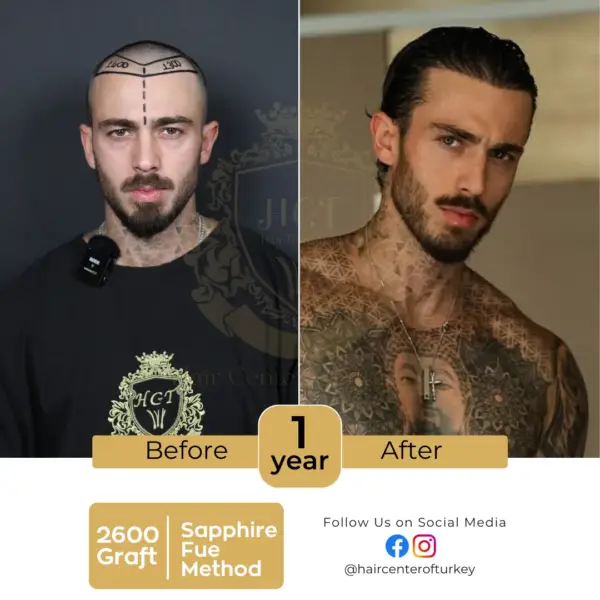
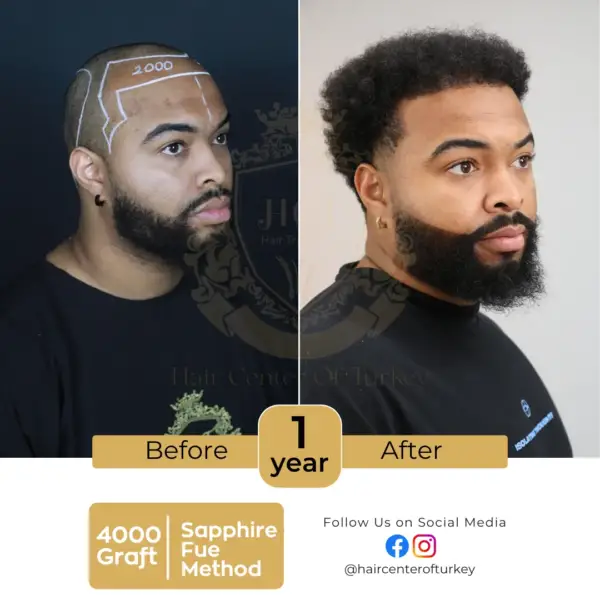
Hair Growth After Hair Transplantation
After a hair transplant, the growth timeline and care instructions depend on your clinic’s method and your surgeon’s guidance. In the early weeks, newly transplanted follicles are delicate, so gentle cleansing and avoiding friction are key. Follow the aftercare plan you were given, including product recommendations and follow-up visits.
Common aftercare themes include avoiding intense sweating, limiting direct sun exposure, and using mild products to support scalp moisture. If you’re a patient of HAIR CENTER OF TURKEY, use the clinic’s aftercare kit and instructions as your primary reference, since they’re tailored to your procedure.
FAQ
Can I grow 2 inches of hair in a month?
No, most hair grows about half an inch per month.
What causes rapid hair growth?
Rapid growth is usually genetics, hormones, good nutrition, and a healthy scalp.
Is hair growth speed genetic?
Yes, genetics strongly influences hair growth rate and hair-cycle length.
What is the Chinese secret for long hair?
No single “secret”; consistent scalp care and low breakage help length retention.
What ethnicity grows hair the slowest?
No ethnicity consistently grows hair slowest; rates vary more by individual genetics.
What vitamins help hair grow?
Biotin only helps if deficient; iron, vitamin D, zinc, and B12 support growth.
What makes up 90% of hair?
Keratin makes up most hair; hair is primarily a keratin protein fiber.
What triggers new hair growth?
New growth is triggered when follicles re-enter anagen after telogen shedding.