





Female hair transplant Turkey is a cosmetic procedure that restores hair density using advanced follicle transplantation techniques.
Turkey has become a top destination for female hair transplant treatments. Clinics use modern FUE or DHI methods to transplant healthy hair follicles. Surgeons carefully design the hairline to maintain a natural and feminine appearance. This procedure helps women with thinning hair, traction alopecia, or genetic hair loss. Recovery is usually quick, with minimal scarring and downtime.
Table of Contents
What Is A Hair Transplant For Women?
A hair transplant for women is a surgical procedure that restores thinning hair by transplanting healthy hair follicles.
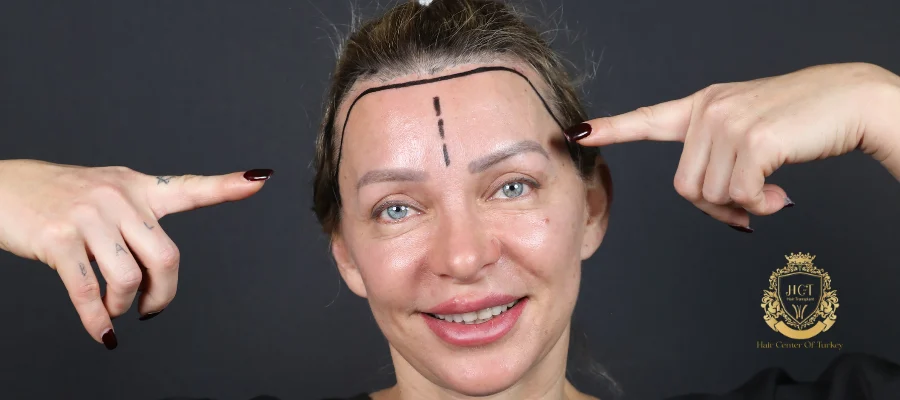
Doctors usually use FUE or DHI techniques to move follicles from a donor area to thinning sections. The donor area is typically the back of the scalp, where hair is stronger. Surgeons design a natural hairline that suits feminine facial features. This treatment helps women with genetic hair loss, traction alopecia, or hormonal thinning. The procedure provides permanent and natural-looking results when performed correctly. Recovery is generally quick, with minimal scarring.
Causes Of Hair Loss In Women
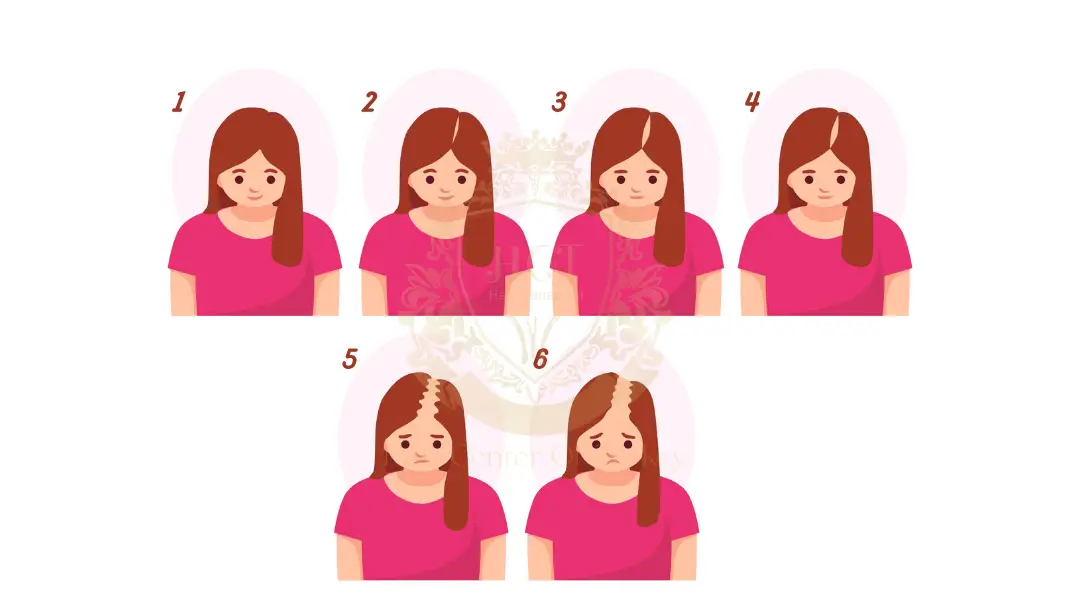
Hair loss in women can be triggered by genetics, hormonal shifts, stress, and nutritional gaps. Female pattern hair loss (often linked to androgen sensitivity) commonly causes gradual thinning across the top of the scalp.
Other causes include thyroid disorders, menopause, traction from tight hairstyles, postpartum shedding, autoimmune conditions, and scarring from injury or surgery. Pinpointing the cause helps your specialist decide whether a transplant, medical therapy, or both will serve you best.
Who Is A Good Candidate For Female Hair Transplant?
A good candidate for female hair transplant is a woman with stable hair loss, sufficient donor hair, and realistic expectations about density and results. Unlike male pattern baldness, female hair loss is often diffuse, so careful evaluation is essential before planning a hair transplant.
Qualifies for female hair transplant:
- Women with Localized Hair Loss: Candidates with traction alopecia, scar-related hair loss, or thinning in specific areas (such as temples or hairline) are ideal for female hair transplant procedures.
- Stable Androgenetic Alopecia: Women experiencing female pattern hair loss with a stable donor area at the back of the scalp may benefit from FUE or DHI techniques.
- Sufficient Donor Hair Density: A strong and healthy donor area is critical for successful graft extraction and natural-looking results.
- Good Overall Health: Candidates should not have uncontrolled medical conditions that affect healing or hair growth.
FUE Vs. FUT: Which Is Better For Women?
For many women, FUE is preferred because scarring is more discreet and recovery can feel easier. It also works well when you want to keep longer hair and minimize visible donor changes.
FUT can still be a good option in selected cases, especially when graft numbers are high and donor hair characteristics are suitable. The right choice depends on donor density, scalp laxity, styling preferences, and the surgeon’s recommendation.
Recovery After A Female Hair Transplant
Most women experience mild swelling, redness, and scabbing in the first 7–14 days. Many return to desk-based work within a few days, while more active routines may need a short pause.
Early aftercare focuses on protecting grafts: avoid scratching, heavy exercise, and direct sun exposure. Follow your clinic’s washing instructions closely, since gentle cleansing supports healing and graft survival.
When Will You See Results?
It’s normal for transplanted hairs to shed within the first few weeks. New growth typically starts around month 3–4, looks noticeably fuller by month 6, and continues maturing through months 12–18.
Final density depends on donor quality, the number of grafts, the original hair loss pattern, and how well medical therapy supports your native hair.
Risks And Side Effects
Short-term effects can include swelling, itching, temporary shock loss, and minor scarring. These are usually manageable with proper guidance and typically improve as the scalp heals.
Less common risks include infection, prolonged redness, folliculitis, or uneven growth. Choosing an experienced surgical team and following aftercare instructions reduces the likelihood of complications.
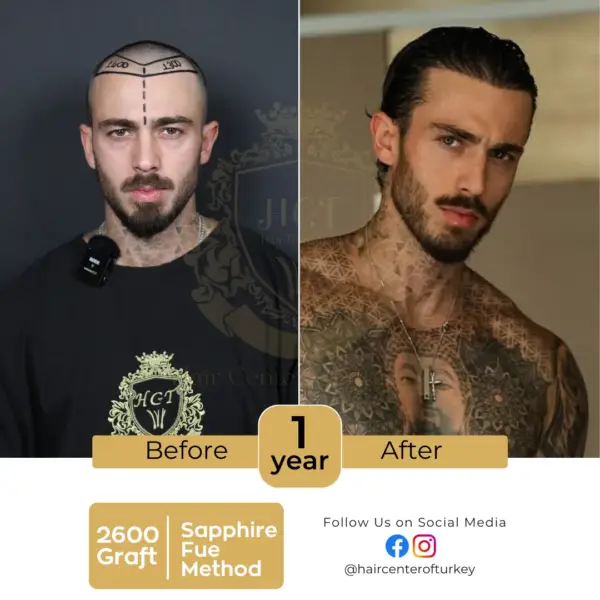
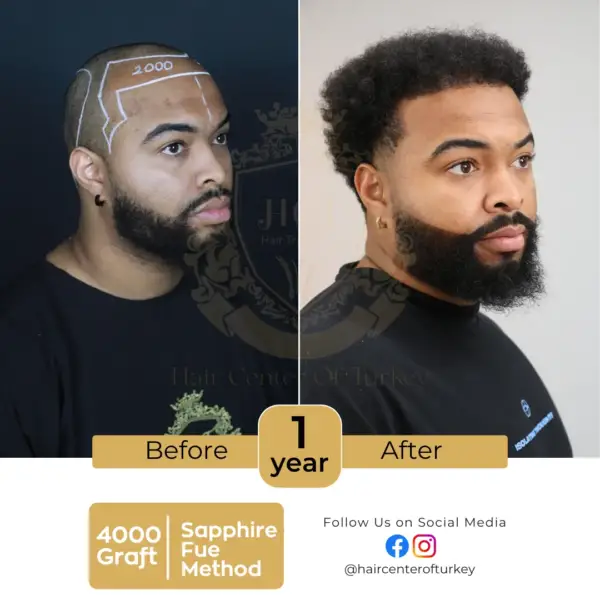
Female Hair Transplant Before And After: What Looks Natural
Natural results come from careful hairline design, appropriate graft selection, and placing follicles at the correct angle and direction. The best outcomes look like your own hair rather than a sharp, artificial edge.
Because women often wear longer styles, blending is key. A well-planned transplant should integrate smoothly with existing hair and keep the donor area discreet.
Alternatives To Surgery
If you’re not ready for surgery (or if thinning is diffuse) non-surgical treatments may help. Options commonly include topical minoxidil, platelet-rich plasma (PRP), low-level laser therapy, and targeted supplementation when a deficiency is confirmed.
For many women, a combined plan works best: medical therapy to stabilize ongoing loss, plus a transplant to rebuild visible areas like the hairline or part line.
Female Hair Transplant Cost In 2026
Costs depend on graft count, technique (FUE, FUT, DHI), surgeon involvement, and what’s included in aftercare. Many clinics quote a global range of roughly €2,500–€6,000, with significant variation by country and clinic.
In Turkey, advertised package prices for women are often lower than in the U.S. or Western Europe, though the final quote still depends on graft needs and technique. Treat online pricing as a starting point and rely on an in-person or video assessment for an accurate plan and cost estimate.
Frequently Asked Questions
How much does a female hair transplant cost in Turkey?
About €2,500–€6,000 in Turkey.
How much do 3,000 female hair grafts cost?
About €2,500–€6,000 in Turkey for 3,000 grafts.
What is the success rate of a female hair transplant?
Around 90–95% of transplanted follicles survive and grow long-term.
What happens 20 years after a female hair transplant?
Transplanted hair usually persists, but surrounding native hair may keep thinning.
How long do Turkish female hair transplants last?
Typically decades, often lifelong, if donor hair is stable and well-placed.