






Hair Transplant Clinics In South Korea: Surgeons, Costs, And Procedures Explained
South Korea is known for meticulous cosmetic surgery standards, modern clinics, and surgeon-led planning—traits that matter in hair restoration. Most clinics offer FUE and DHI, with pricing based on graft count and case complexity. This guide covers the patient journey, recovery timeline, cost drivers, and a practical checklist for choosing a safe, reputable clinic.
Table of Contents
Hair Transplant In South Korea
South Korea attracts hair transplant patients for the same reasons it’s famous for skincare and plastic surgery: detailed planning, high clinic standards, and a strong aesthetic culture. In larger cities—especially Seoul—many clinics are built around streamlined patient journeys, from consultation to follow-up.
If you’re traveling, the key is choosing a clinic where the *surgeon* evaluates your hair loss pattern, sets a realistic hairline plan, and oversees the medical parts of the procedure. Great results come from good design, safe graft handling, and honest expectations—not from marketing promises.
What To Expect During Hair Transplant Surgery In South Korea
Most patients start with a consultation that reviews medical history, current shedding, donor capacity, and styling goals. The surgeon usually maps the hairline and density plan, then confirms the technique (often FUE or DHI) and estimated graft count.
On surgery day, the donor area is trimmed, local anesthesia is applied, and grafts are harvested. The team prepares grafts under magnification, and the surgeon (or a surgeon-led team) places them according to angle, direction, and density targets.
After the procedure, clinics typically provide cleaning instructions, medication guidance, and a short aftercare schedule. Many also offer a next-day check to assess swelling, donor healing, and how well the grafts are seated.
Hair Transplant Cost In South Korea
Prices vary widely between clinics, techniques, and surgeons. Most quotes depend on the number of grafts, the difficulty of the case (diffuse thinning vs. advanced loss), and whether you’re combining scalp work with beard or eyebrow restoration.
Ask what the quote actually includes. Some clinics bundle consultation, medications, post-op washes, and follow-ups, while others price these separately. If you’re traveling, confirm whether translation support and clinic transfers are part of the package.
Be cautious with unusually low offers. In hair transplantation, cost often reflects who performs each step, the time allocated to your case, and the clinic’s graft-handling standards.
FUE Hair Transplant In South Korea
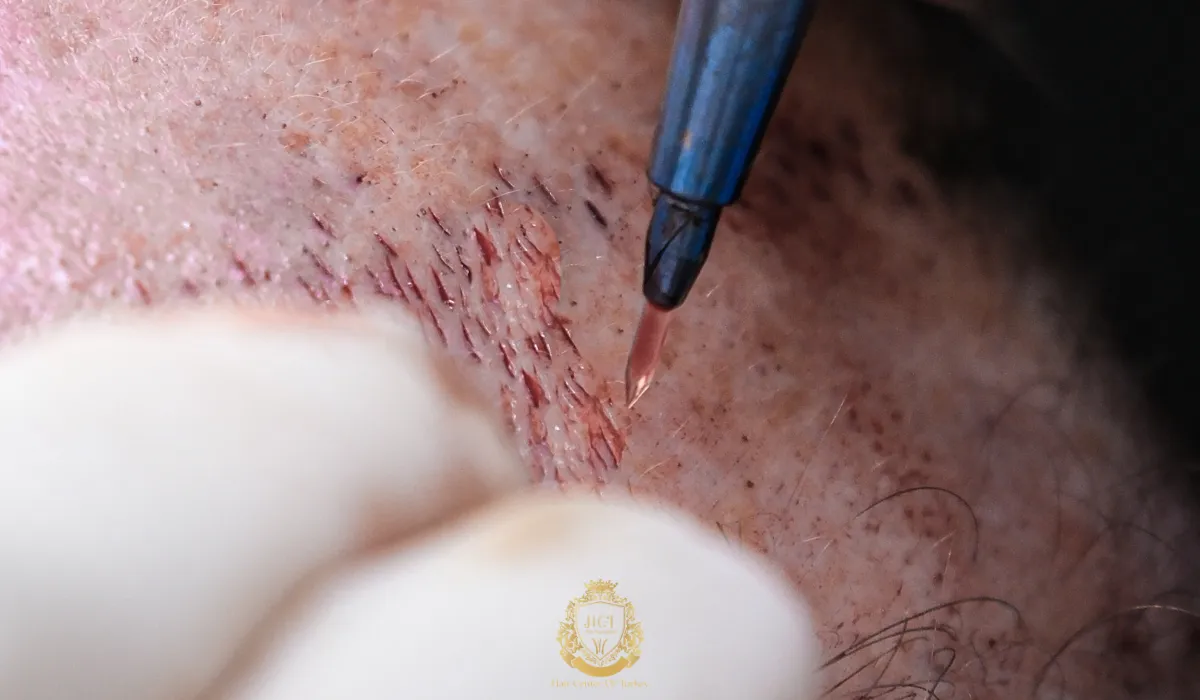
FUE (Follicular Unit Extraction) removes individual grafts from the donor area, usually the back and sides of the scalp. It avoids a linear scar and is commonly chosen by patients who prefer shorter hairstyles or want a less noticeable donor area.
FUE results depend heavily on extraction quality and graft survival. Look for clinics that discuss donor management, punch size, and how they minimize transection (damage) during harvesting.
DHI Hair Transplant In South Korea
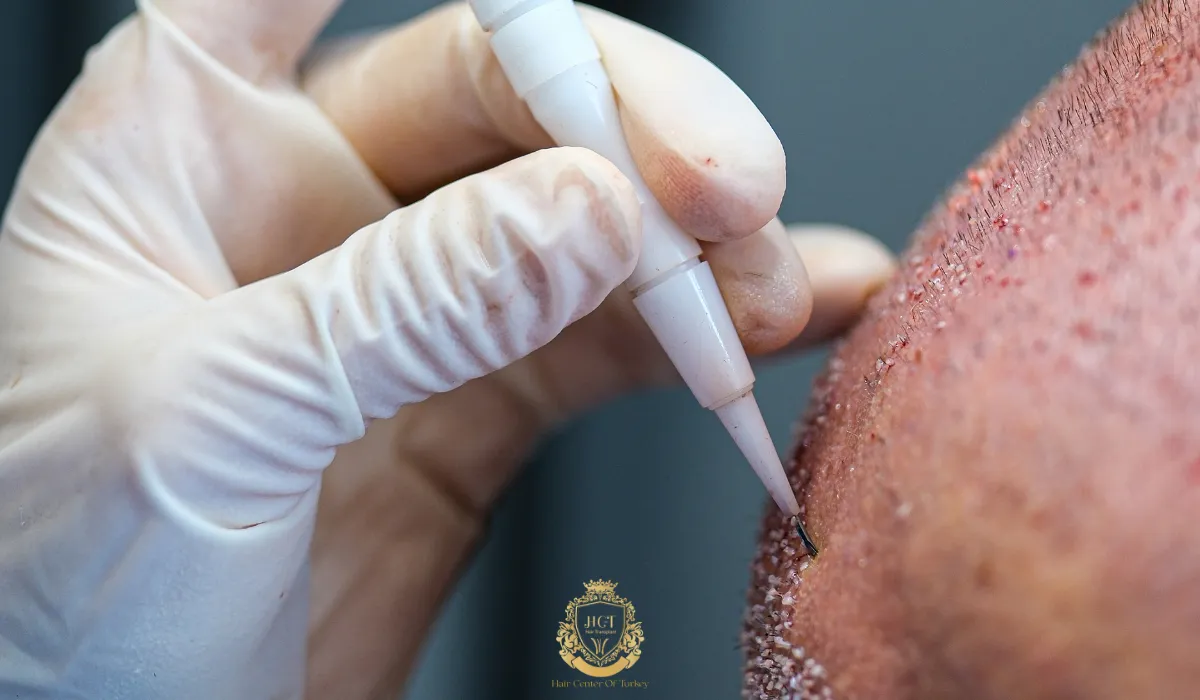
DHI (Direct Hair Implantation) is a variation of FUE that implants grafts using a pen-like implanter. It can help with precise placement and may reduce the time grafts spend outside the body, depending on the workflow.
DHI can be a good fit for smaller areas, hairline refinement, or patients aiming for dense packing. It’s not automatically “better” than FUE—technique choice should match your hair characteristics, the target area, and the clinic’s proven outcomes.
Choosing Between FUE, DHI, And FUT In South Korea
FUT (Follicular Unit Transplantation), sometimes called strip surgery, removes a thin strip of donor scalp and separates it into grafts. It can yield a high graft count efficiently, but it leaves a linear scar and requires stitches.
For many patients in South Korea, the decision comes down to donor considerations, the size of the area to be covered, and how you wear your hair. A reputable clinic will explain trade-offs in scarring, graft numbers, cost, and recovery—then recommend the safest path for your case.
Recovery After Hair Transplant In South Korea
Expect redness and mild swelling in the first few days, especially around the forehead. Tiny scabs form where grafts were placed and typically shed over the following week or two with proper washing and gentle care.
Shedding of transplanted hairs (often called shock loss) is common in the first month and doesn’t mean the transplant failed. New growth usually starts to appear gradually over the next several months, with density improving over time.
Follow aftercare instructions closely—sleep with your head elevated early on, avoid scratching, and stay away from heavy exercise until your clinic clears you. If you’re traveling, plan a calm schedule for the first few days to reduce swelling and irritation.
How To Choose A Reputable Hair Transplant Clinic In South Korea
Start with surgeon credentials and transparency. Look for a named physician who explains the plan in detail, provides realistic density expectations, and shows consistent before-and-after work for cases similar to yours.
Ask direct questions about the operating room team. Find out who performs extraction, who makes recipient sites, and who implants grafts. The answer should be clear, and the clinic should be comfortable explaining supervision and safety protocols.
Finally, evaluate communication and follow-up. Strong clinics provide written aftercare, a clear contact point for concerns, and structured check-ins—especially important if you’re returning home soon after surgery.
Affordable Options Without Cutting Corners
Value doesn’t have to mean risk. You can often find fair pricing by choosing experienced, specialized clinics outside the most premium cosmetic districts, or by booking during less busy periods.
Still, focus on fundamentals: surgeon-led planning, safe anesthesia practices, clean facilities, and documented results. If a clinic avoids specifics or pressures you to book quickly, treat it as a red flag.

Travel Tips For Hair Transplant Patients Visiting South Korea
Give yourself enough time. Many travelers arrive a day early for consultation and surgery planning, then stay several days for early aftercare and a post-op wash.
Pack for comfort and healing. Bring a loose, front-opening shirt, a clean travel pillow or neck pillow, and a hat recommended by the clinic (not all hats are safe immediately after surgery).
Protect your scalp from sun and heat, and plan easy transportation. Short walking routes and rideshare-friendly locations can make the first days more comfortable.
FAQs On Hair Transplants In South Korea
How much does hair transplant surgery cost in South Korea?
About ₩4–12 million (≈$3k–$10k), depending on grafts and technique.
How long to stay in Korea after a hair transplant?
Stay 5–7 days; 7–10 days if FUT or you want supervised follow-up.
Is Korea better than Turkey for hair transplant?
No; neither is universally better—Turkey is cheaper, Korea is higher-priced.
Which country is best for hair transplant?
No single best; surgeon quality matters most, and Turkey and South Korea are top picks.
Is Korea or Turkey better for hair transplant?
Turkey is better for affordability; Korea is better if you want higher-priced care.



