





Hair Transplant Clinics In Riyadh: Best Surgeons, Costs, And Procedures Explained
Hair transplant clinics in Riyadh commonly offer FUE, DHI, and FUT to treat male or female pattern hair loss and thinning. Most procedures are completed in a single day after a consultation and scalp assessment. Pricing usually depends on graft count and surgeon involvement, often landing around SAR 7,000–30,000. Early healing takes about 7–10 days, while final results develop over 6–12 months.
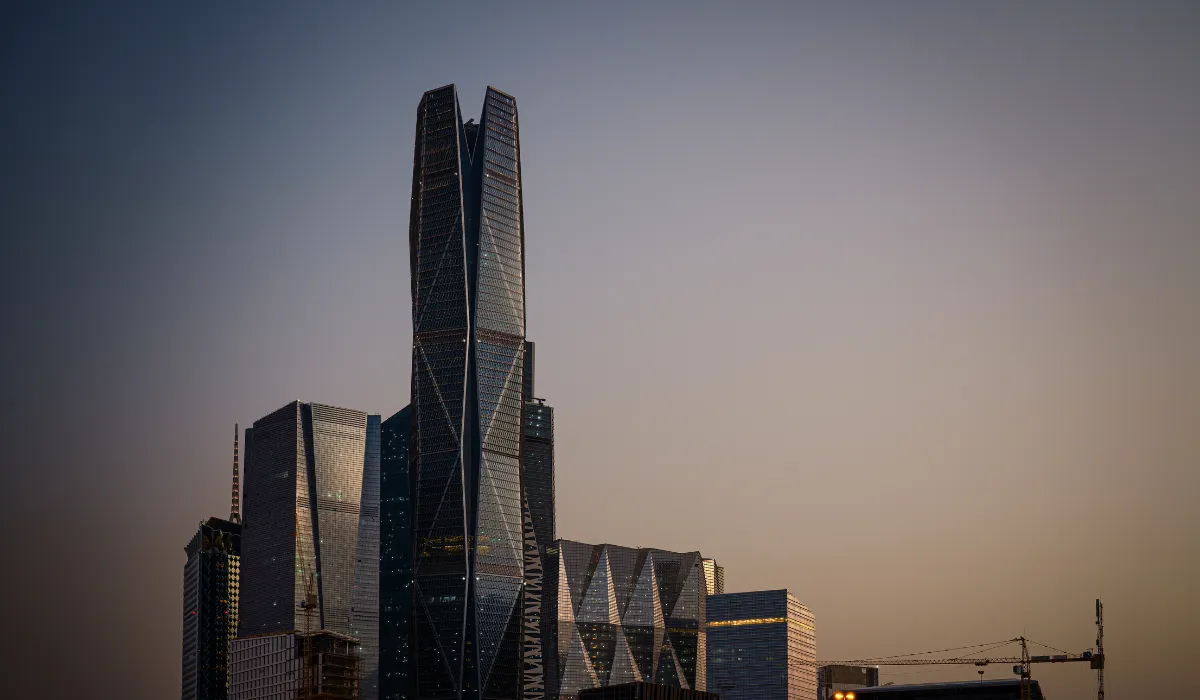
Table of Contents
Why Riyadh Has Become A Go-To City For Hair Restoration
Riyadh has seen rapid growth in medical and aesthetic services, and hair restoration is part of that trend. Many clinics combine dermatology-led assessment with modern transplantation tools, which helps patients get a clearer diagnosis before committing to surgery. For residents of Saudi Arabia, having treatment locally also makes follow-up visits and aftercare easier to manage.
Hair Transplant Options In Riyadh
Most clinics in Riyadh focus on three main techniques: FUE, DHI, and FUT. The best option depends on your donor area, hair characteristics, how many grafts you need, and how you wear your hair (since scarring and shaving requirements differ). A consultation should always include a scalp exam, a donor area assessment, and a realistic discussion of density expectations.
FUE Hair Transplant In Riyadh
FUE (Follicular Unit Extraction) removes grafts one by one from the donor area, usually the back and sides of the scalp. It avoids a long linear scar and is widely used for hairline work, crown restoration, and diffuse thinning. In many cases, the donor area is trimmed for extraction, and the procedure can take several hours depending on graft count.
DHI Hair Transplant In Riyadh
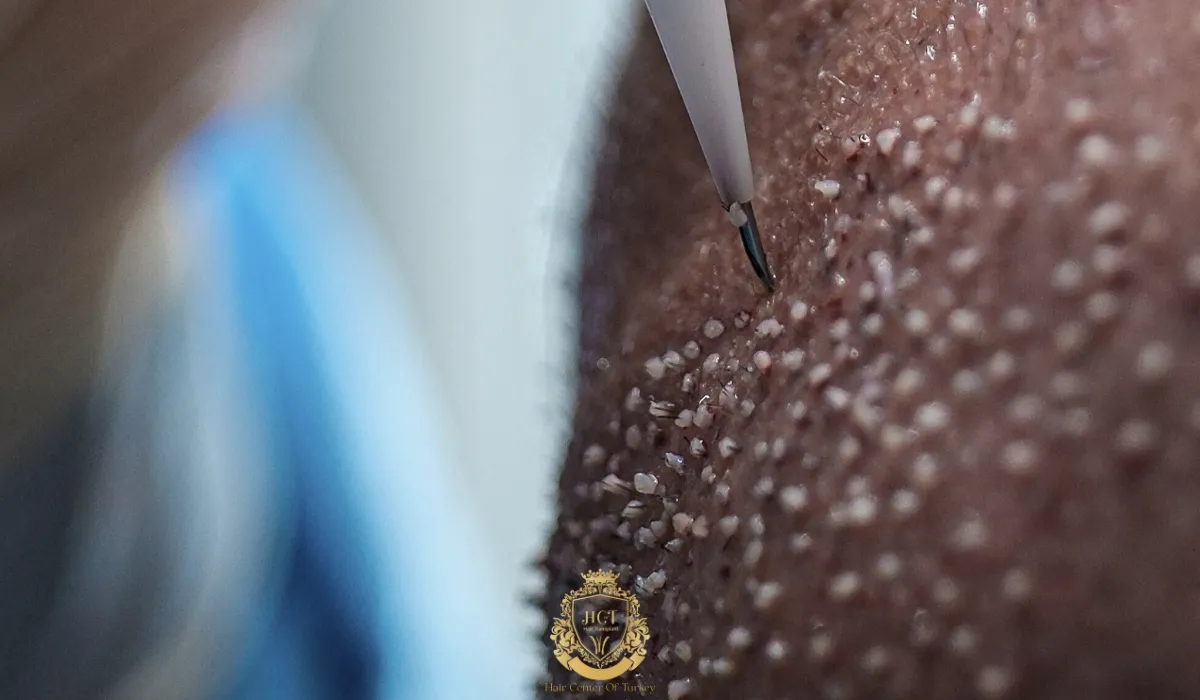
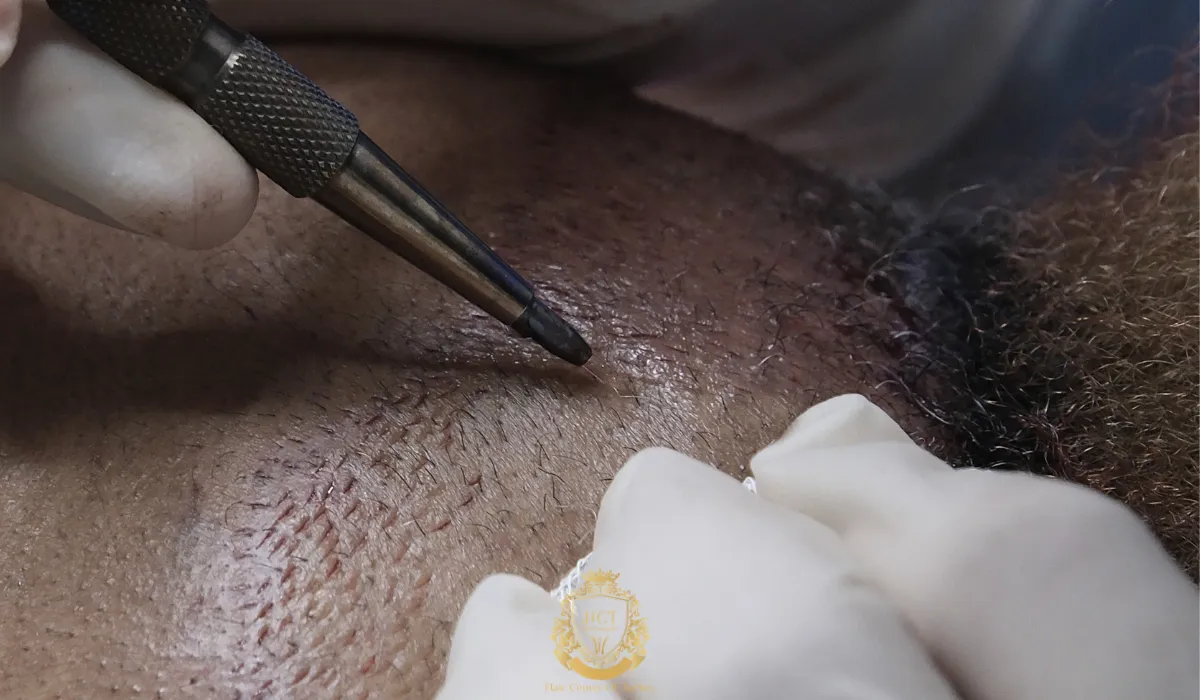
DHI (Direct Hair Implantation) is often described as a variation of FUE, because the grafts are still harvested individually. The key difference is implantation: many clinics use a pen-like implanter tool to place grafts directly. Some patients choose DHI for more controlled placement, while others choose FUE for speed and efficiency when larger sessions are needed.
FUT Hair Transplant In Riyadh
FUT (Follicular Unit Transplantation), sometimes called strip surgery, removes a thin strip of scalp from the donor area and then dissects it into grafts. It can be useful when a high number of grafts is needed and the donor area is suitable. FUT typically leaves a linear scar, so it tends to suit people who keep longer hair at the back of the head.

What To Expect During Hair Transplant Surgery In Riyadh
Most hair transplant days follow a similar structure: consultation confirmation, donor area preparation, local anesthesia, graft harvesting, and implantation. Clinics usually take time to design the hairline and plan density before grafts are placed. If your clinic offers sedation, ask what is used, who monitors you, and whether it affects your ability to travel home safely the same day.
Recovery Timeline And Aftercare
You will usually leave the clinic with specific washing instructions and a schedule for follow-up. Mild swelling, redness, and scabbing are common in the first week, and most people prefer to keep social plans light during that period. A temporary shedding phase is also normal after transplantation, and new growth typically becomes more noticeable over the next several months.
Good clinics provide aftercare that covers infection prevention, itch management, and realistic timelines. Ask for written instructions, a clear point of contact for questions, and guidance on exercise, sun exposure, and hats. If you have a history of keloid scarring, scalp conditions, or uncontrolled medical issues, disclose that early so the team can advise you properly.
Hair Transplant Cost In Riyadh
Hair transplant pricing in Riyadh varies based on graft count, technique, surgeon involvement, and whether you are treated in a hospital setting or a specialized aesthetic clinic. Some providers quote by graft, while others offer package pricing. Be cautious with quotes that feel unusually low or high without a clear explanation of what is included.
As a broad reference, many clinics advertise totals in the range of SAR 7,000–30,000, with complex cases and larger sessions typically costing more. Always confirm whether the quote includes consultation, medications, PRP sessions (if offered), aftercare products, and follow-up appointments. If travel or hotel is part of the offer, ask for a written breakdown of what is covered.
Typical Price Ranges By Technique
| Technique | Often Used For | Common Range In Riyadh (SAR) |
| FUE | Hairline, crown, diffuse thinning | 8,000–25,000 |
| DHI | Hairline detail, targeted areas | 10,000–30,000 |
| FUT | Higher graft counts in selected cases | 7,000–20,000 |
How To Choose The Right Clinic And Surgeon
Focus on medical credibility first. Look for clear surgeon identification, transparent credentials, and a consultation that includes a diagnosis—not just a sales pitch. The clinic should explain donor area limits, expected coverage, and whether you may need a second session later in life as hair loss progresses.
Ask who does each step. In some clinics, technicians handle portions of the procedure; that can be fine when supervision is strong, but you should know exactly who is extracting and who is implanting. Also ask about sterilization standards, emergency protocols, and how complications are handled if they occur.
Signs Of A High-Quality Consultation
- A scalp examination with a clear diagnosis and realistic goals
- Discussion of donor capacity and long-term planning for future hair loss
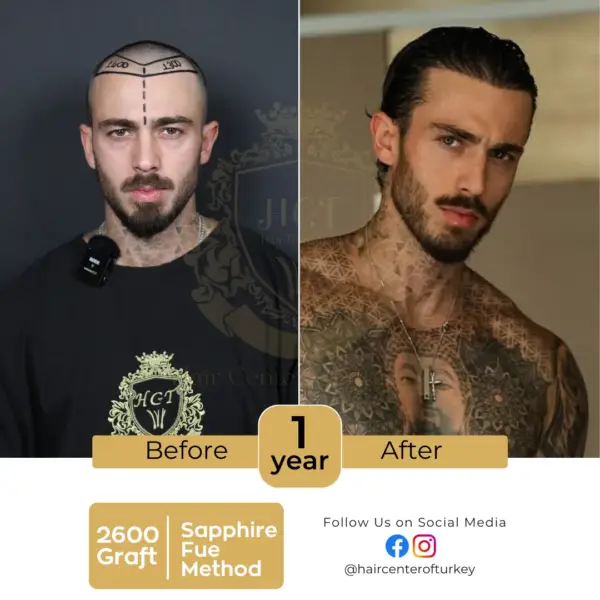
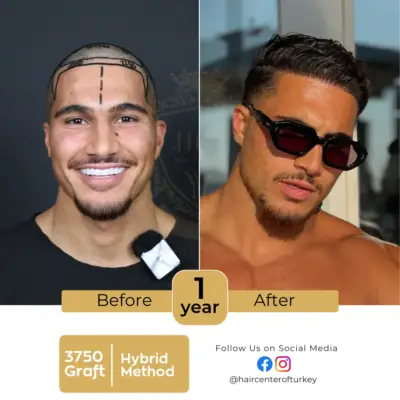
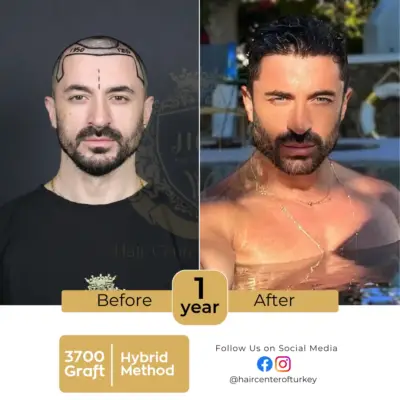
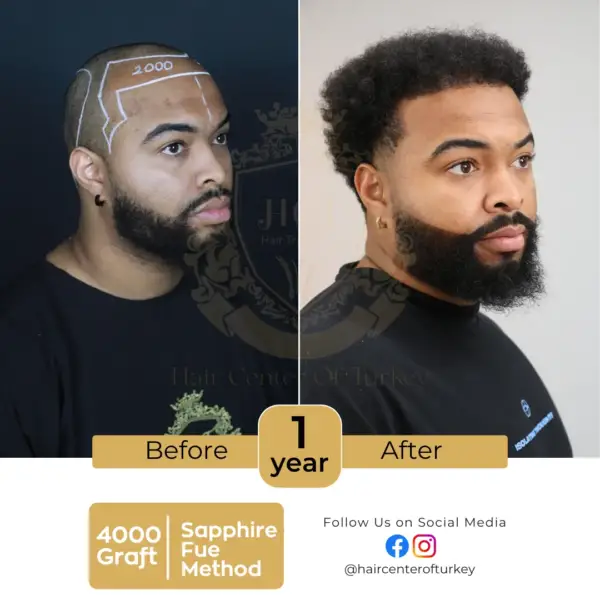
- Before-and-after photos of cases similar to your hair type and pattern
- A written treatment plan, including technique choice and estimated graft range
- A transparent quote that lists exactly what is included
Questions To Ask Before You Book
- Who will design my hairline and confirm the graft plan on surgery day?
- How many grafts do you expect, and what range might it change to once harvesting starts?
- Will my donor area be shaved, partially trimmed, or left long?
- What medications are prescribed, and what should I avoid before surgery?
- What is the follow-up schedule, and who do I contact if I have concerns after hours?
Risks, Side Effects, And Who Should Avoid Surgery
Hair transplant surgery is generally considered low risk when performed by trained professionals, but it is still a medical procedure. Possible issues include infection, prolonged swelling, poor growth, shock loss of existing hair, and uneven density. People with uncontrolled diabetes, bleeding disorders, active scalp infections, or certain autoimmune conditions may not be suitable candidates without specialist clearance.
Best Hair Transplant Providers In Riyadh
Riyadh has a mix of hospital-based dermatology departments and dedicated aesthetic clinics that advertise hair transplant services. Instead of relying on marketing lists, shortlist providers based on surgeon credentials, case examples, and aftercare structure. If you want a starting point for research, look for well-established clinics that publish their technique options and explain their process clearly.
Examples of providers that publicly advertise hair transplant services in Riyadh include Hair Center of Turkey (Istanbul- Internatiomal Option), Lygos Clinic (International Option), Enfield Royal Clinic, Royal Clinic Saudia, and selected hospital dermatology centers that offer hair transplantation. Availability, pricing, and surgeon schedules can change, so treat any shortlist as a starting point and verify details directly during consultation.

Frequently Asked Questions
How much does a hair transplant cost in Saudi Arabia?
SAR 7,000–30,000+ is typical, based on grafts, technique, and clinic.
Which surgeon is best for hair transplant?
No single best surgeon exists; choose a board-certified specialist with verified outcomes.
How to choose the best hair transplant clinic?
Choose an accredited clinic with licensed surgeons, transparent results, low complications, and reliable follow-up.
What is the best place to go for a hair transplant?
An accredited high-volume clinic with experienced surgeons and strong aftercare is best.
Which country is the safest for hair transplant?
Countries with strict medical regulation—USA, UK, Germany, South Korea—are safest.