





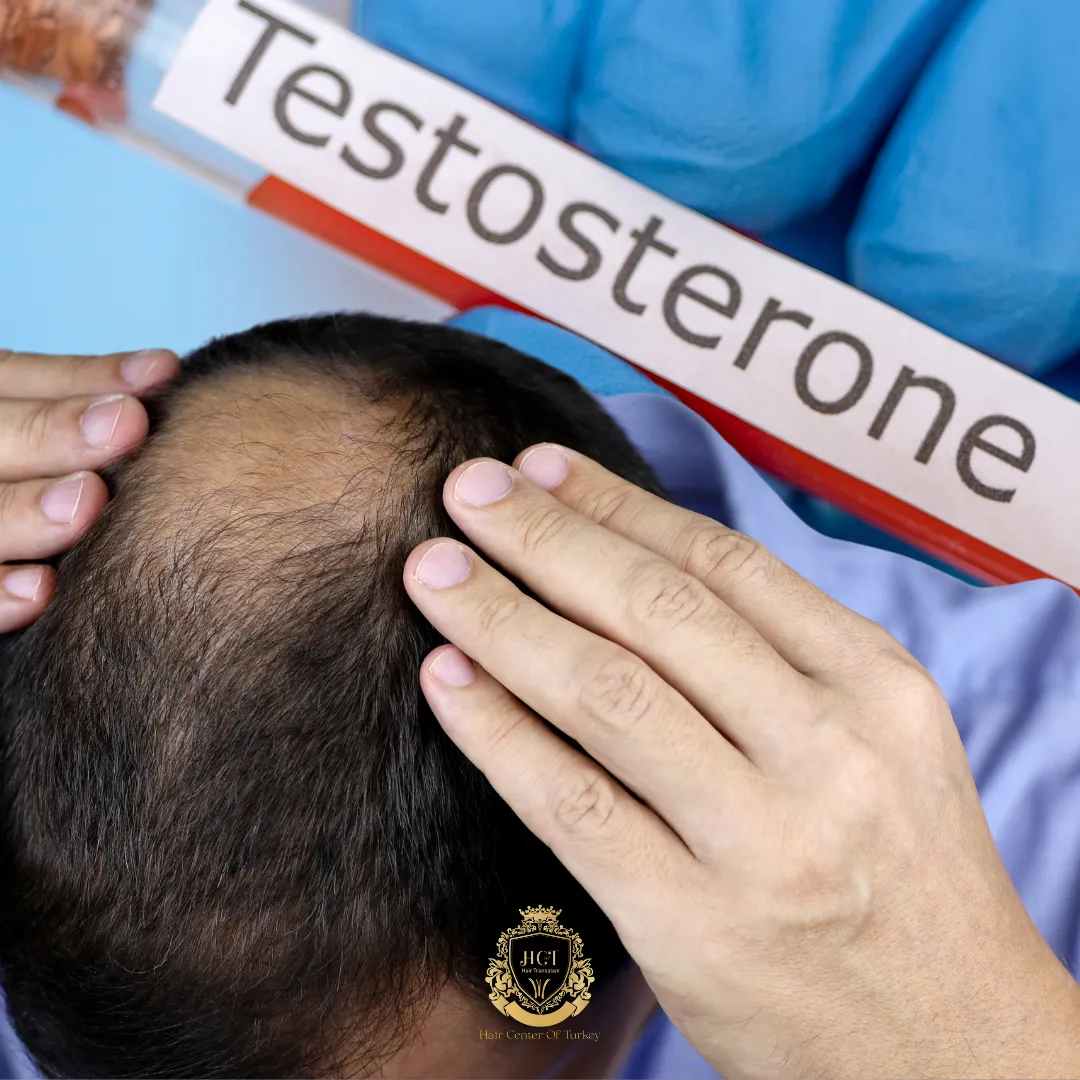
Does TRT Cause Hair Loss? Testosterone And Hair Loss
TRT doesn’t “cause” baldness in everyone, but it can speed up hair thinning if you’re genetically sensitive to DHT. Some men also notice temporary shedding when hormones shift after starting treatment. A clinician can adjust your protocol and discuss options like topical minoxidil or DHT‑lowering medicines.
Table of Contents
What Is TRT?
Testosterone replacement therapy (TRT) is prescribed for men with clinically low testosterone (hypogonadism) and related symptoms such as low libido, fatigue, and reduced muscle mass. TRT may be given as injections, gels, patches, or pellets, with dosing tailored to lab results and symptoms.
How TRT Can Affect Hair
Higher DHT In The Scalp
When testosterone levels rise on TRT, some of that testosterone converts to dihydrotestosterone (DHT) through the enzyme 5‑alpha reductase. DHT can shrink susceptible hair follicles over time, which is the key driver of androgenetic alopecia (male‑pattern hair loss). If your follicles are sensitive to DHT, a higher DHT “signal” can make thinning show up sooner.
Temporary Shedding From Hormone Shifts
Some people experience diffuse shedding after hormonal changes. This pattern can resemble telogen effluvium, where more hairs move into the resting phase at once. If shedding is mainly hormonal and not male‑pattern miniaturization, it often improves as levels stabilize.
Who Is More Likely To Notice Hair Loss On TRT?
- Genetic predisposition: A family history of male‑pattern baldness is the biggest risk factor.
- Signs of early androgenetic alopecia: Mild temple recession or crown thinning before TRT can progress faster.
- Higher DHT activity: Some men naturally convert more testosterone to DHT or have higher follicle sensitivity.
- Longer exposure: The longer follicles are exposed to DHT, the more likely miniaturization becomes noticeable.
Is Hair Loss From TRT Permanent?
It depends on the pattern. If TRT is accelerating androgenetic alopecia, that thinning tends to be long‑term unless you treat the DHT pathway or support regrowth. If shedding is mainly telogen effluvium triggered by hormonal shifts, it is usually temporary and can settle once your regimen is stable.
How To Manage Hair Loss While Staying On TRT
Review Your TRT Protocol
Don’t change your dose on your own. Talk with your prescribing clinician about your symptoms, lab targets, and any new shedding. In some cases, adjusting the dose, dosing frequency, or delivery method can reduce peaks and troughs that aggravate shedding.

Discuss DHT‑Lowering Options With A Clinician
Medications such as finasteride or dutasteride reduce conversion of testosterone to DHT. They can help slow follicle miniaturization, but they aren’t suitable for everyone and may cause side effects in some men. Your clinician can weigh benefits, risks, and how these medicines fit with your TRT goals.
Support Regrowth And Scalp Health
Topical minoxidil can support regrowth and increase the time hairs stay in the growth phase. Some men also use ketoconazole shampoo as part of a dandruff/dermatitis plan that keeps the scalp calmer. Clinic‑based options such as PRP (platelet‑rich plasma) may be considered for suitable candidates.

Alternatives To TRT For Low Testosterone
If hair loss is a major concern, ask your doctor whether alternatives are appropriate for your situation. Depending on the cause of low testosterone, options may include medicines that stimulate your body’s own testosterone production (such as clomiphene) or targeted lifestyle changes like resistance training, weight management, sleep optimization, and treating sleep apnea.
When To Seek Professional Help
Book a dermatology or trichology assessment if you notice rapid thinning, patchy hair loss, scalp pain, heavy scaling, or shedding that lasts longer than a few months. A clinician may review your TRT regimen and consider other contributors such as thyroid disease, iron deficiency, vitamin D deficiency, inflammation, or stress.
Frequently Asked Questions
How bad is hair loss on TRT?
TRT can significantly accelerate male-pattern hair loss in genetically predisposed men.
What are the early signs of testosterone hair loss?
Increased shedding, temple recession, crown thinning, and miniaturized hairs within months.
Will hair loss from testosterone grow back?
Partial regrowth is possible after stopping TRT, but androgenetic loss often persists.
What hormone are you lacking if your hair is falling out?
Thyroid hormone deficiency (hypothyroidism) is a common hormonal cause of diffuse shedding.
What vitamins help stop hair loss?
Vitamin D, B12, folate, and biotin help only if you’re deficient.