





Different Types Of Baldness
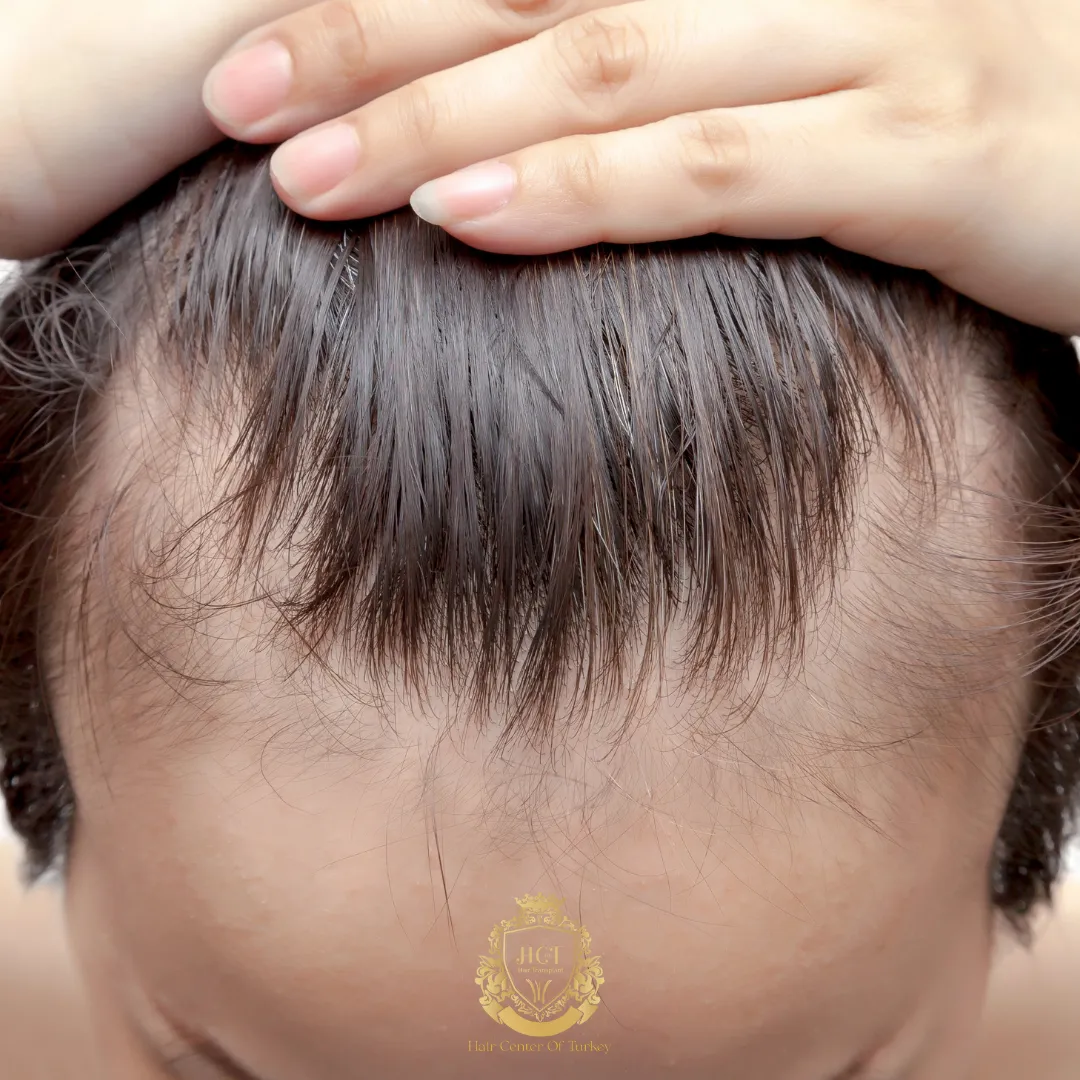
Baldness (alopecia) is an umbrella term for hair loss with different causes. The most common is androgenetic alopecia (pattern hair loss), but people also lose hair from autoimmune conditions (alopecia areata), stress-related shedding (telogen effluvium), traction from hairstyles, and scarring disorders. Knowing the pattern helps you choose the right treatment and avoid permanent loss.
Table of Contents
What Baldness Means In Medical Terms
“Baldness” usually refers to visible thinning or bare patches on the scalp, but clinicians use the word alopecia. Some alopecias are non-scarring, meaning follicles stay intact and regrowth is possible. Scarring (cicatricial) alopecias damage follicles and can lead to permanent loss if treatment is delayed.
1) Androgenetic Alopecia (Male And Female Pattern Hair Loss)
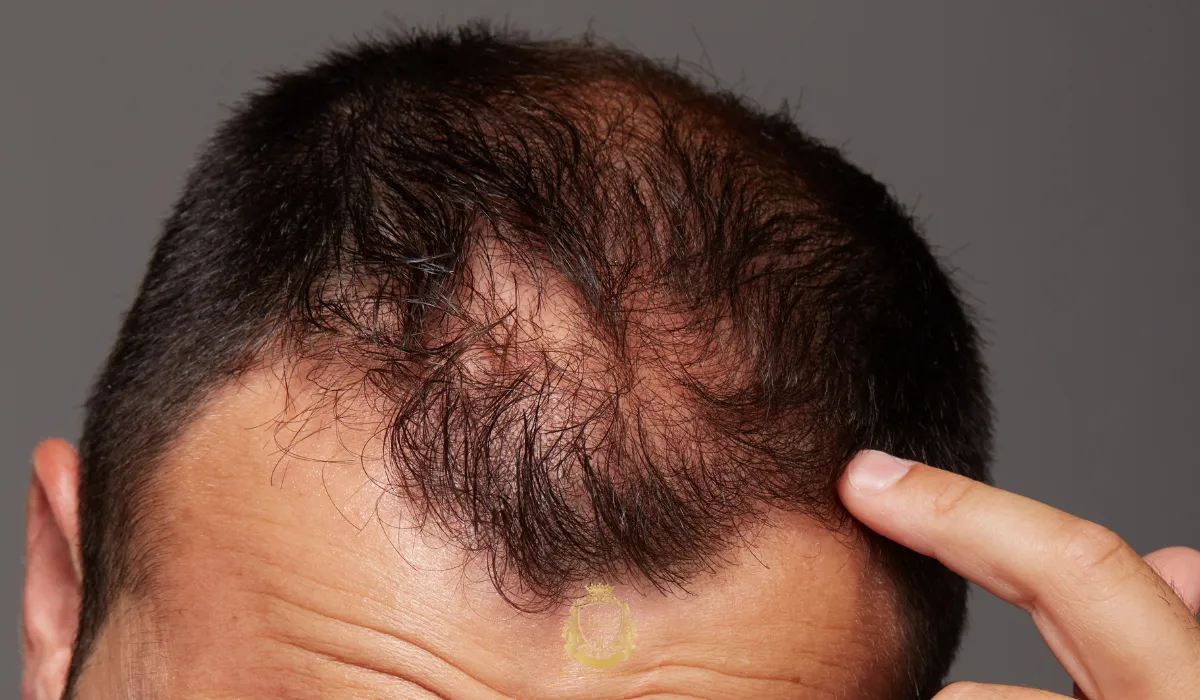
Androgenetic alopecia is the most common cause of progressive thinning in men and women. It is driven by genetics and sensitivity of follicles to androgens such as dihydrotestosterone (DHT), which gradually miniaturize hairs.
In men, it often begins with a receding hairline and thinning at the crown. In women, the hairline is usually preserved, while density decreases through the mid-scalp and part line.
Treatment may include topical minoxidil, prescription medications where appropriate, and hair transplantation for suitable candidates. A clinician can also check for overlapping issues like iron deficiency or thyroid disease when shedding seems out of proportion.
2) Alopecia Areata (Autoimmune Patchy Hair Loss)
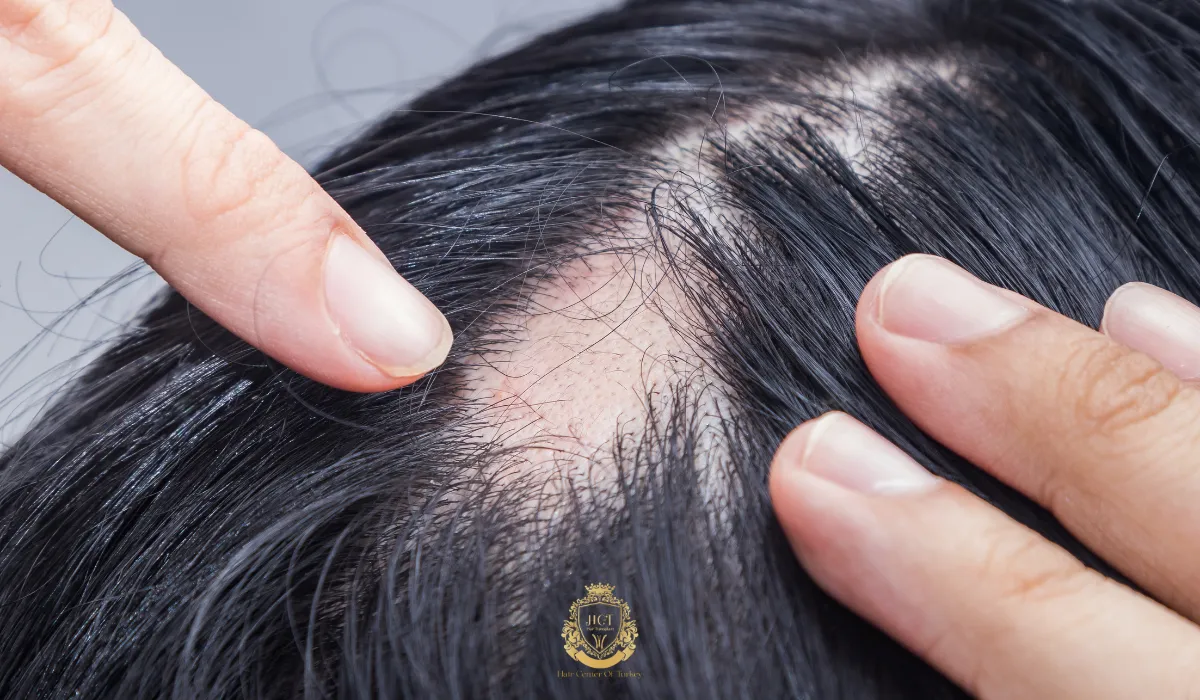
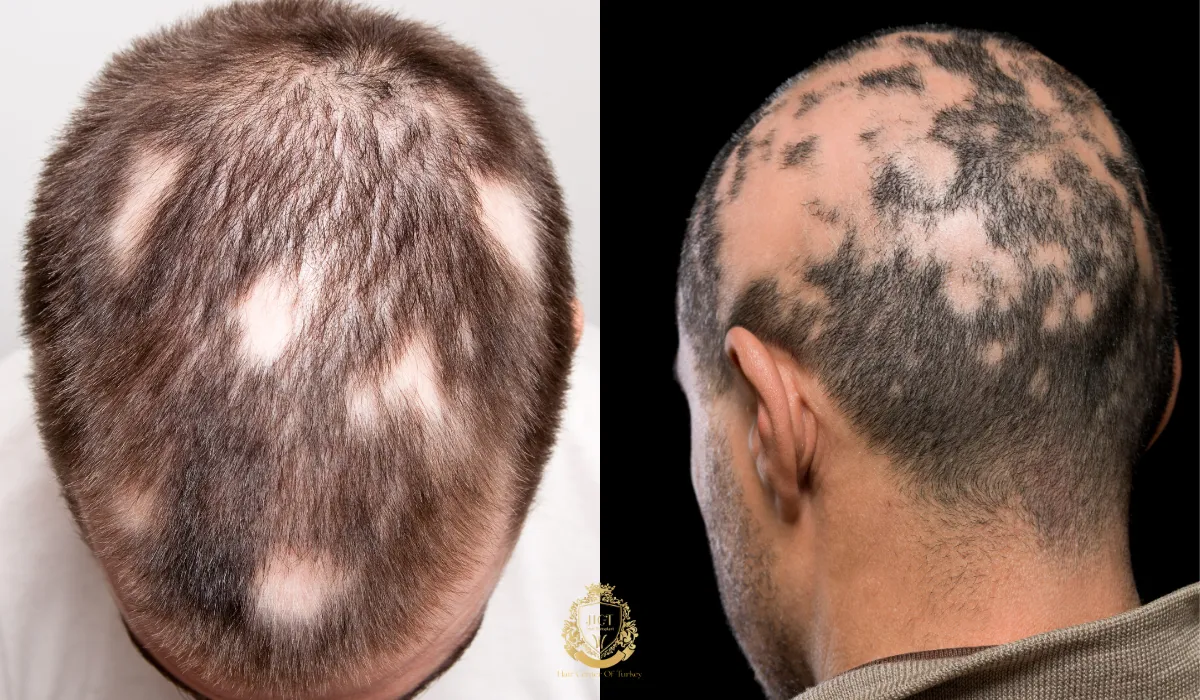
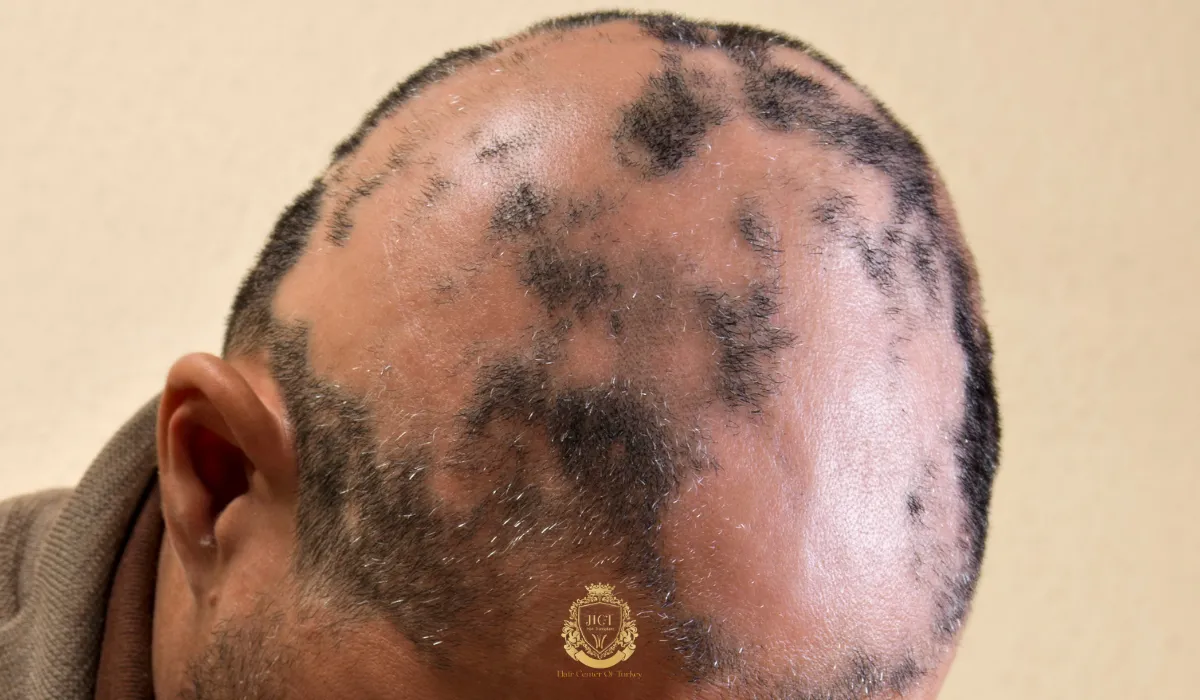
Alopecia areata happens when the immune system targets hair follicles, leading to sudden round or oval patches of hair loss. Some people develop more extensive forms such as alopecia totalis (entire scalp) or alopecia universalis (scalp and body).
The scalp skin often looks normal, without heavy scaling, although some people notice itching or tingling. Course is unpredictable: hair can regrow, relapse, or progress.
Dermatologists commonly use treatments such as topical or injected corticosteroids and other immune-directed therapies depending on severity. If you notice fast patchy loss, a prompt evaluation helps confirm the diagnosis and rule out infections that mimic it.
3) Telogen Effluvium (Diffuse Shedding)
Telogen effluvium is a common, usually temporary shedding problem. It occurs when more hairs than usual shift into the resting phase after a trigger such as illness, surgery, rapid weight loss, childbirth, severe stress, or certain medications.
Shedding often starts 2–3 months after the trigger and can look dramatic in the shower or brush. The scalp typically does not show bald patches; it looks evenly thinner.
Regrowth is expected once the trigger is resolved, but recovery takes time because hair cycles are slow. If shedding lasts longer than about six months, or you have symptoms like scalp pain or visible inflammation, a medical work-up is worth it.
4) Scarring (Cicatricial) Alopecia
Scarring alopecia refers to a group of inflammatory conditions that destroy hair follicles and replace them with scar tissue. Because follicles are damaged, hair may not grow back in affected areas.
Examples include lichen planopilaris, frontal fibrosing alopecia, discoid lupus, and folliculitis decalvans. Symptoms may include burning, itching, tenderness, scaling, pustules, or shiny areas with fewer follicle openings.
This is a “don’t wait” category: early treatment can slow or stop progression, even if it cannot restore already-scarred areas. A dermatologist may use trichoscopy and sometimes a scalp biopsy to guide targeted anti-inflammatory treatment.
5) Traction Alopecia (Hairstyle-Related Hair Loss)
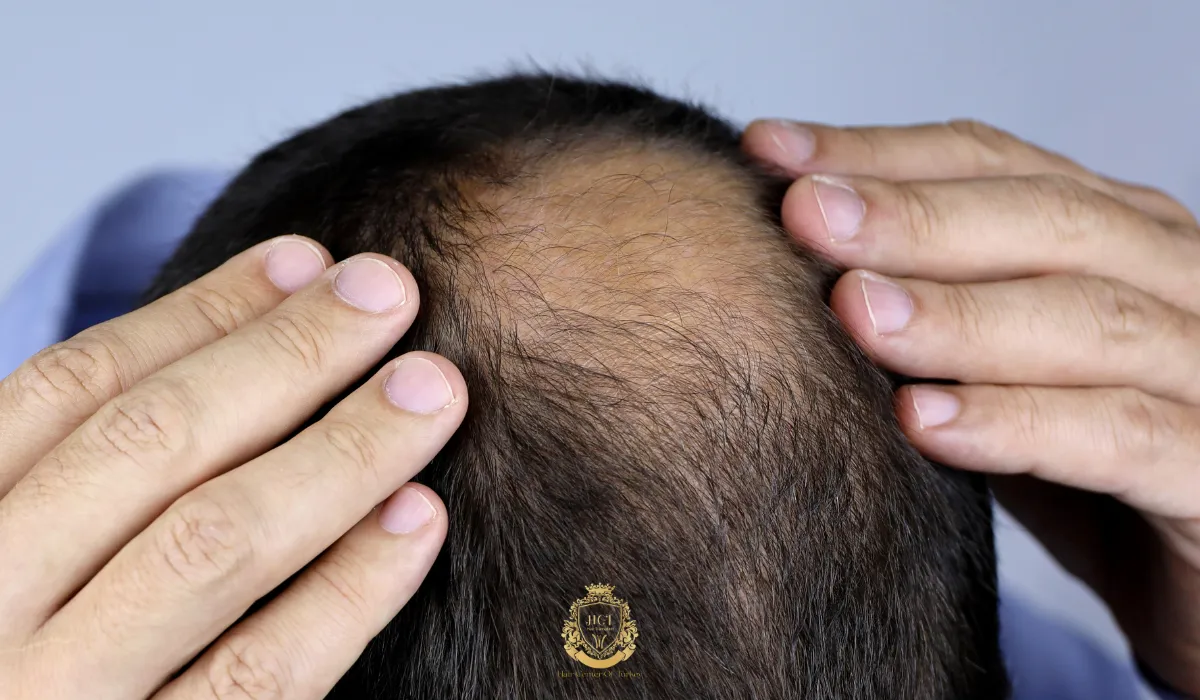
Traction alopecia is caused by repeated tension on the hair from tight hairstyles such as braids, ponytails, buns, extensions, and some headwear practices. It often shows up along the hairline and temples.
If caught early, reducing tension and changing styling habits can allow regrowth. When traction continues for years, follicles may become permanently damaged.
Prevention is practical: rotate hairstyles, keep braids and ponytails looser, limit heat and harsh chemicals, and stop styles that cause pain, bumps, or scalp soreness.
6) Trichotillomania (Hair-Pulling Disorder)
Trichotillomania is a condition where a person repeatedly pulls out their own hair, often during stress, boredom, or anxiety. Hair loss may look irregular with broken hairs of different lengths.
Because the cause is behavioral rather than follicle failure, treatment focuses on mental-health support. Habit-reversal therapy and cognitive-behavioral approaches are commonly used, sometimes alongside medication under professional guidance.
Other Common Causes That Can Look Like Baldness
Some scalp problems cause shedding or patchy loss and are easy to mistake for “baldness.” Fungal infections (tinea capitis), psoriasis, and seborrheic dermatitis can all lead to breakage and increased shedding.
If you have scaling, oozing, pustules, swollen lymph nodes, severe itch, or a child in the home with patchy loss, seek evaluation. Infections need specific treatment, and delaying care can worsen hair loss or spread the problem to others.
How Doctors Diagnose The Type Of Baldness
Diagnosis usually starts with a pattern check: where hair is thinning, how quickly it started, and whether there are symptoms like itch, pain, or scaling. A clinician may examine hairs and follicles with dermoscopy (trichoscopy).
Depending on your history, they may recommend blood tests for common contributors to shedding (for example iron status or thyroid function). When scarring alopecia is suspected, a scalp biopsy can be the fastest way to confirm the exact subtype and guide treatment.
Treatment Options Based On Type
There is no single “best” treatment for all baldness because the causes are different. The goal is to match treatment to the diagnosis, protect follicles, and improve density where regrowth is possible.
Common options include topical medicines (such as minoxidil for pattern hair loss), prescription therapies when appropriate, treating underlying triggers for telogen effluvium, changing styling habits for traction alopecia, and anti-inflammatory care for scarring conditions.
Hair transplantation can be effective for stable pattern hair loss with adequate donor hair. It is usually not appropriate for active scarring alopecia until the disease is well controlled.
When To See A Dermatologist
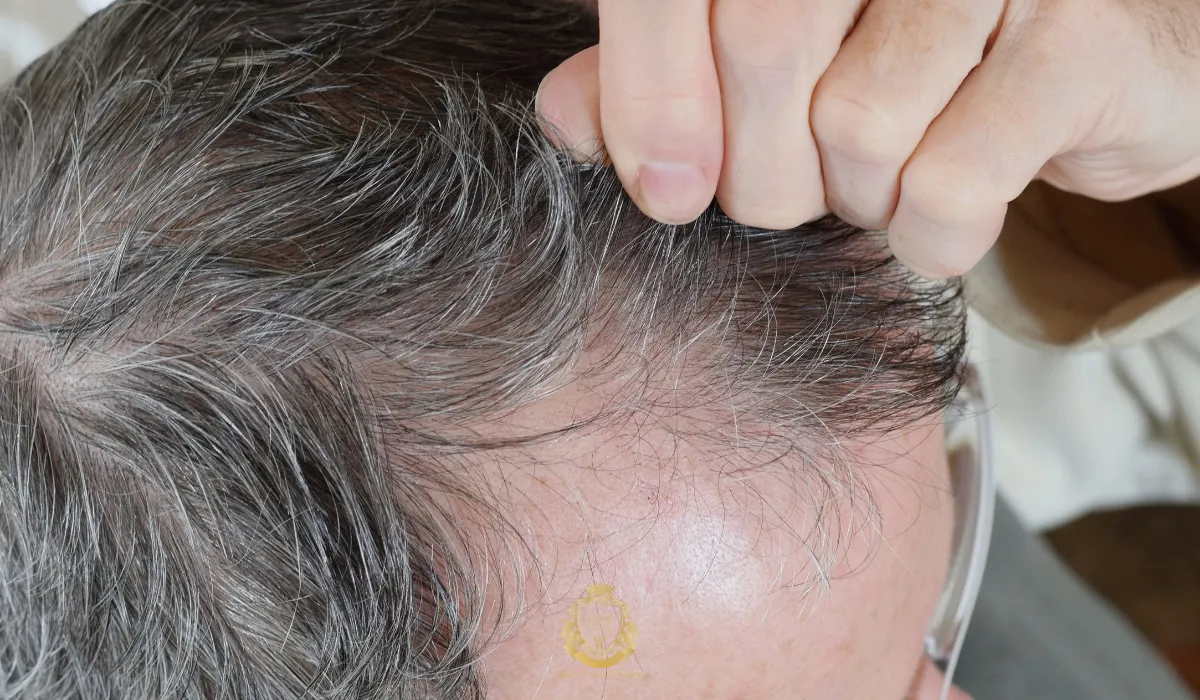
Book an assessment if you notice sudden patchy loss, scalp pain or burning, pus or crusting, rapid progression, or smooth shiny patches. These signs can point to autoimmune or scarring problems where early treatment protects remaining hair.
Also seek care if shedding lasts longer than six months, or if you have symptoms of anemia, thyroid disease, or nutritional deficiency. Getting the right diagnosis early prevents wasted time and unnecessary products.
Frequently Asked Questions
What is Stage 7 of balding?
Stage 7 is the most advanced Norwood stage: only a horseshoe fringe remains.
What are the different kinds of baldness?
Kinds include androgenetic alopecia, alopecia areata, telogen effluvium, traction, and scarring alopecias.
What are the big 3 for thinning hair?
The “Big 3” are minoxidil, finasteride, and ketoconazole shampoo (off-label for some).
How do I determine which type of hair loss I have?
Get a dermatologist evaluation: history, scalp exam, pull test, and labs if needed.
Does high DHT mean high testosterone?
Not necessarily; DHT can be high even with normal testosterone, via 5-alpha-reductase.