





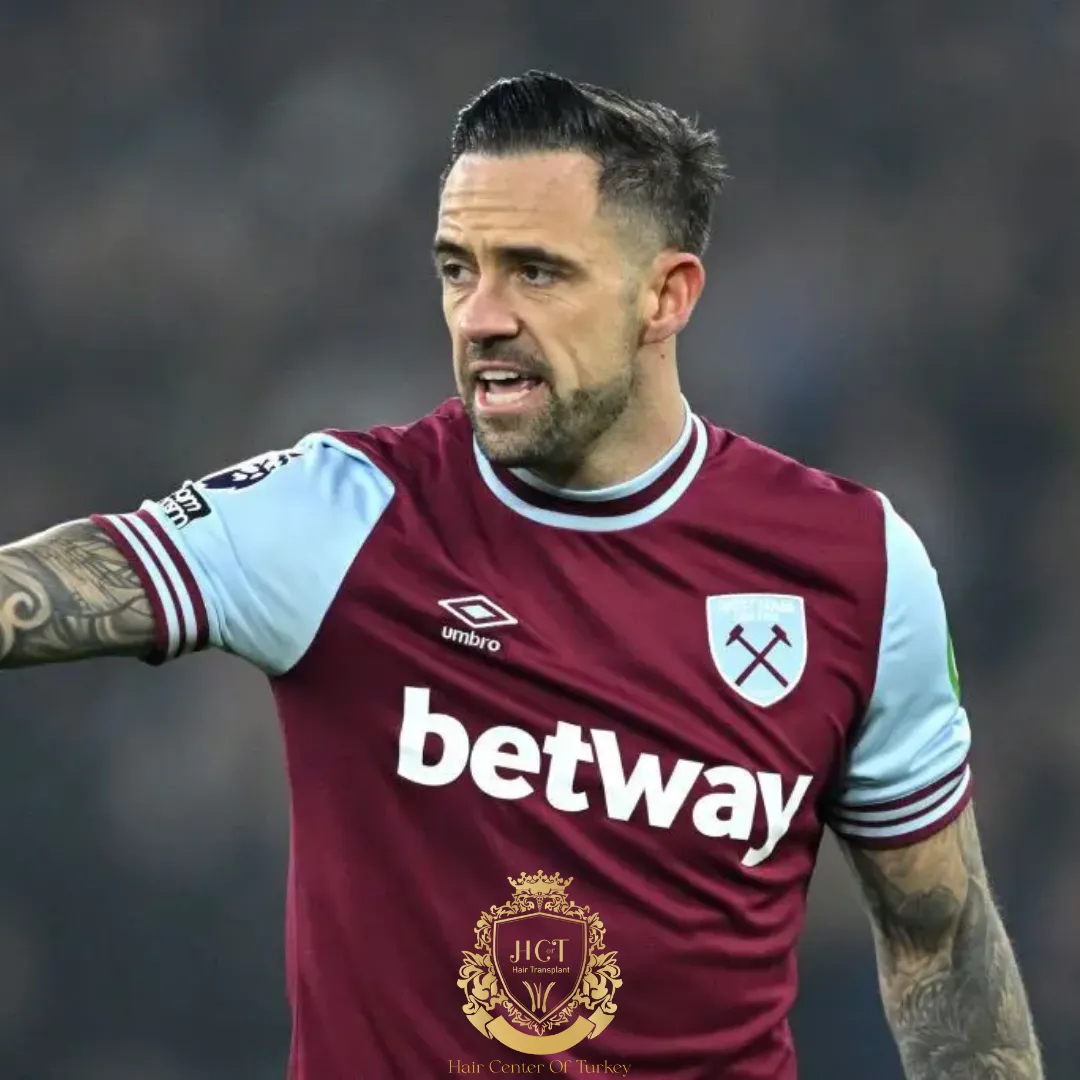
Did Danny Ings Have a Hair Transplant?
There’s no verified public confirmation that Danny Ings has had a hair transplant. Fans point to a sharper hairline and thicker-looking front hair in newer photos, which can resemble transplant results. Hair styling, lighting, medical treatments, and natural changes can also affect how dense hair appears.
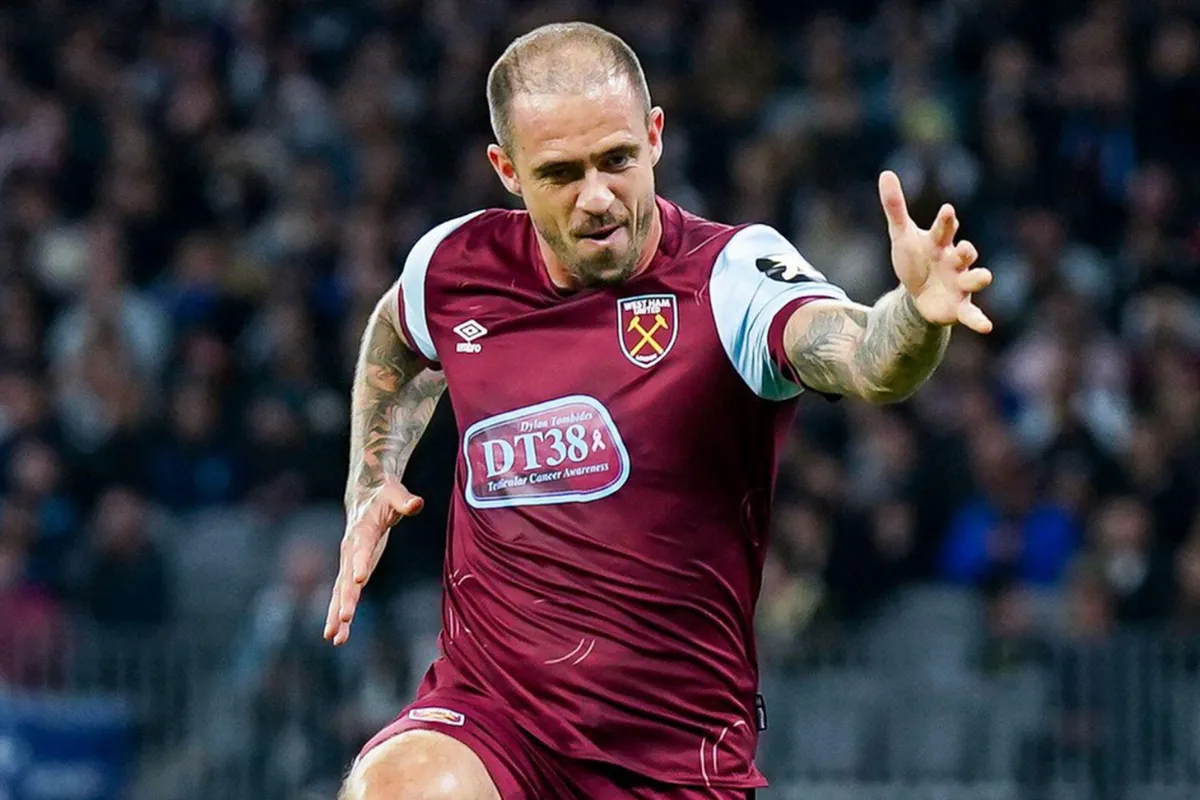
Table of Contents
Why people think Danny Ings had a hair transplant
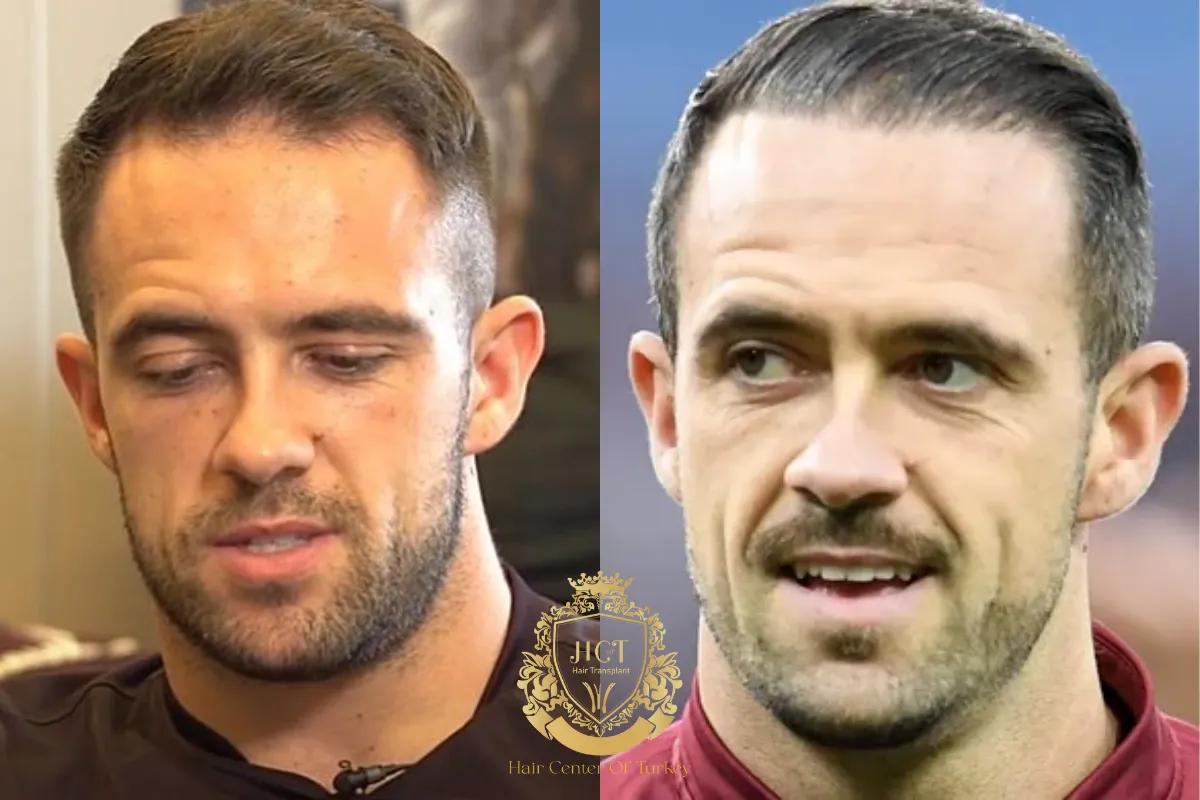
The conversation around Danny Ings’ hair usually comes down to one thing: his hairline looks more defined than it did earlier in his career. When side-by-side photos circulate online, the front line appears straighter and more even, with less visible recession at the temples.
That kind of change often makes people think of modern hair restoration, because the results can look subtle and “natural” when done well. Still, photos alone can’t confirm a procedure, and angle, haircut, and grooming can dramatically change what the camera captures.
Photo comparisons and hairline shape
Most rumors are based on older match-day photos compared with more recent appearances in interviews or social posts. A sharper outline at the front, especially if it stays consistent across different haircuts, is one of the most common reasons people suspect a transplant.
At the same time, camera lenses, harsh stadium lighting, and wet hair can exaggerate thinning. A dry, styled look under softer light can make the exact same hairline appear fuller.
A noticeable boost in density
People also point to density at the hairline and mid-scalp. When hair looks thicker in that area, it can resemble the “filled-in” effect seen after an FUE or DHI transplant once growth has matured.
Density changes can also come from non-surgical factors, including a new haircut, longer fringe, or products that add volume. Even minor changes in hair direction and blow-drying can create the impression of more coverage.
Has Danny Ings confirmed a hair transplant?
As of now, Danny Ings hasn’t made a public statement confirming a hair transplant. Without a direct comment from him or an official source, anything beyond observation remains speculation.
That’s common with public figures. Some players speak openly about hair restoration, while others keep it private, and there’s nothing unusual about either choice.
Other explanations for a fuller-looking hairline
Not every improvement in appearance points to surgery. Hair can look healthier and thicker when shedding slows down, when it’s cut and styled differently, or when a player changes their grooming routine.
Medical and non-surgical options
Many men use evidence-based treatments for male pattern hair loss, such as topical minoxidil and prescription medication discussed with a clinician. These can improve coverage over time, especially if started early, though results vary from person to person.
There are also non-surgical cosmetic options like hair fibres, thickening sprays, and scalp micropigmentation. In photos and on TV, these can be surprisingly effective at reducing the look of thinning.
Styling, lighting, and “TV hair”
Hair can look dramatically different depending on how it’s prepared for a broadcast or a public appearance. A professional cut, matte styling products, and controlled lighting can make a thinner hairline appear far denser than it would in a candid photo.
Sweat, rain, and gel can do the opposite by clumping hair together and revealing the scalp. That’s one reason match-day images can be misleading when used as “proof.”
Hair transplants in professional football
Hair transplants have become more common in football because today’s techniques are discreet and recovery can be managed around a player’s schedule. Procedures are typically done under local anaesthetic, and the donor area is designed to heal with minimal visible change.
The two methods most often mentioned in modern clinics are FUE and DHI. Both move follicles from a donor area (usually the back of the scalp) to areas affected by thinning.
FUE vs DHI in plain English
FUE extracts follicular units one by one and places them into tiny recipient sites. DHI uses a pen-like implanter to place grafts directly, which can give surgeons tight control over angle and direction.
Neither technique is automatically “better” for everyone. The right choice depends on the pattern of loss, the quality of the donor hair, the desired density, and the experience of the medical team.
If you’re considering a hair transplant yourself
Celebrity rumors can be interesting, but they’re not a great roadmap for your own decision. What matters is whether you’re a suitable candidate and whether the plan is realistic for your hair type and long-term hair loss pattern.
A proper consultation should cover donor capacity, expected density, a natural hairline design, and what maintenance might look like over the years. Choosing an experienced clinic and following aftercare closely has a bigger impact on results than chasing a particular technique.
Frequently Asked Questions
Is 1 graft equal to 1 hair?
No; a graft contains 1–4 hairs.
How many hairs are in one graft?
One graft contains 1–4 hairs, averaging about two.
What is the most suitable age for a hair transplant?
Around 30–40 is suitable once hair loss stabilizes.
Is there an age limit for a hair transplant procedure?
Wait until at least 25; there’s no strict upper age limit.
Is hair transplant painful?
Minimal pain occurs because local anaesthetic is used.
How long does it take to see results after a hair transplant?
New growth starts around 3–4 months; full results appear by 9–12 months.
How many grafts do I need for a hair transplant?
Mild loss needs about 1,000–2,000 grafts; extensive loss may need 4,000+.
Are hair transplants permanent?
Transplanted hair is long-lasting, but untreated hair can keep thinning.