





David Silva Hair Transplant
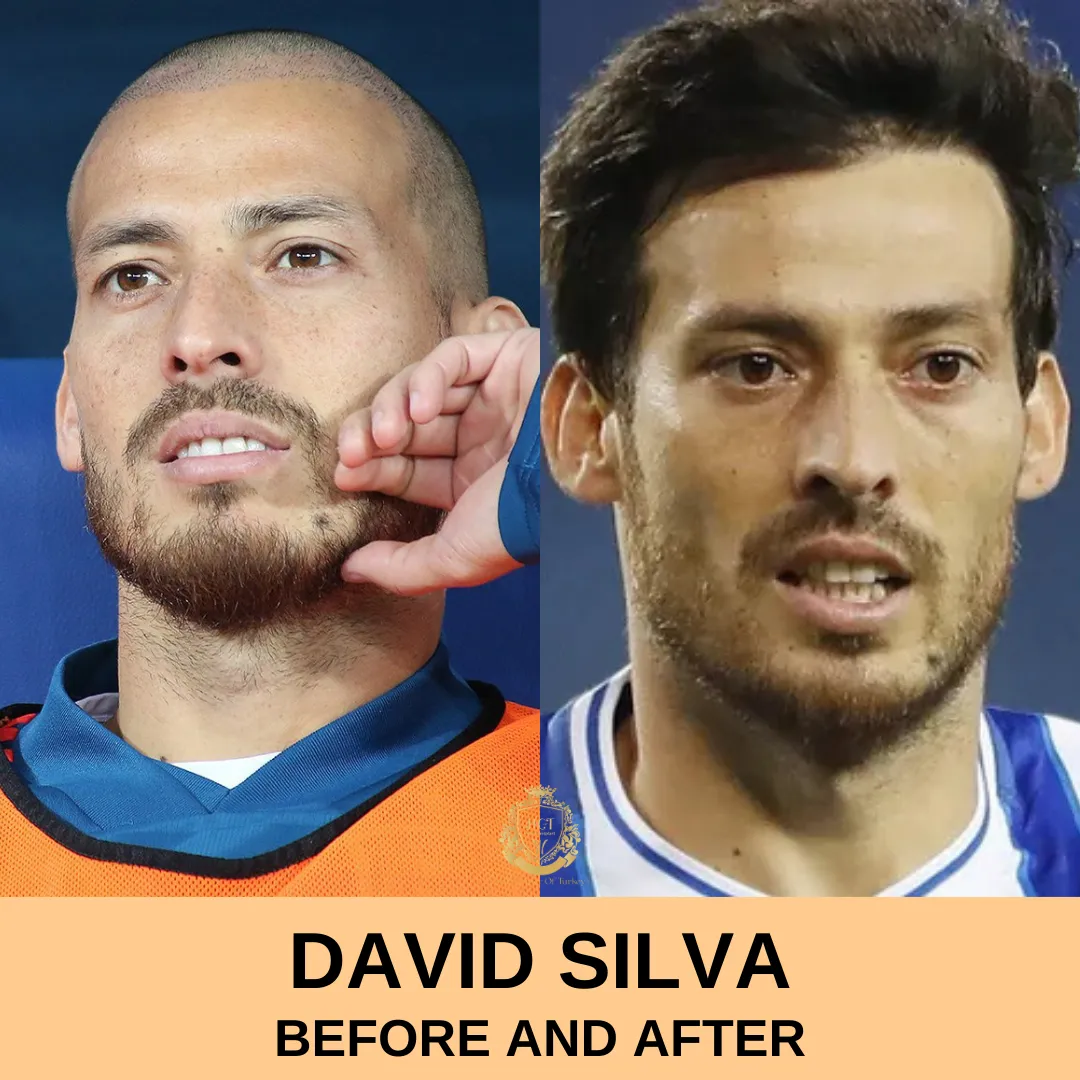
David Silva has never publicly confirmed a hair transplant, but a clear shift from a shaved look to a fuller, more defined hairline suggests professional restoration around 2017–2018. Based on typical patterns and scarring, specialists most often point to an FUE procedure, likely using roughly 2,000–2,500 grafts.
Table of Contents
Who Is David Silva?
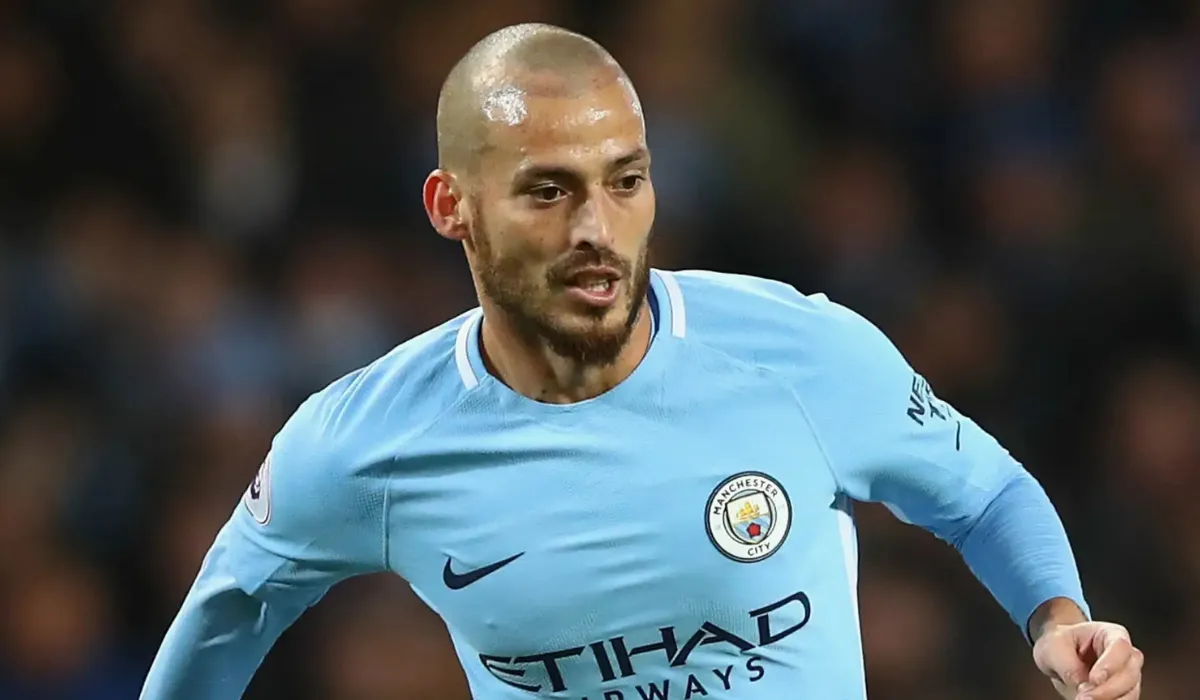
David Silva is a Spanish footballer best known for his years as a creative midfielder at Manchester City and for Spain’s golden era on the international stage. He earned a reputation for close control, quick decision-making, and calm leadership in big matches.
Best Moments Of David Silva
A few highlights from Silva’s career stand out for fans and analysts alike:
- Winning the 2010 FIFA World Cup with Spain.
- Helping Manchester City win four Premier League titles during a dominant period.
- Being named Manchester City Player of the Year for the 2011–2012 season.
Did David Silva Get A Hair Transplant?
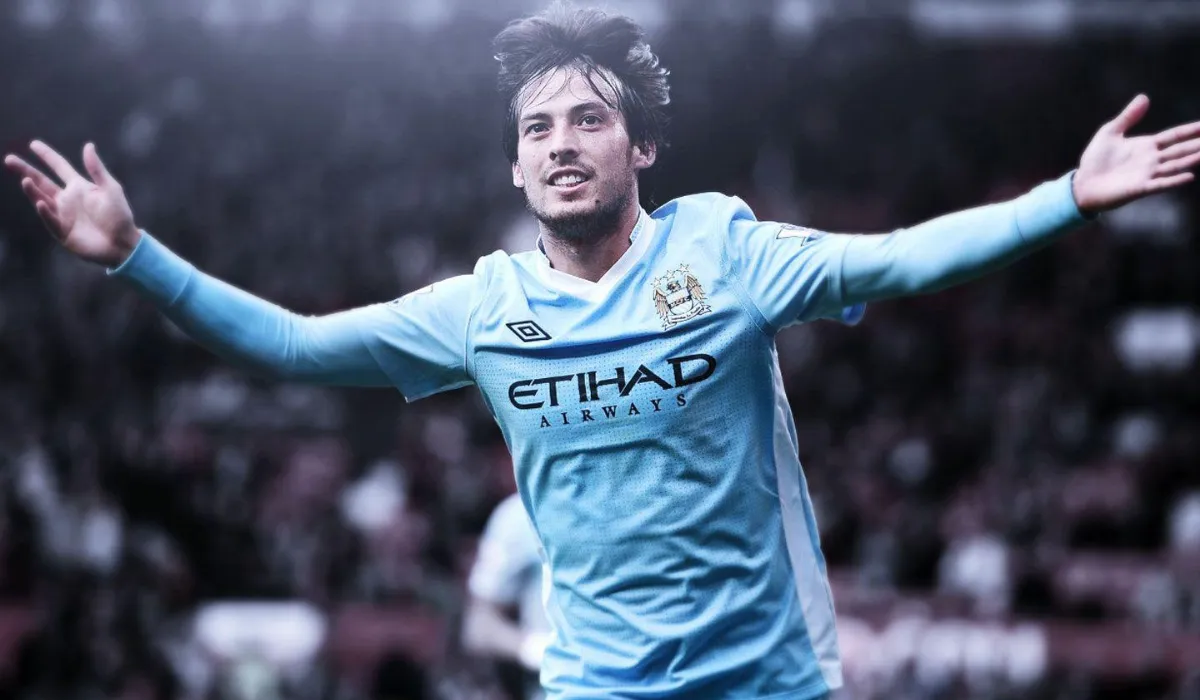
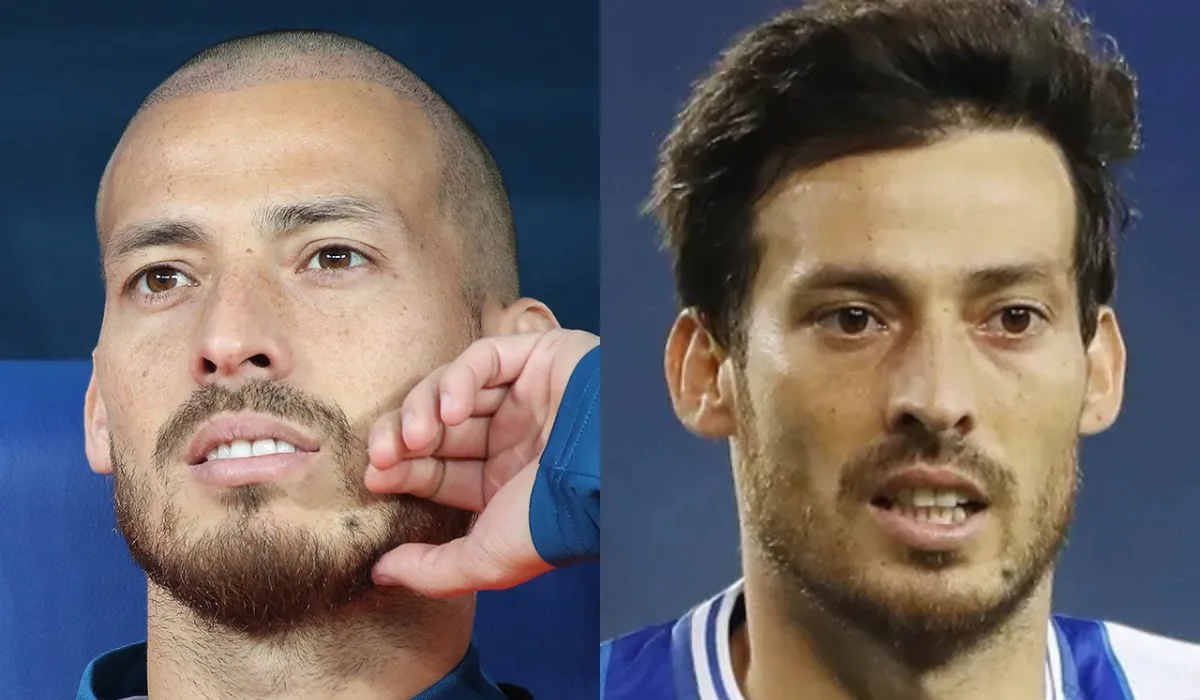
Silva hasn’t publicly confirmed a procedure. Still, many observers believe he had hair restoration because his hairline and overall density look noticeably different across photo timelines, especially after a period where he wore his hair extremely short or shaved.
Why Would A Footballer Choose A Hair Transplant?
High-definition broadcasts, constant photography, and public scrutiny make hair loss feel more visible for athletes. For some, restoring the hairline can be a straightforward confidence boost, especially when the result is natural and low-maintenance.
David Silva Hair Loss
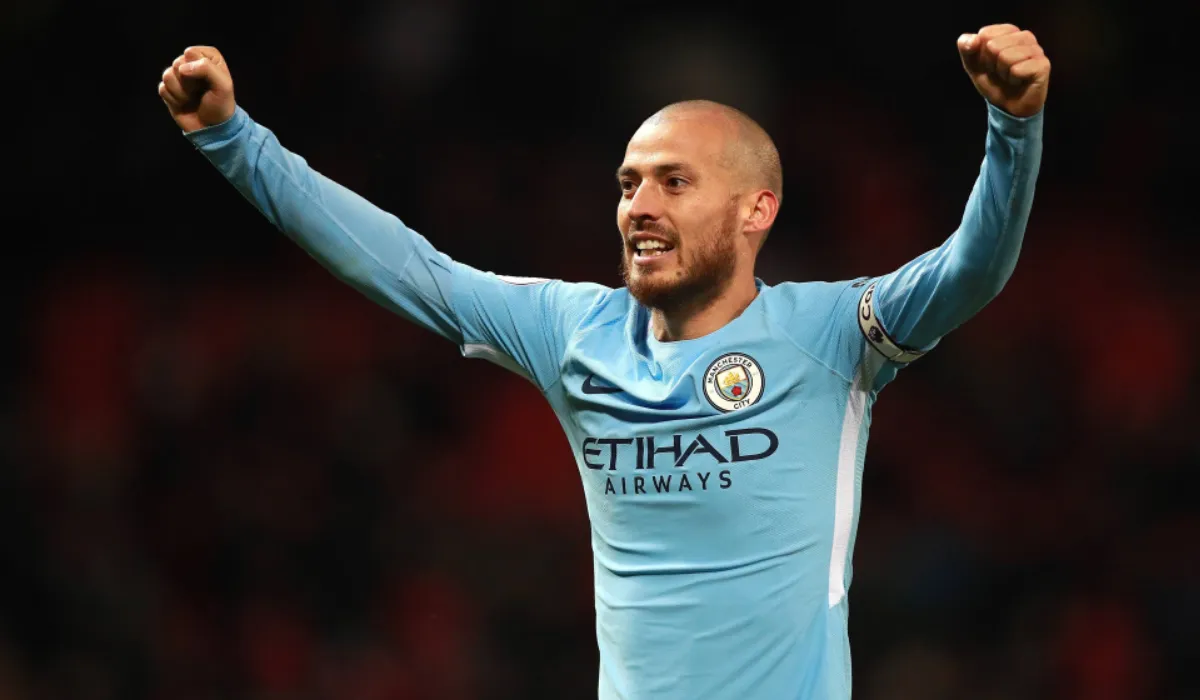
Earlier images show a receding hairline and thinning at the temples, a pattern commonly linked to male pattern hair loss. This type of loss often progresses gradually, which is why many people choose to act once styling no longer masks the changes.
David Silva Before Hair Transplant
Before the suspected procedure, his temples looked higher and the front hairline appeared less defined. In certain angles under bright stadium lights, the scalp could look more visible through the hair.
David Silva After Hair Transplant
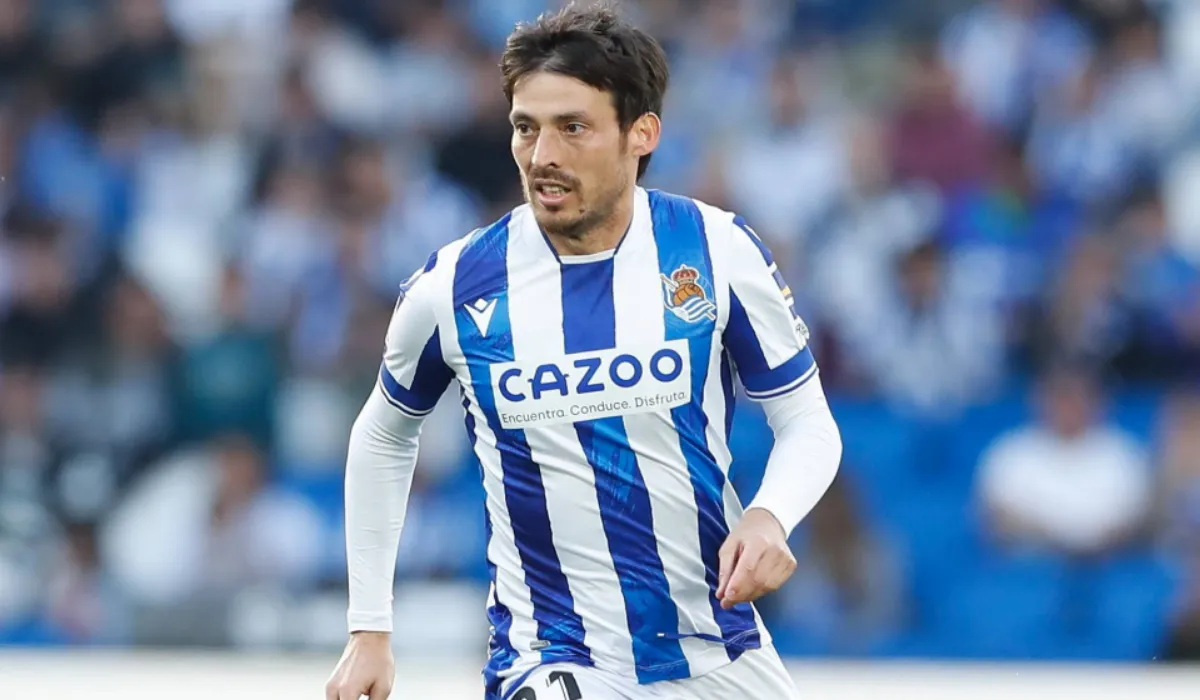
In later appearances, his hairline looks more even, with improved density through the frontal zone. The overall effect is subtle rather than dramatic, which is usually the goal for a natural-looking restoration.
Which Hair Transplant Technique Was Likely Used?
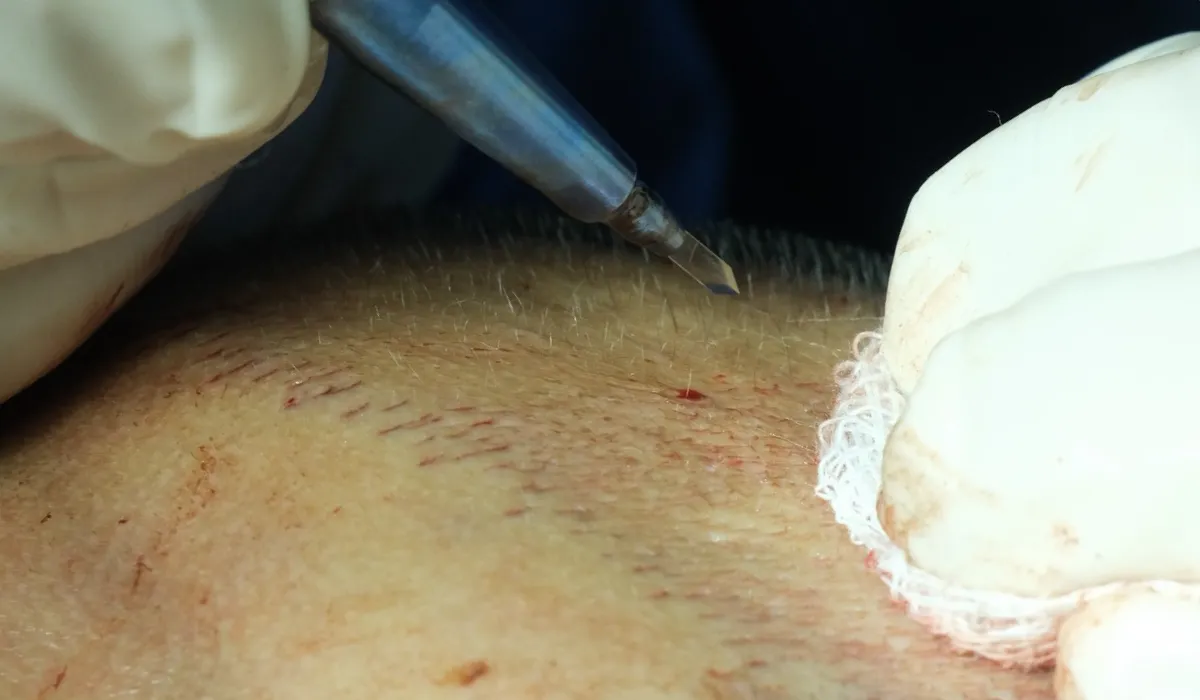
Most commentary points to FUE (Follicular Unit Extraction), where follicles are taken individually from a donor area and placed into thinning zones. FUE is popular with public figures because it typically leaves very small, dot-like scars and allows hair to be worn short once healed.
FUE Vs. FUT In Simple Terms
FUT (strip surgery) removes a thin strip of scalp and can leave a single linear scar, while FUE extracts grafts one by one. Both can work well in the right hands, but FUE tends to fit people who prefer shorter hairstyles and a less noticeable donor area.
How Many Grafts Were Implanted In David Silva?
No clinic has published an official number, so any figure is an estimate. Based on the size of the frontal and temple work that appears to have been done, a reasonable range is around 2,000–2,500 grafts, depending on hair calibre, curl, and the intended density.
Typical FUE Recovery Timeline
After an FUE transplant, small scabs usually form and fall away within the first couple of weeks. Transplanted hairs commonly shed in the first month or two, then regrow gradually, with meaningful change often visible by months 6–9 and final maturation closer to 12 months.
How To Get A Natural Result Like This
- Choose a surgeon who shows consistent, unedited before-and-after cases with similar hair type and loss pattern.
- Ask for a conservative, age-appropriate hairline design rather than an aggressively low line.
- Make sure the plan protects the donor area and accounts for future hair loss.
- Follow aftercare closely and discuss long-term maintenance options with a qualified clinician.
FAQs
What is the cost of David Silva’s hair transplant?
The cost is unknown as David Silva has not confirmed the hair transplant; it is estimated to be around £6,500 for 2,000–2,500 grafts.
What happened to David Silva’s hair?
His hairline receded significantly; he shaved it in 2017 and appeared fuller in subsequent seasons.
How many hair transplant surgeries has David Silva had?
There is no publicly confirmed number of hair transplants; it is generally assumed to be one procedure.
Who are the most famous celebrities who have had hair transplants?
Wayne Rooney, Jimmy Carr, Ben Stokes, James Nesbitt, Joe Swash, Elton John.
How many grafts were transplanted for David Silva?
The official number of grafts has not been disclosed; estimates generally range between 2,000 and 2,500 grafts.