

Crown Hair Transplant: What It Is And Why It Matters
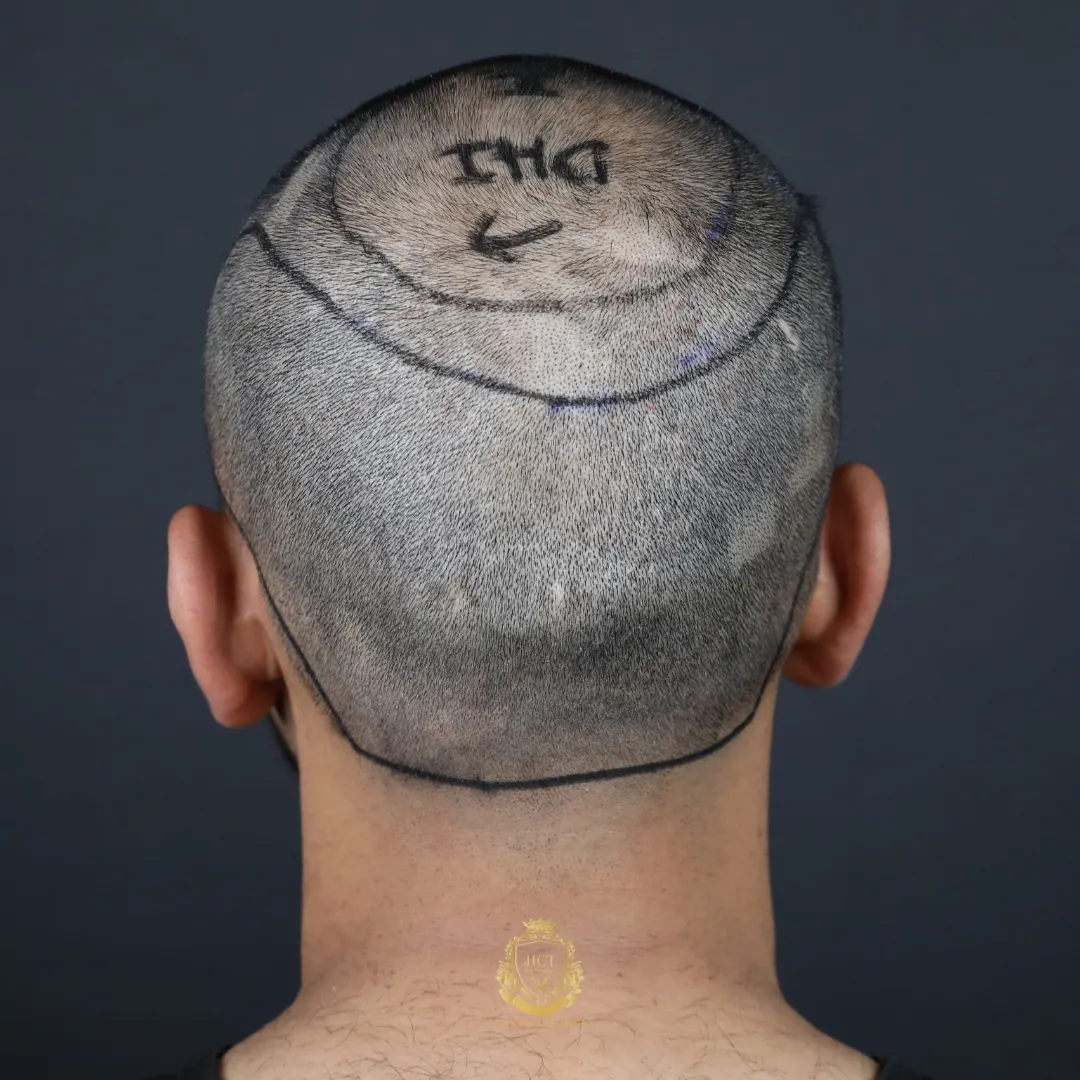
A crown hair transplant restores thinning or bald hair at the top-back of the scalp (the crown/vertex). Because hair in this area grows in a natural swirl pattern, planning the direction, angles, and density takes extra precision. With the right design and technique, the crown can look fuller while still blending naturally with the rest of your hair.
Table of Contents
What Is The Crown Area?
The crown (also called the vertex) sits at the top and back of your head. It’s a common place for androgenetic hair loss to show up early, and it can expand over time.
Crown work is different from the hairline because the growth pattern is circular and changes direction quickly. That’s why careful placement matters as much as graft numbers.
Why A Crown Hair Transplant Can Make A Visible Difference
The crown is highly noticeable from above and in bright lighting. For many people, crown thinning affects how “dense” the hair looks overall, even if the hairline is still strong.
Restoring the crown can improve balance across the scalp, especially when crown loss creates contrast with thicker sides and back.
How A Crown Hair Transplant Works
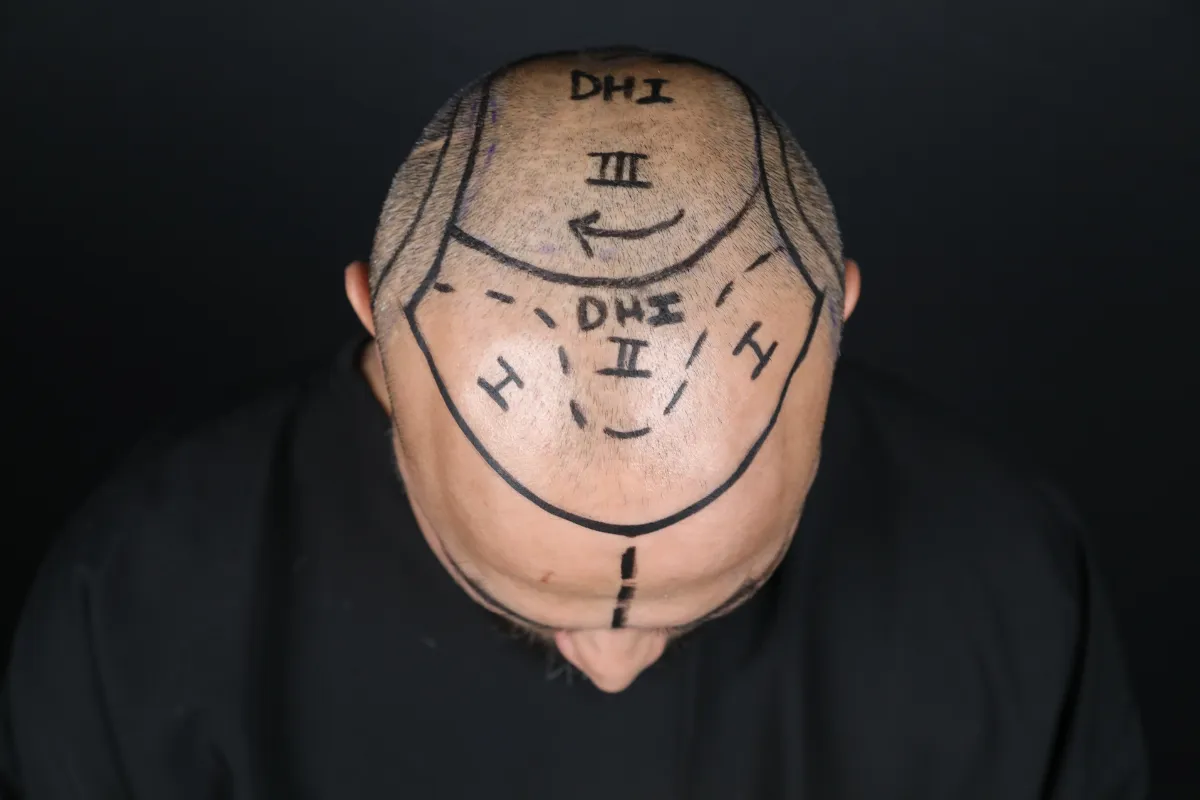
A crown transplant moves healthy follicles from a donor area (usually the back or sides of the scalp) into the thinning crown. The goal is to rebuild coverage while respecting the natural swirl pattern.
Planning typically focuses on:
- Swirl direction and angle so hair doesn’t look “planted”
- Density strategy so the crown looks fuller without overusing grafts
- Natural blending with existing hair around the crown
Crown Hair Transplant Techniques Used At Hair Center Of Turkey
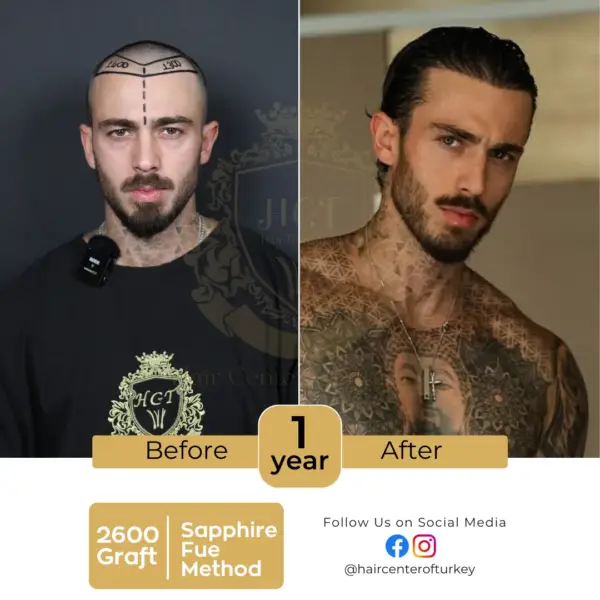
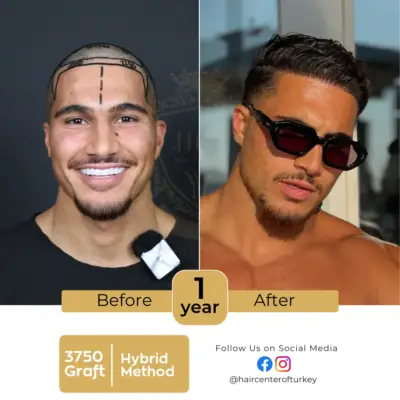
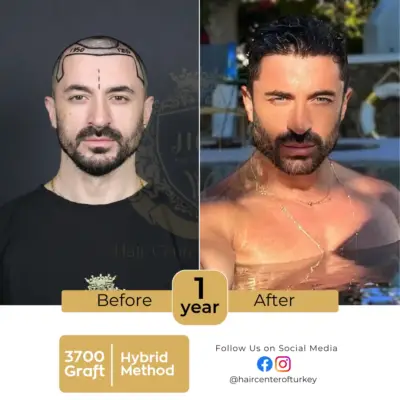
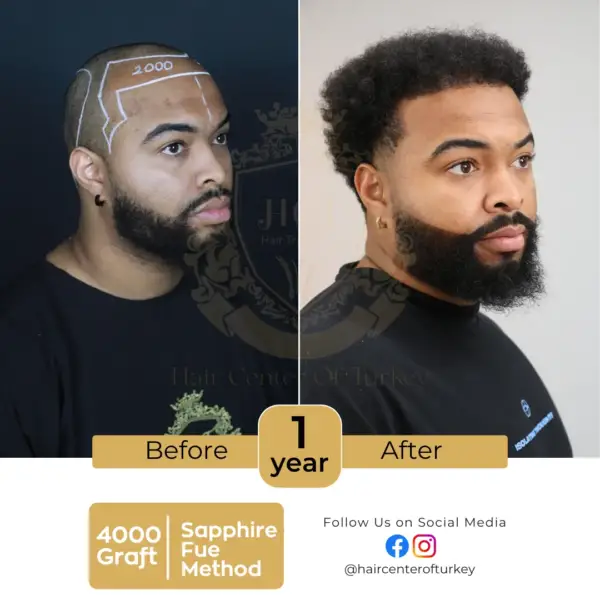
Hair Center of Turkey typically uses two modern methods for crown restoration. The right option depends on your hair type, the amount of thinning, donor capacity, and the look you want.
Sapphire FUE (Follicular Unit Extraction)
With Sapphire FUE, follicles are extracted individually from the donor area and transplanted into the crown. Sapphire blades can help create precise recipient sites, supporting natural-looking direction and spacing.
This technique is commonly chosen by people who want a minimally invasive approach and a straightforward recovery.
DHI (Direct Hair Implantation)
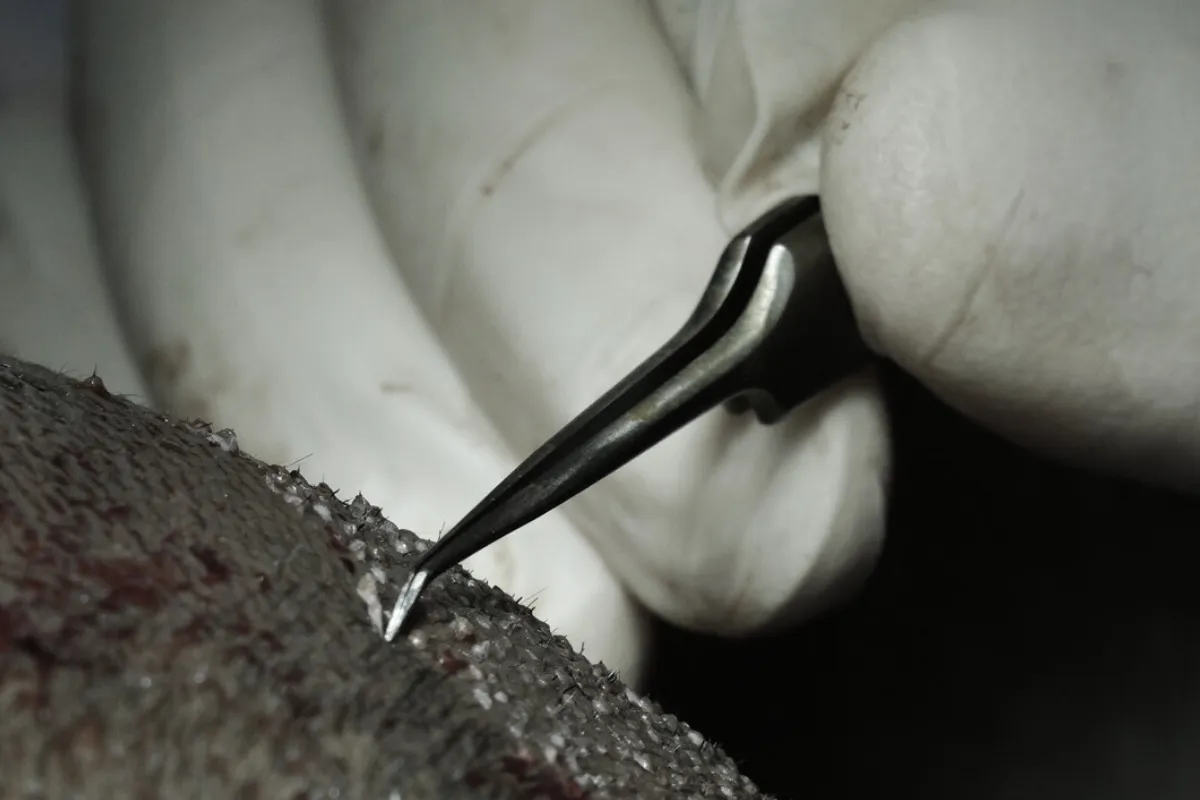
DHI uses an implanter pen to place follicles directly into the crown. Because implantation and channel creation happen together, DHI can support controlled placement and may be useful when working around existing hair.
It’s often selected for cases where placement precision is a priority, especially in areas with ongoing thinning.
What To Expect On The Day Of Your Procedure
Most crown transplants follow a predictable flow:
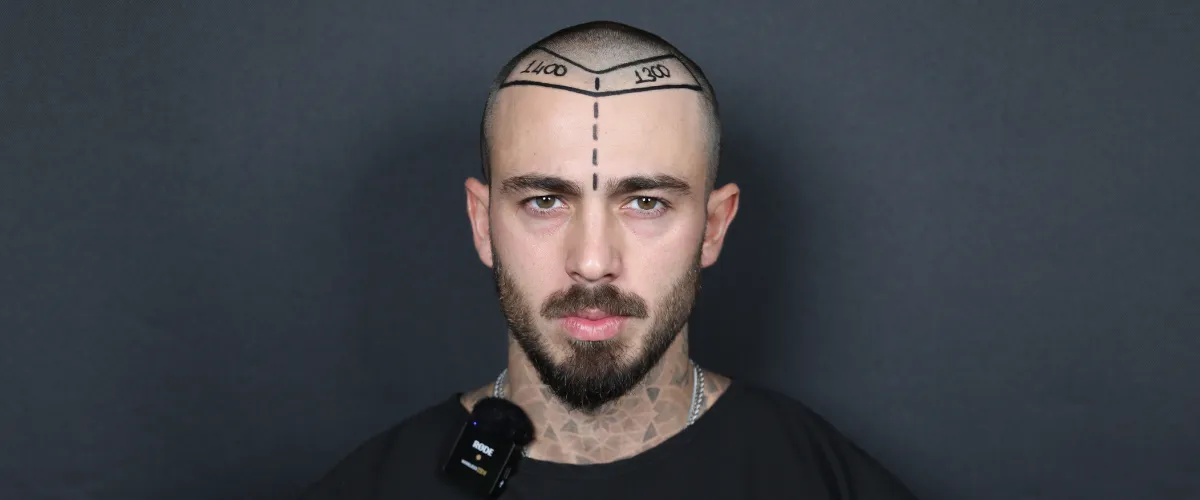
1. Final Consultation And Crown Design
Your team confirms the plan, including the swirl pattern and target density.
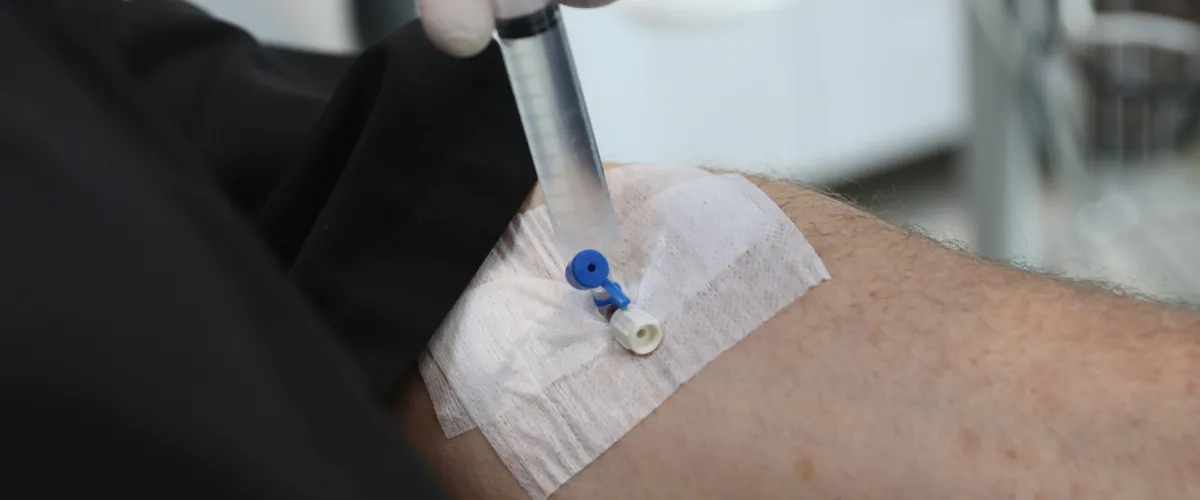
2. Local Anesthesia
The donor and recipient areas are numbed for comfort.
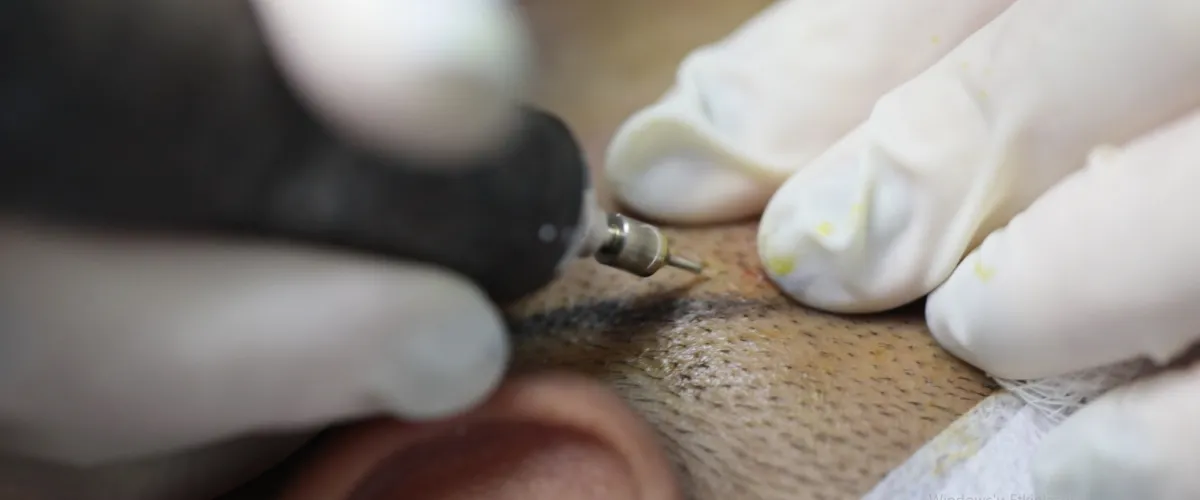
3. Follicle Extraction
Follicles are taken from the donor area based on the selected technique.
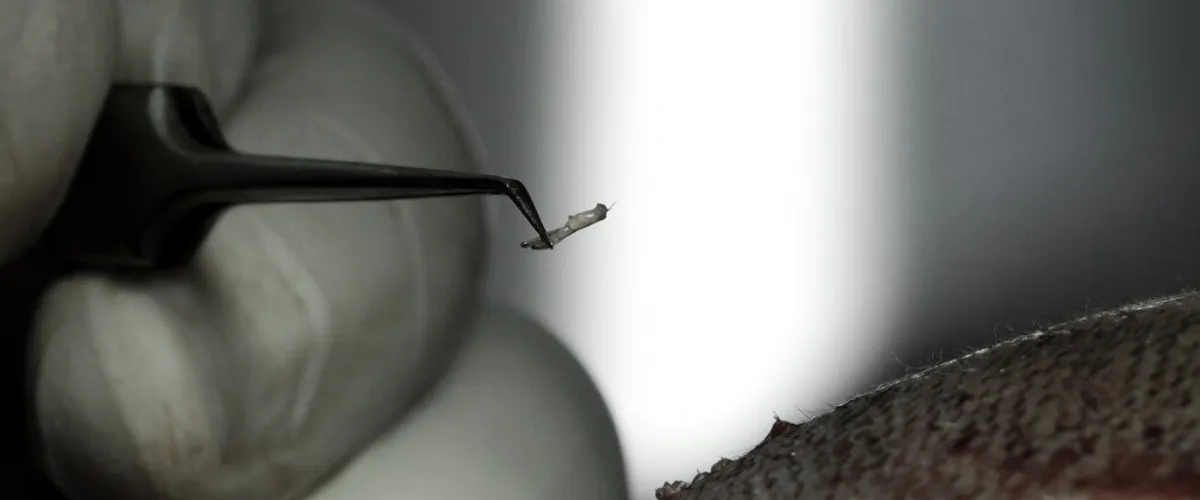
4. Implantation Into The Crown
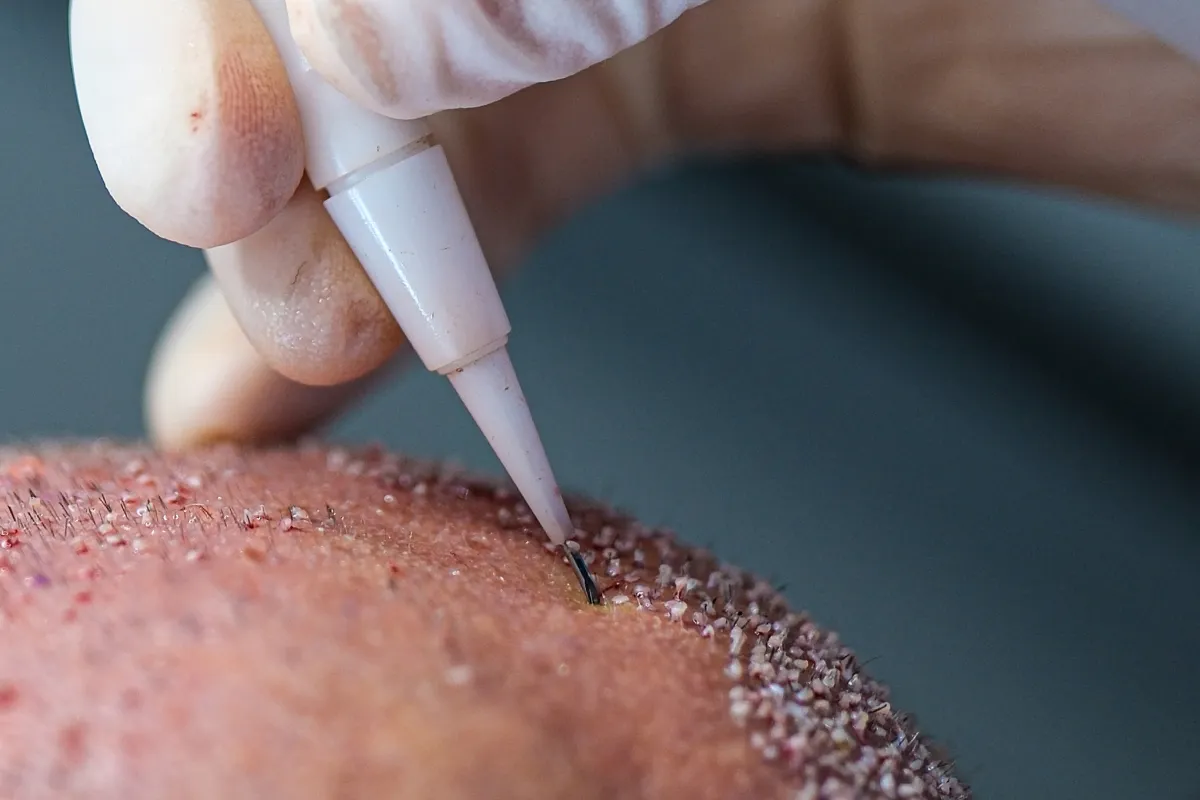
Grafts are placed carefully at the right angle and direction to match the natural crown pattern.
5. Aftercare Instructions
You receive a clear routine for washing, sleeping position, and activity limits.
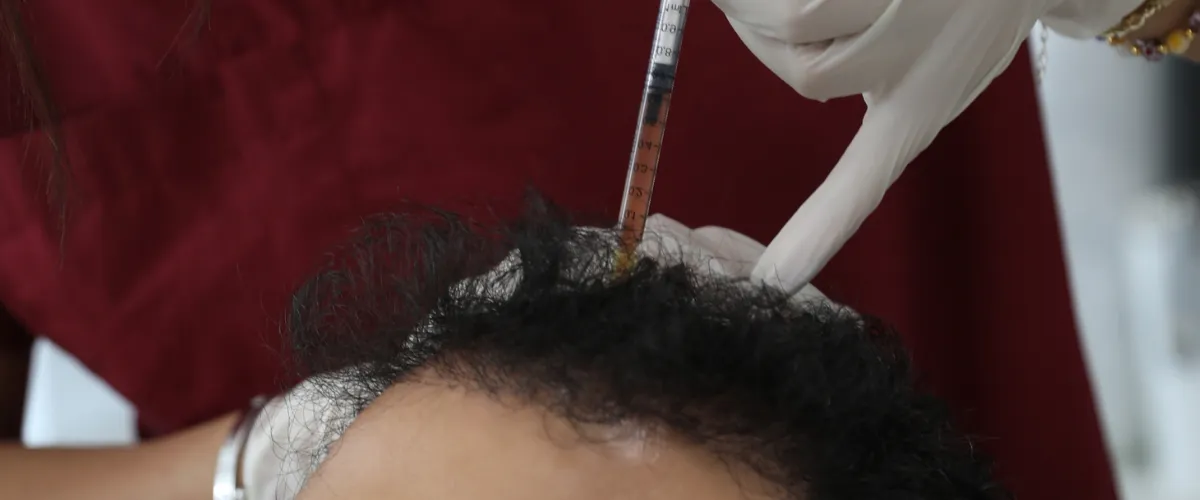
Procedure time is often 6–8 hours, depending on the graft count and crown complexity.
Crown Hair Transplant Recovery Timeline
Most people recover smoothly when they follow aftercare instructions.
- Days 1–3: Mild swelling, redness, and sensitivity are common.
- Days 4–7: Small scabs form around grafts. Avoid scratching or rubbing.
- Week 2: Visible redness and scabbing usually fade for many patients.
- Weeks 3–8: “Shock shedding” can happen. This is expected and temporary.
- Months 3–6: New growth becomes more noticeable.
- Months 7–12: Density and texture continue improving as hair thickens.
When You’ll See Full Results
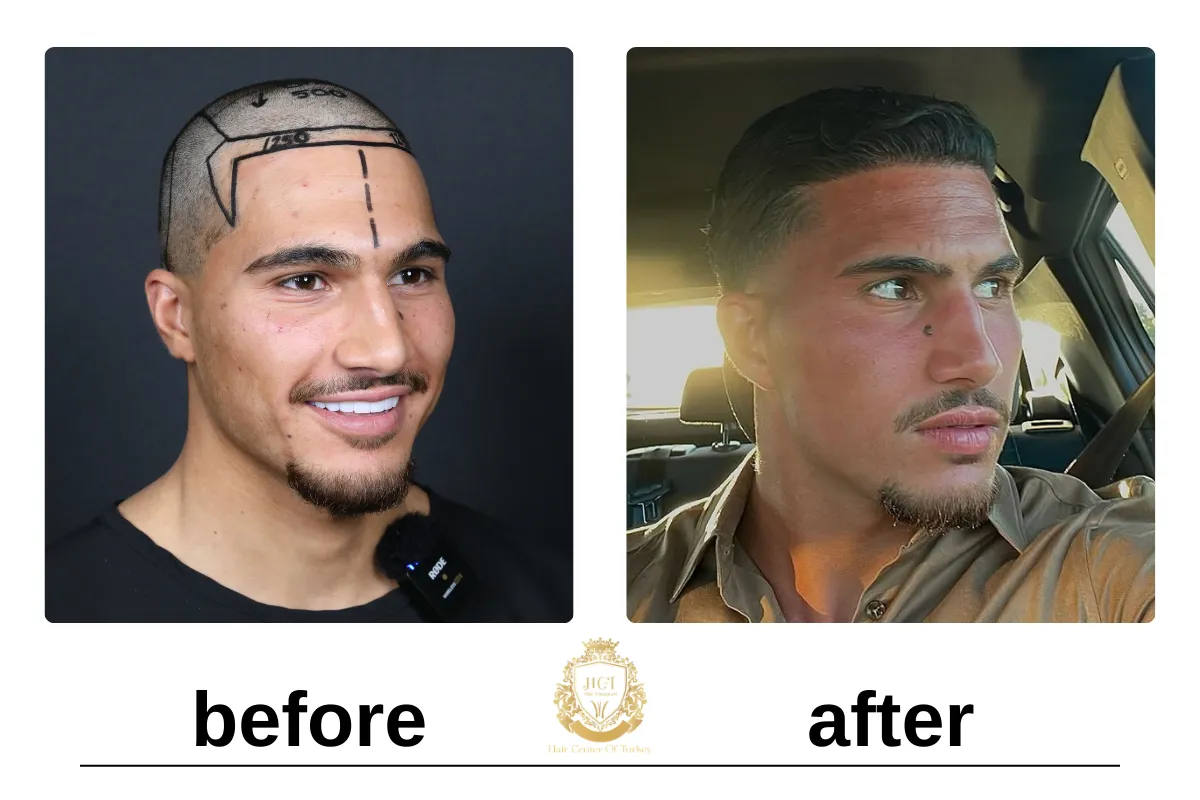
Crown results usually take 6–12 months to mature. The crown can appear slower than the hairline because the area is wider and the swirl pattern affects how density is perceived.
Early growth may look finer at first. Over time, it typically becomes stronger and blends more naturally.
Tips To Help Maintain Your Results
- Use gentle hair care and avoid aggressive scratching during healing.
- Limit heat and harsh chemicals until your clinic says it’s safe.
- Support hair health with good sleep, hydration, and balanced nutrition.
- Protect against ongoing loss by discussing maintenance options during follow-ups, especially if you have progressive thinning.
FAQ
Is it worth getting a crown hair transplant?
Yes, crown hair transplants improve density in suitable candidates.
How long does a crown hair transplant last?
Crown hair transplants are permanent if donor hair remains stable.
How much does a crown hair transplant cost?
Crown transplants cost approximately $3,000 to $10,000.
How successful are crown hair transplants?
Crown hair transplants have high success rates when properly performed.
Can hair grow back after crown hair transplant?
Yes, transplanted crown hairs regrow permanently after shedding phase.
Explore the complete guide: Hair Transplant Types