





Can Hair Gel Cause Hair Loss?
Hair gel won’t trigger genetic baldness, but it can contribute to breakage and temporary shedding when it dries hair, irritates the scalp, or is used with tight, high‑tension styles. Choosing a gentler formula, washing gel out regularly, and avoiding slick, tight looks reduces risk. Persistent or patchy loss should be checked by a dermatologist.
What Hair Gel Does to Hair and Scalp
Hair gel is a styling product designed to hold hair in place. Most gels rely on film-forming polymers that “coat” the hair shaft to create structure and shine. Some formulas also include alcohols, fragrance, and silicones, which can affect how hair and scalp feel over time.
Used occasionally, gel is unlikely to harm healthy hair. Problems tend to show up when gel is applied heavily, layered day after day, or left on the scalp for long periods without thorough cleansing.
Can Hair Gel Cause Permanent Hair Loss?
In most cases, hair gel does not cause permanent hair loss. It does not change hormones, genetics, or the underlying processes behind androgenetic alopecia (male or female pattern hair loss). What gel can do is create conditions that make hair look thinner, mainly through breakage, inflammation, or tension-related shedding.
The main exception is traction alopecia caused by repeated tension on the same areas of hair. If tight styles are continued for a long time, traction alopecia can become permanent.
How Hair Gel Can Contribute to Thinning or Shedding
Product Buildup and Scalp Health
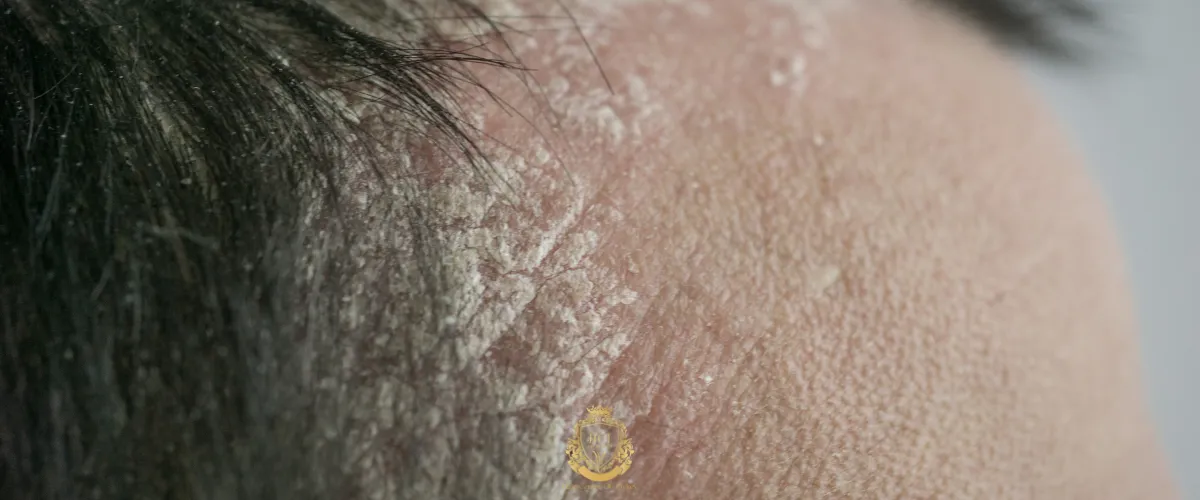
Gel residue can mix with oil and dead skin, leaving the scalp feeling coated. For some people, this can worsen itch, flaking, or follicle irritation, which may increase shedding. The solution is consistent washout rather than “scrubbing harder.”
If you use gel often, focus your shampoo on the scalp and rinse thoroughly. A clarifying shampoo once in a while can help if your hair feels coated or heavy.
Dryness and Breakage (Especially Alcohol-Heavy Gels)
Some gels rely on drying alcohols to help the product set quickly. That can leave hair feeling stiff and brittle, which increases breakage during brushing, detangling, or heat styling. Breakage can look like thinning, even though the hair is snapping rather than falling from the root.
If your hair feels crunchy after styling, switch to a more flexible-hold gel or an alcohol-free option. Pair gel with a conditioner or leave-in to protect the hair shaft.
Scalp Irritation or Contact Dermatitis
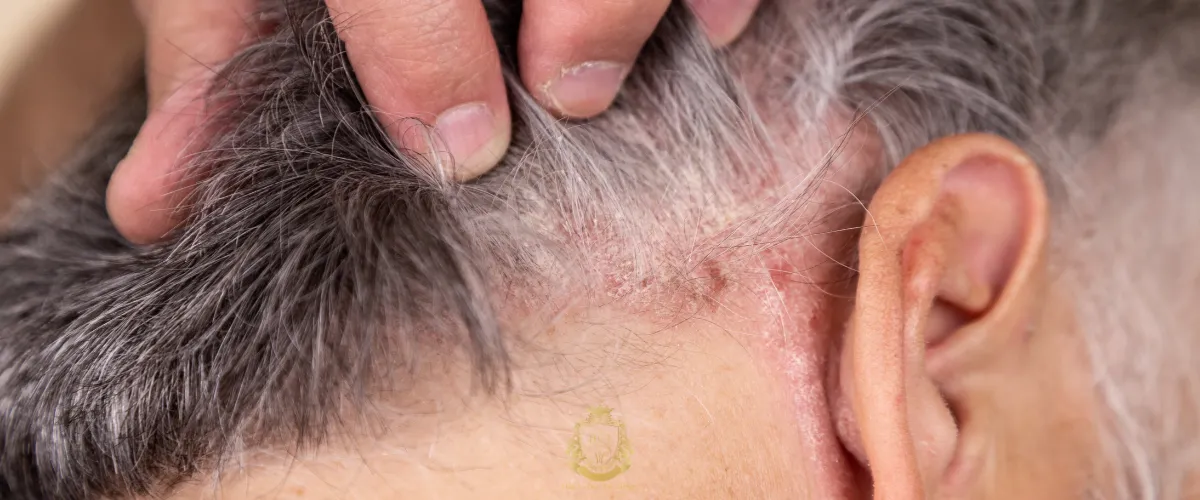
Fragrance, preservatives, and certain botanical extracts can irritate sensitive scalps. Irritation may show up as itching, redness, burning, or small bumps. Ongoing inflammation can disrupt the hair growth cycle and lead to increased shedding.
If symptoms start soon after using a new gel, stop that product and simplify your routine. If irritation persists, a dermatologist can help identify triggers and rule out scalp conditions like seborrheic dermatitis or psoriasis.
Traction Alopecia From Slick, Tight Hairstyles
Gel is often used to create slick ponytails, buns, braids, and up-dos. When the style is tight, the constant pull can damage follicles and lead to traction alopecia. Early signs include soreness, tiny broken hairs around the hairline, and thinning at the temples.
Loosening the style, changing where you place tension, and taking “rest days” from tight looks can prevent traction alopecia from progressing. If you notice thinning along the edges, act early.
Poor Washout and Secondary Scalp Problems
Leaving gel on the scalp for days can trap sweat, oil, and debris. In some people, that can worsen dandruff or folliculitis and make the scalp more reactive. A reactive scalp can shed more than usual until the irritation settles.
A simple reset helps: wash out products, keep the scalp clean, and avoid layering multiple stylers at the roots. If you develop pain, crusting, or pus-filled bumps, seek medical advice promptly.
How to Use Hair Gel Without Damaging Your Hair
- Use the smallest amount that achieves your style, and avoid “re-applying” over old product.
- Apply mainly to the hair lengths rather than directly onto the scalp.
- Choose gentler formulas (for many people, alcohol-free or low-fragrance options are easier on hair and scalp).
- Wash gel out the same day whenever possible, especially if you use heavy hold products.
- Add moisture back in with conditioner, a leave-in, or a light oil on the ends.
- Avoid tight, high-tension styles, and rotate hairstyles to reduce stress on the same areas.
- Limit high heat on gel-set hair, which can increase stiffness and breakage.
Signs Your Gel Routine May Be Causing Damage
- More breakage, especially short snapped hairs around the hairline
- Dry, rough, or “crunchy” texture after styling
- Itching, redness, burning, or bumps on the scalp
- Increased shedding that improves when you stop using gel
- Thinning at the temples or along the edges (often linked to tension)
Alternatives to Traditional Hair Gel
If gel feels too drying or heavy, consider these options:
- Hair mousse for lightweight hold and volume
- Styling creams for softer control and less stiffness
- Pomades or pastes for flexible texture (use sparingly and wash out well)
- Aloe-based gels for a lighter feel on the hair shaft
- Heatless styling methods (braid-outs, twists, rollers) that reduce product reliance
When to See a Dermatologist
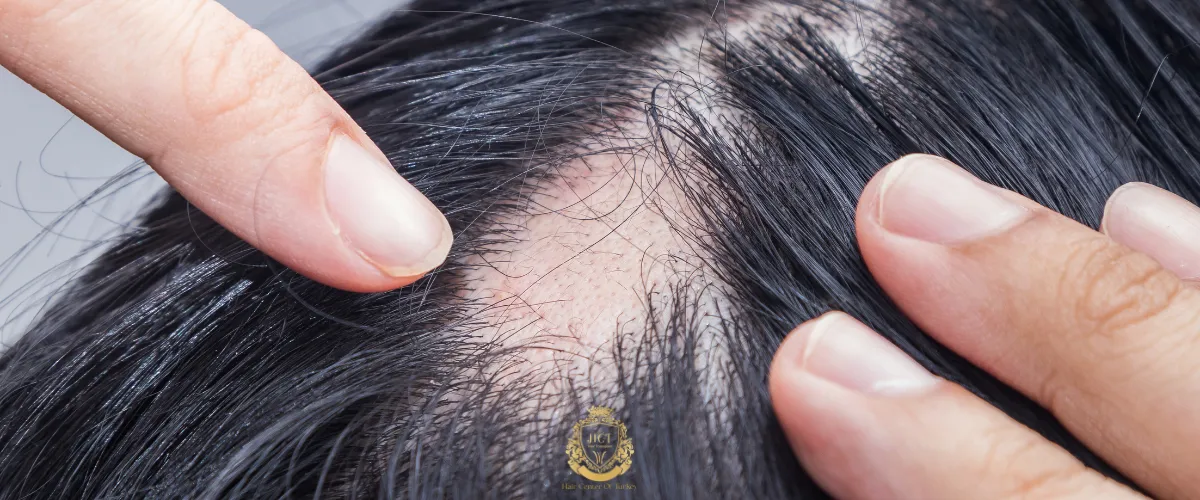
See a dermatologist if you notice patchy hair loss, scalp pain, scaling, or persistent redness. Also get checked if shedding lasts longer than 6–8 weeks, or if you have a family history of pattern hair loss and see gradual thinning. Hair loss has many causes, and early diagnosis makes treatment simpler.
FAQ
Does hair gel cause male pattern baldness?
No. Androgenetic alopecia is driven by genetics and hormones, not by hair gel. Gel can make thinning more noticeable if it causes breakage or irritation.
Can hair gel “clog” follicles?
Product residue can build up on the scalp and make it feel congested or itchy. That can contribute to irritation-related shedding in some people, but it’s not the usual cause of permanent hair loss.
Is it bad to use hair gel every day?
Daily use can be fine if you wash it out properly and your scalp tolerates the formula. If you notice dryness, breakage, or itching, reduce frequency and switch to a gentler product.
How do I remove hair gel properly?
Shampoo the scalp, rinse thoroughly, and follow with conditioner on mid-lengths and ends. If buildup is heavy, use a clarifying shampoo occasionally and then moisturize well.
What if I’m already shedding?
Stop the suspected trigger for a few weeks and keep your routine simple. If shedding is heavy, persistent, or comes with scalp symptoms, a dermatologist can help identify the cause.