Brittle Hair Loss vs Hair Thinning: Understanding the Differences
Brittle hair loss is usually hair breakage: strands snap because the hair shaft is dry or damaged. Hair thinning is a gradual drop in density or strand thickness, often linked to genetics, hormones, age, or stress. The right solution depends on which problem you have, so spotting the difference is the first step.
Hair changes can look similar in the mirror, even when the cause is totally different. Breakage makes hair feel rough and uneven, while thinning changes how much hair you have overall. Below is a clear way to separate the two and choose care that actually matches what your hair needs.
Table of Contents
What Brittle Hair Loss Really Means
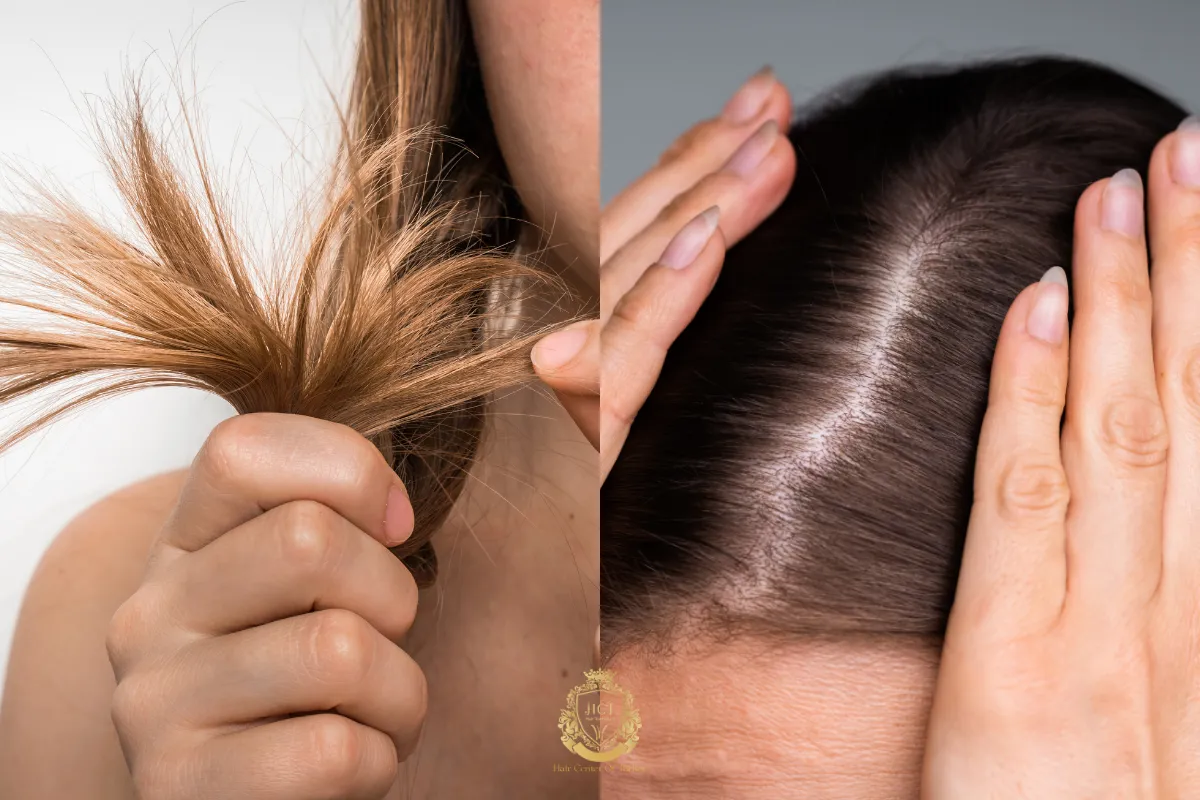
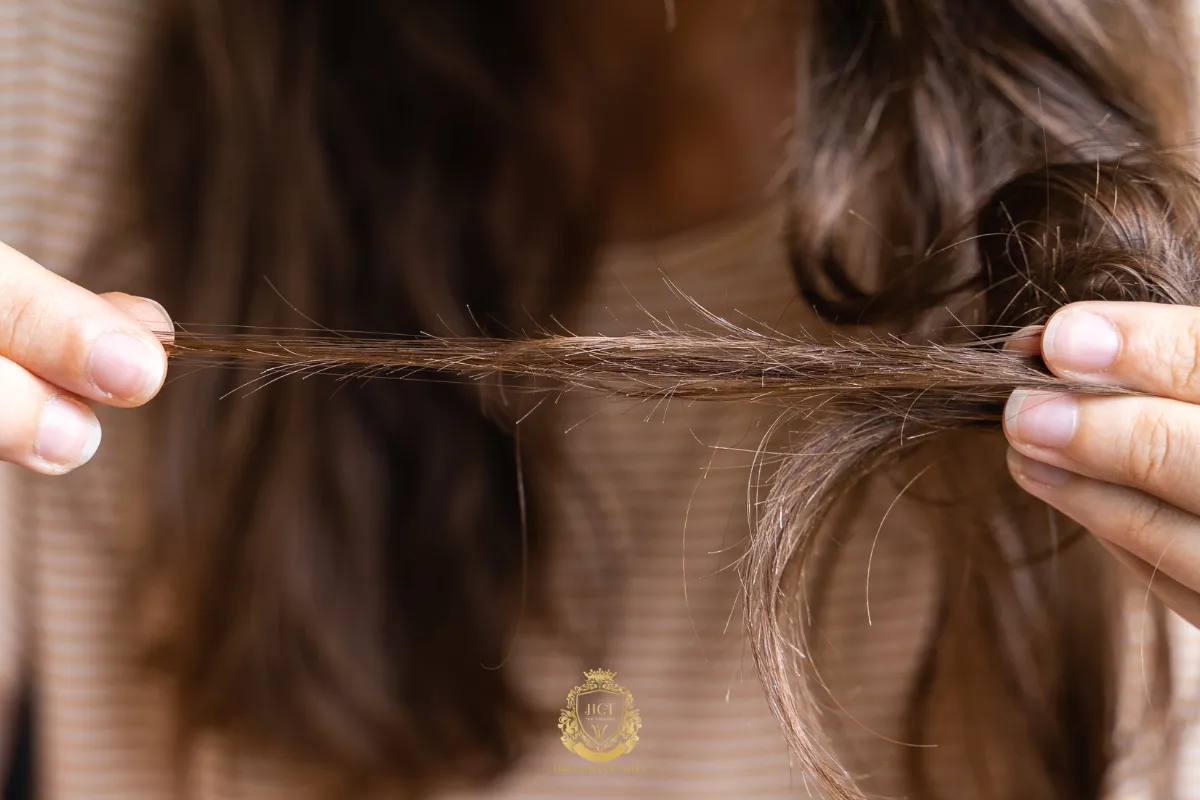
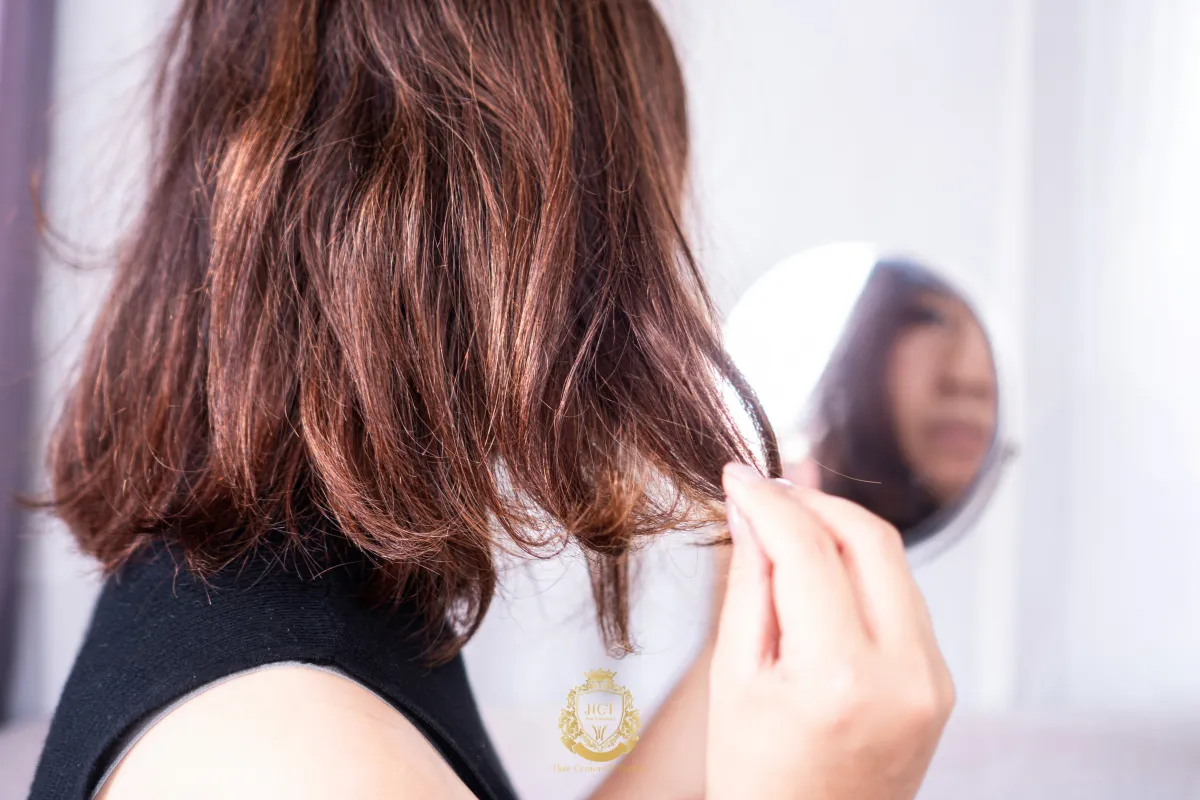
When people say “brittle hair loss,” they’re often describing breakage. Instead of shedding from the root, the hair shaft weakens and snaps, so the ends look thinner and shorter over time. Brittle hair usually lacks shine and feels dry or straw-like.
Common Signs Of Brittle Hair Breakage
Short, broken pieces around the hairline or crown.
Split ends and frizz that returns quickly after trimming.
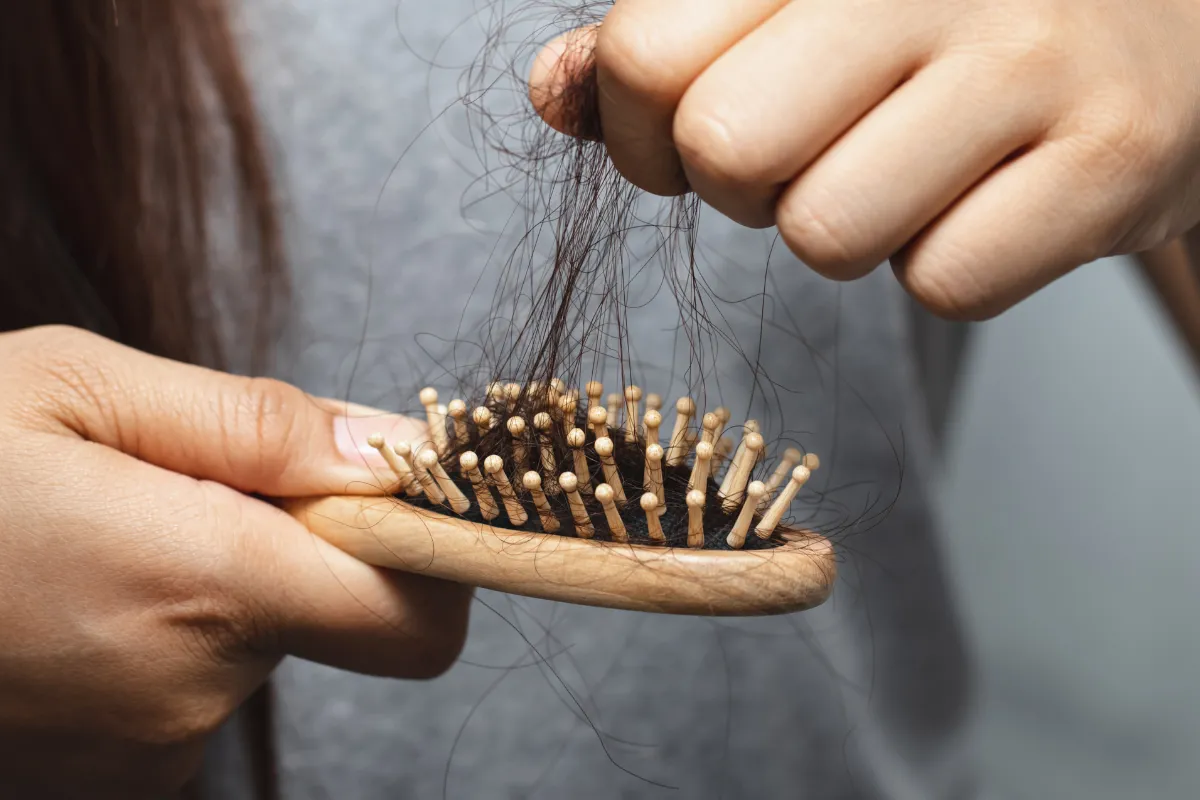
Hair that snaps during brushing, styling, or detangling.
Dryness, dullness, and tangling more than usual.
Common Causes Of Brittle Hair Loss
Breakage is most often driven by external stress on the hair fiber. A few habits can add up fast, especially if your hair is naturally fine, curly, or chemically treated.
Frequent heat styling (straighteners, curling wands, blow-drying on high heat).
Bleaching, coloring, relaxers, perms, or other strong chemical treatments.
Over-washing, harsh shampoos, or skipping conditioner when hair needs moisture.
Tight hairstyles that create tension and snapping (ponytails, braids, extensions).
Low intake of protein and key nutrients that support healthy hair structure.
What Hair Thinning Means
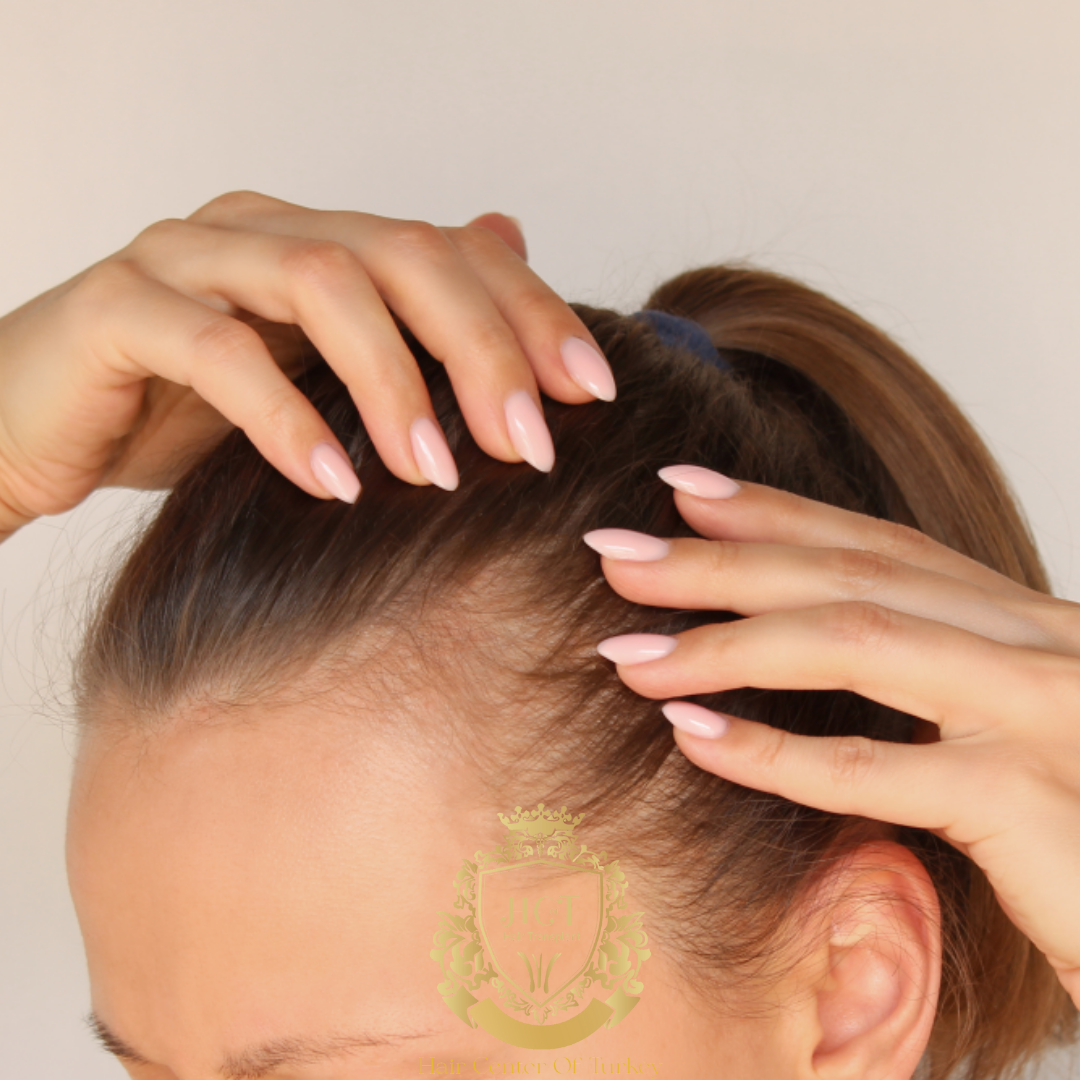
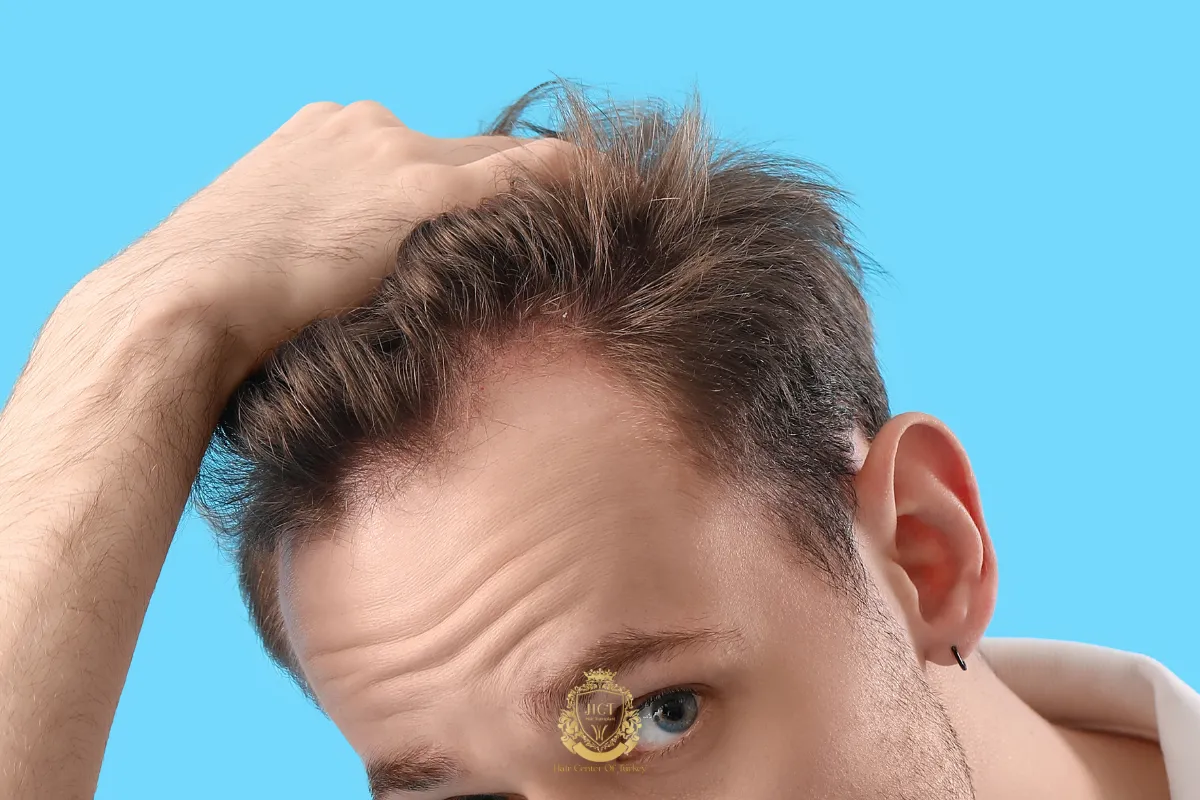
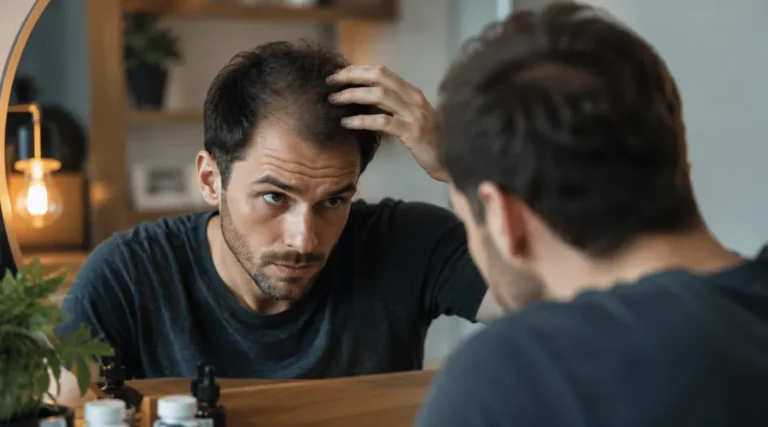
Hair thinning is a change in density, thickness, or both. You may notice less volume in your ponytail, more scalp showing, or a wider part. Unlike breakage, thinning usually reflects changes happening in the follicle or the hair growth cycle.
Common Signs Of Hair Thinning
Overall loss of volume, especially at the crown or along the part.
Finer strands over time, even if the ends look healthy.
Scalp visibility that slowly becomes more noticeable.
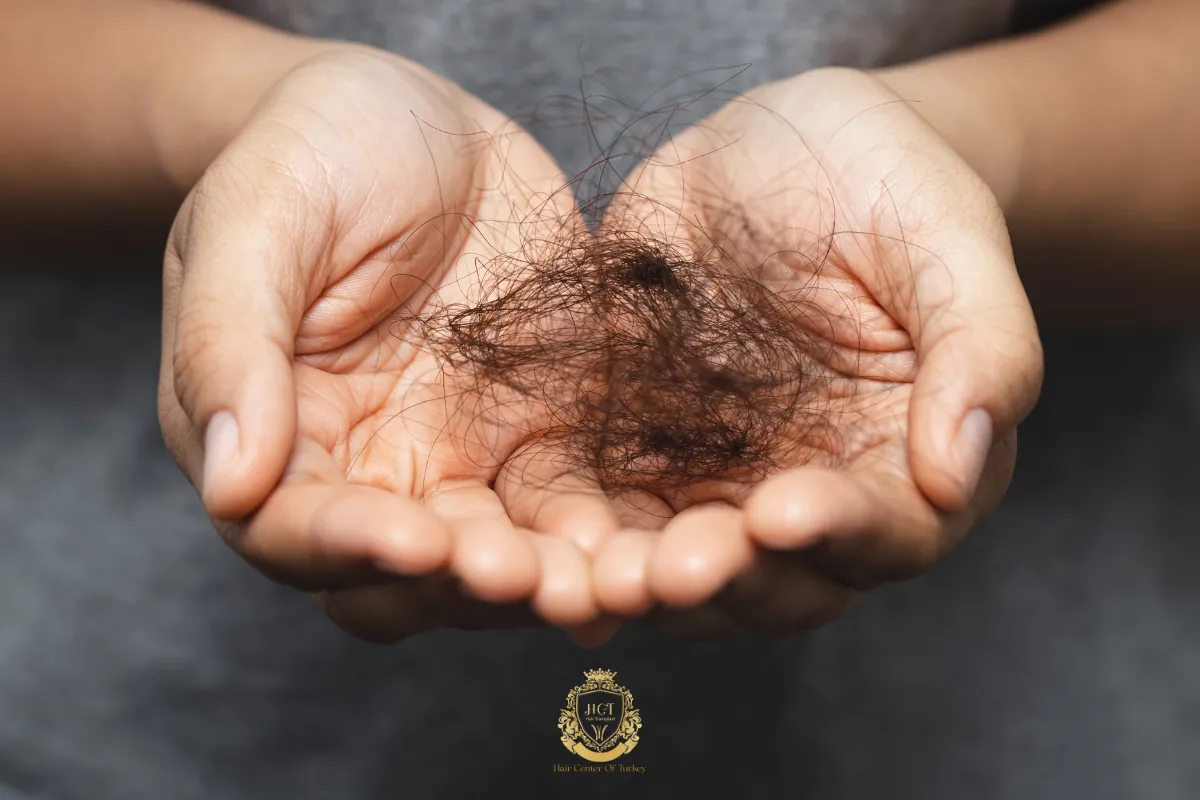
More hairs shedding consistently for weeks or months.
Common Causes Of Hair Thinning
Thinning can have several triggers, and more than one can be present at the same time. If the change feels sudden or comes with other symptoms, it’s worth checking in with a clinician.
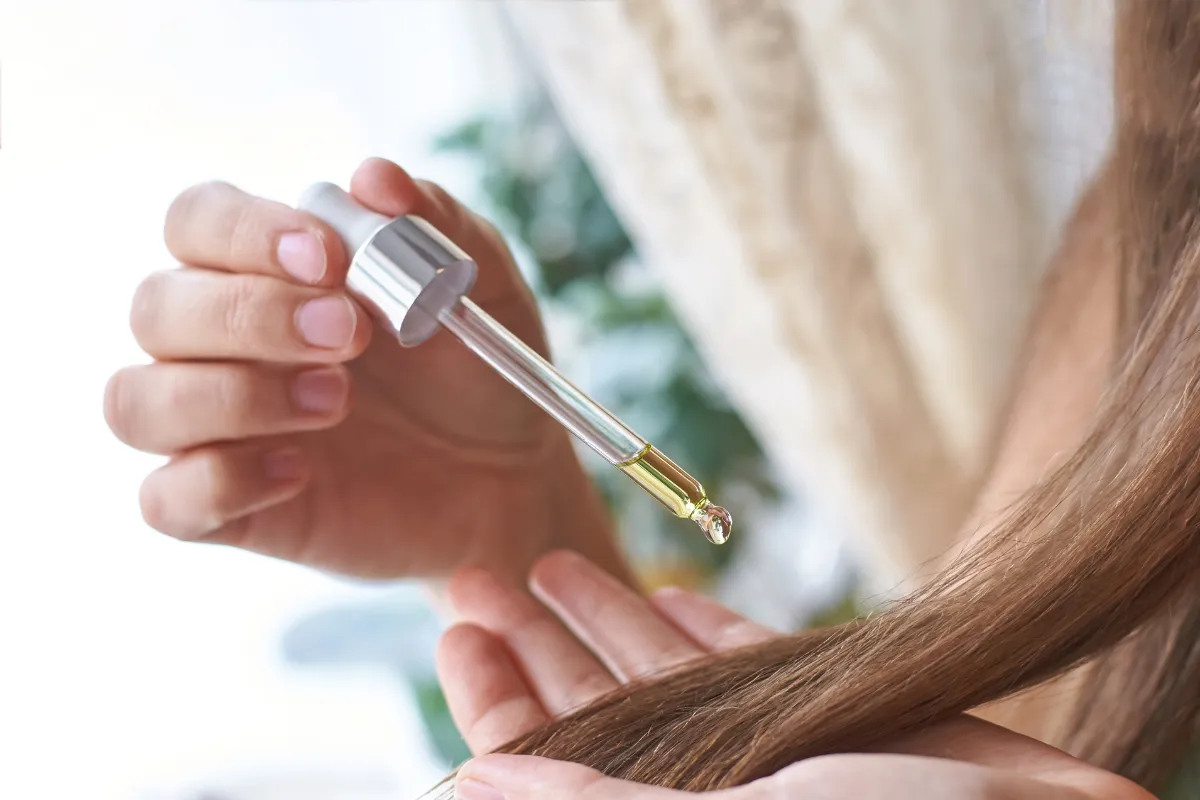
Focus on moisture, gentle handling, and reducing the damage that caused the snapping. Most people notice better feel and fewer broken hairs once their routine is consistent for a few months.
Use a conditioner every wash and add a deep-conditioning mask weekly.
Limit hot tools and use heat protection when you do style.
Detangle gently with a wide-tooth comb, starting at the ends.
Trim split ends regularly to reduce further splitting.
Support hair structure with adequate protein and a balanced diet.
If You’re Seeing True Hair Thinning
Thinning often benefits from evidence-based treatments and a check for underlying triggers. A dermatologist can help confirm the pattern and recommend options that fit your situation.
Topical minoxidil (over the counter in many countries) may support regrowth for some people when used consistently.
Prescription treatments may be appropriate depending on the cause and medical history.
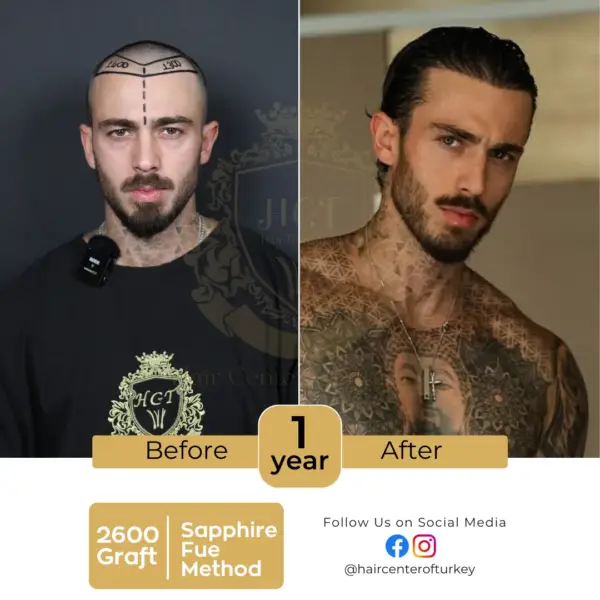
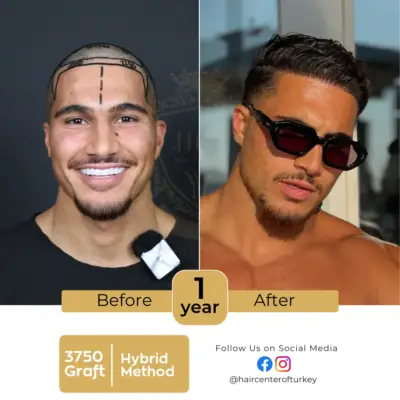
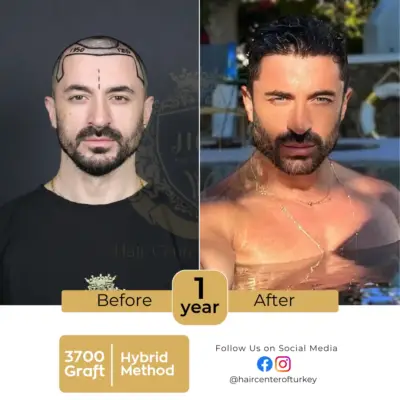
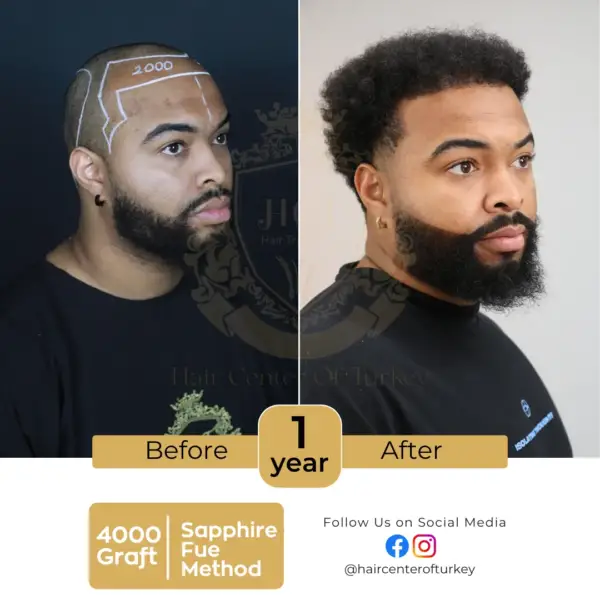
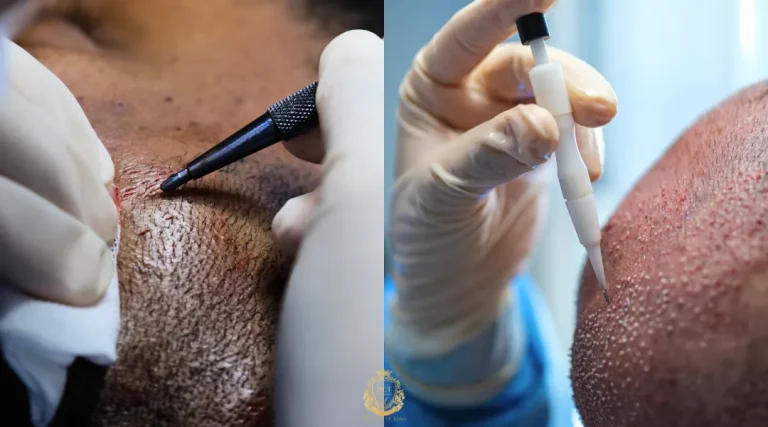
In advanced, stable cases, hair transplant procedures such as FUE can be considered with a qualified surgeon.
Platelet-rich plasma (PRP) therapy is used in some clinics to support hair density, with results varying by person.
When To See A Dermatologist
Seek professional advice if hair loss is sudden, patchy, painful, or paired with scalp redness, scaling, or itching. It’s also smart to get help if thinning is progressing quickly, you’re losing eyebrow or eyelash hair, or you suspect a hormonal or thyroid issue. Targeted testing can save time and prevent guesswork.
Frequently Asked Questions
Brittle hair loss vs hair thinning understanding the differences male
Brittle breakage causes short hairs; thinning is reduced density from miniaturization or shedding.
Which vitamin deficiency causes hair loss
Iron deficiency is most common; low vitamin D, zinc, B12, folate, biotin can contribute.
Why am I losing so much hair female
Common causes are telogen effluvium, iron/thyroid issues, postpartum changes, PCOS, traction, genetics.
Hair thinning vs hair fall
Hair fall is shedding strands; thinning is fewer hairs or finer hairs over time.
Is hair thinning reversible
Often yes if cause treated early; genetic pattern loss is managed, not reversed.
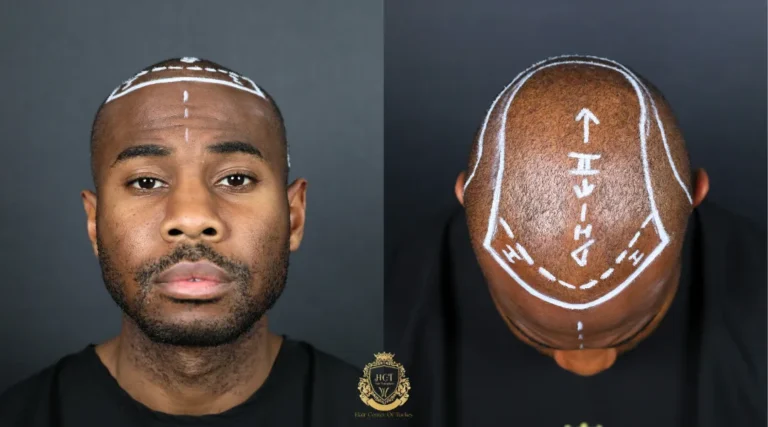
At HCT Hair Transplant, we believe a successful hair transplant starts with a carefully designed hairline. Your facial features, age, natural hair growth and long-term appearance are all considered to create a hairline that is uniquely yours. Our goal is not simply to restore hair, but to deliver a balanced, natural-looking result that enhances your overall appearance.
DESIGN YOUR HAIRLINEStart with a free assessment and receive your personalized hair transplant plan today.
Your HCT Journey
A clear experience from online consultation to Istanbul treatment and follow-up care.
4.9Review Score
1
Online Hair AnalysisPhotos, goals and suitability are reviewed before travel.
2
Istanbul Treatment PlanClinic schedule, hotel transfer and operation day guidance.
3
Growth Follow-upRecovery checks and aftercare support through every stage.
10.000+Hair transplant operations
50+Countries reached by patient care teams
24/7Travel and patient coordination support
4.9/5Average patient satisfaction signal
Our Patient Reviews
Real experiences from international patients who chose Hair Center of Turkey.