






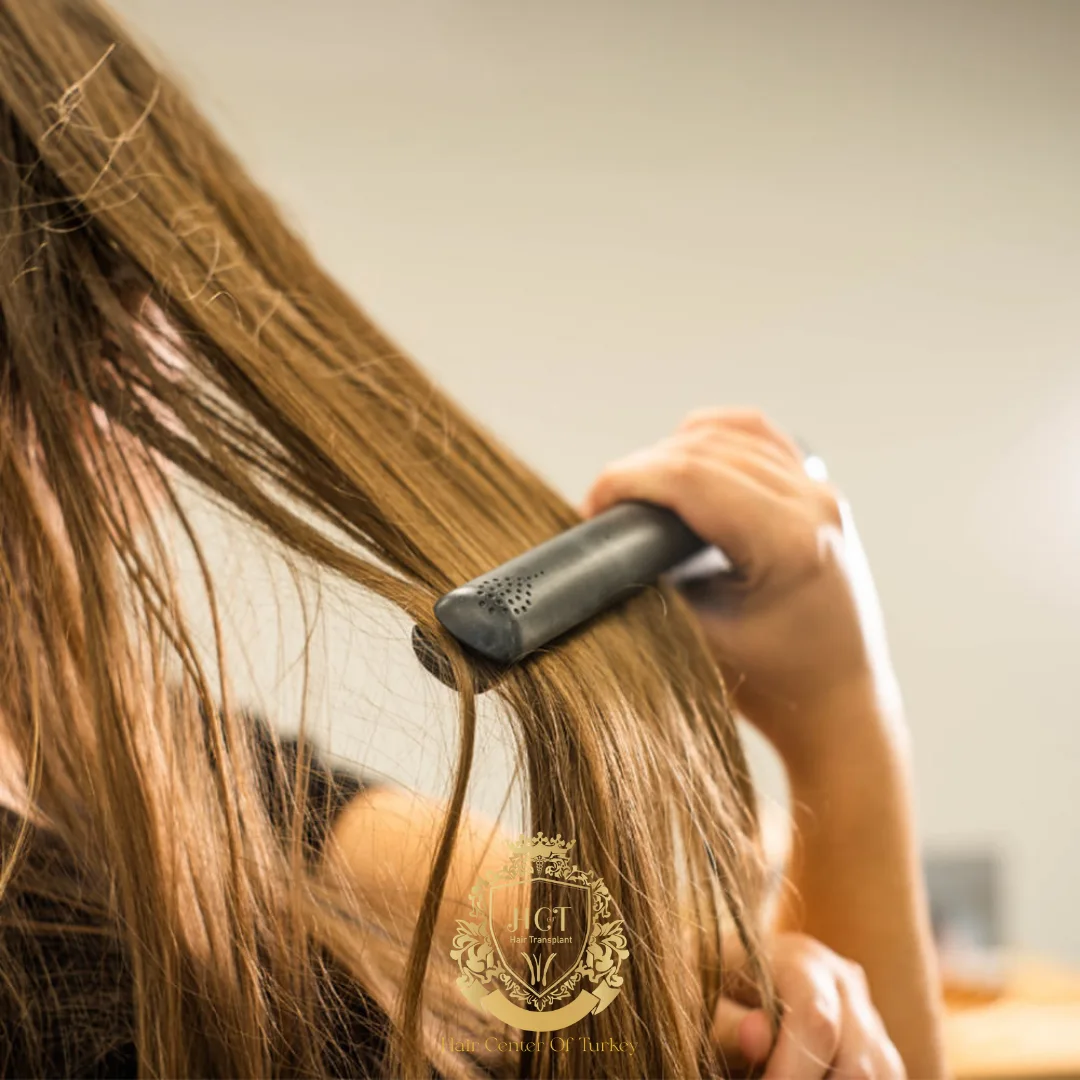
Best Hair Straighteners That Don’t Damage Hair
The least damaging hair straighteners combine adjustable temperature control, smooth plates (ceramic, titanium, or tourmaline), and technology that reduces the need for repeat passes—like sensors, ionic output, or steam. Pair the right tool with a heat protectant and sensible temperatures to keep hair sleek while minimizing breakage and dryness.
A flat iron can be a great styling tool, but heat is also one of the fastest ways to cause dryness, split ends, and breakage—especially if you straighten the same section multiple times or use the wrong temperature for your hair type.
This guide explains what to look for, which technologies are genuinely helpful, and how to build a routine that keeps hair looking healthy.
Table of Contents
How to Choose the Right Straightener for Your Hair Type
Start with your hair’s thickness, texture, and processing history. The goal is to use the lowest effective heat and a plate material that glides smoothly, so you can get results in fewer passes.
Start with your hair’s thickness, texture, and processing history. The goal is to use the lowest effective heat and a plate material that glides smoothly, so you can get results in fewer passes.
Fine or fragile hair
Fine hair overheats quickly, so temperature control matters more than “maximum heat.” Look for ceramic or tourmaline plates and a straightener that can stay in the lower range. If your hair is fragile or thinning, keep heat conservative and focus on one slow pass rather than repeated swipes.
Thick, coarse, or very dense hair
Thicker hair usually needs more heat, but it also benefits from plates that hold steady temperature. Titanium can work well for coarse hair because it transfers heat efficiently. Use adjustable settings and work in smaller sections to avoid going over the same hair repeatedly.
Curly or wavy hair
For curls and waves, the biggest damage trigger is multiple passes on already-dry hair. Straighteners with ionic output or steam can help reduce frizz and improve slip. If you want to keep some natural movement, stop at a soft finish rather than “pin-straight.”
Color-treated or chemically processed hair
Bleached, colored, relaxed, or permed hair is more vulnerable to heat stress. Prioritize lower temperature settings, even heat distribution, and protective technologies such as sensors or steam. When in doubt, treat processed hair like fine hair and straighten less often.
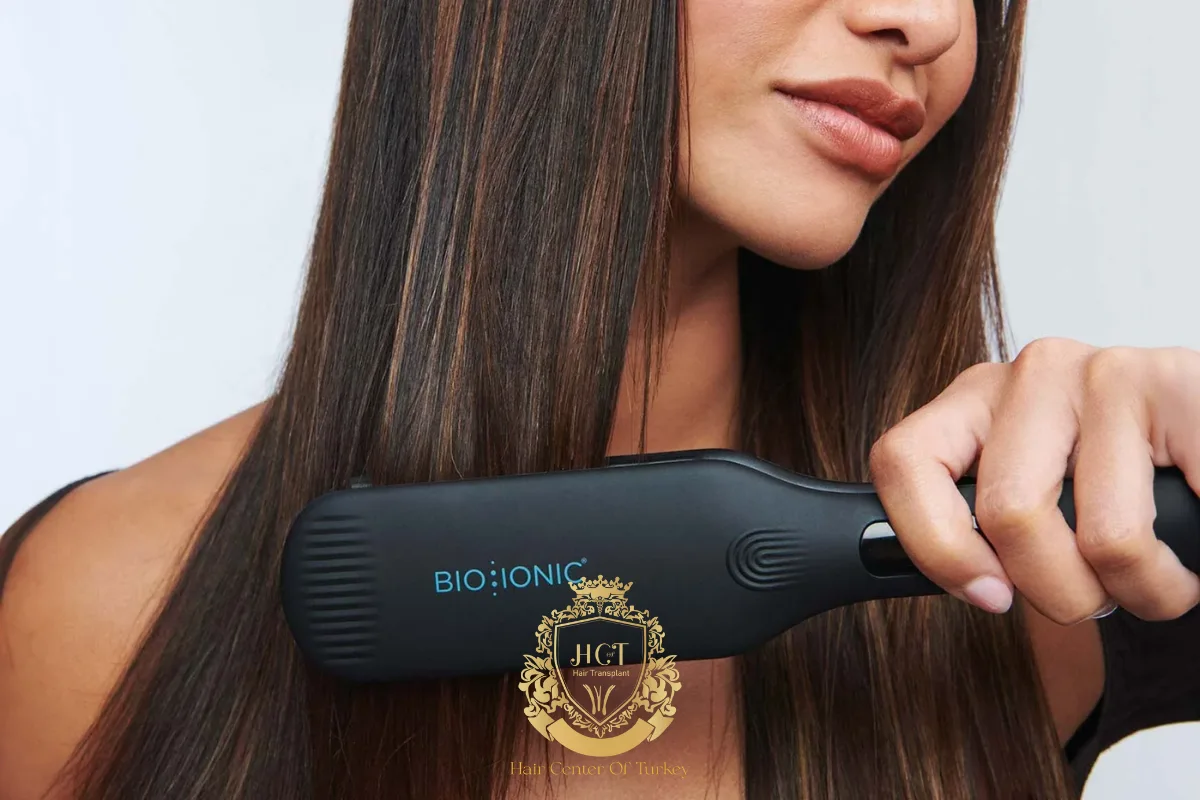
Two straighteners can look similar and perform very differently. These are the features that matter most when you’re trying to minimize damage.
Adjustable heat settings
A straightener that lets you choose your temperature is safer than one that runs hot by default. As a rough guide, fine/processed hair often does best at lower settings, while thicker hair may need medium to higher heat. If you’re unsure, start low and increase only if you truly need it.
Plate material and finish
Ceramic is popular because it offers smooth glide and even heating. Titanium is fast and effective for coarse hair, but it can be too intense for fragile strands. Tourmaline coatings are often paired with ionic output to help reduce static and frizz.
Plate size and shape
Wider plates speed up styling on long, thick hair. Slim plates give more control for bangs, short hair, and edges. Rounded edges are useful if you also want to create bends, waves, or curls.
Heat-up time and temperature stability
Fast heat-up is convenient, but steady heat is what protects hair. Tools that hold temperature consistently help you straighten in fewer passes, which is usually the real damage saver.
Safety and usability
A swivel cord, comfortable grip, and automatic shut-off make regular use safer and easier. If you travel, dual voltage can also be a practical bonus.
Hair-Safe Straightening Technologies
No straightener is “damage-proof,” but some features genuinely reduce stress on the hair shaft by cutting down repeat passes or preventing overheating.
Ionic technology
Ionic output helps reduce static and frizz, which can make hair look smoother at lower heat. It’s most helpful for hair that puffs up easily or gets static in dry weather.
Steam straightening
Steam-based tools add moisture while you style, helping hair stay flexible and reducing the crispy feel that can come from dry heat. They can be a smart choice for thick, curly, or very frizz-prone hair that needs more “slip” to smooth out.
Sensor-based heat control
Some premium models monitor heat and adjust power automatically to maintain a consistent, safer temperature. This can help prevent accidental scorching—especially if you straighten slowly or go over a section twice.
Conditioning plate coatings
You’ll see coatings marketed as keratin, argan oil, or “conditioning.” They can improve glide, but they don’t replace a heat protectant. Treat them as a comfort feature, not a guarantee against damage.
Affordable and High-Quality Straightener Recommendations
Budget-friendly straighteners can still be gentle on hair if they have true temperature control and smooth plates. When comparing options, focus on adjustable heat, even plate contact, and an auto shut-off feature.
Examples worth considering
Philips Essential Care series (varies by model), Remington Ceramic Straight models, Babyliss Slim Protect lines, and similar mid-range options are often chosen for their balance of price and performance. If you’re shopping locally in Turkey, Arzum’s adjustable-temperature models are also commonly available. Before buying, confirm plate material, temperature range, and warranty for the exact model number.
Professional Hair Straighteners
If you style frequently, a premium tool can pay off by straightening faster and with fewer passes. The key is consistent heat, smart control, and plates that grip gently without snagging.
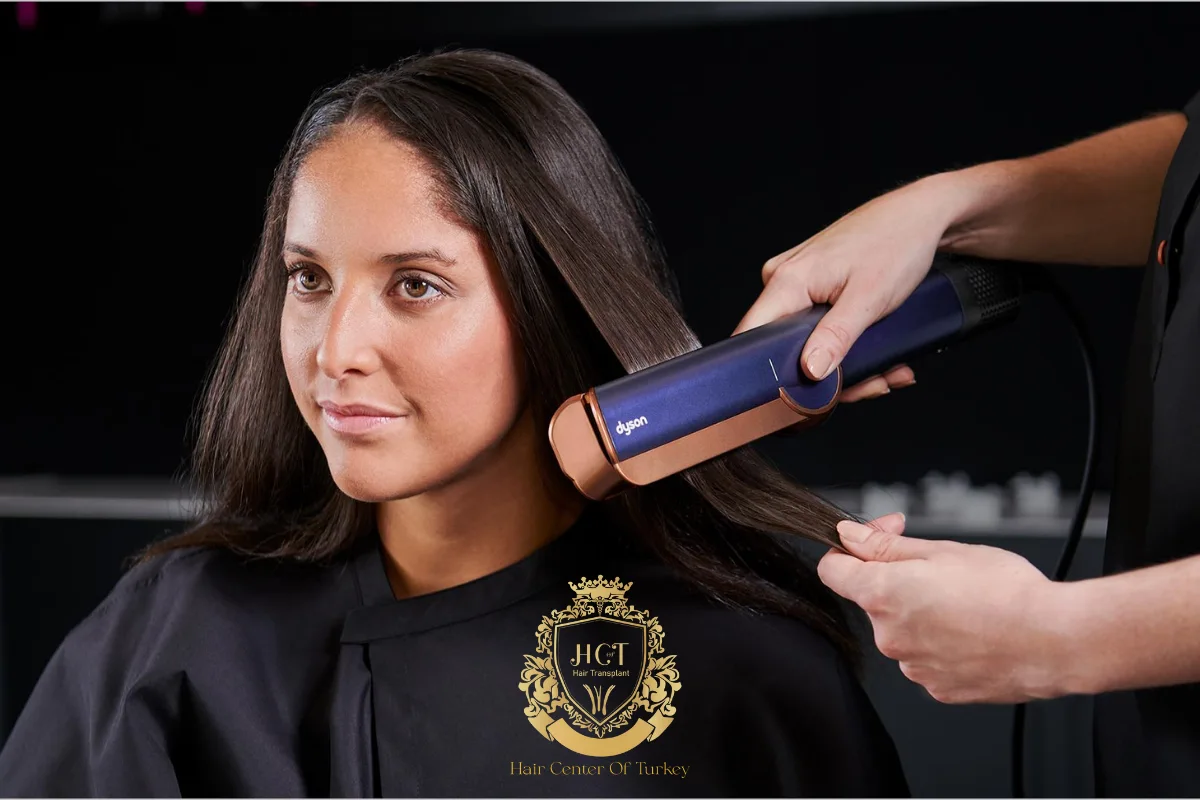
Dyson Corrale
Dyson’s Corrale uses flexing plates designed to gather hair so you can style with less heat, and it regulates temperature frequently during use. It’s also known for cordless styling, which is convenient for touch-ups and travel.
ghd Platinum+
The ghd Platinum+ is a “smart” styler designed to maintain a consistent 185°C temperature and adjust power based on how you style. It’s popular for fast smoothing and for reducing the need to go over the same section repeatedly.
L’Oréal Professionnel SteamPod
SteamPod uses a continuous flow of steam alongside heat, which can improve glide and help hair stay softer. Many people with thick or curly hair like it because it straightens without feeling as harsh as very high dry heat.
Remington Keratin Protect
Remington’s Keratin Protect range is known for ceramic plates infused with keratin and almond oil and models that offer multiple temperature settings. It’s a practical pick if you want a gentler feel without moving into premium price territory.
Hair Care Routine After Straightening
Protecting hair doesn’t end once the style looks sleek. Your aftercare decides how your hair feels a week later.
Use a heat protectant every time
Apply a heat-protective spray, serum, or cream to dry hair before straightening. It won’t make hair “heat-proof,” but it does reduce moisture loss and friction.
Switch to moisture-friendly wash days
A sulfate-free or gentle shampoo and a hydrating conditioner help offset dryness from heat styling. If your hair is colored, choose products made for color-treated hair to help preserve shine.
Mask weekly and trim regularly
A weekly mask (argan oil, ceramides, keratin, or coconut oil—choose what your hair likes) keeps hair flexible. Regular trims keep split ends from traveling upward.
Avoid daily straightening
Even the best tool can cause damage if you use it every day. For most people, straightening a few times per week is a safer baseline—then rely on blow-drying, wraps, or heatless styles in between.
FAQs
Which hair straightener is least damaging?
A ceramic or tourmaline flat iron with adjustable low-temperature control is least damaging.
What straighteners have less heat damage?
Ceramic, tourmaline, and titanium straighteners used at ≤180°C cause less heat damage
What is the healthiest hair straightening method?
Heatless methods like wrapping, banding, or rollers are the healthiest straightening options.
Is there a way to straighten my hair without damaging it?
Yes—use heatless techniques like wrapping or rollers to straighten without heat damage.
What is the Japanese hair straightening method?
Japanese straightening is thermal reconditioning: thioglycolate relaxer, heat ironing, then neutralizer sets bonds.
What is better, keratin or Japanese straightening?
Keratin is typically gentler and semi-permanent; Japanese is permanent and usually more damaging.
Which hair straightening treatment is safest?
A formaldehyde-free keratin smoothing treatment, done professionally, is among the safest options.



